The 11 Best Social Media Management Tools for 2026: A Comprehensive Guide to Streamlining Digital Presence

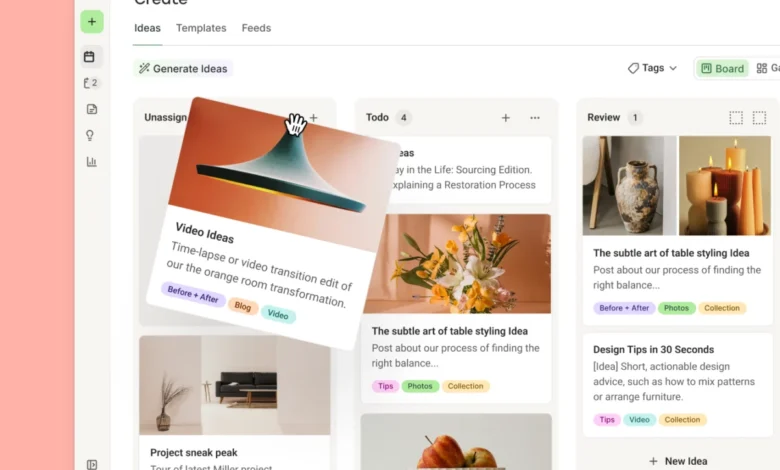
Managing a cohesive digital footprint across multiple social media platforms has evolved from a simple task into a complex logistical challenge for creators, small businesses, and multinational corporations alike. As the digital landscape continues to fragment—with the emergence of new micro-blogging platforms and the increasing necessity of multi-format content distribution—the reliance on centralized social media management (SMM) software has become a business imperative. Today, these tools function as the command center for digital marketing, enabling teams to harmonize scheduling, audience engagement, and performance analytics from a single, unified dashboard.
The shift toward these integrated systems is driven by the sheer volume of daily operations. A typical social media manager is responsible for content ideation, cross-platform repurposing, trend monitoring, and rigorous data analysis. When this workload is combined with the demands of business operations, the risk of burnout and content inconsistency becomes significant. Consequently, the SMM software market has matured, offering solutions that range from lean, creator-focused interfaces to robust enterprise suites equipped with AI-driven social listening and customer relationship management (CRM) integrations.
Evolution of the Social Media Management Landscape
The industry has moved significantly beyond basic scheduling. In the early 2010s, tools primarily served as queues for automated posting. By 2026, the industry standard has shifted toward "omnichannel orchestration." Modern platforms now prioritize community management, allowing users to consolidate direct messages and comments from disparate networks into one inbox. Furthermore, the integration of generative AI has fundamentally altered the creation process, providing users with content drafting, sentiment analysis, and predictive performance metrics.

According to recent market analysis, the demand for these tools is growing at a compound annual growth rate (CAGR) of over 15%, as businesses recognize that fragmented management leads to fragmented branding. The ability to monitor buyer journeys and correlate social engagement with direct revenue is now the benchmark for success, particularly in the B2B sector.
Comparative Analysis of Leading Management Platforms
The following platforms represent the current market leaders as of August 2026, categorized by their specific utility and organizational fit.
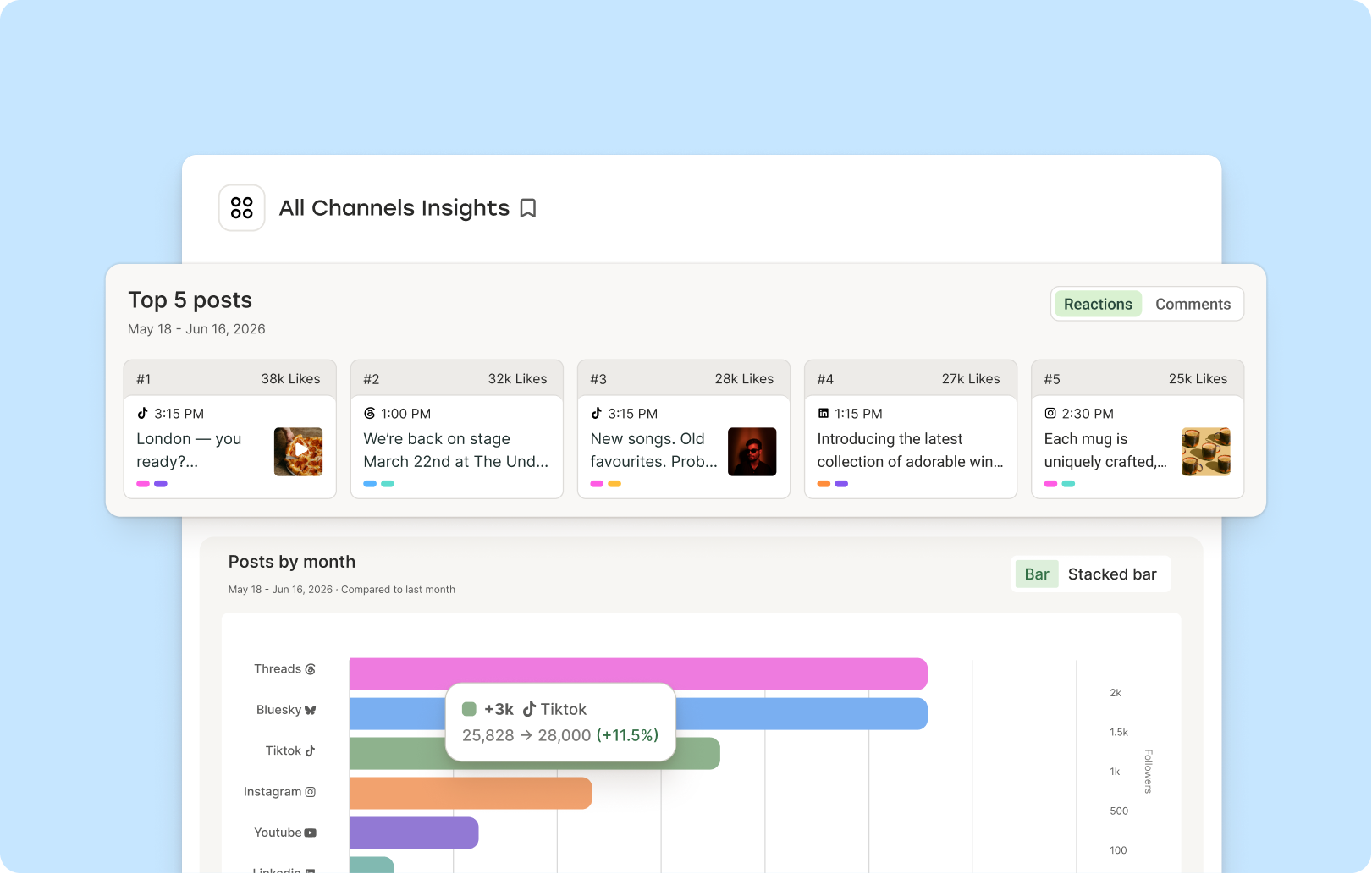
1. Buffer: The Standard for Lean Operations
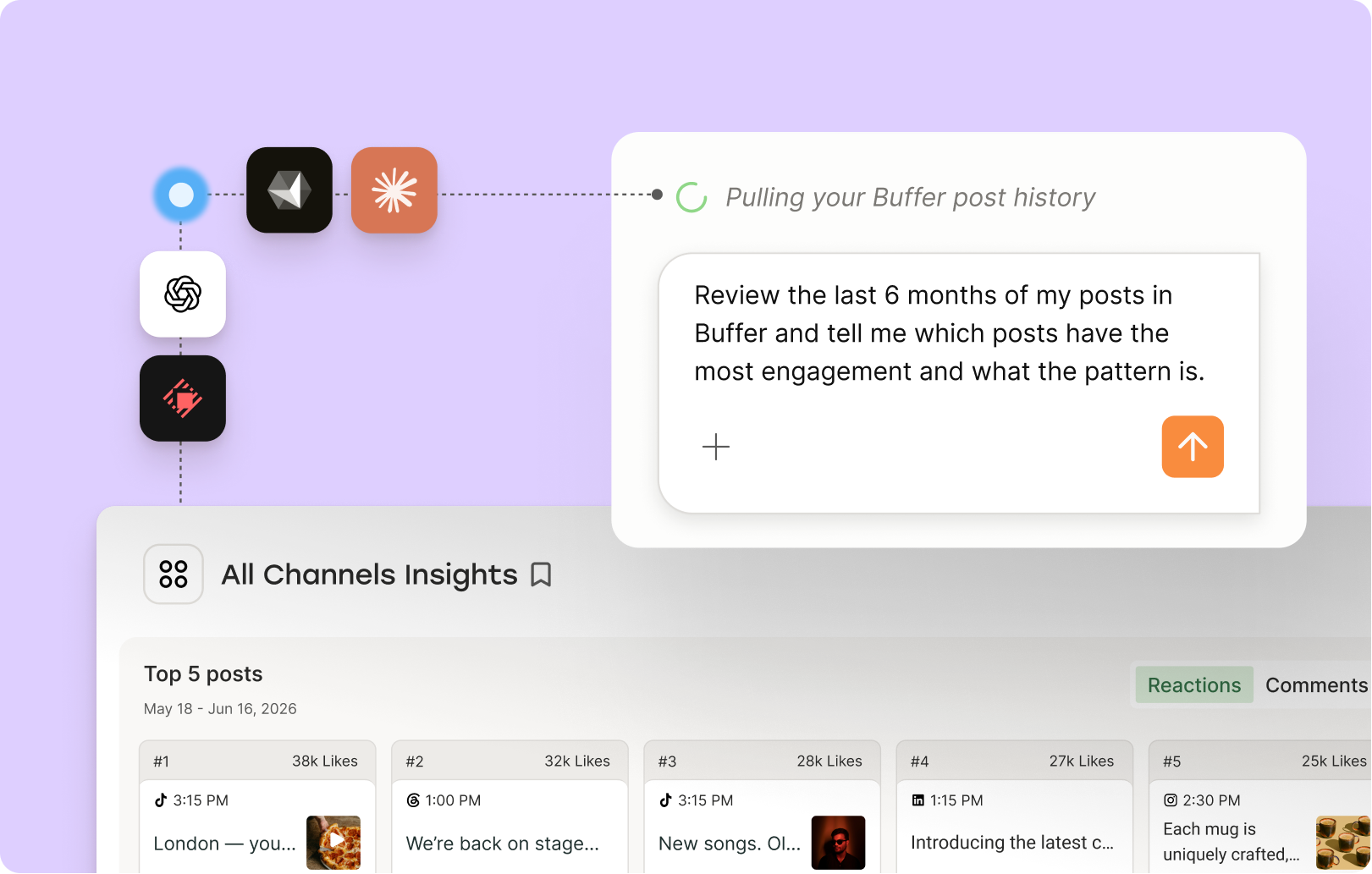
Buffer remains the preferred choice for individual creators and small teams. Its architecture is built on simplicity, featuring a "per-channel" pricing model that allows for granular control over costs. Key features include a visual content calendar and a "Community" inbox that centralizes engagement. Unlike enterprise suites, Buffer avoids complex onboarding, making it an ideal entry point for those prioritizing agility.
2. Hootsuite: Enterprise-Grade Listening
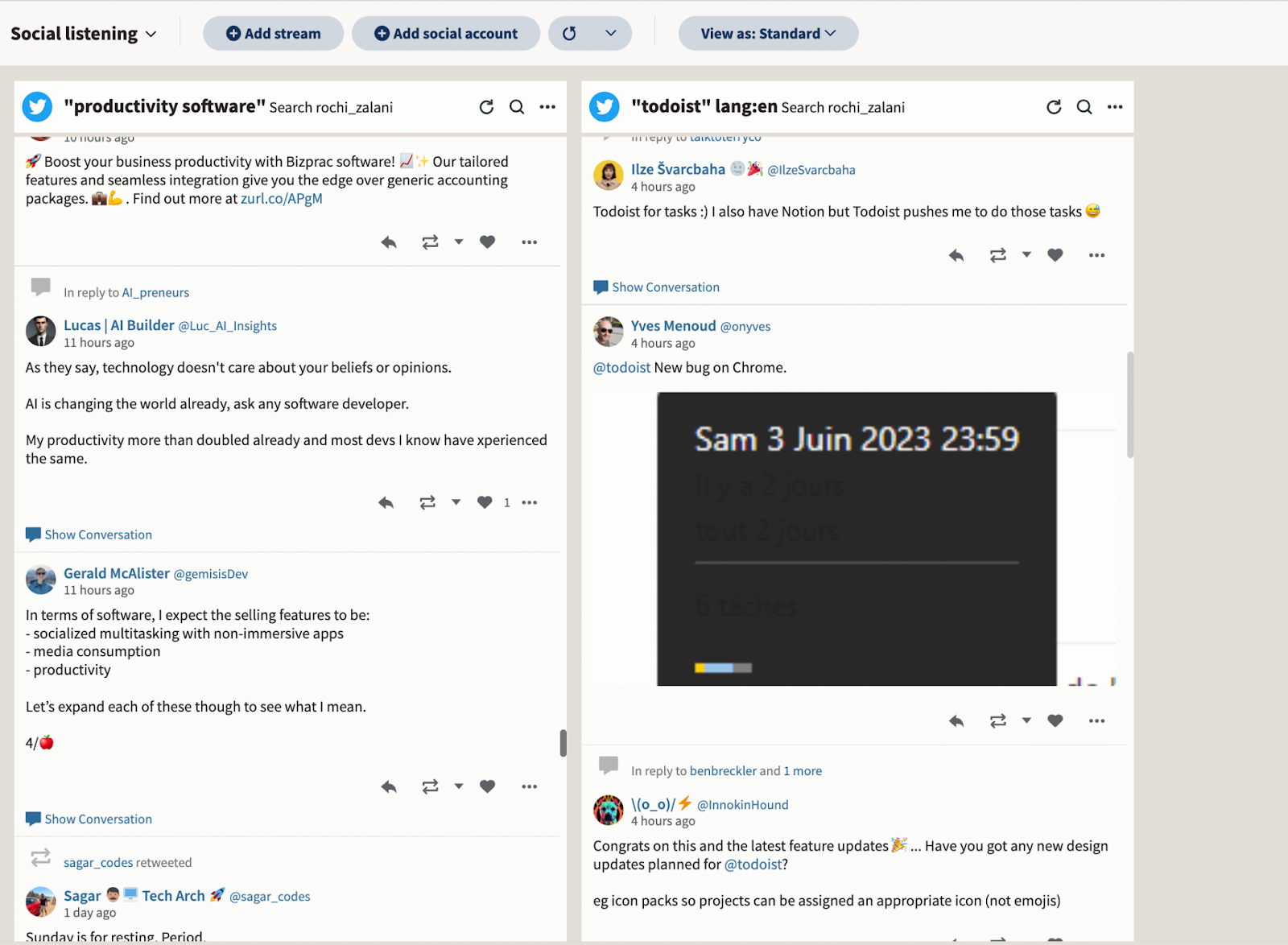
Hootsuite occupies a dominant position for organizations requiring deep social listening. Following its acquisition of Talkwalker, the platform has integrated advanced market intelligence capabilities. It is designed for teams that need to monitor brand sentiment across global conversations, offering granular access controls and extensive reporting, albeit at a premium price point.
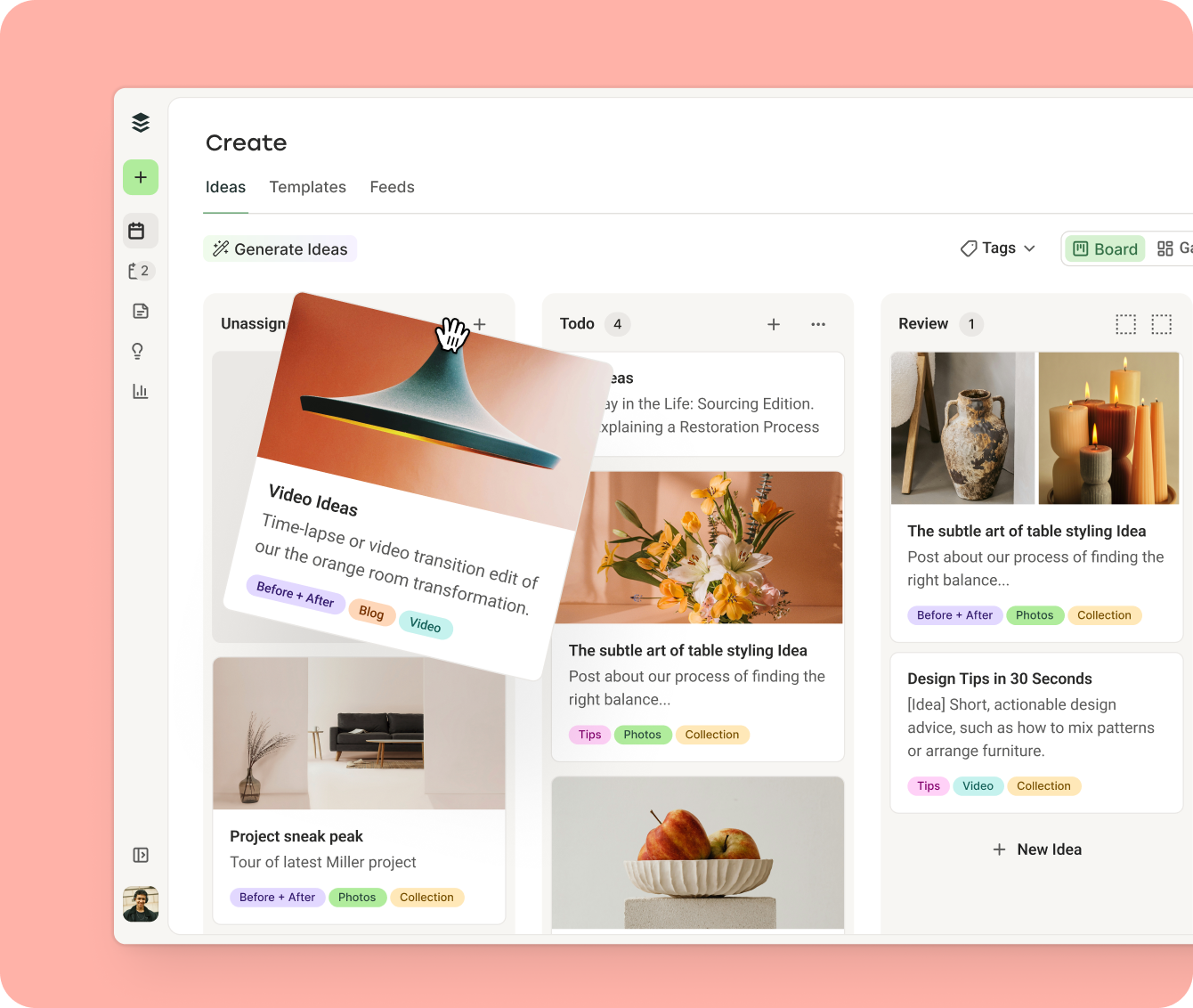
3. Tailwind: The Pinterest Authority
Tailwind serves a niche but vital segment: users with a Pinterest-first strategy. As an official partner of Pinterest, the platform provides one-click design tools and interval scheduling that maximize the longevity of static pins. While it now supports Instagram and Facebook, its core value remains its specialized optimization for Pinterest’s visual discovery engine.
4. SocialPilot: Agency-Centric Workflows
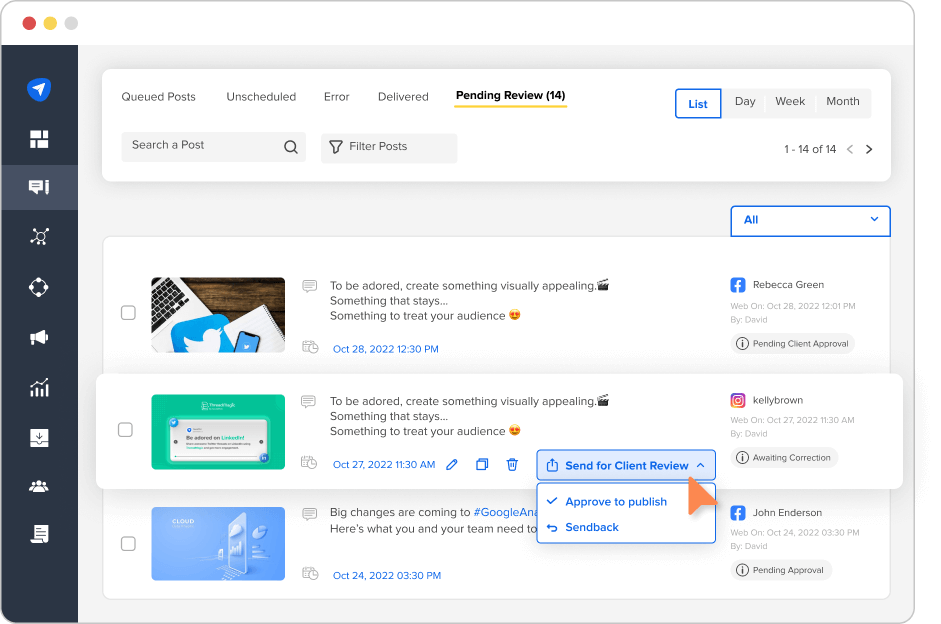
For digital marketing agencies managing dozens of client accounts, SocialPilot provides the essential white-labeling capabilities necessary for professional reporting. Its standout feature is the approval workflow, which allows agencies to share client-facing dashboards without requiring the client to create a login, thereby streamlining communication and reducing administrative friction.
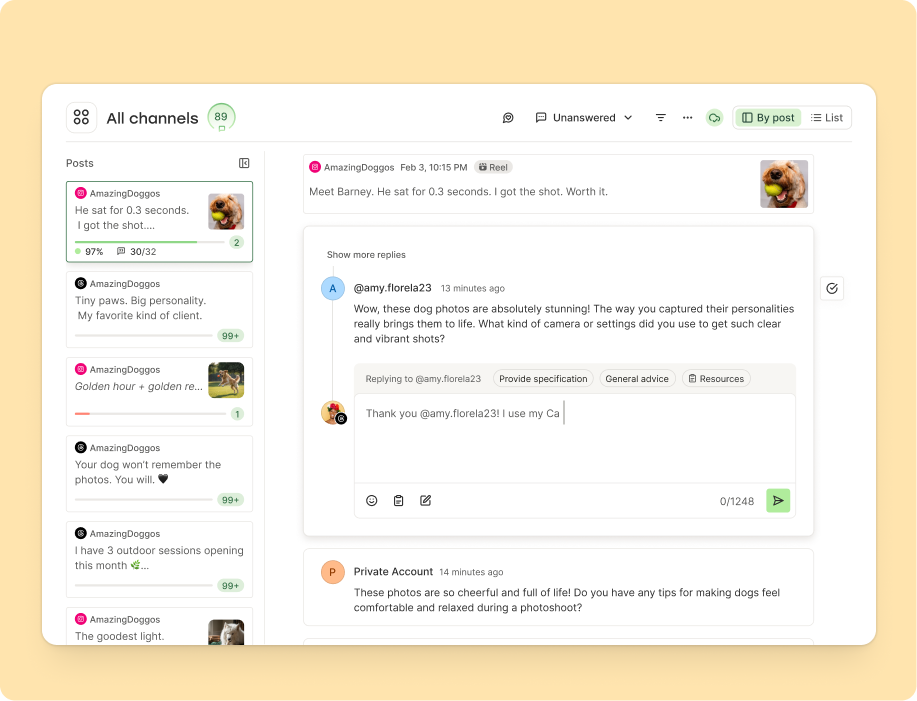
5. Zoho Social: Ecosystem Integration
Zoho Social is the logical choice for enterprises already operating within the Zoho software suite. Its primary advantage is the seamless flow of data between social activity and Zoho CRM or Desk. For businesses that use social media as a primary customer support channel, the ability to convert a public tweet or Instagram comment into a support ticket is a transformative efficiency.
6. Sprout Social: The All-in-One Powerhouse
Sprout Social distinguishes itself by bridging the gap between social media marketing, influencer management, and employee advocacy. Through its integration with Tagger Media, it offers a sophisticated influencer discovery engine. It is arguably the most polished interface in the sector, though it remains firmly positioned for the upper-mid-market and enterprise segments.
7. Oktopost: B2B Revenue Tracking
Oktopost is uniquely engineered for the B2B buyer journey. By forcing every post to be tagged to a specific campaign, the tool allows marketers to track the path from a social click to a converted lead in a CRM. It is less concerned with "vanity metrics" like follower counts and more focused on the bottom-line impact of social distribution.
8. Later: Visual-First Influencer Management
Later has successfully pivoted from a pure scheduler to an influencer marketing platform. It excels in visual content planning and creator discovery, making it a staple for lifestyle brands. Its recent rebrand emphasizes campaign management, reflecting the trend toward creator-led marketing strategies.
9. Socialinsider: Analytics-Focused Benchmarking
For teams that are satisfied with their current publishing workflow but lack visibility into their data, Socialinsider acts as a specialized analytics layer. It provides deep competitive benchmarking, allowing users to compare their engagement rates and content pillars against direct competitors in real-time.
10. Manychat: The Automation Specialist
Manychat represents the evolution of social engagement into automation. It specializes in comment-triggered workflows and 24/7 DM automation. By turning social interactions into automated lead-gen funnels, it has become indispensable for creators who receive high volumes of messages and need to maintain high response rates.

11. Sprinklr: Global Enterprise Governance
Sprinklr sits at the top of the market, offering a comprehensive customer experience management system. It is designed for multinational organizations that require multi-layer governance, AI-powered image detection, and localized persona management. Its complexity is substantial, but for organizations with thousands of employees and hundreds of global accounts, it provides the necessary centralized control.
Selecting the Right Tool: Strategic Criteria
When selecting an SMM platform, organizations should evaluate their needs against five key criteria to avoid the "feature bloat" that often leads to wasted software spend.
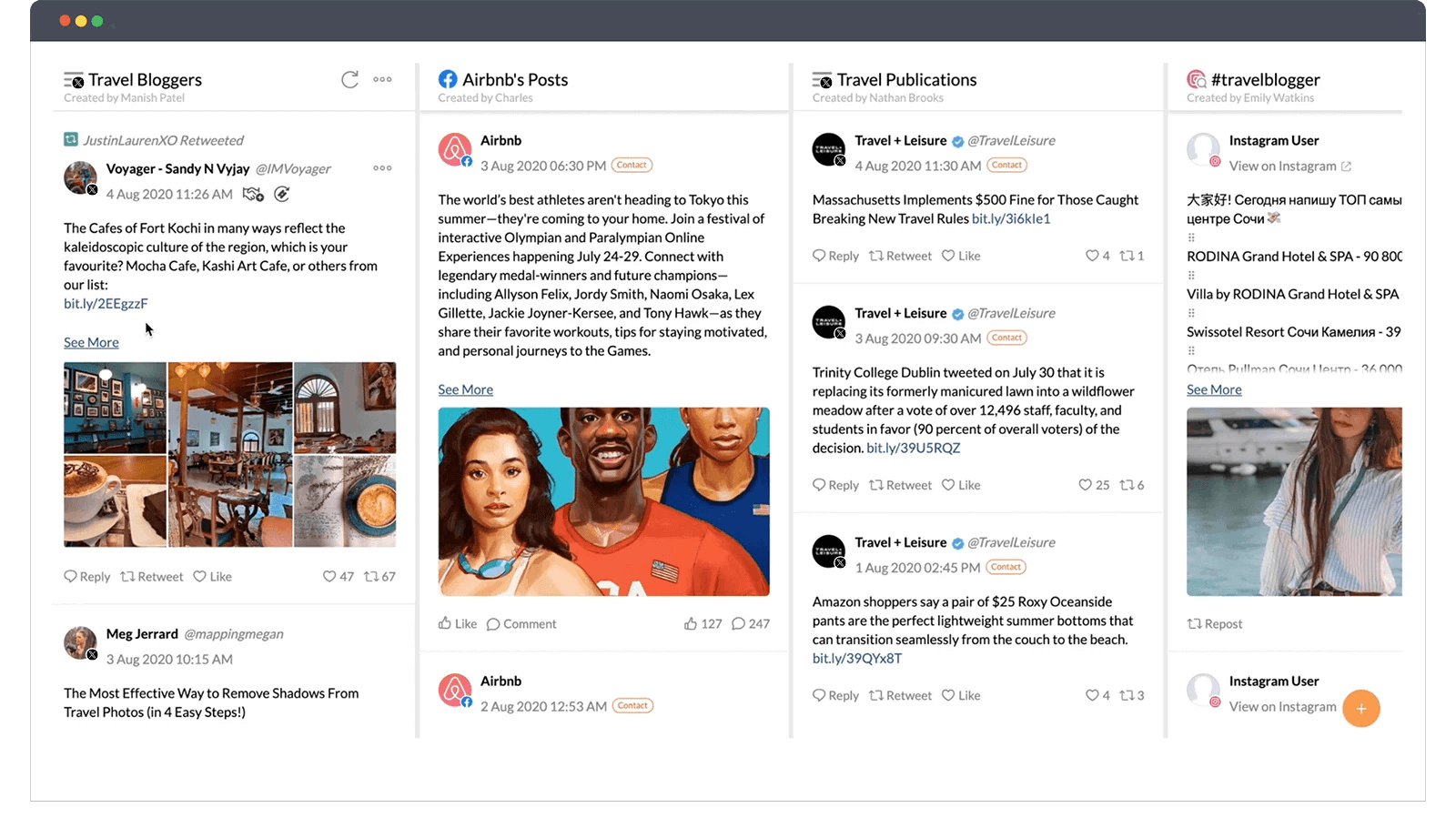
- Network Compatibility: Ensure the tool supports both established platforms and emerging channels. The speed with which a tool integrates new APIs (such as the recent adoption of Bluesky or Substack Notes) is a reliable indicator of its future-proofing.
- Reporting Depth: Distinguish between vanity metrics (likes, shares) and business-impact metrics (conversion rates, lead attribution). Enterprise-level reporting should provide clear visibility into ROI.
- Collaboration and Governance: Large teams require granular permission levels. An organization must determine if its workflows require simple approval or complex, multi-stage legal and compliance reviews.
- Scalable Pricing: The cost of an SMM tool often compounds as a company adds team members or connects additional social profiles. A sustainable choice is one where the pricing tiers align with projected growth over a 12-to-24-month horizon.
- Specialized Functionality: Identify the "must-have" versus "nice-to-have" features. If a team relies heavily on influencer marketing, a tool with built-in CRM for influencers (like Sprout or Later) is superior to a generic scheduler.
The Role of Automation and AI in 2026
The integration of artificial intelligence into social media management is no longer an optional feature; it is a fundamental requirement. AI is currently being utilized in three primary capacities: content generation, performance forecasting, and audience sentiment analysis.
Industry data suggests that teams utilizing AI-driven scheduling and drafting see an average increase in posting frequency of 30%, which directly correlates with increased algorithmic reach. However, experts warn that automation should not replace human oversight. The most successful strategies utilize these tools to handle the repetitive "heavy lifting"—such as scheduling, tagging, and routine reporting—while reserving human capital for high-level strategy and community building.
Broader Implications and Future Outlook
The consolidation of social media management tools suggests a market trend toward "super-apps." As platforms like Sprinklr and Hootsuite continue to acquire specialized niche tools, the barrier to entry for smaller, standalone apps is rising. For the average user, this means that the choice of an SMM platform is becoming a long-term commitment.
The primary implication for business owners is the need for technical agility. As social networks evolve their algorithms and data policies, the SMM tool serves as the primary firewall between a brand and a total loss of visibility. The most resilient businesses are those that treat their SMM dashboard not merely as a utility, but as a core piece of their technology stack, equal in importance to their CRM or email marketing software.
As the industry looks toward the latter half of 2026, the focus is expected to remain on "conversational commerce"—the ability to complete a purchase or resolve a service issue entirely within the social media interface. Tools that successfully integrate these transactional capabilities will likely lead the market in the coming years. Ultimately, the objective for any organization remains unchanged: to minimize the time spent on administrative processes and maximize the time spent on creating genuine value for the audience.