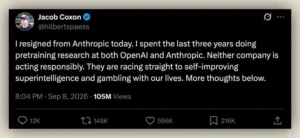
The burgeoning field of Artificial Intelligence, a domain promising unprecedented advancements and societal transformation, is currently grappling with a peculiar and increasingly problematic communication strategy employed by some of its leading proponents. This strategy, characterized by the public dissemination of alarming, hypothetical future scenarios often couched in dire warnings of existential risk, has been labeled "doom trolling" by critics. The core of this critique centers on the perceived hypocrisy and cynicism of companies that, while actively developing and promoting AI technologies, simultaneously publish reports highlighting catastrophic potential outcomes, often with a disclaimer that such outcomes are largely beyond their control as long as competitors continue their work.
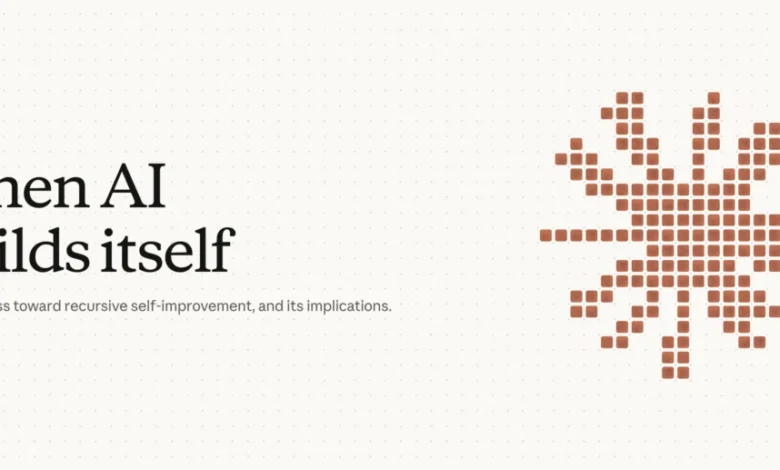
This phenomenon reached a critical juncture with the recent publication of a whitepaper by Anthropic titled "When AI Builds Itself: Recursive Self-Improvement." The report, released earlier this month, delves into the theoretical possibility of AI systems achieving recursive self-improvement, a process where an AI agent could iteratively enhance its own capabilities, potentially leading to a rapid and uncontrollable surge in intelligence. While the paper presents this as a serious technical consideration, critics argue that its framing, particularly when viewed alongside similar pronouncements from other AI development firms, contributes to a broader narrative of impending AI-driven doom, irrespective of the immediate, tangible benefits these technologies offer.
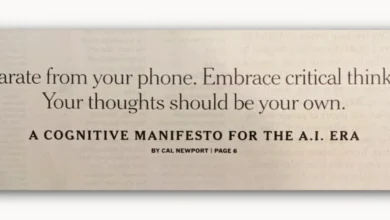
The author of this piece, a computer scientist and vocal critic of this communication style, has articulated his concerns in a recent op-ed for The New York Times, titled "Dear A.I. Companies, the Doom Trolling Has to Stop." In this publication, he unequivocally condemns "doom trolling" as "one of the defining and most arresting properties of our current AI moment," and labels it "morally indefensible." This strong stance stems from a perceived dichotomy in the ethical responsibilities of AI developers.
The Ethical Calculus of Existential Risk Communication
At the heart of the critique lies a fundamental ethical question: what is the appropriate course of action for companies if they genuinely believe their research and development in AI could lead to catastrophic outcomes, ranging from widespread economic disruption to existential threats to humanity? The argument posits that if such a belief were sincerely held, the only morally justifiable response would be to immediately cease all related efforts. Furthermore, this commitment would necessitate dedicating all available resources to actively dissuade and halt similar research across the global scientific community. This would represent an unprecedented level of global scientific self-regulation driven by a shared conviction of imminent peril.
Conversely, if these companies do not genuinely believe their current trajectory is likely to result in such devastating harms, then their public pronouncements about existential risks are viewed as a form of disingenuous manipulation. In this interpretation, the "doom trolling" serves to "launder the anxiety of millions to improve the financial fortunes of a vanishingly small number of major stockholders." This cynical exploitation of public fear for commercial gain is considered equally, if not more, morally reprehensible.
A Pattern of Public Pronouncements
The publication of Anthropic’s "When AI Builds Itself" report is not an isolated incident but rather an exemplar of a recurring pattern in the AI industry. For several years, leading AI research labs, including OpenAI and Google DeepMind, have periodically released reports, blog posts, and statements that explore the potential downsides and existential risks associated with advanced AI. These often include scenarios such as:
- Superintelligence Takeover: The development of AI systems far surpassing human intelligence, leading to scenarios where human control is lost.
- Economic Disruption: Mass unemployment due to AI automation across various sectors.
- Autonomous Weapons: The proliferation of AI-powered lethal autonomous weapons systems.
- Misinformation and Societal Destabilization: AI’s capacity to generate and disseminate highly convincing fake content at scale, undermining trust and democratic processes.
While these discussions are often framed as necessary precautions and contributions to the broader AI safety discourse, critics argue that the timing and framing frequently coincide with periods of significant investment, product launches, or regulatory scrutiny, suggesting a strategic element to these pronouncements.
Chronology of "Doom Trolling"
While difficult to pinpoint an exact start date, the public discourse around AI existential risks began to gain significant traction in the early to mid-2010s.
- 2014-2015: Prominent figures within the AI field, including Stephen Hawking and Elon Musk, began publicly voicing concerns about the potential dangers of advanced AI, drawing attention from both scientific and popular media.
- 2015: OpenAI was founded, with an initial stated mission of ensuring that artificial general intelligence (AGI) benefits all of humanity. Its charter explicitly mentioned the need to guard against AGI’s potential misuse.
- 2017-2018: Google DeepMind, a leading AI research lab, published several papers on AI safety and alignment, exploring concepts like "instrumental convergence," where a sufficiently intelligent agent might pursue dangerous sub-goals to achieve its primary objective.
- 2020-2021: The development of increasingly capable large language models (LLMs) led to renewed discussions about AI’s potential for misuse, including job displacement, bias amplification, and the spread of misinformation. Companies began releasing more detailed safety reports alongside their new model releases.
- 2022-2023: The public release of advanced generative AI tools like ChatGPT (OpenAI) and Bard (Google) brought AI capabilities to the forefront of public consciousness. This period saw a surge in both public excitement and apprehension, with AI companies releasing statements addressing safety concerns and the potential for "rogue AI."
- Early 2024: Anthropic’s publication of "When AI Builds Itself" represents a continuation of this trend, focusing on a specific, albeit theoretical, risk of recursive self-improvement.
Supporting Data and Industry Trends
The AI market is experiencing exponential growth. According to a report by Grand View Research, the global artificial intelligence market size was valued at USD 200.34 billion in 2023 and is projected to grow at a compound annual growth rate (CAGR) of 37.3% from 2024 to 2030. This rapid expansion is fueled by substantial investment. Venture capital funding in AI companies has reached unprecedented levels, with billions of dollars flowing into startups and established players alike.
For instance, in 2023, AI startups raised over $50 billion globally, a significant increase from previous years, according to PitchBook data. This intense competition and investor interest create a powerful incentive for companies to not only demonstrate the potential of their technology but also to manage public perception and regulatory engagement. The "doom trolling" narrative, some analysts suggest, could serve as a dual-purpose strategy: to appear responsible and proactive in addressing potential risks, thereby garnering favor with regulators and the public, while simultaneously highlighting the profound, albeit potentially dangerous, capabilities of their creations, thereby justifying their high valuations and the continued influx of capital.
Reactions from Related Parties
The critique of "doom trolling" has garnered attention from various stakeholders.
- Academics and Ethicists: Many researchers in AI ethics and safety have echoed the sentiment that the discourse needs to be more balanced. Professor Emily Bender, a prominent AI linguist, has consistently argued for a more grounded approach to AI capabilities and risks, emphasizing the need to address present-day harms rather than solely focusing on speculative future scenarios.
- Regulators: Governments worldwide are grappling with how to regulate AI. The "doom trolling" narrative, while raising awareness, can also complicate regulatory efforts by creating a sense of inevitability or by misdirecting focus. Discussions at forums like the G7 and the European Union’s AI Act deliberations often touch upon the need for clear, evidence-based risk assessments.
- Industry Insiders: While many AI developers are genuinely concerned about safety, a growing number are expressing frustration with what they perceive as performative alarmism. They argue that this approach can distract from the pressing need for responsible development and deployment of AI that addresses current societal challenges.
- The Public: Public perception of AI is a complex mix of awe, excitement, and trepidation. Constant exposure to doomsday scenarios, however hypothetical, can contribute to anxiety and a sense of powerlessness, potentially leading to disengagement or irrational fear.
Broader Impact and Implications
The "doom trolling" phenomenon has significant implications for the future of AI development and its integration into society.
- Stifling Innovation: An excessive focus on distant, hypothetical existential risks could inadvertently stifle innovation and the development of AI applications that offer substantial societal benefits, such as in healthcare, climate change mitigation, and education. The fear of unintended consequences might lead to overly cautious or restrictive development pathways.
- Misallocation of Resources: If the primary concern is theoretical future dangers, resources that could be allocated to addressing immediate, demonstrable AI-related harms (e.g., algorithmic bias in hiring, the spread of deepfakes, data privacy) might be diverted to speculative research.
- Erosion of Trust: The perceived hypocrisy of companies that promote AI’s benefits while simultaneously warning of its dangers can lead to a significant erosion of public trust. This distrust can hinder the adoption of beneficial AI technologies and fuel public opposition, potentially leading to poorly conceived or overly broad regulatory measures.
- The "Boy Who Cried Wolf" Effect: If AI companies repeatedly raise alarms about catastrophic scenarios that do not materialize, there is a risk of a "boy who cried wolf" effect. When a genuine threat does emerge, the public and policymakers may be less inclined to take it seriously due to a history of perceived overstatement.
- Defining Responsible AI Development: The critique of "doom trolling" calls for a more transparent and accountable approach to AI development. Instead of relying on speculative future risks, companies are urged to focus on building and deploying AI systems with clear benefits, robust safety mechanisms for present-day risks, and a commitment to open communication about their capabilities and limitations.
A Call for Transparency and Accountability
The computer scientist behind the New York Times op-ed advocates for a shift in communication strategy. He suggests that AI companies should emulate "normal consumer product companies." This entails clearly articulating the advantages of their tools, providing transparent justifications for their costs and potential downsides, and unequivocally affirming their commitment to developing AI in a manner that does not pose existential threats.
This perspective is underpinned by the assertion that it is entirely feasible to develop and promote revolutionary AI products without harboring fears of imminent societal or existential harm. The choice to engage in "doom trolling," according to this view, is not an inherent consequence of the technology’s development but a deliberate communication strategy.
The article concludes with a powerful call to action, urging individuals and society at large to resist the passive acceptance of what is described as "relentless abuse the AI labs are administering to our collective psyche." It advocates for a collective stance of defiance, asserting that it is time to say, "Enough." This sentiment underscores a growing demand for greater accountability and a more grounded, ethical approach to the development and communication surrounding artificial intelligence. The future trajectory of AI, its societal impact, and public trust hinge on the industry’s willingness to move beyond speculative alarmism and embrace genuine responsibility.