For many online retailers, the surge in product returns has evolved from a manageable operational nuisance into a significant threat to long-term profitability. With industry data indicating that nearly one in five online orders is returned, merchants are increasingly pivoting away from blanket policy restrictions—which can alienate loyal customers—toward sophisticated, data-centric strategies. By leveraging internal analytics and behavioral insights, businesses can pinpoint the root causes of returns, ranging from inaccurate product descriptions to fulfillment inefficiencies, and implement targeted solutions that safeguard the bottom line.
The urgency of this issue is underscored by recent financial reporting. According to the Wall Street Journal, industry analysts suggest that reducing ecommerce return rates by even 50% could potentially boost a retailer’s overall profitability by as much as 25%. This shift in focus is timely; the National Retail Federation (NRF) and Happy Returns reported that the ecommerce return rate for 2025 reached 19.3% of total online sales, significantly outpacing the 15.8% return rate observed across broader retail channels. This disparity highlights a structural challenge unique to digital commerce: the inherent uncertainty created by the lack of physical interaction between the consumer and the product prior to purchase.
The Chronology of Retail Returns and Data Evolution
Historically, the retail sector addressed high return rates through reactive measures: tightening return windows, introducing restocking fees, or making the return process intentionally difficult. However, the 2023–2025 period marked a strategic turning point. As consumer expectations for seamless shopping experiences grew, retailers began to recognize that punitive policies were driving churn.

By mid-2025, industry leaders began integrating advanced reporting dashboards into their operations. Platforms like WooCommerce introduced robust analytics suites, allowing merchants to move beyond anecdotal evidence. Instead of relying on guesswork, retailers began mapping refund rates against product performance, seasonal promotional calendars, and supplier changes. This transition from manual spreadsheets to automated, real-time data tracking allowed for the identification of patterns that were previously invisible, such as a sudden spike in returns correlating with a change in packaging materials or a specific third-party logistics provider.
Analyzing the Mechanics of Returns
To effectively mitigate returns, merchants must first categorize the behavior. Data suggests that most returns stem from one of three primary categories: information gaps, fulfillment failures, or opportunistic abuse.
Information gaps occur when the product page fails to bridge the disconnect between the digital image and the physical reality. If a customer receives a product that does not meet their expectations regarding size, compatibility, or utility, the root cause is frequently a lack of granular data on the storefront. Technical products, for example, are highly susceptible to returns when manufacturer specifications, power requirements, or compatibility lists are absent from the product description.
Fulfillment failures represent a separate, operational challenge. If customer feedback repeatedly cites damaged goods, missing components, or incorrect items, the issue is not with the product itself but with the warehouse and logistics pipeline. By cross-referencing support tickets with order history, retailers can identify specific shifts or fulfillment centers that are underperforming.
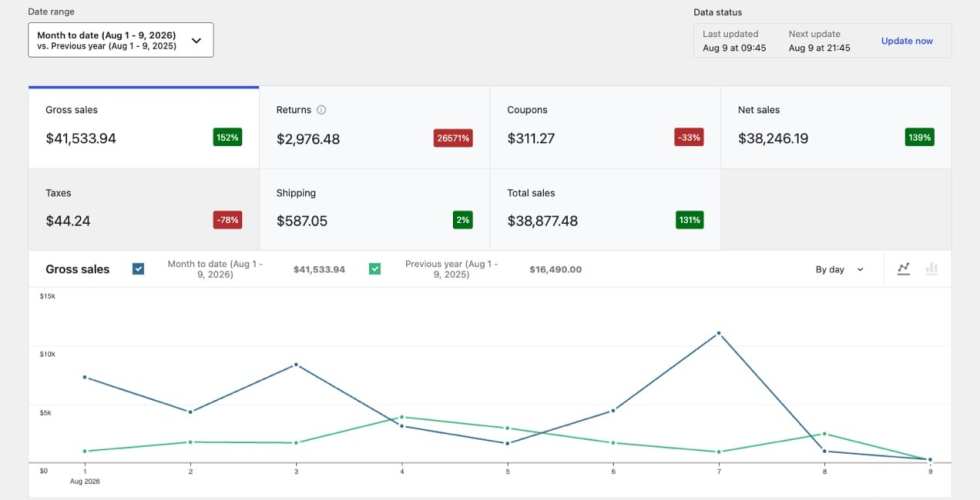
Finally, return abuse—a growing concern for high-volume retailers—requires a nuanced approach. This includes behaviors such as "wardrobing" (using an item once and returning it) or serial returns of high-value goods. Rather than penalizing the entire customer base with restrictive policies, modern retailers are using automated workflows to flag suspicious activity for manual review. Tools like AutomateWoo allow merchants to set triggers based on refund frequency, enabling proactive management without manual intervention.
Strategic Implications for Retailers
The implications of adopting a data-led strategy extend far beyond simple cost reduction. When a retailer uses data to resolve customer friction, they effectively increase customer lifetime value (CLV). By clarifying product descriptions, adding comparative size charts, or including high-definition video demonstrations, the business provides a more confident purchasing environment.
Furthermore, the implementation of dynamic return policies represents a major shift in industry standards. Rather than applying a "one-size-fits-all" return window, sophisticated retailers are beginning to tailor their policies. For instance, a retailer might offer free, expedited returns for high-value, loyal customers, while implementing more stringent requirements for items prone to abuse or products that are prohibitively expensive to ship back. This tiered approach protects the margin without degrading the brand experience.
Practical Implementation: A Framework for Merchants
For businesses looking to operationalize these findings, the path forward involves a structured three-step process:

- Diagnostic Audit: Utilize existing revenue reports to identify the "top offenders"—the specific SKUs responsible for the highest percentage of return costs. Retailers should ask if there was a correlation between a return spike and a specific business event, such as a price change, a new supplier, or a marketing campaign.
- Voice of the Customer (VoC): Data shows where the returns are happening, but customer feedback explains why. Implementing brief, optional post-return surveys allows retailers to gather qualitative data. Questions regarding whether the product arrived as described or if it met specific expectations can provide the missing context for quantitative data.
- Policy Segmentation: Once the data is analyzed, policies should be adjusted to reflect the findings. If a specific product category has a high return rate due to sizing confusion, the solution is not a restrictive return policy, but an improved sizing guide. If the data shows clear patterns of abuse from specific accounts, the policy should be adjusted to require manual approval for those users, while keeping the standard experience frictionless for others.
The Future of Retail Logistics and Data
The reliance on data is set to increase as AI-driven inventory and customer service tools become standard. The ability to distinguish between a customer who is simply unsatisfied and one who is engaging in fraudulent behavior is becoming a core competency for successful ecommerce brands. As the gap between online and offline shopping experiences continues to close, the winners in the marketplace will be those who can interpret their data to prevent returns before they occur.
Ultimately, the goal is to create a transparent, predictable shopping journey. When merchants communicate clear policies, provide comprehensive product information, and respond to operational inefficiencies with precision rather than frustration, they build a resilient model that can withstand the pressures of modern retail. By shifting from a defensive stance on returns to an analytical, proactive one, retailers can turn a significant operational cost into a competitive advantage.