The Essential Guide to Strategic Landing Page Design and Conversion Optimization for Modern E-Commerce Growth


The global e-commerce landscape has reached a critical inflection point where the mere presence of a digital storefront is no longer sufficient to guarantee commercial success. As consumer attention spans continue to dwindle and the cost of customer acquisition rises, the strategic implementation of high-performing landing pages has emerged as a cornerstone of digital marketing. Industry data suggests that there is no universal formula for the perfect landing page; rather, converting visitors into customers is an iterative process that must account for specific demographic needs, behavioral patterns, and the streamlining of the purchase path. Whether utilizing free page builders, premium themes, or custom-coded solutions, modern landing pages must be engaging, user-friendly, and meticulously optimized for conversion to survive in an increasingly competitive marketplace.
The Strategic Role of the Landing Page in Digital Sales Funnels
A landing page is defined by its singular focus, designed specifically to encourage visitors toward a predefined action. Unlike standard homepages or category pages, a dedicated landing page eliminates traditional distractions—such as complex headers, footers, expansive navigation menus, and outbound links—to ensure the visitor remains focused on a specific product or offer. This architectural simplicity is intended to facilitate a powerful first impression, utilizing a clear value proposition and compelling visual cues to hold a prospective customer’s attention.

The versatility of landing pages allows for their application across a diverse range of sectors, including physical goods, digital subscriptions, membership programs, and educational courses. Furthermore, they serve as the primary engine for lead generation funnels, transforming anonymous traffic from social media ads or search engines into qualified leads. As the digital economy evolves, the integration of platforms like WordPress and WooCommerce has democratized access to sophisticated design tools, allowing businesses of all sizes to deploy landing pages that were once the exclusive domain of enterprise-level corporations.
Historical Evolution and the Shift Toward Intent-Based Shopping
The transition from multi-purpose websites to single-focus landing pages reflects a broader shift in consumer behavior. In the early 2000s, digital marketing focused on "browsing" models where users were expected to navigate through complex site hierarchies. However, the rise of mobile browsing and the "on-demand" economy have shifted the paradigm toward "intent-based" shopping. Today’s consumers often arrive at a site with a specific solution in mind, prompted by a targeted advertisement or a social media referral.
To meet this demand, the chronology of web design has moved from static HTML pages to dynamic, block-based environments. The introduction of the WordPress block editor and the modularity of WooCommerce extensions have allowed for a more agile approach to design. This evolution ensures that the landing page is not a static asset but a living component of the marketing strategy that can be adjusted in real-time based on performance data.

The Anatomy of a High-Conversion Landing Page
Technical experts and marketing analysts identify several key features that constitute a successful landing page design. These elements work in tandem to reduce friction and guide the user through the psychological stages of the "AIDA" (Attention, Interest, Desire, Action) model.
1. The Critical Hero Section
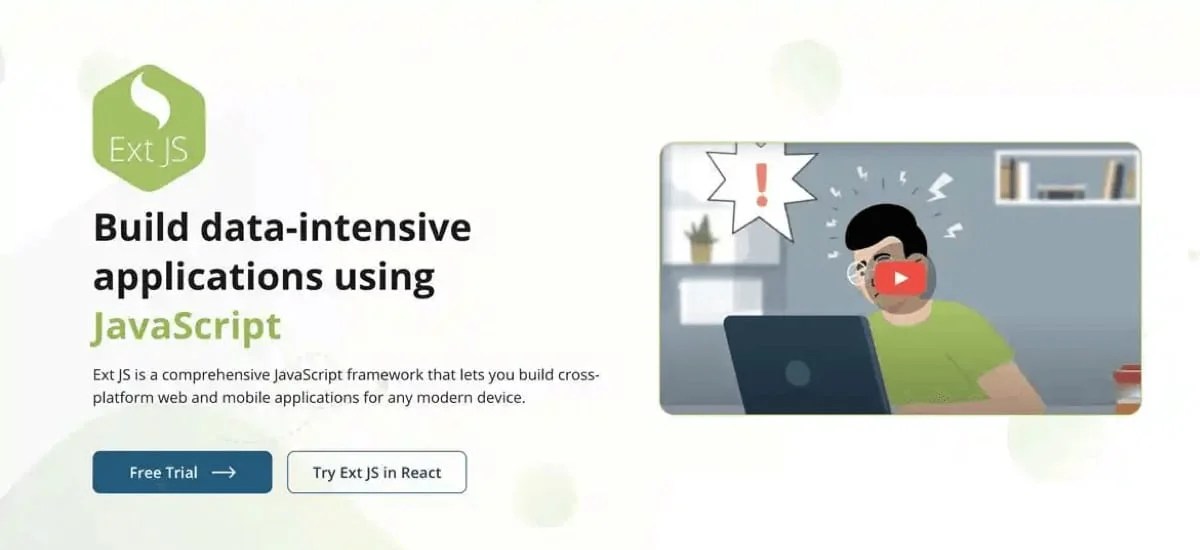
The hero section represents the "above-the-fold" real estate—the first section viewable without scrolling. It serves as a visually engaging executive summary of the offering. A robust hero section typically includes a clear product logo, a concise headline, a synopsis of the value proposition, and an immediate call to action (CTA). For example, the software company Sencha utilizes its Ext JS landing page hero section to provide a clear headline and a brief video demonstration, immediately followed by two distinct CTA buttons for free trials. This approach captures high-intent leads as soon as the page loads, minimizing the steps required for conversion.
2. Layout Integrity and Brand Consistency
A clean, branded layout is essential for maintaining professional credibility. Industry standards dictate that landing pages should be free from clutter, such as excessive text or unnecessary image grids. Distractions like search bars or links to unrelated products can dilute the page’s effectiveness. Consistency in typography, color palettes, and brand voice ensures that the landing page feels like an extension of the broader brand identity, fostering trust.
3. Responsive Design and Cross-Device Compatibility
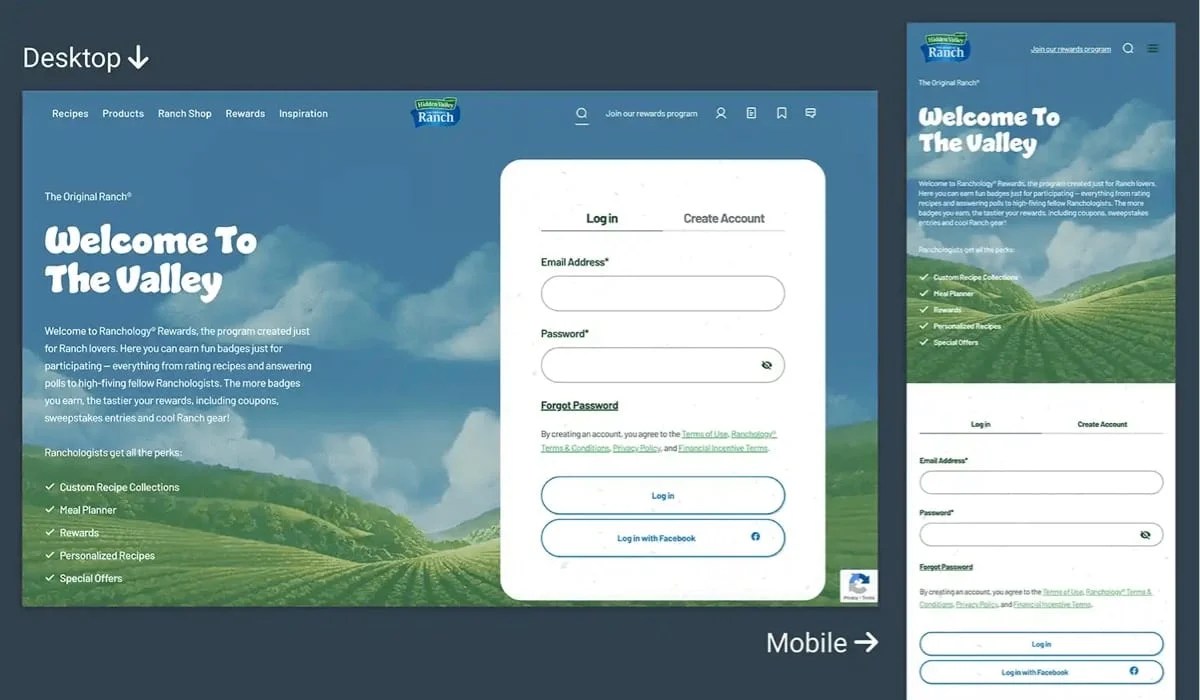
With mobile devices accounting for over 50% of global web traffic, responsive design is no longer optional. A landing page must automatically adjust its content and layout based on the device’s screen width. Professional themes within the WooCommerce Marketplace often include built-in responsiveness, but custom solutions require rigorous testing to ensure that elements like image carousels and heading sizes remain legible and functional on smaller screens.
4. Visual Communication and Interactive Elements
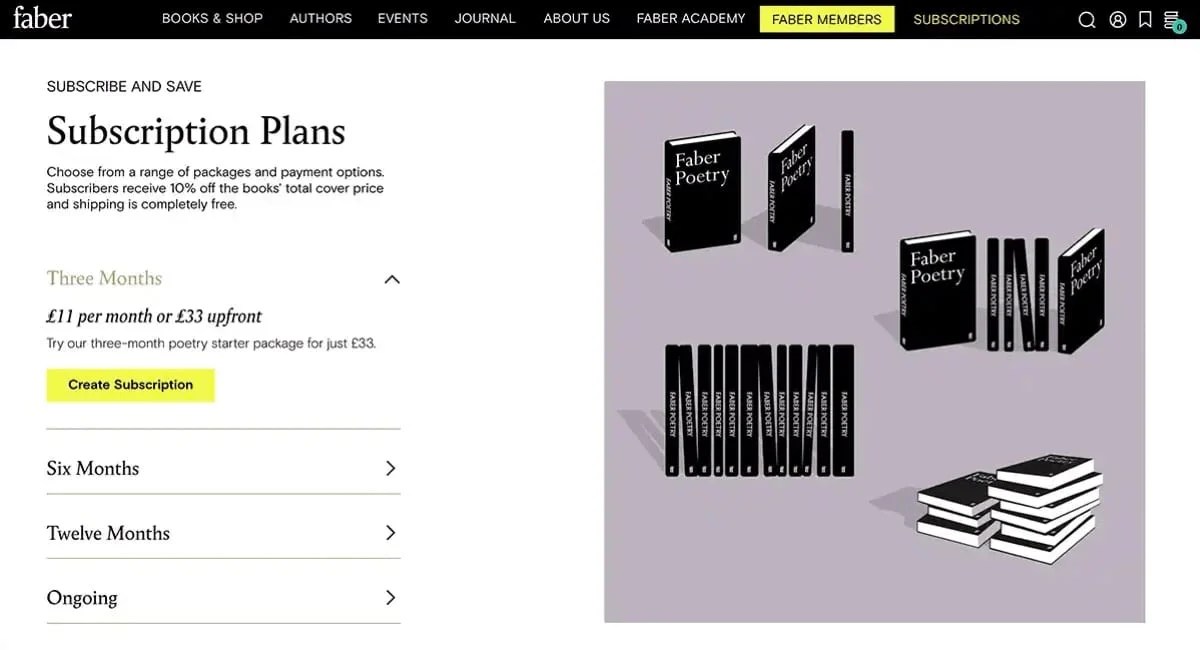
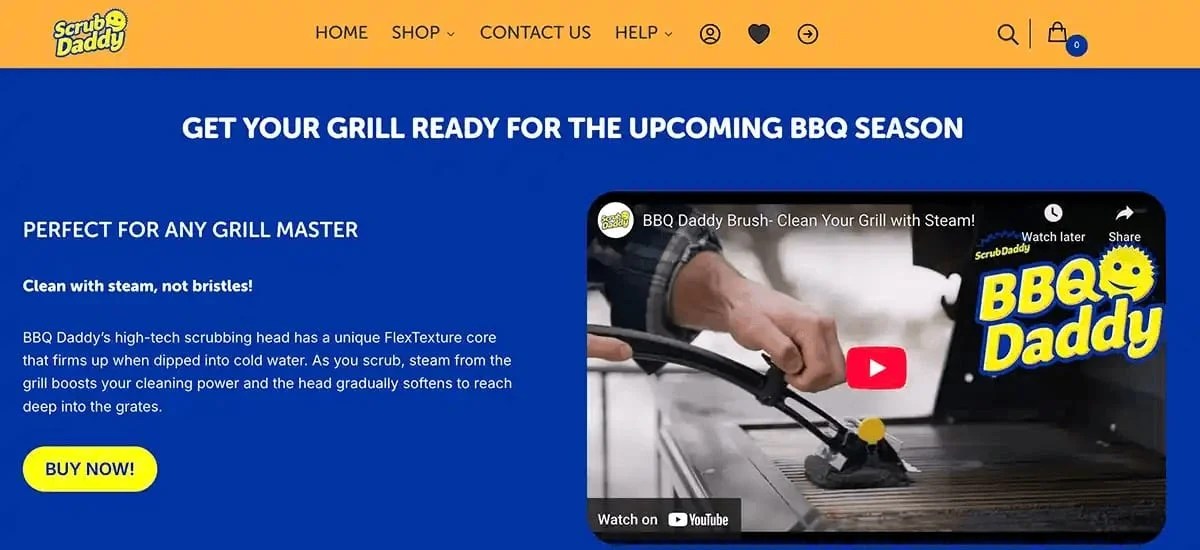
High-quality photography and video content are paramount. Product demonstration videos, typically ranging from 30 seconds to two minutes, help potential buyers understand the utility of an item more effectively than text alone. Additionally, interactive elements such as accordions, before-and-after sliders, and directional icons (like chevrons or arrows) can guide the user’s journey without overwhelming the visual space.
5. Singular Focus and Action-Oriented Language
The "Paradox of Choice" suggests that offering too many options can lead to buyer indecision. Effective landing pages limit offerings to two or three variations at most. CTA buttons must utilize action-oriented language—such as "Get Started" or "Claim Your Free Trial"—and should be strategically placed at the top, middle, and bottom of the page to ensure accessibility at any point in the user’s scrolling journey.
Psychological Triggers: Social Proof and Security
In a digital environment characterized by skepticism, social proof and security signals are vital for overcoming "conversion anxiety."
The Power of Social Proof
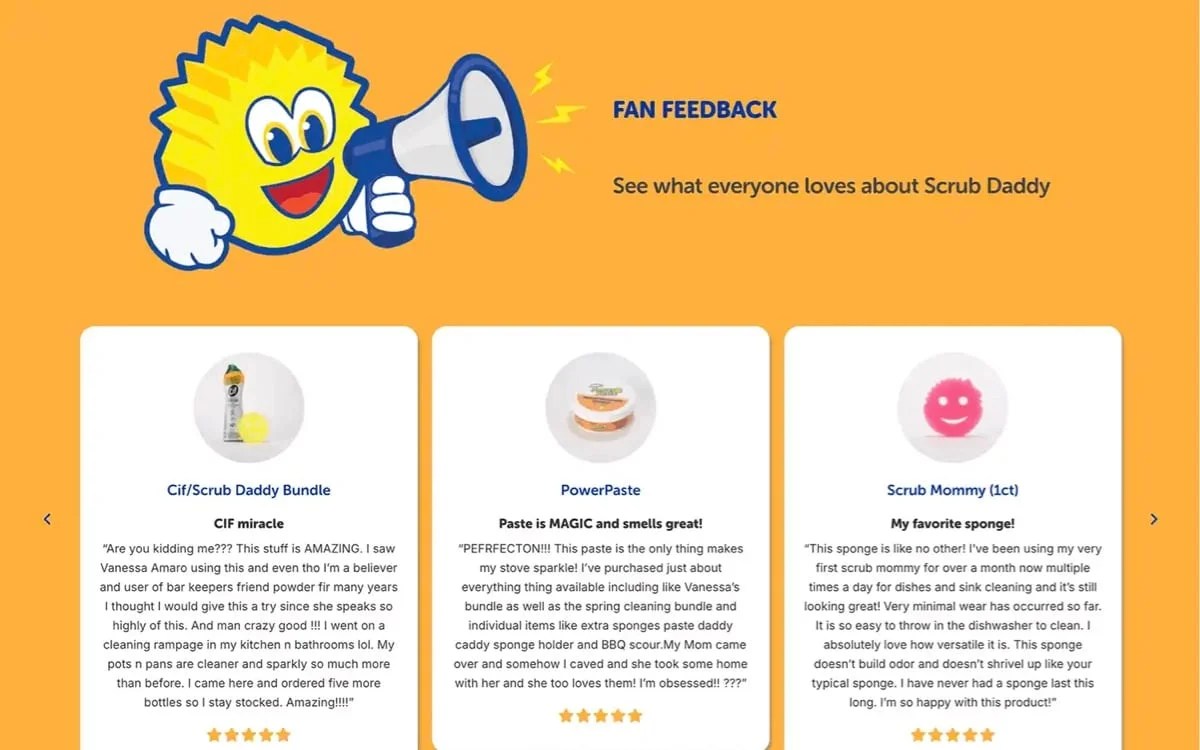
Shoppers are significantly more likely to convert if they see evidence of satisfaction from their peers. Successful landing pages incorporate customer testimonials, star ratings, and "as seen in" media logos. Data-driven social proof, such as "over 10,000 units sold," provides a quantitative basis for trust. Verification badges, such as those provided by WooCommerce Product Reviews Pro, ensure that reviews are authenticated, further bolstering credibility.
Establishing a Secure Shopping Experience
Cart abandonment remains a significant challenge for e-commerce, with uncertainty regarding payment security cited as a primary cause. To combat this, landing pages must be served over SSL and adhere to PCI-DSS compliance and international privacy laws like GDPR and CCPA. The inclusion of trusted payment gateway logos—such as Stripe, PayPal, and Apple Pay—provides visual reassurance. Experts recommend using clear messaging regarding encryption and privacy policies, though they caution against "over-badging," which can inadvertently trigger suspicion if it appears cluttered.
Performance Metrics and Technical Optimization
The technical performance of a landing page is directly correlated with its conversion rate. Google’s research indicates that as page load time goes from one second to three seconds, the probability of a bounce increases by 32%.
Strategies for Enhancing Page Speed
To maintain a load time of under two seconds, developers should:
- Optimize and compress all images to reduce file size without sacrificing quality.
- Utilize Content Delivery Networks (CDNs) like Jetpack or Cloudflare to serve content from servers closest to the user.
- Implement lazy loading for images and videos.
- Minify CSS and JavaScript files to streamline code execution.
- Choose high-performance hosting providers capable of handling traffic spikes.
Case Studies in Landing Page Excellence
An analysis of successful implementations provides valuable insights into diverse strategic approaches.
Francis Ford Coppola Winery: The Personalized Approach
The Francis Ford Coppola Winery utilizes a concise landing page for its Corporate Gifting program. The design focuses on high-quality imagery of premium packaging, followed immediately by a "Contact Us" CTA. This strategy acknowledges that corporate gifting often requires a human touch and a personalized connection, rather than a simple "Add to Cart" function. By keeping the page short and focused on direct communication, the brand facilitates a high-touch sales process.
Nutribullet: Streamlined Benefits
Nutribullet’s rewards program landing page demonstrates the power of brevity. Rather than relying on long-form copy, the page uses a tidy list of benefits and a clear two-option CTA (Join Now or Sign In). By repeating the "Join Now" button at the end of each section, the brand ensures that the user is never more than a click away from the desired action.
Implementation, Testing, and Continuous Improvement
The development of a landing page is merely the beginning of the conversion cycle. Continuous optimization through A/B testing and usability analysis is required to maintain peak performance.
A/B Testing Frameworks
A/B testing involves comparing two versions of a page to see which performs better. Elements such as headlines, CTA colors, and hero images are varied one at a time to identify their specific impact on user behavior. Tools like Nelio A/B Testing allow WordPress users to manage these experiments directly from their dashboard, providing a data-driven path to improvement.
Usability and Heat Mapping
Software such as Hotjar and Crazy Egg provides heat maps and session recordings, revealing exactly where users click and where they lose interest. These tools highlight "friction points"—such as confusing navigation or unresponsiveness—that might not be apparent through traditional analytics alone.
Broader Impact and Future Outlook
The integration of AI-assisted tools, such as Kestrel AI for WooCommerce, represents the next frontier in landing page design. These tools allow for real-time customer service through chatbots, answering questions instantly to prevent potential customers from leaving the page. As machine learning becomes more sophisticated, we can expect landing pages to become increasingly personalized, dynamically adjusting content based on the individual visitor’s past behavior and preferences.
Ultimately, high-performing landing page design is an intersection of art, psychology, and technical precision. By prioritizing a single focus, leveraging social proof, and ensuring rapid load times, businesses can transform their digital presence into a highly efficient conversion engine. As the e-commerce sector continues to expand, those who master the nuances of strategic landing page design will be best positioned to capture and retain market share in the digital-first economy.