Shopify vs. BigCommerce: A Comprehensive Comparison of E-commerce Giants for 2024 and Beyond

The global e-commerce landscape has undergone a seismic shift over the last decade, evolving from a supplementary sales channel into a $6.3 trillion industry as of 2024. At the heart of this digital revolution are two software-as-a-service (SaaS) titans: Shopify and BigCommerce. While both platforms provide the essential infrastructure for digital storefronts, they represent diverging philosophies in software architecture and business scaling. Shopify has long positioned itself as the most accessible "all-in-one" solution for entrepreneurs, while BigCommerce has carved a niche as a robust, feature-rich platform designed for high-growth enterprises and complex retail operations.
A Chronological Overview of Market Evolution
To understand the current rivalry between Shopify and BigCommerce, one must examine their historical trajectories. Shopify was founded in 2004 in Ottawa, Canada, by Tobias Lütke and Scott Lake, originally as an online store for snowboarding equipment. Dissatisfied with the existing e-commerce tools, Lütke, a programmer by trade, built his own. By 2006, the platform was launched to the public, eventually going public in 2015. Shopify’s growth was fueled by the "democratization of retail," making it possible for individuals with zero coding knowledge to launch a professional store in hours.
BigCommerce followed a different path. Founded in 2009 in Sydney, Australia, by Eddie Machaalani and Mitchell Harper, the company was built from the ground up to solve the limitations of existing enterprise software. From its inception, BigCommerce focused on "Open SaaS"—a hybrid model that provides the ease of a hosted platform with the flexibility of open-source software via extensive APIs. This strategic focus allowed BigCommerce to attract mid-market and enterprise-level clients who required more "out-of-the-box" functionality than Shopify’s basic plans initially offered.

User Experience and Accessibility: The Learning Curve
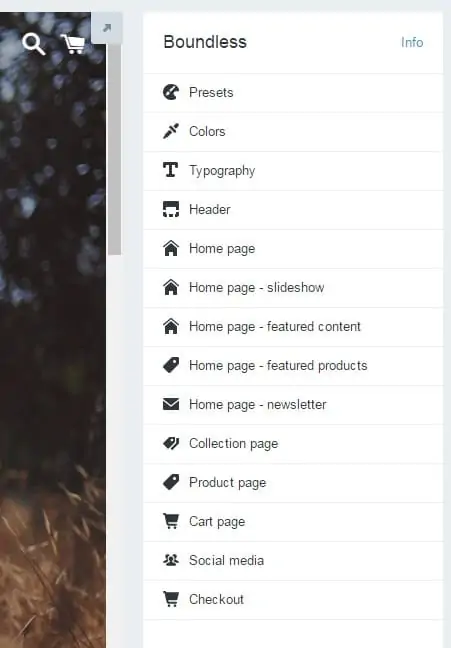
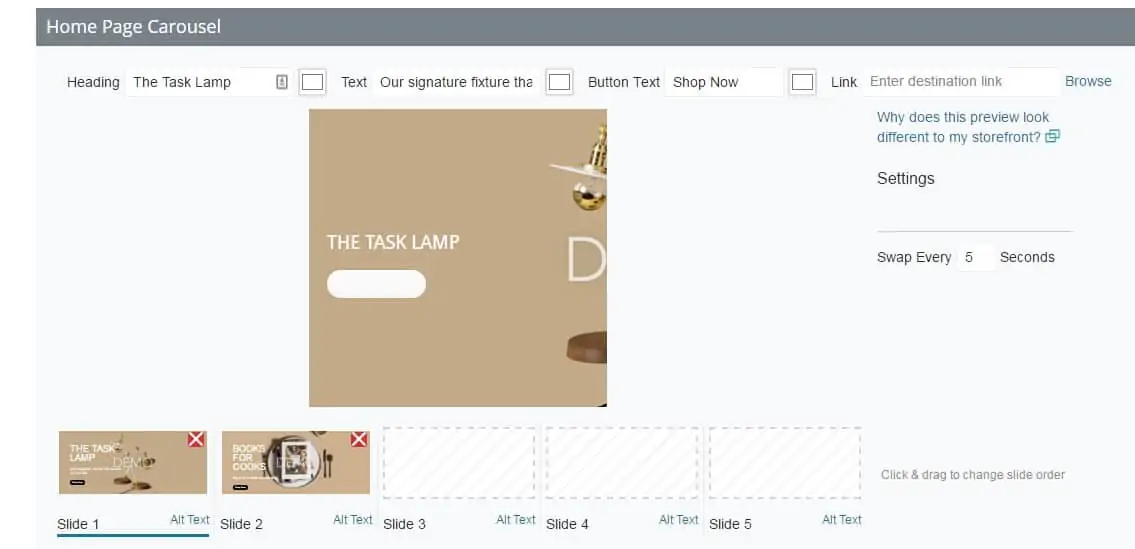
Shopify is widely regarded as the gold standard for user-friendly design. Its administrative dashboard is characterized by a clean, intuitive interface that mirrors modern social media platforms. The "drag-and-drop" theme editor allows users to visualize changes in real-time, significantly lowering the barrier to entry for small business owners. Furthermore, Shopify provides a suite of "helper tools," including a business name generator, logo maker, and various invoice templates, which streamline the administrative burdens of a startup.
Conversely, BigCommerce presents a steeper learning curve. While its dashboard is organized logically, the platform provides a significantly higher volume of built-in features, which can be overwhelming for a novice. However, industry analysts argue that this complexity is a byproduct of power. Where Shopify often requires the installation of third-party apps to handle complex product variants or advanced SEO, BigCommerce includes these features in its core engine. For a sophisticated retailer, the time spent learning the platform often yields a more powerful, integrated management experience.
Design Flexibility and Technical Architecture
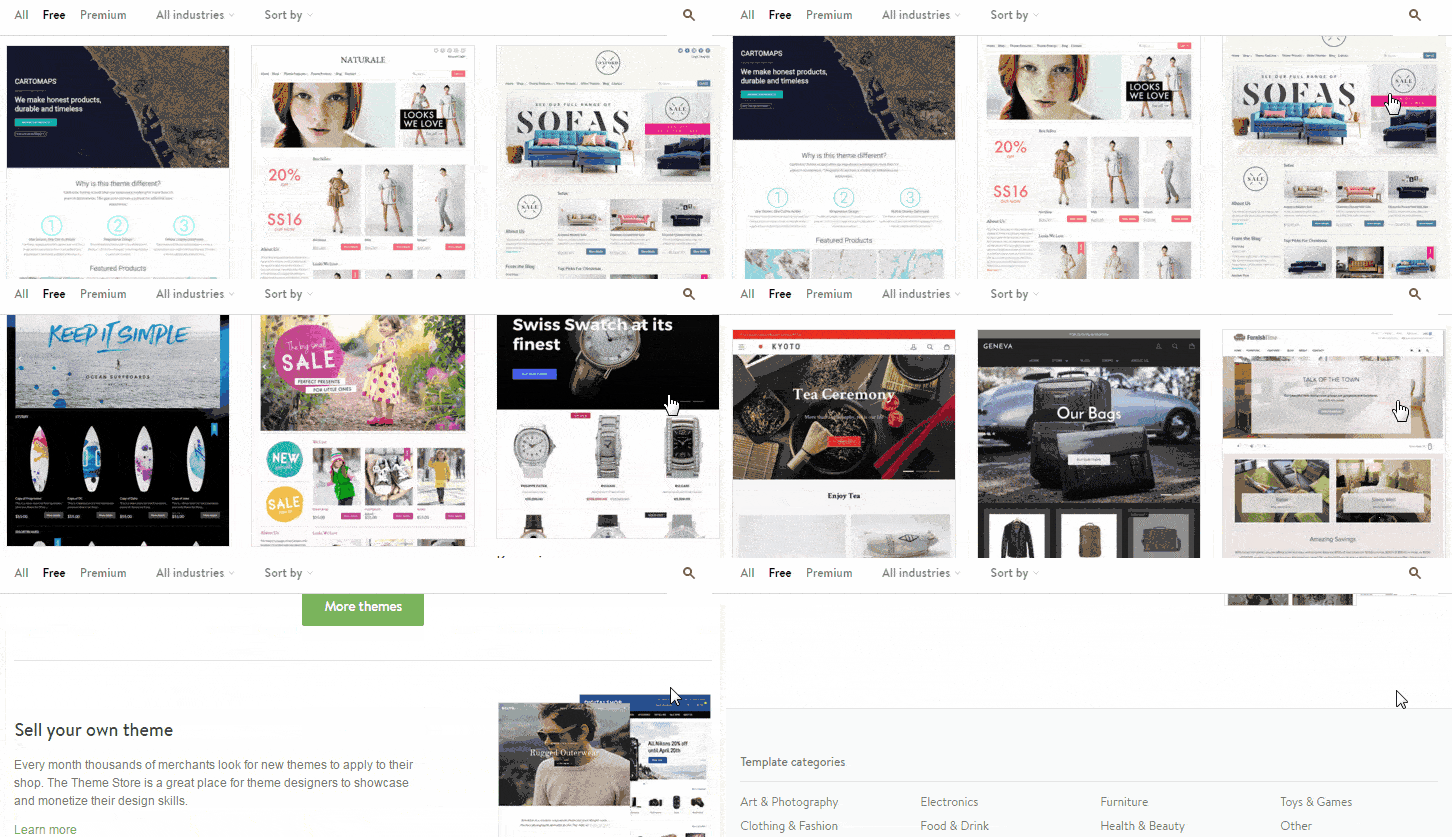
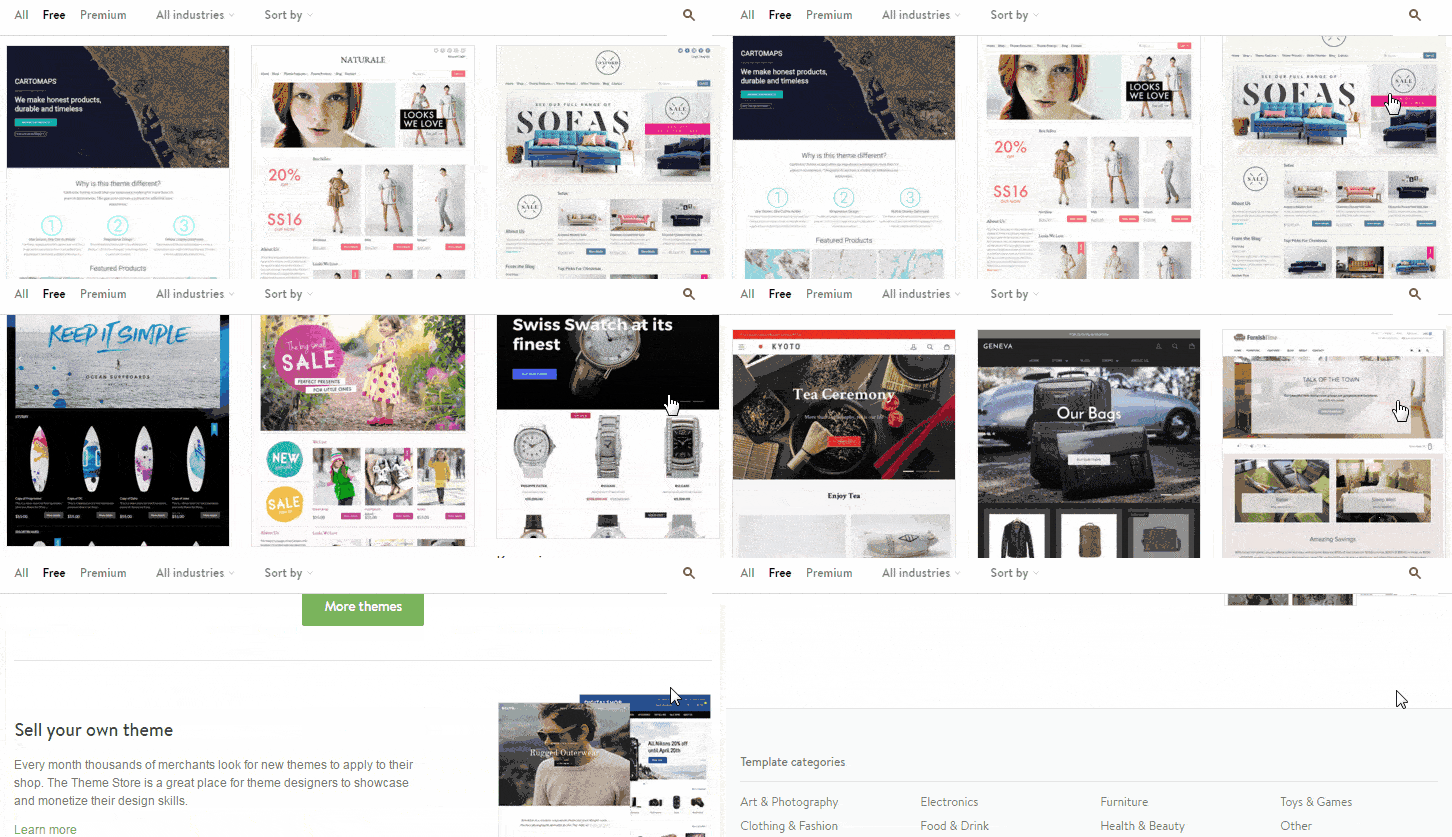
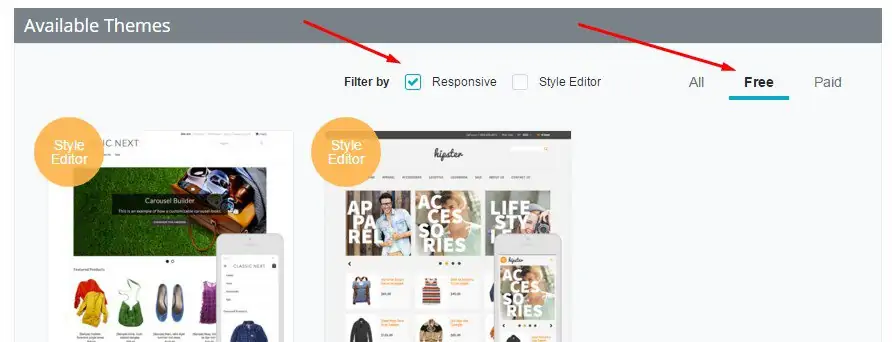
The aesthetic appeal of an online store is a primary driver of conversion rates. Shopify’s Theme Store offers over 100 professionally designed templates, of which approximately 20 are free. All themes are mobile-responsive and built using Liquid, Shopify’s proprietary open-source template language. For developers, the Shopify CLI (Command Line Interface) and support for JavaScript allow for deep customization, including the ability to modify the checkout experience—a feature previously reserved only for high-tier Shopify Plus users.
BigCommerce utilizes the "Stencil" framework, which employs the Handlebars templating language. This architecture is designed for performance and speed, allowing developers to create highly customized storefronts without sacrificing load times. One of BigCommerce’s most significant advantages in design is its "Open SaaS" philosophy. Developers have full access to CSS and HTML files across all plans. Furthermore, BigCommerce provides the Akamai Image Manager, an automated tool that optimizes image sizes across all devices, ensuring that high-resolution product photography does not degrade site performance.

Product Management and Inventory Logistics
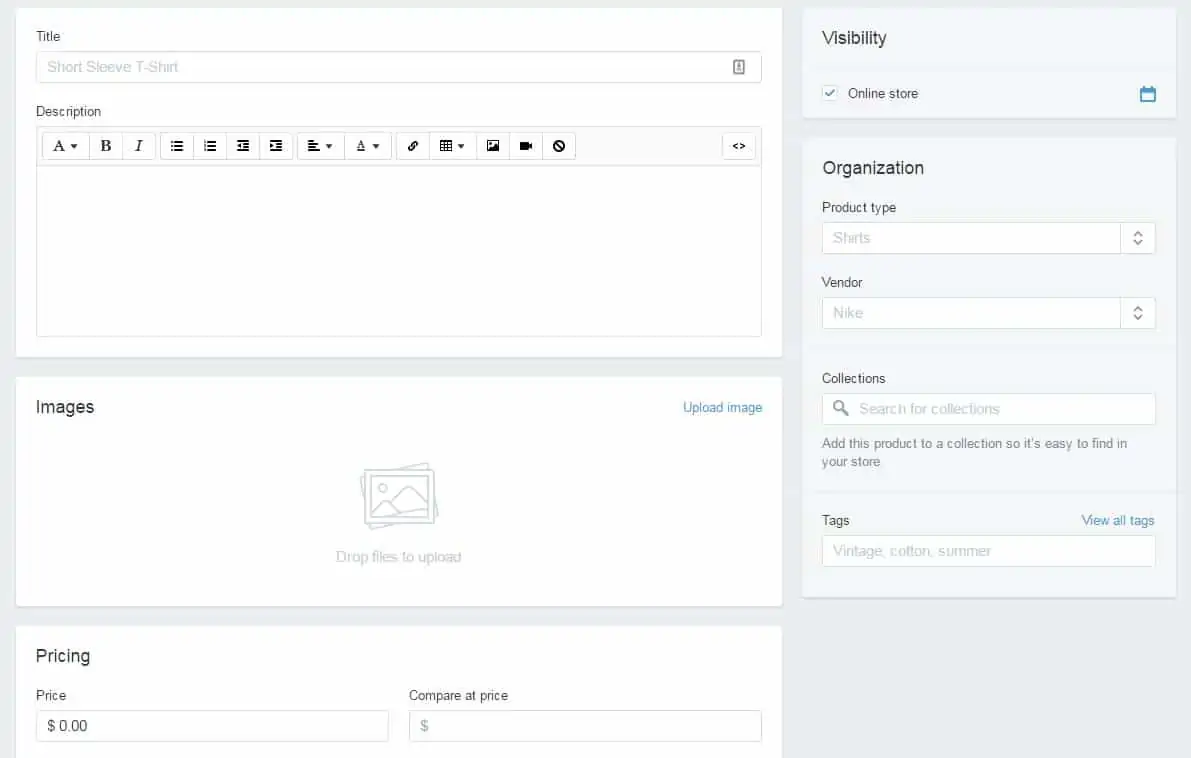
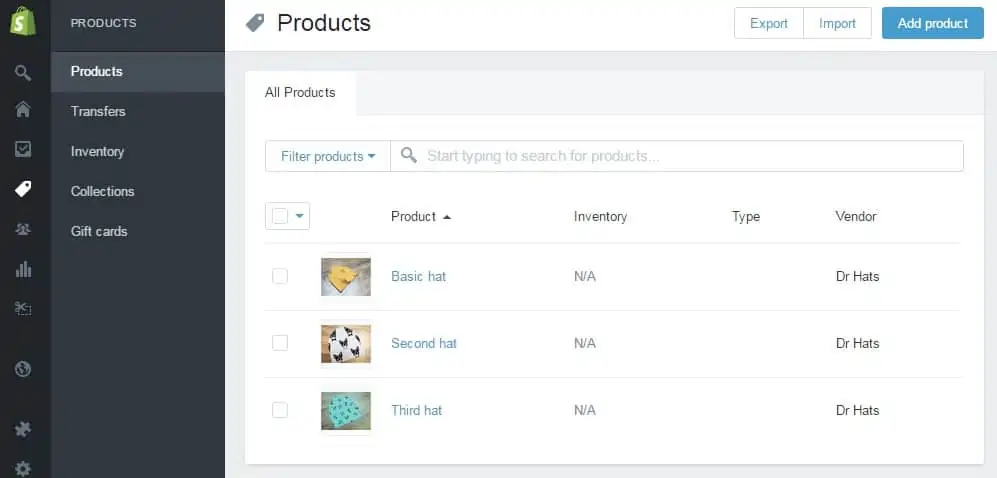
Operational efficiency is where these two platforms diverge most sharply in their technical execution. Adding products on Shopify is a streamlined process; it handles basic categorization, inventory tracking, and shipping logistics with ease. However, Shopify limits product variants to 100 per item and three total options (e.g., size, color, material). While this suffices for most retailers, it can be a bottleneck for brands with complex inventories, such as custom furniture or technical apparel.
BigCommerce is engineered for high-volume, complex catalogs. It allows for up to 600 variants per product and 250 options. This capability makes it the preferred choice for wholesalers and B2B (business-to-business) merchants. Furthermore, BigCommerce offers a unique "Quick Search" feature within its product management table, and the ability to feature products on the homepage with a single click—a minor but impactful UI choice that enhances daily productivity for store managers.

Scalability: Shopify Plus vs. BigCommerce Enterprise
As a business grows, its technical requirements shift from "launching" to "scaling." Shopify Plus is the platform’s enterprise solution, used by global brands like Tesla, Red Bull, and Gymshark. It offers unlimited bandwidth, dedicated support, and advanced automation tools like Shopify Flow and Launchpad. A key technological pillar of Shopify is its global Content Delivery Network (CDN), which ensures high uptime and rapid load speeds even during massive traffic spikes like Black Friday.
BigCommerce Enterprise competes directly with Shopify Plus, utilizing Google Cloud Platform’s multi-regional hosting to provide 99.99% average uptime. Data from research firm Ipsos indicates that BigCommerce merchants grow at approximately 28% year-over-year, nearly double the industry average. This growth is often attributed to the platform’s "native" features—such as multi-currency support and faceted search—which are built into the platform rather than added via apps. This reduces the "app bloat" that can sometimes slow down a growing Shopify store.
The Fiscal Reality: Pricing and Total Cost of Ownership
Pricing for both platforms is tiered, but the long-term costs vary based on sales volume and payment processing.
Shopify Pricing Model:
- Basic: $29/month
- Shopify: $79/month
- Advanced: $299/month
- Shopify Plus: Starts at $2,000/month
Shopify’s most controversial fiscal policy is its transaction fee for users who do not utilize "Shopify Payments." If a merchant uses an external gateway like PayPal or Authorize.net, Shopify charges an additional fee ranging from 0.5% to 2% per transaction.
BigCommerce Pricing Model:
- Standard: $29.95/month
- Plus: $79.95/month
- Pro: $299/month
- Enterprise: Custom pricing
BigCommerce does not charge transaction fees on any plan, regardless of the payment gateway used. However, it implements "Sales Caps." If a merchant exceeds a certain annual revenue (e.g., $50,000 for the Standard plan), they are automatically upgraded to the next pricing tier. This creates a more predictable cost structure for high-margin businesses but can be a surprise expense for high-revenue, low-margin operations.
Search Engine Optimization and Global Reach
In the realm of Search Engine Optimization (SEO), BigCommerce is often cited by technical experts as the superior platform. It provides more control over URL structures, allowing for shorter, cleaner permalinks that are favored by Google’s algorithms. Additionally, BigCommerce supports Google AMP (Accelerated Mobile Pages) natively, which can significantly improve mobile search rankings.
Shopify’s SEO capabilities are robust but more rigid. For instance, Shopify enforces a specific URL structure (e.g., /products/product-name), which cannot be changed. While this is rarely a dealbreaker for most businesses, it is a point of contention for SEO purists. However, Shopify excels in "Social Commerce," offering seamless integrations with Instagram, TikTok, and YouTube, allowing brands to turn their social presence into a direct sales funnel.
Broader Impact and Industry Implications
The competition between Shopify and BigCommerce has broader implications for the future of the internet. Shopify’s massive app ecosystem—featuring over 8,000 third-party applications—has created a secondary economy for developers. This "app-first" approach encourages innovation, as developers constantly create new tools for marketing, loyalty programs, and logistics.
BigCommerce, by contrast, is leading the charge toward "Headless Commerce." This architecture decouples the front-end presentation layer from the back-end commerce engine. This allows a business to use a highly specialized Content Management System (CMS) like WordPress or Contentful for their blog and front-end design, while using BigCommerce to handle the checkout and inventory. This flexibility is increasingly becoming the standard for enterprise-level digital strategy.
Final Synthesis: Which Solution Prevails?
Choosing between Shopify and BigCommerce is not a matter of identifying which platform is objectively "better," but rather which aligns with a business’s specific DNA.
Shopify remains the undisputed leader for businesses that prioritize speed to market, ease of use, and a vibrant community of designers and developers. It is the ideal solution for "lifestyle brands" and entrepreneurs who want to focus on marketing and brand-building rather than technical infrastructure.
BigCommerce is the strategic choice for businesses with complex operational needs, large product catalogs, and a desire for deep technical control without the burden of self-hosting. Its lack of transaction fees and emphasis on native functionality make it a powerful tool for serious retailers aiming for global expansion.
As e-commerce continues to integrate with physical retail through Point of Sale (POS) systems and omnichannel strategies, both platforms are investing heavily in hybrid solutions. The decision ultimately rests on a simple question: Does the merchant want a platform that grows with them through a modular app ecosystem (Shopify), or a platform that provides a comprehensive, enterprise-grade toolkit from day one (BigCommerce)? In the current competitive climate, both platforms have proven they can support the journey from a garage startup to a global powerhouse.
Related posts: