The rapid integration of Large Language Models (LLMs) into the professional workspace has fundamentally altered the mechanics of content creation, yet a significant performance gap remains between initial machine output and high-quality deliverables. Industry data suggests that while the vast majority of professionals now utilize generative AI tools for drafting correspondence, reports, and marketing collateral, user satisfaction often plateaus after the first interaction. This phenomenon, frequently cited by productivity analysts as the "single-prompt trap," reflects a misunderstanding of the collaborative relationship between human intuition and machine-generated data.
The Anatomy of the First-Prompt Fallacy
When a user submits a prompt to an LLM, the resulting output typically provides a structured, linguistically coherent response that captures the primary objective. However, this initial draft often lacks the nuanced voice, proprietary data, and strategic intent necessary for professional execution. By treating the first generation as a final product, users inadvertently produce generic content that fails to resonate with specific audiences.
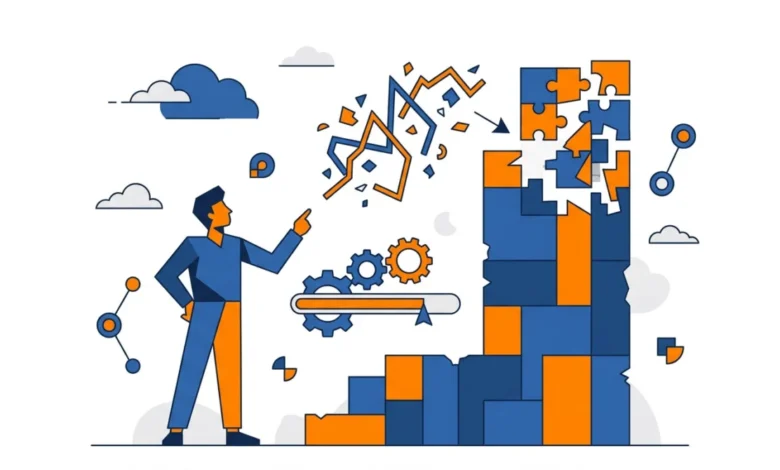
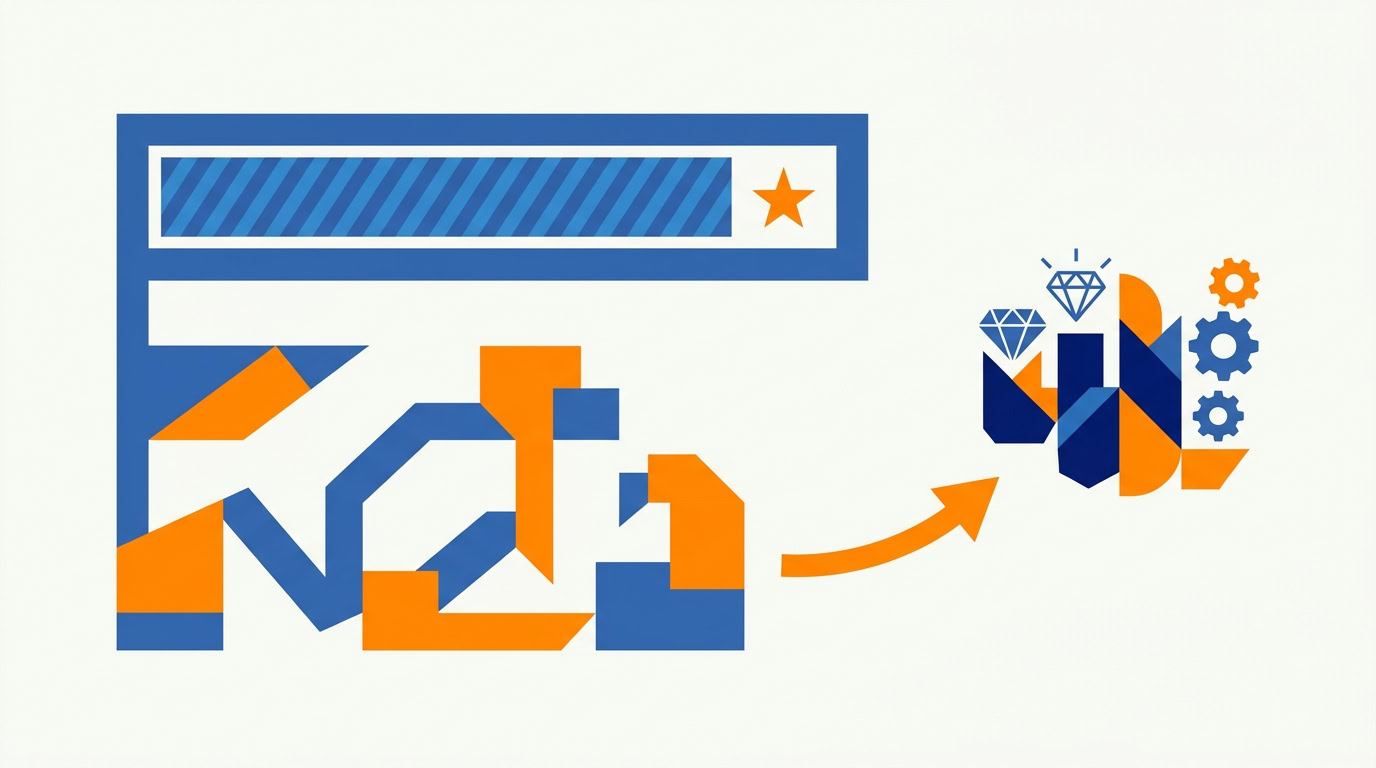
Statistical analysis of user interaction patterns reveals that the most effective outputs occur after a minimum of three iterative prompts. The first pass serves as a foundational "block of stone," providing the raw structure. The second pass addresses structural integrity and tone alignment, while the third pass focuses on granular refinement, injecting the idiosyncratic vocabulary and stylistic markers that define an individual’s or brand’s unique identity. This iterative process shifts the role of the user from a passive typist to a creative director, leveraging the AI as a high-speed drafting tool rather than an autonomous author.
Chronology of AI Adoption in the Workplace
The trajectory of AI adoption in corporate environments can be categorized into three distinct phases. Between 2022 and early 2023, the focus was on discovery, as professionals experimented with the novelty of generative text. Mid-2023 saw a transition toward integration, where companies began implementing tools like ChatGPT, Claude, and Notion AI into standard workflows. The current phase, beginning in late 2024, is defined by optimization—moving away from basic usage toward sophisticated "prompt engineering" and process integration.
The failure to progress through these stages results in "tool fatigue," where professionals abandon AI after finding the initial output unsatisfactory. Analysts argue that the problem is rarely the technology itself, but rather the workflow surrounding it. When an employee attempts to use a tool like an LLM to replace the entire creative process rather than augmenting a specific task, the result is inevitably a loss of authenticity.
Empirical Productivity Gains
Case studies in workplace efficiency indicate that iterative prompting can reduce the time spent on repetitive tasks by up to 90%. A standard email drafting process that traditionally occupies 15 minutes of an employee’s time can be reduced to approximately 30 seconds of high-quality generation, provided the user follows a refined, multi-pass workflow.
Furthermore, the integration of specialized tools has created a bifurcation in utility. While general-purpose LLMs excel at creative drafting, research-oriented platforms such as Perplexity AI have emerged to bridge the gap between static text generation and real-time information retrieval. By incorporating live internet searches and verified citations, these platforms allow users to synthesize complex comparative data—such as product specifications or market trends—in seconds, a task that would otherwise require hours of manual web navigation.
Strategic Implementation: The Workflow Integration Model
Industry experts suggest that the most successful organizations are those that do not force employees to overhaul their existing workflows. Instead, these organizations encourage the adoption of AI within established frameworks. For instance, the "Analog Bridge" technique—capturing handwritten notes and utilizing optical character recognition (OCR) or AI transcription to digitize and index that information—preserves the cognitive benefits of tactile note-taking while gaining the efficiency of searchable digital databases.
Moreover, the conversion of legacy training materials into Standard Operating Procedures (SOPs) represents one of the most high-value applications of current generative technology. Organizations that have transitioned from manual documentation to AI-assisted SOP generation report a significant decrease in knowledge silos. By uploading raw meeting transcripts or training recordings and prompting the AI to structure the content into standardized formats, teams can create consistent, accessible resources in a fraction of the time previously required.
Expert Perspectives on Digital Proficiency
The consensus among technology consultants is that mastery of a single platform is superior to a superficial understanding of many. As the underlying logic of large language models becomes standardized, the ability to communicate effectively with a machine—the "prompting competency"—becomes a transferable skill. Whether a professional utilizes Microsoft Copilot, Claude, or ChatGPT, the objective remains the same: to refine the output until it meets a high-fidelity standard.
"The objective is not to replace human intellect but to accelerate the execution of intent," states one productivity researcher. "When a user treats the AI as a partner in a task they already understand deeply, they are no longer just ‘prompting’; they are supervising a digital assistant that operates at the speed of thought."
Broader Implications and Future Outlook
The broader implications of this shift are twofold. First, there is an increasing demand for "AI literacy," where the focus is not on coding or technical development, but on the ability to curate, edit, and verify information. Second, the value of human labor is migrating toward the "creative direction" end of the spectrum. As the cost of generating text approaches zero, the value of the human input—the strategic intent, the ethical oversight, and the unique brand voice—increases.
Organizations that ignore this paradigm shift risk falling behind in operational speed. However, those that implement these tools without a structured approach risk the dilution of their intellectual output. The recommendation for professionals is clear: select one primary tool, commit to a consistent, iterative workflow, and treat the initial AI draft as a starting point rather than a destination.
Verification and Ethical Considerations
While the speed of AI is a primary selling point, it introduces risks regarding accuracy, particularly in high-stakes environments. The integration of live-internet-enabled models has mitigated some of these concerns by providing source citations, yet the principle of "trust but verify" remains paramount. For professionals, the responsibility for the final output remains with the human author. The AI serves as the chisel, but the sculptor retains full accountability for the finished work.
Ultimately, the transition to AI-augmented workflows is not a matter of replacing existing tasks, but of fundamentally increasing the velocity at which those tasks are performed. By adopting a three-prompt methodology—drafting, structuring, and polishing—professionals can harness the full power of generative technology while maintaining the personal, human touch that separates professional excellence from generic automation. The tools are available, the workflows are proven, and the opportunity for increased productivity is limited only by the willingness of the user to refine their craft.