
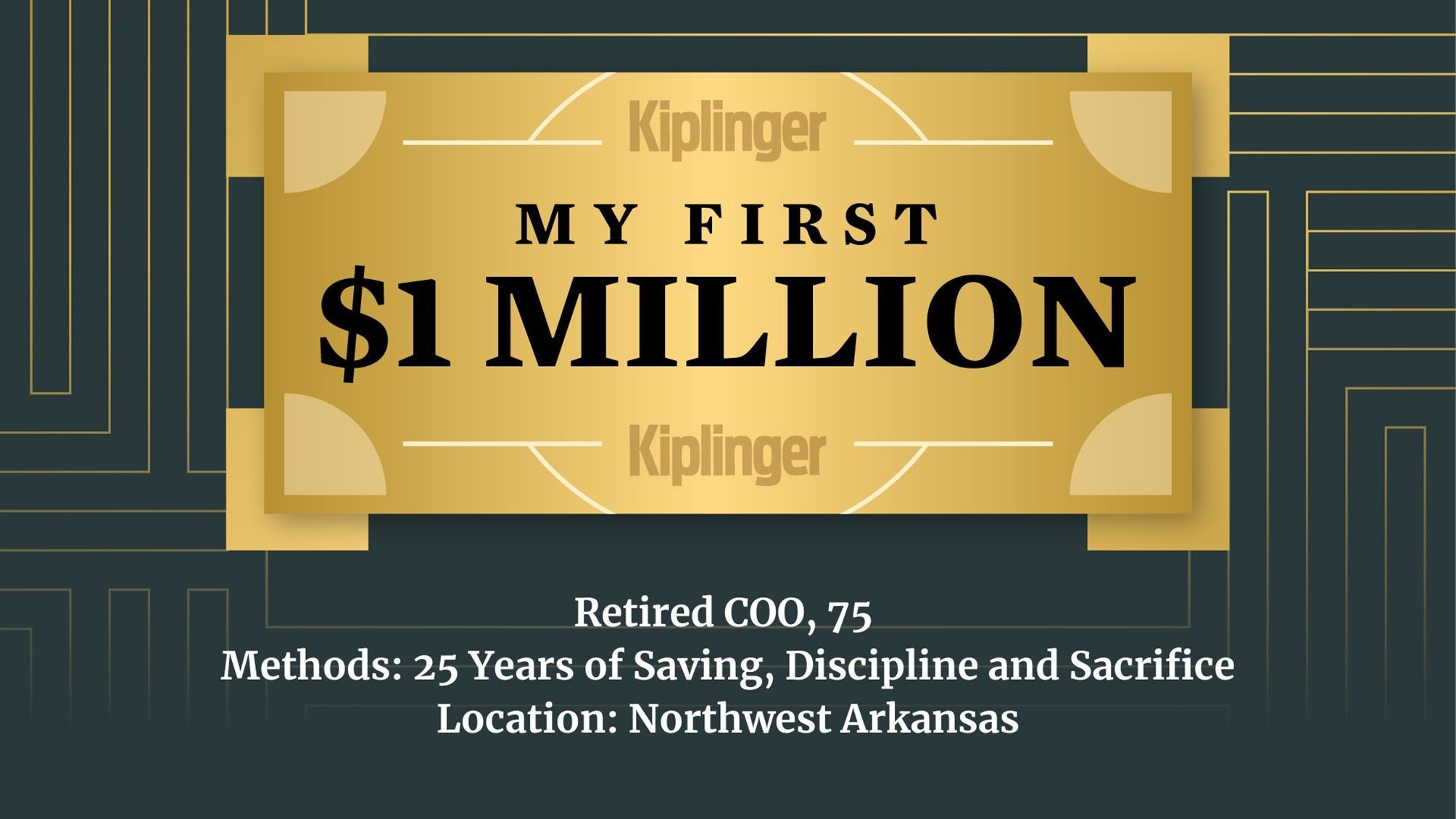
The path to achieving a seven-figure net worth is rarely a linear progression of rapid windfalls; for many, it is a testament to the power of sustained, disciplined financial stewardship over decades. A 75-year-old retired chief operating officer (COO) from Northwest Arkansas, who spent his career in the logistics sector, recently shared his experience of navigating the complexities of wealth accumulation, starting from humble beginnings in Louisiana to a retirement characterized by total financial autonomy. His journey offers a case study in the efficacy of long-term planning, the critical nature of aligning personal values with fiscal objectives, and the evolution of financial markets over the last half-century.
A Career Built on Incremental Growth
The subject, who prefers to remain anonymous, began his career in the 1970s—an era marked by high inflation, volatile interest rates, and an investment landscape vastly different from the digital-first accessibility of the modern day. At the time of his retirement, his annual salary peaked at $125,000, a figure that highlights that his path to millionaire status was not paved by an outsized executive compensation package, but rather by meticulous saving and reinvestment.
The logistics industry, which demands efficiency and precise planning, proved to be a fitting training ground for his personal finances. Throughout his career, he prioritized equity-based investments and real estate, effectively leveraging his earnings to build a foundation that would eventually outpace the growth of his professional salary. This approach underscores a core principle of wealth building: the necessity of distinguishing between active income and capital growth.
The Chronology of Accumulation
Reaching the first $1 million milestone required 25 years of consistent effort. During the 1970s and 1980s, the barrier to entry for individual investors was significantly higher than it is today. With minimum investment requirements for brokerage accounts often ranging from $25,000 to $50,000, the subject was forced to focus on more accessible, albeit lower-yielding, financial instruments such as Certificates of Deposit (CDs).
This early period was defined by what he describes as a "slog"—a continuous effort to optimize interest rates and maintain a high savings rate despite the pressures of a growing family. The transition from a saver to an investor occurred as he began acquiring equity in businesses and expanding his real estate portfolio. By the time he retired at age 52, he had successfully created a financial structure that allowed for a comfortable transition into retirement without the need for further employment.

Data-Driven Financial Philosophy
The subject’s narrative is supported by broader economic trends regarding wealth accumulation. According to data from the Federal Reserve’s Survey of Consumer Finances, the primary drivers of household wealth in the United States remain consistent: homeownership, retirement account contributions, and equity holdings. The subject’s decision to avoid outside financial advisers for the majority of his career is a notable, though increasingly common, trend among high-net-worth individuals who favor a "do-it-yourself" (DIY) approach.
By minimizing management fees—which can significantly erode compound interest over a 25-year horizon—he maximized his net return. For context, if an investor achieves a 7% annual return, a 1% management fee can reduce the final portfolio value by approximately 20% over 30 years. His decision to manage his own affairs allowed him to retain a larger share of his investment gains, contributing to his ability to surpass his initial $1 million goal by several millions in the decades following his retirement.

The Role of Values in Financial Decision-Making
Perhaps the most significant turning point in the subject’s life occurred when he was offered a presidency at his firm. The role promised a higher salary but necessitated a greater time commitment, which would have encroached upon his personal life and travel objectives. Citing the work of Charles Givens in his book Super Self, the subject chose to decline the promotion and retire entirely.
This decision serves as an important illustration of the "opportunity cost" of career advancement. Financial planners often emphasize that wealth is a tool for achieving life goals, not the end goal itself. By prioritizing his values—family time, travel, and personal autonomy—over the incremental increase in income associated with the presidency, he was able to transition into a retirement that was both financially secure and personally fulfilling. His experience serves as a reminder that the ultimate purpose of financial independence is the ability to make choices based on personal priorities rather than external necessity.

Mitigating Risks: The Importance of Emergency Funds
A recurring theme in the subject’s narrative is the "punch in the mouth" philosophy—a reference to the inevitability of unexpected life events. His early experiences with debt and the volatility of income led him to adopt a rigid structure for his finances. Specifically, he highlights the necessity of a robust emergency fund.
From a financial analysis perspective, an emergency fund acts as a volatility buffer. It prevents the need to liquidate long-term assets, such as real estate or stocks, during a market downturn or a personal crisis. His shift from a high-debt lifestyle to one of extreme fiscal discipline mirrors the transition from financial vulnerability to stability. He noted that while debt can be a useful tool for investment leverage, it is disastrous when applied to consumer goods, a lesson he learned through his own early brushes with financial instability.

Legacy Planning and Intergenerational Wealth
As the subject looks toward the future, his focus has shifted from accumulation to distribution. He and his wife have implemented a comprehensive estate plan that includes irrevocable trusts for their grandchildren. This strategic move aims to provide a "head start" in the form of capital for housing and educational expenses.
The total allocation for these trusts, approximately $500,000, represents a significant portion of his wealth that has been successfully transferred out of his current net worth. This approach addresses a common concern among high-net-worth families: the potential for inherited wealth to stifle personal ambition. By structuring these gifts as "start-up capital" rather than passive income, he aims to encourage his descendants to maintain their own professional productivity.

Implications and Broader Observations
The subject’s story is a compelling reminder of the "silent" wealth-building phenomenon in America. Most individuals with his level of net worth do not engage in conspicuous consumption; rather, they live in modest homes, drive reliable vehicles, and maintain a high degree of privacy. This "stealth wealth" approach is often a prerequisite for long-term financial success, as it avoids the "lifestyle creep" that plagues many high-earners.
Furthermore, the democratization of financial information via the internet has fundamentally altered the landscape for the next generation of investors. Where the subject had to rely on books and manual research, modern investors have instant access to analytical tools, global market data, and low-cost investment platforms. This technological shift, while beneficial, places a greater burden on the individual to curate information and avoid the pitfalls of "information overload" or impulsive, trend-driven trading.

Conclusion: A Blueprint for Independence
The journey of this retired logistics executive is not defined by a singular stroke of luck or a high-risk gamble. It is a portrait of endurance. His success was built on a foundation of living below his means, consistently investing in productive assets, and—most importantly—having the courage to define success on his own terms.
As he prepares for the next phase of his life, his focus remains on the preservation and responsible transfer of his wealth. His advice to others remains steadfast: build an emergency fund, align your financial goals with your personal values, and treat the pursuit of wealth as a marathon rather than a sprint. In an age of rapid economic change and shifting career paradigms, the timeless principles of discipline, research, and long-term perspective remain the most reliable path to achieving the independence that comes with having your first $1 million—and beyond.