How Pluginz Leveraged Temu’s IP Protections to Secure Its Market Position and Scale Operations

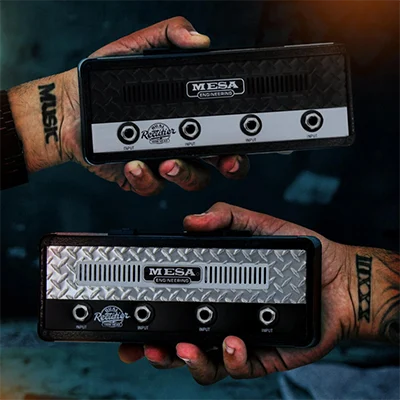
The intersection of e-commerce expansion and intellectual property (IP) enforcement has long been a primary friction point for small and medium-sized enterprises (SMEs). For Pluginz, an Anaheim-based company renowned for its "Jack Rack" guitar-amp-themed key holders, the challenge of protecting proprietary designs and licensed imagery from counterfeiters became a significant hurdle to growth. After years of expending substantial time and legal resources to police unauthorized knockoffs across various digital marketplaces, the company’s recent transition to the Temu platform has provided a case study in how rigorous, proactive IP monitoring can transform an SME’s business trajectory.
The Origins of a Viral Success
The story of Pluginz began in 2015, rooted in the do-it-yourself ethos of the music industry. Mike Stricklin, an avid guitarist, fashioned the first Jack Rack prototype using authentic guitar amplifier components and mounted it to his garage wall. Recognizing the aesthetic and functional appeal, he shared the creation on the social media platform Reddit, where it immediately gained traction. This viral moment provided the necessary momentum to launch a crowdfunding campaign, which successfully funded the initial manufacturing run.
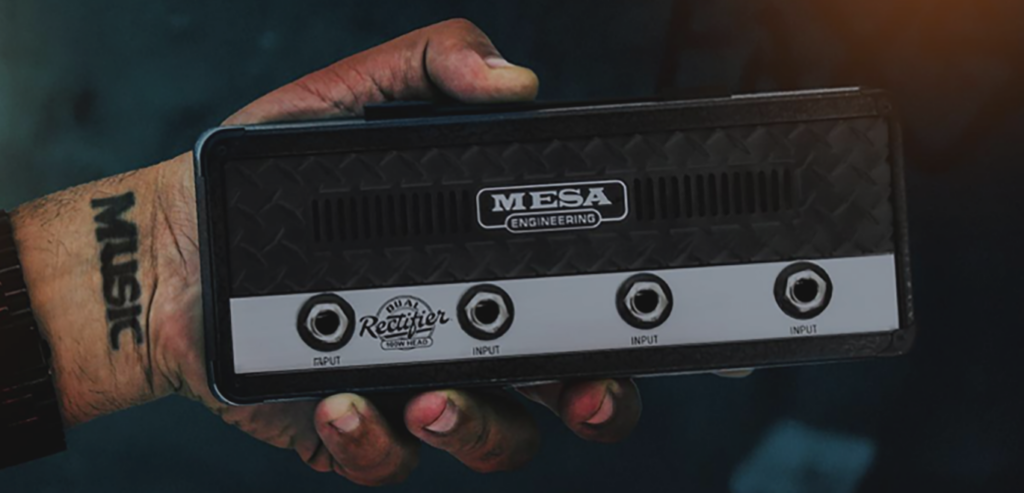
The market response was immediate and overwhelming. Stricklin reported that within months of the launch, the business was generating an average of $10,000 in daily sales, with production handled manually by Stricklin and his colleagues. To professionalize the operation, Stricklin partnered with Dan Jacobs, a member of the Southern California metalcore band Atreyu. Leveraging Jacobs’ deep industry connections, the pair shifted their focus toward obtaining official licensing agreements with major musical equipment manufacturers and legendary artists. The company’s portfolio grew to include collaborations with industry stalwarts such as Marshall, Fender, Gibson, and Mesa Boogie, alongside merchandise agreements with iconic musical acts like Ozzy Osbourne and Oasis.
The Burden of Success and the Shadow of Counterfeiting
As the Pluginz brand expanded, so too did the attention of bad-faith actors. Every new licensing deal and every successful product launch created a new target for counterfeiters. Because the brand’s value proposition is built entirely on the authenticity of its licensed designs, the proliferation of knockoffs was not merely a loss of revenue—it was an existential threat to the company’s brand equity and its relationships with licensors.
For several years, Stricklin and Jacobs operated as a reactive entity. They spent significant labor hours monitoring various online marketplaces, filing take-down notices, and deploying legal resources to protect their patents and trademarks. As a small business, the opportunity cost of this activity was immense; time spent chasing infringers was time lost in developing new product lines or expanding into new markets.
The Shift to Temu and the Local Seller Program
In 2025, Pluginz evaluated its digital sales strategy and decided to list on Temu. The transition coincided with their enrollment in Temu’s Local Seller Program, an initiative designed to allow domestic U.S. businesses to manage inventory and fulfill orders from local facilities. For Pluginz, this meant the ability to ship directly from their Anaheim fulfillment center, improving delivery speeds for their customer base.
However, the most significant change for the company was the onboarding process. Unlike some platforms where the burden of identifying and reporting infringement lies solely with the brand owner, Temu’s onboarding process required a comprehensive verification of Pluginz’s IP rights, licensing agreements, and design patents. This rigorous screening acted as a barrier to entry for potential bad actors and established a foundation of trust between the platform and the merchant.
Data-Driven IP Protection: A Proactive Approach
The effectiveness of Temu’s IP strategy is highlighted in its 2026 IP Protection Report, which underscores a fundamental shift in how large-scale e-commerce platforms handle digital piracy. According to the report, Temu has significantly increased its proactive intervention measures. The ratio of proactive removals of infringing listings to reactive takedowns (initiated by brand owners) has shifted to 331 to 1, representing a substantial increase from the 200-to-1 ratio reported in the prior year.
This data suggests a systemic effort to sanitize the platform before a product even reaches the consumer. Furthermore, the platform has expanded its IP protection coverage to encompass 15,000 brands, utilizing a multi-layered database that continuously monitors listings against authorized imagery and registered IP assets.

For Stricklin, the practical application of this system was a revelation. Shortly after launching their store, he identified a potential counterfeit of a licensed product and flagged it through the portal. The enforcement action occurred within hours, a marked contrast to the days or weeks often required to resolve disputes on other legacy platforms. The platform’s internal policy aims for an average resolution time of less than 24 hours for IP-related complaints, providing a level of agility that is critical for small businesses operating on thin margins.
Broader Economic Implications for SMEs
The success of the Pluginz model on Temu offers a broader insight into the evolving landscape of global e-commerce. As platforms face increasing regulatory scrutiny regarding the presence of counterfeit goods, the shift toward "proactive gatekeeping" is becoming a competitive differentiator. By implementing automated image recognition and rigorous documentation requirements at the point of ingestion, platforms can reduce the administrative burden on small businesses.
This, in turn, has allowed Pluginz to redirect its focus toward innovation. In the six months following their November 2025 launch on Temu, the company sold over 10,000 units. The channel has effectively become their fastest-growing revenue stream. Freed from the constant cycle of policing their IP, the founders have been able to:
- Scale Operations: Syncing their full catalog to the platform to capture increased search volume.
- Diversify Portfolios: Expanding beyond the hard rock and metal genres to include country and classic rock categories, with a roadmap to introduce a new licensing partnership every two weeks.
- Global Expansion: Utilizing the infrastructure of the platform to plan for entry into European markets.
Conclusion: A New Standard for Digital Retail
The experience of Pluginz serves as a case study for the modern SME. By choosing a sales channel that prioritizes technical and legal verification of intellectual property, the company has managed to move from a defensive posture to a growth-oriented one. As the e-commerce sector matures, the ability of a platform to protect the brands that populate its marketplace is increasingly viewed as a core service rather than a peripheral function.
For Dan Jacobs and Mike Stricklin, the transformation is simple: they are now spending their time building the business rather than defending its perimeter. With plans to continue their aggressive expansion into new musical genres and geographic regions, Pluginz demonstrates that for small, brand-focused companies, the right digital ecosystem is as important as the product itself. The shift from manual enforcement to automated, platform-led protection is not merely a convenience—it is an engine for scalable growth in the digital age.