TSA Deploys AI-Powered Virtual Agent Ace to Streamline Passenger Security Experiences and Modernize Agency Operations

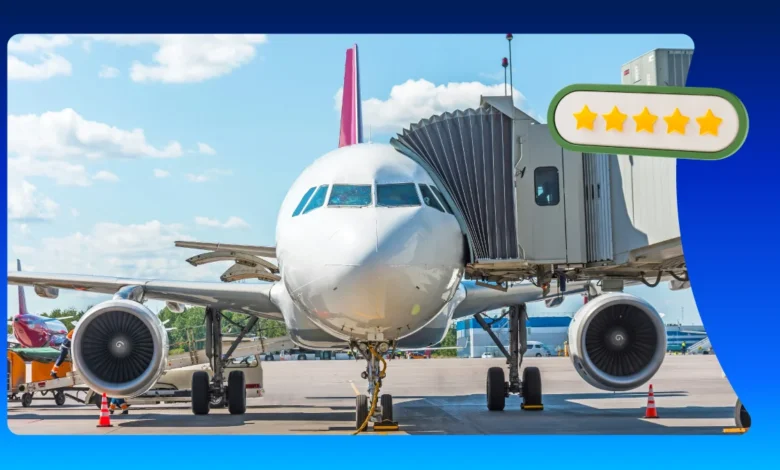
With nearly 3 million airline passengers passing through U.S. airport security checkpoints on a daily basis, the logistical burden on the Transportation Security Administration (TSA) has reached unprecedented levels. Managing the flow of travelers while maintaining rigorous safety standards requires a delicate balance of human vigilance and operational efficiency. To address the mounting pressure of high-volume air travel, the TSA has officially deployed "Ace," a sophisticated AI-powered virtual agent built on Salesforce’s Public Sector Solutions platform. This initiative marks a significant milestone in the agency’s ongoing digital transformation, aimed at providing real-time support to travelers while optimizing the allocation of human security personnel.
The introduction of Ace comes at a time when the aviation industry is experiencing consistent growth, with passenger throughput frequently hitting record-breaking peaks. By automating responses to routine inquiries—such as guidelines for liquid carriage, the transport of medical devices, and checkpoint preparation protocols—the TSA is shifting its operational paradigm toward a more "agentic" enterprise model.
The Operational Genesis of Ace
The integration of Ace into the TSA’s customer service framework was not an overnight endeavor but the culmination of a phased modernization strategy led by the agency’s Customer Experience Branch. The objective was clear: create a scalable, secure, and data-driven interface that could manage high-volume traffic without compromising the accuracy or the security of the information provided.
The project began by establishing a unified data foundation. Before deploying the AI agent, the TSA, in collaboration with Missionforce, implemented a series of foundational applications designed to consolidate traveler interaction data. By moving away from fragmented communication channels and toward a centralized, FedRAMP-authorized repository on the Salesforce Government Cloud, the agency gained the ability to monitor, analyze, and respond to traveler needs with greater precision.
The deployment of Ace went live during the summer travel surge, a period historically characterized by maximum stress on airport infrastructure. Since its inception, the virtual agent has successfully handled approximately 100,000 traveler conversations per month. Perhaps most tellingly, 96% of these routine inquiries have been resolved entirely without the need for human escalation, effectively filtering out common queries that previously occupied the time of live support staff.
Analyzing the Impact of AI in Public Service
The implementation of AI in the federal sector is often met with scrutiny regarding security and privacy. To mitigate these risks, the TSA utilized Salesforce Shield, an extra layer of security that provides enhanced monitoring, encryption, and audit trails. This ensures that while the AI is "learning" from interactions to improve its performance, the underlying data remains protected under strict federal guidelines.
From an analytical standpoint, the impact of this transition is threefold: cost efficiency, resource optimization, and improved passenger satisfaction.
- Resource Optimization: By delegating repetitive, high-frequency questions to Ace, TSA officers and contact center personnel are liberated from the routine. This allows skilled staff to focus on complex security scenarios, emergency resolutions, and critical administrative tasks that require human judgment.
- Operational Scalability: During peak holiday travel seasons or unforeseen national disruptions, call volumes can spike by hundreds of percentage points. Traditional call centers struggle to scale at this speed without incurring massive overtime costs. An AI agent, conversely, scales horizontally, handling thousands of simultaneous queries with no degradation in response time.
- Consistency of Information: Humans, even with extensive training, are subject to fatigue and interpretation variances. An AI agent ensures that every traveler receives the same, accurate, and up-to-date guidance, minimizing confusion at the checkpoint that often leads to secondary screening delays.
Perspectives from Agency and Industry Leaders
The strategic decision to partner with private-sector technology providers reflects a broader trend in federal modernization. Kendall Collins, CEO of Missionforce and Government Cloud, emphasized the necessity of removing friction from the traveler’s journey. "Nearly three million people travel through U.S. airports every day, and a simple question shouldn’t stand between them and a smooth trip," Collins noted. "TSA’s new Ace AI agent gives travelers fast, accurate answers before they reach the checkpoint, while helping TSA officers stay focused on their essential security mission."
Niki French, Customer Experience Branch Manager for the Office of Civil Rights & Liberties, Ombudsman, and Traveler Engagement at the TSA, highlighted the human-centric goal of the technology. "It’s our job to streamline processes, to help keep wait times down, to get even one more passenger through the security process without having to think about what just happened," French stated. By reducing the cognitive load on passengers—ensuring they arrive at the checkpoint fully prepared—the TSA is effectively reducing the average time spent in the security lane, which has a cascading effect on airport throughput.
Paul Tatum, EVP of Global Public Sector Solutions at Salesforce, added that the success of the program lies in its "AI-first" foundation. "The TSA is leading with trusted AI to meet the mission," Tatum said. "They are delivering a secure, data-driven foundation that scales operations, lowers costs, and protects public trust, even during the most stressful travel times."
Chronology of Modernization
The path to integrating Ace was built upon several key operational milestones:
- Phase 1 (Data Unification): The establishment of a centralized repository for traveler interactions, moving away from siloed legacy systems to ensure all data points were accessible and secure.
- Phase 2 (Workflow Automation): Streamlining internal manual workflows to prepare the agency for automated intervention.
- Phase 3 (AI Deployment): The pilot and subsequent launch of the Ace AI agent, integrated into the TSA’s digital interface during the summer peak to test its efficacy under stress.
- Phase 4 (Continuous Improvement): Ongoing monitoring of interaction outcomes, with the current 96% resolution rate serving as a benchmark for further iteration and feature expansion.
Broader Implications for Government Efficiency
The TSA’s success with Ace serves as a blueprint for other government agencies facing similar challenges in public engagement. As the federal government continues to navigate the complexities of AI adoption, the emphasis on a "platform approach" rather than a "stand-alone tool" approach has proven to be the most resilient strategy.
By utilizing a platform that is already compliant with the Federal Risk and Authorization Management Program (FedRAMP), the TSA has demonstrated that innovation does not have to come at the expense of security. This is particularly relevant as the Biden-Harris administration continues to push for the responsible and secure use of Artificial Intelligence across all executive departments.
Looking ahead, the long-term value of this digital strategy for American taxpayers is significant. By lowering the operational cost per interaction, the TSA is positioning itself to be more fiscally responsible while maintaining a high standard of national security. Furthermore, as Ace evolves, it may incorporate more complex, personalized guidance, potentially integrating with flight data or specific regional security protocols, further shortening the time it takes to get from the terminal entrance to the gate.
Challenges and Future Outlook
While the initial metrics are highly positive, the long-term efficacy of Ace will depend on the agency’s ability to keep the AI updated with rapidly changing travel regulations. As security policies fluctuate in response to global events, the AI must maintain a "ground truth" that is constantly verified by human administrators.
The TSA has explicitly stated that this is a "trusted AI" initiative, implying that human oversight remains a non-negotiable component of the architecture. The transition to an "agentic enterprise"—where AI agents proactively manage tasks—represents the next frontier. If successful, the TSA’s model will likely become the standard for public sector service delivery in the 21st century.
As millions of Americans plan their upcoming travel, the quiet, digital presence of Ace will continue to operate in the background. For the average passenger, the result is a less stressful, more informed, and ultimately more efficient experience. For the TSA, it represents the successful marriage of mission-critical security and modern, responsive technology.
Disclaimer: The TSA does not endorse any non-federal entity, product, or service.
Related posts: