The Evolution of Modern Leadership: Erika Portis on Authenticity, Talent Development, and Human-Centric HR

The modern workplace is undergoing a profound transformation, shifting away from rigid, hierarchical structures toward fluid, adaptable, and deeply human-centric environments. At the core of this evolution are the leaders tasked with steering organizational culture and employee performance. Without self-awareness, clarity, and a focused sense of direction, even the most promising leadership teams risk watching their talent stagnate.
Recently, industry leaders and human resources professionals gathered to examine these exact challenges, highlighting the intersection of strategic risk-taking and authentic leadership. Among the prominent voices shaping this discourse is Erika Portis, Director of Performance for Fanatics Betting & Gaming and a featured speaker at the SPARK Talent event. In a comprehensive discussion that spanned modern workforce dynamics and career-defining moments, Portis offered vital insights into what it takes to guide high-performing teams through uncertainty.
According to Portis, exceptional leaders do not wait for absolute guarantees before setting ambitious goals or charting new strategic territory. Instead, true HR and organizational leaders must navigate shifting business landscapes, embrace calculated risks, and place trust in their people. While uncertainty is an inevitable component of corporate growth, betting on internal talent and fostering an environment of psychological safety remains a primary catalyst for long-term success.
A Defining Career Milestone: Bridging Leadership and Humanity
Reflecting on her professional journey, Portis recalled a pivotal juncture that fundamentally shaped her philosophy on talent development and team dynamics. Early in her career, she oversaw a project where one of her foundational teams collaborated closely with a leadership council. The assignment culminated in a joint presentation detailing the insights, lessons, and breakthroughs the participants had experienced throughout the process.
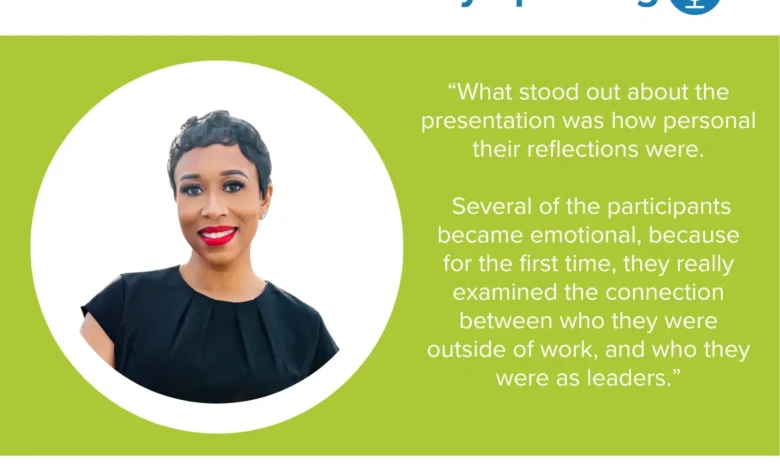
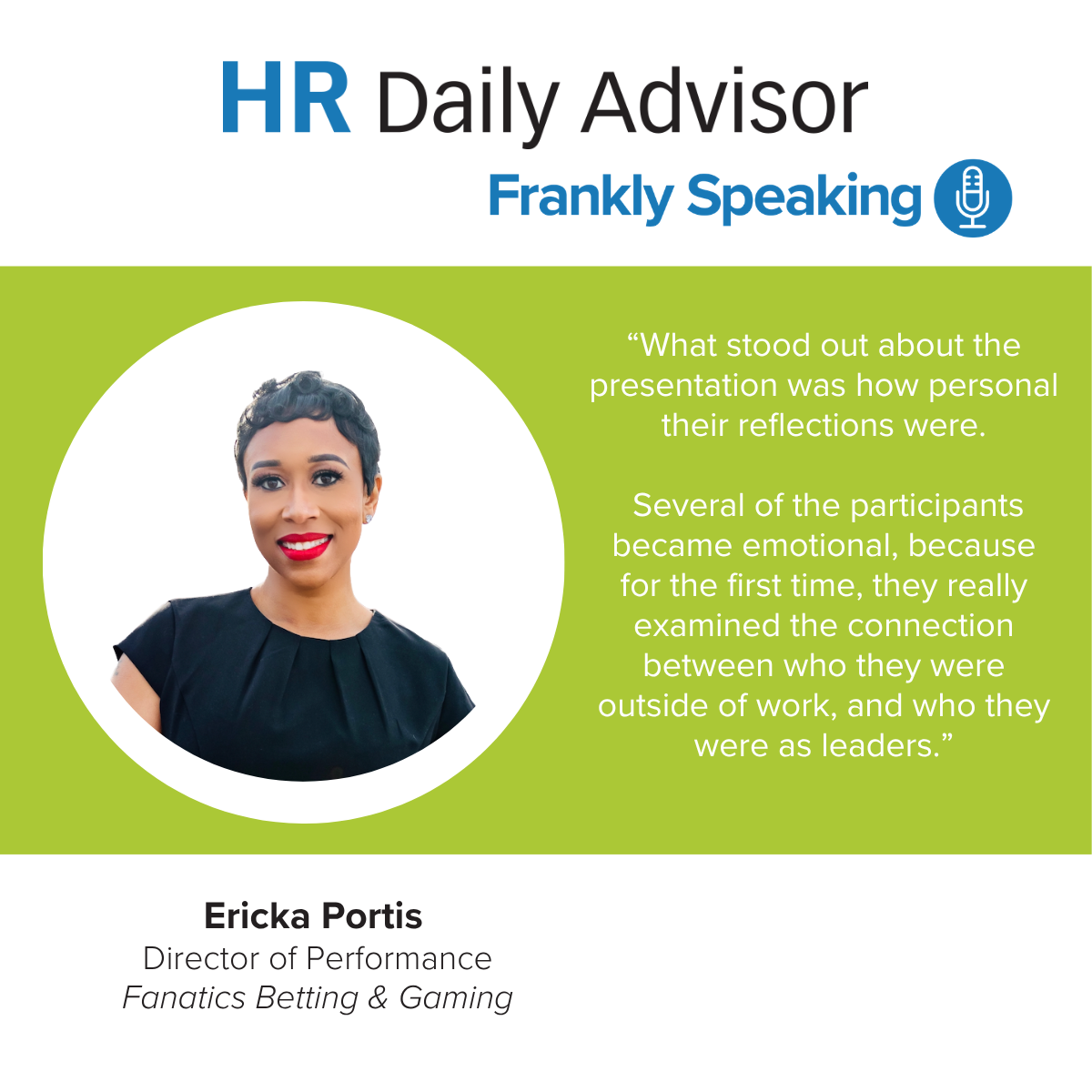
What stood out most to Portis during this presentation was not merely the strategic output or technical competence displayed by the teams. Rather, it was witnessing a profound realization ripple through the group: for many of the participants, it was the first time they truly understood that effective leadership is inextricably linked to being a good human being.
This realization underscores a growing consensus in modern organizational psychology. Technical proficiencies, strategic forecasting, and operational management are critical components of any enterprise, but they are insufficient on their own. Sustainable leadership requires empathy, emotional intelligence, and a genuine commitment to the holistic well-being of the workforce. When leaders recognize that professional success and personal integrity are mutually reinforcing, organizations experience higher levels of engagement, retention, and innovation.
The Broader Context: The SPARK Talent Initiative and the HR Works Podcast
The insights shared by Portis align with broader industry discussions currently taking place across the human resources sector. Platforms such as the HR Works podcast and premier industry gatherings like the SPARK Talent conference serve as critical forums for executives, talent managers, and HR strategists to address the complexities of contemporary workforce management.
In recent years, the corporate landscape has weathered unprecedented disruptions—ranging from the rapid adoption of remote and hybrid work models to shifting employee expectations regarding work-life integration, purpose-driven employment, and mental health support. In this climate, traditional command-and-control management styles have proven largely ineffective. Organizations are increasingly compelled to adopt coaching leadership models that prioritize listening, adaptability, and continuous feedback.
Events like SPARK Talent provide a platform for practitioners to dissect these trends, offering actionable frameworks for leadership development. Speakers such as Portis bring frontline operational experience to these conversations, bridging the gap between theoretical human resources strategies and the practical realities of managing high-performance teams in fast-paced industries like digital entertainment, sports technology, and gaming.
Supporting Data on Modern Leadership and Talent Retention
Empirical research from leading organizational research institutions consistently underscores the critical link between empathetic leadership and business outcomes. According to studies by organizations such as Gallup and the Center for Creative Leadership, employees who report having supportive, self-aware, and communicative managers demonstrate significantly higher levels of engagement and discretionary effort.
Key data points shaping the current discourse on leadership development include:
- The Cost of Disengagement: Global workforce studies frequently estimate that low employee engagement costs the world economy trillions of dollars annually in lost productivity, absenteeism, and high turnover rates. A substantial percentage of this disengagement is directly attributed to poor direct management.
- The Demand for Soft Skills: Modern HR analytics reveal a surging demand for leadership training focused on emotional intelligence, active listening, and conflict resolution. Organizations that invest in these competencies report marked improvements in cross-functional collaboration and employee sentiment.
- Retention Through Growth: Employees are increasingly prioritizing career mobility and organizational culture over purely financial incentives. Leaders who actively invest in coaching and developing their team members cultivate higher loyalty and lower attrition rates.
Portis’s perspective directly addresses these trends. By emphasizing that leaders must be willing to bet on their talent—even in the absence of absolute certainty—she highlights the importance of empowerment. When employees feel trusted and valued, they are more likely to take calculated risks, innovate, and develop their own leadership capabilities.
Chronology of Workplace Transformation: From Hierarchy to Empathy
To fully appreciate the significance of Portis’s insights, it is useful to examine the chronological shift in corporate leadership paradigms over the past several decades:
- The Industrial Era to Late 20th Century: Leadership was predominantly transactional and hierarchical. Focus was placed heavily on standardization, compliance, and top-down directives. Employees were viewed primarily as functional resources within a larger mechanical system.
- The Turn of the Millennium: The rise of the knowledge economy prompted a shift toward intellectual capital. Organizations began recognizing the value of innovation, creativity, and specialized skills, leading to the introduction of early talent management frameworks and competency models.
- The 2010s: The acceleration of digital transformation and globalization required greater agility. Leadership styles began pivoting toward collaboration and cross-functional teamwork, though traditional performance management structures remained largely rigid.
- The 2020s and Beyond: Marked by systemic global shifts, the modern era has redefined the employer-employee relationship. Authenticity, mental health awareness, flexibility, and human-centric values have transitioned from peripheral perks to central pillars of effective organizational leadership.
Within this timeline, the realization observed by Portis—that leadership is fundamentally intertwined with being a good human—represents the defining ethos of contemporary human resources strategy.
Implications for Future HR and Business Strategies
The implications of Erika Portis’s philosophy extend far beyond individual team dynamics; they serve as a blueprint for organizational resilience. As companies navigate future market volatilities, technological advancements such as artificial intelligence, and evolving workforce expectations, the demand for grounded, self-aware leadership will only intensify.
For human resources professionals and executive leadership teams, translating these insights into actionable policy involves several key imperatives:
- Redefining Leadership Criteria: Recruitment and promotion processes must evaluate candidates not only on their technical expertise and strategic acumen, but also on their emotional intelligence, empathy, and capacity for self-reflection.
- Investing in Continuous Development: Leadership development programs should move away from one-off seminars and toward continuous coaching models that encourage leaders to explore their authentic leadership styles.
- Cultivating Psychological Safety: Organizations must create environments where both leaders and team members feel secure in taking calculated risks, acknowledging mistakes, and learning from failures without fear of disproportionate repercussions.
- Aligning Culture with Core Values: Corporate mission statements must be actively embodied by leadership at all levels, ensuring that day-to-day operations reflect a genuine commitment to the dignity and growth of every employee.
As the corporate world continues to redefine what it means to lead effectively, the lessons articulated by voices like Erika Portis offer a clear roadmap. By merging strategic ambition with a profound respect for the human element, organizations can build resilient teams capable of thriving amidst uncertainty.
For those interested in exploring these themes further, the full conversation with Erika Portis remains available through the HR Works podcast, offering deeper dives into the strategies shaping the future of workforce performance and leadership development.