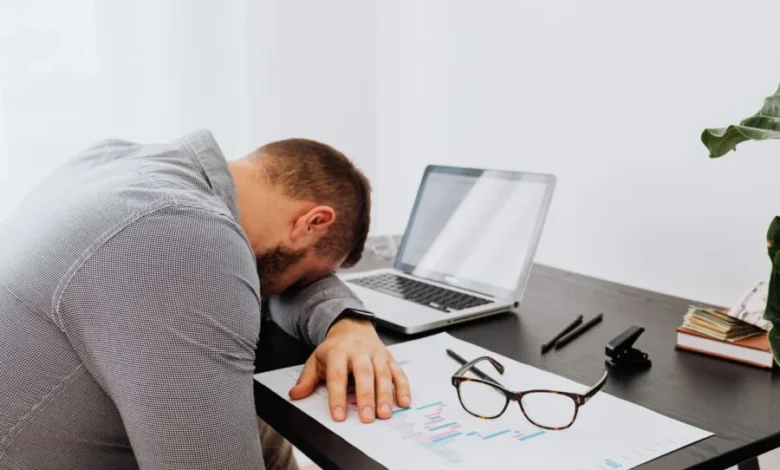
The phenomenon of the afternoon slump, characterized by a marked decline in cognitive performance and physical alertness among employees, has long been regarded as an unavoidable byproduct of the traditional workday. However, mounting evidence from physiological studies and organizational psychology suggests that these dips in energy are not merely biological imperatives but are frequently exacerbated by systemic workplace habits, nutritional choices, and sedentary environments. As businesses strive for higher levels of productivity and employee wellbeing, the responsibility is shifting from the individual to the organizational structure, with managers increasingly tasked with creating environments that foster sustained mental acuity.
The Physiological Basis of the Energy Gap
The biological reality of the mid-afternoon fatigue is rooted in the body’s glucose regulation. When employees experience a lull in energy, the immediate, and often subconscious, response is to reach for sugar-rich or highly refined carbohydrate snacks. While these foods—such as pastries, biscuits, and confectionery—provide a rapid influx of glucose into the bloodstream, this effect is ephemeral. The subsequent spike in blood sugar triggers a compensatory insulin release, which rapidly clears the glucose from the bloodstream, often leading to a "reactive hypoglycemia" or a "sugar crash." This cycle results in a deeper state of lethargy than existed prior to the snack, creating a negative feedback loop that impairs decision-making and focus for the remainder of the day.
Clinical data suggests that cognitive tasks requiring sustained attention, such as complex report writing or data analysis, suffer most during these periods. Research indicates that the brain consumes approximately 20 percent of the body’s daily energy intake; when that energy supply becomes erratic due to poor dietary habits, executive function—the set of mental skills that include working memory, flexible thinking, and self-control—is compromised.
Chronology of the Modern Workday Fatigue
The trajectory of workplace exhaustion often follows a predictable timeline. The morning begins with early-start fatigue, where commuting and initial stress levels deplete immediate energy stores. By mid-morning, the common presence of communal "treats" in meeting rooms leads to a consumption of high-glycemic snacks. The "graveyard shift" of meetings—typically scheduled between 11:00 AM and 1:00 PM—often coincides with the first significant drop in blood sugar levels, leading to decreased engagement during critical briefings.
The cycle repeats in the afternoon. Between 2:30 PM and 4:00 PM, the circadian dip—a natural, albeit slight, reduction in body temperature and alertness—aligns with the metabolic consequences of a heavy or processed lunch. Without intervention, this period is historically the most prone to errors, reduced creativity, and diminished output.

Rethinking Workplace Fueling Strategies
To combat these patterns, progressive organizations are moving away from the "biscuit and pastry" model of hospitality. Nutritionists advise that the goal should be to provide "slow-release" energy sources. Foods such as unsalted nuts, seeds, fresh fruit with high fiber content, and complex carbohydrates provide a steady stream of glucose, avoiding the sharp peaks and troughs associated with refined sugars.
Furthermore, the integration of dark chocolate—in controlled portions—can offer a cognitive boost through natural stimulants like theobromine and caffeine, without the extreme sugar load of milk chocolate alternatives. For organizational leaders, the challenge is logistical: how to provide these options without ballooning budgets. The solution often lies in reallocating funds currently spent on high-volume, low-quality snacks toward smaller quantities of higher-density, nutrient-rich alternatives.
Hydration: A Critical, Often Overlooked, Variable
While nutrition receives significant attention, hydration remains the most overlooked factor in daily performance. Dehydration is known to cause fatigue, headaches, and impaired concentration. The standard recommendation of two liters of water daily is frequently cited but rarely achieved in a high-pressure office environment.
Innovative management teams are now experimenting with "hydration protocols" similar to those observed in professional sports, such as the FIFA World Cup. While high-level athletic hydration breaks are designed for physical safety, the office-based equivalent serves a dual purpose: ensuring cognitive hydration and mandating physical movement. A simple policy of circulating fresh water or creating designated, appealing water stations can significantly improve adherence to hydration goals.
The Movement Mandate: Integrating Activity into Workflow
Sedentary behavior is a primary driver of the afternoon slump. Extended periods of sitting reduce blood flow and inhibit the metabolic processes necessary for alertness. The introduction of "walking meetings" is a growing trend that addresses this issue head-on. By moving a meeting from a conference room to a brisk walk—even for as little as 15 minutes—managers can leverage the physiological benefits of increased circulation and the psychological benefits of a change in environment.
Recent technological advancements have made this more feasible than ever. AI-powered transcription and summarization tools now allow participants to record discussions on the move, eliminating the need for a stationary note-taker. This transition not only boosts alertness but also promotes creative thinking, as the brain often engages in different modes of problem-solving when the body is in motion.

Professional Guidance and Internal Education
To effect meaningful change, many companies are partnering with registered dietitians to provide educational workshops. Programs such as "What’s in your lunchbox?" provide employees with actionable, evidence-based advice on balancing macronutrients. These sessions often reveal that simple adjustments—such as swapping white bread for whole grains, or incorporating lean proteins like boiled eggs or canned tuna—can prevent the post-lunch slump entirely.
Furthermore, educational sessions on "Where to eat near you" help employees navigate the pitfalls of local food outlets. By identifying hidden sugars in salads or understanding which "healthy" sandwiches are actually nutritionally deficient, employees are empowered to make choices that align with their afternoon performance goals.
The Role of Circadian Rhythm and Sleep Hygiene
Ultimately, no amount of workplace intervention can fully compensate for chronic sleep deprivation. The biological clock, or circadian rhythm, is dictated by consistent wake times rather than bedtime alone. Organizations are beginning to recognize that promoting "sleep hygiene" is a legitimate component of employee health and safety. Encouraging a structured "wind-down" routine at the end of the day, and discouraging the culture of over-working into the late hours, is essential for ensuring that employees arrive at work with the baseline energy levels required to maintain focus.
Broader Implications for Organizational Health
The shift toward managing energy, rather than just time, represents a significant evolution in human resources management. When a company acknowledges that its environment directly influences the biological performance of its staff, it transitions from a reactive to a proactive model of wellbeing.
The implications of this shift are far-reaching. Reduced energy slumps translate to fewer errors, higher levels of engagement, and a reduction in the "presenteeism" that plagues modern corporate culture. By creating an ecosystem that supports nutritional health, proper hydration, and regular movement, leadership teams are not just improving the daily experience of their workforce; they are investing in the long-term cognitive capital of their organization. The evidence is clear: the afternoon slump is not a permanent fixture of the professional world, but a manageable challenge that, when addressed with science-backed strategies, yields substantial returns in both human health and operational efficiency.