The 11 Best Social Media Analytics Tools for 2026 to Optimize Your Digital Performance

The evolution of digital marketing has shifted from a focus on sheer output to a rigorous emphasis on data-driven strategy. As social media platforms have matured into primary channels for brand communication and consumer interaction, the ability to interpret performance metrics—such as reach, engagement, and conversion rates—has become a prerequisite for professional success. While native platform dashboards provide foundational data, they frequently lack the integration, historical depth, and comparative analysis required for modern, multi-channel campaigns. Consequently, a robust market of third-party social media analytics software has emerged to bridge these gaps.
The Landscape of Social Media Measurement
The distinction between "social media analytics" and "social media data analysis" is critical for practitioners. Analytics refers to the systematic collection of quantitative metrics, whereas data analysis is the qualitative process of interpreting those numbers to discern patterns and inform future decision-making.
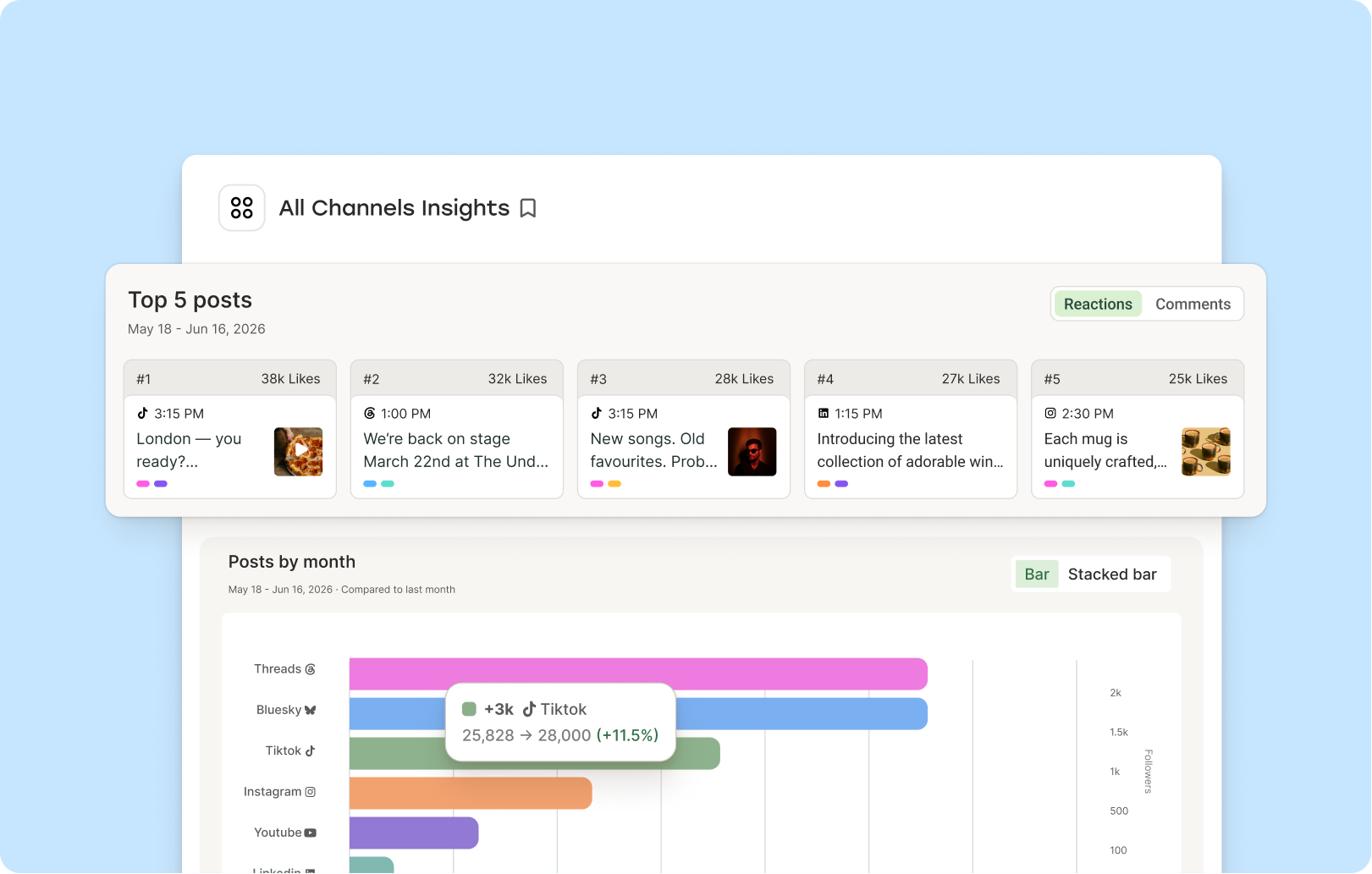
Historically, marketers relied on isolated snapshots of performance. Today, the industry standard involves the continuous monitoring of key performance indicators (KPIs) to benchmark progress against specific business goals. This shift is driven by the increasing complexity of cross-platform marketing, where a single campaign may span TikTok, LinkedIn, Instagram, and YouTube simultaneously. Manually aggregating these datasets from disparate native dashboards—each with unique definitions for metrics like "video view" or "engagement"—is not only inefficient but prone to human error.
Comparative Analysis of Leading Analytics Platforms
Selecting the appropriate tool depends largely on the specific operational needs of the user, whether they are a solo creator, a small business owner, or a large-scale agency managing dozens of enterprise clients.

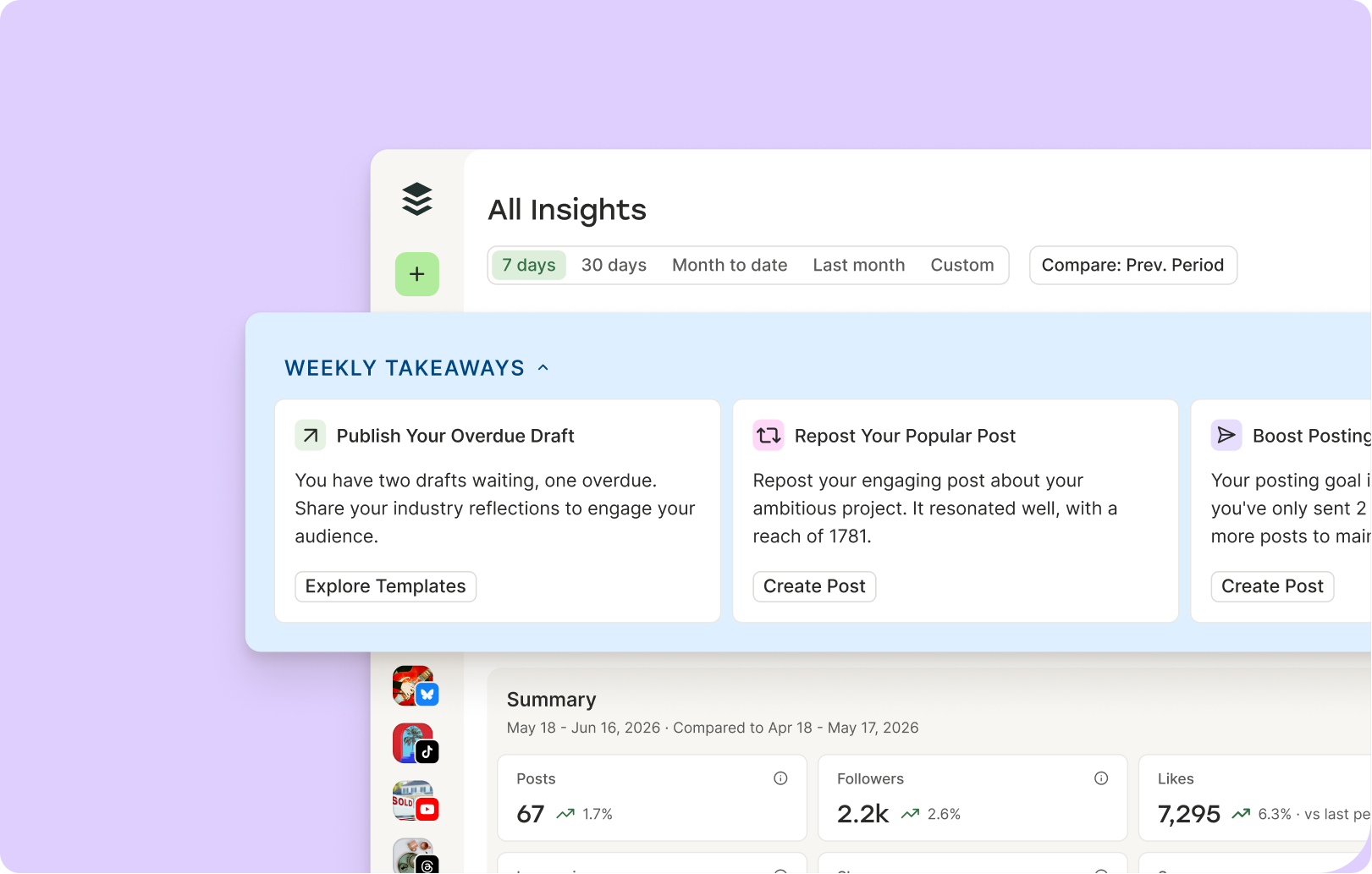
- Buffer: Positioned as an ideal solution for creators and growing teams, Buffer focuses on actionable insights. By leveraging AI-powered "Takeaways," the platform identifies high-performing content patterns, enabling users to make rapid strategic pivots. Its ability to aggregate multi-platform data into a unified dashboard significantly reduces the time spent on manual reporting.
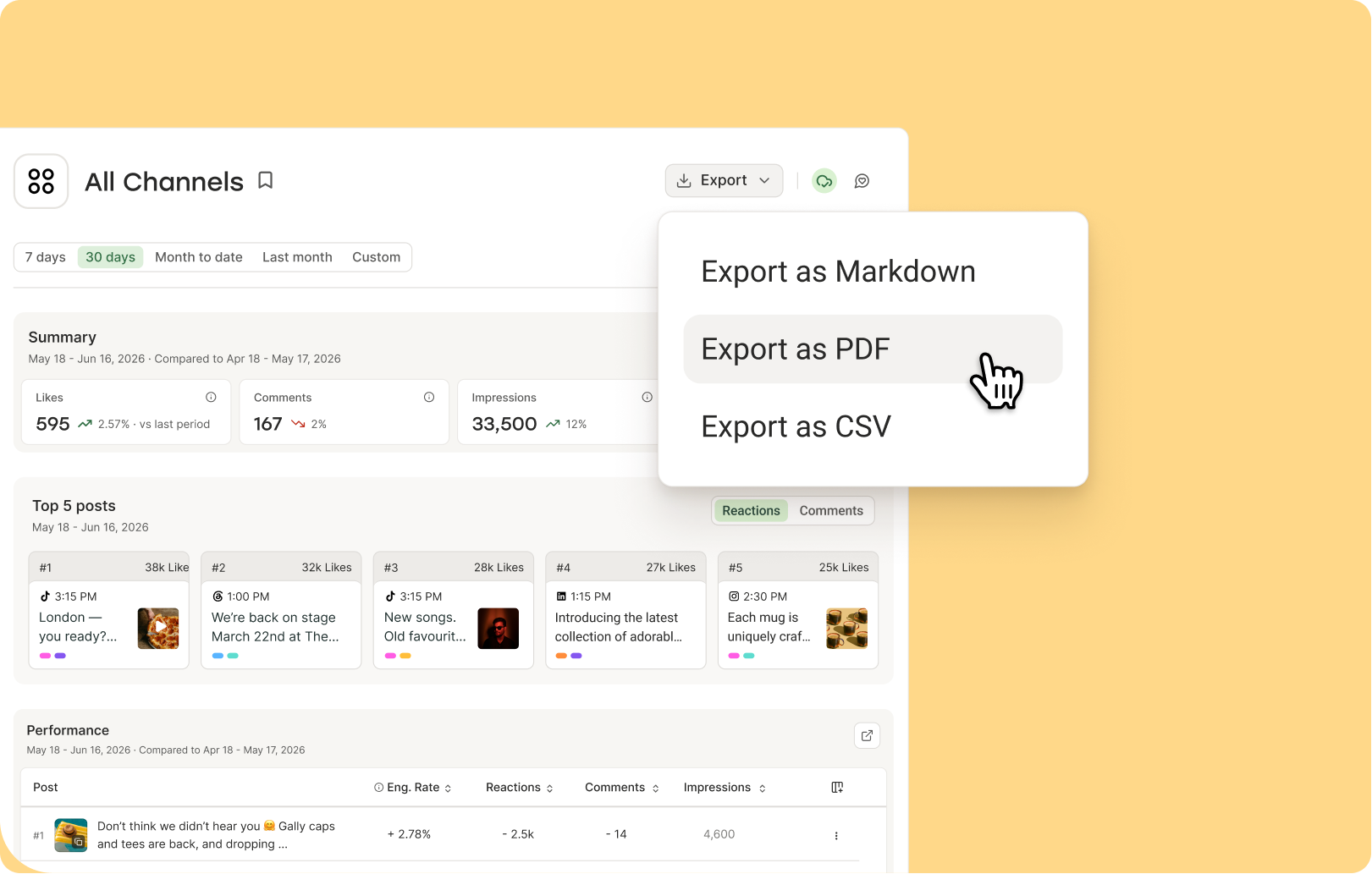
- Rival IQ: Targeting the agency sector, Rival IQ specializes in competitive benchmarking. Its utility lies in its ability to provide comparative data, allowing agencies to see how a client’s performance stacks up against industry peers. This feature is essential for justifying marketing expenditures to stakeholders.
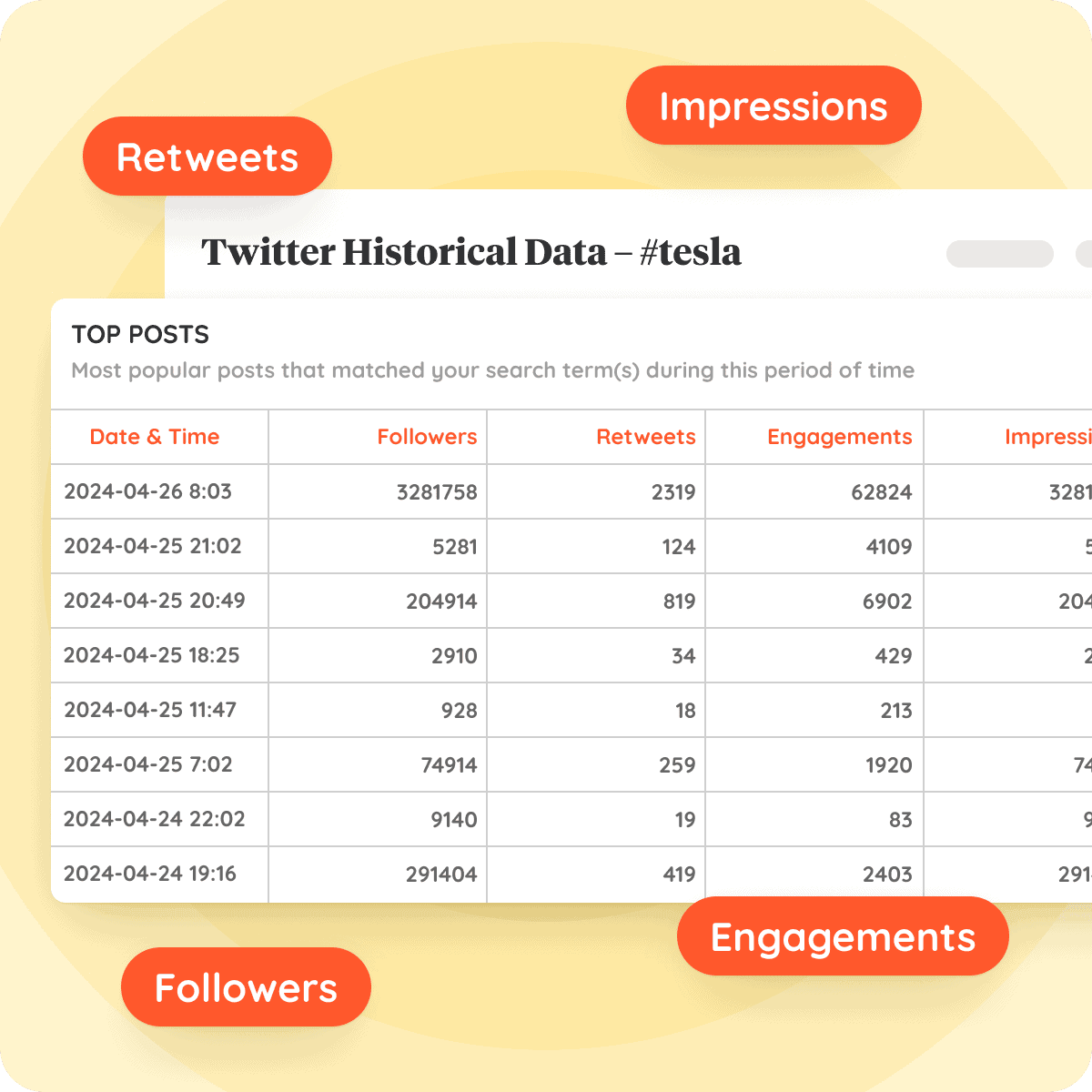
- Keyhole: This platform distinguishes itself through long-range historical data, capable of analyzing trends spanning up to a decade. It is particularly effective for market research and sentiment analysis, helping brands understand how public perception of specific topics has evolved over time.
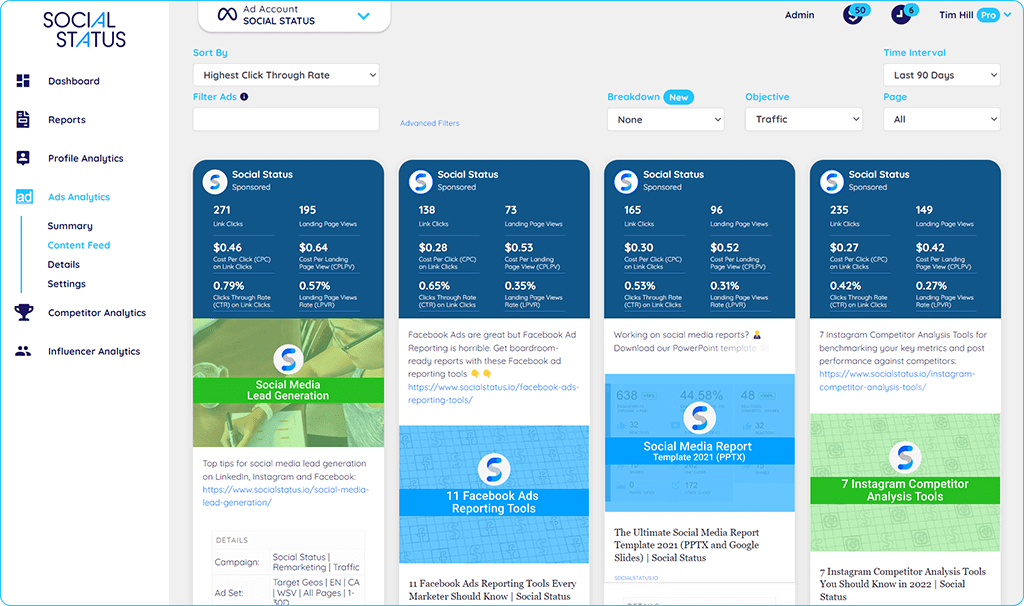
- Social Status: Designed for small businesses, this tool excels at tracking the intersection of organic and paid media. By providing a consolidated view of advertising metrics alongside organic growth, it simplifies the ROI calculation process for businesses managing influencer partnerships and paid social campaigns.
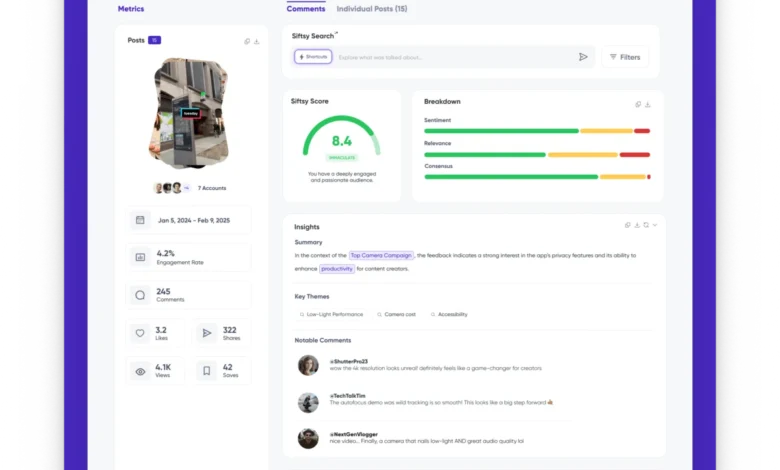
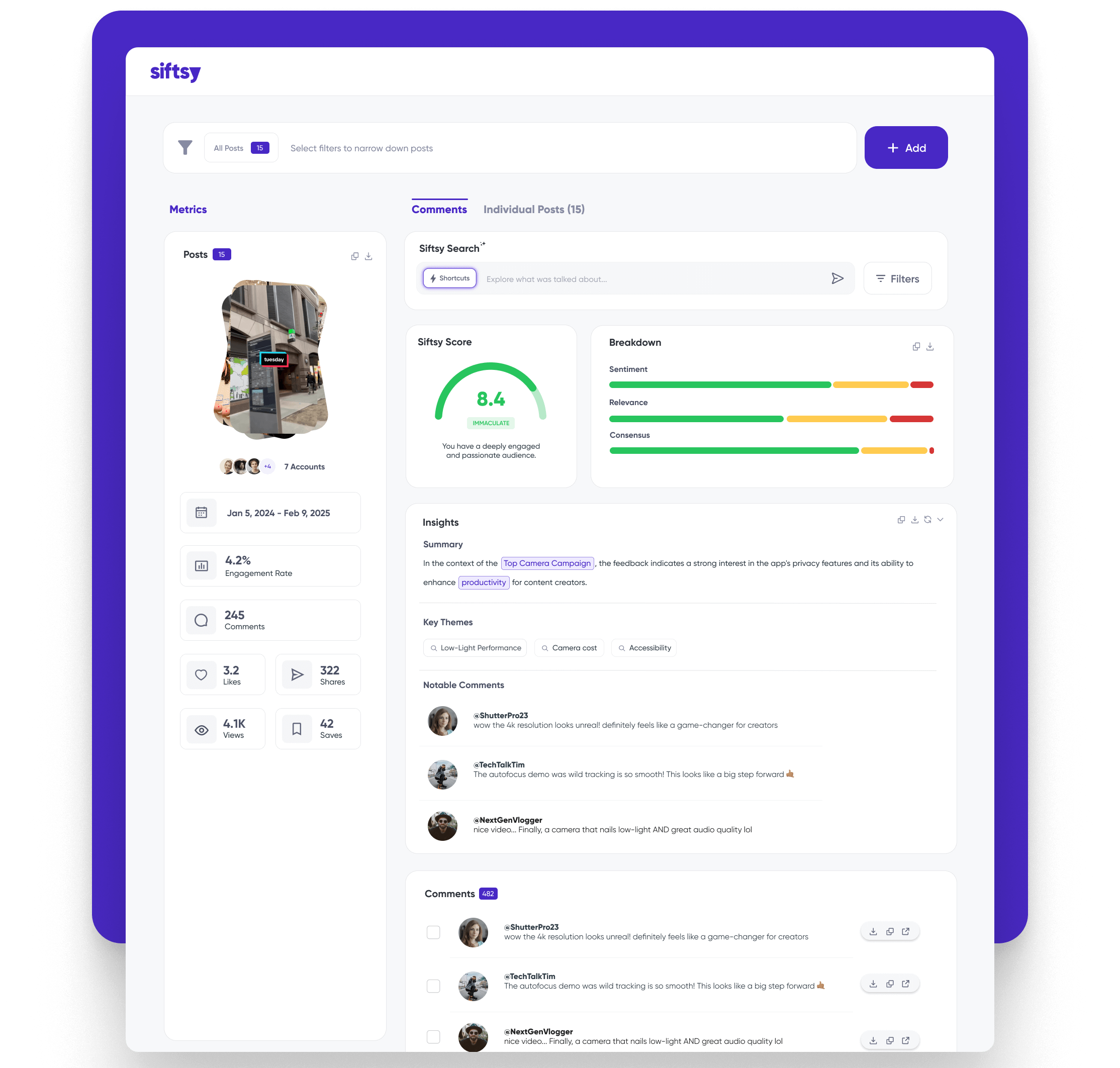
- Siftsy: Focusing on the nuance of customer feedback, Siftsy employs AI to parse and categorize comments. This allows brands to move beyond simple "like" counts and understand the sentiment behind audience interactions, identifying potential PR issues or product feedback before they escalate.
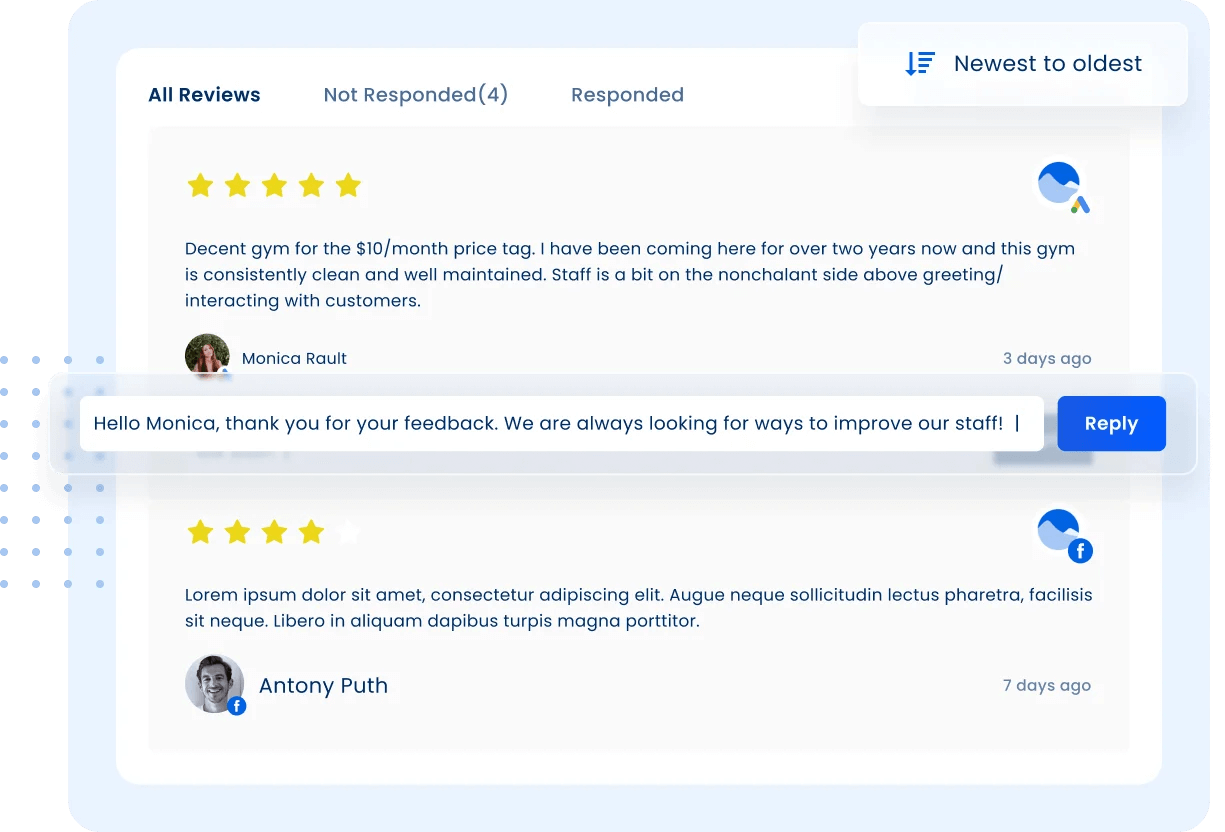
- Vista Social: Known for its versatility, this tool integrates social media metrics with online reputation management. It is a comprehensive choice for businesses that need to monitor reviews on platforms like Yelp and TripAdvisor alongside social media engagement.
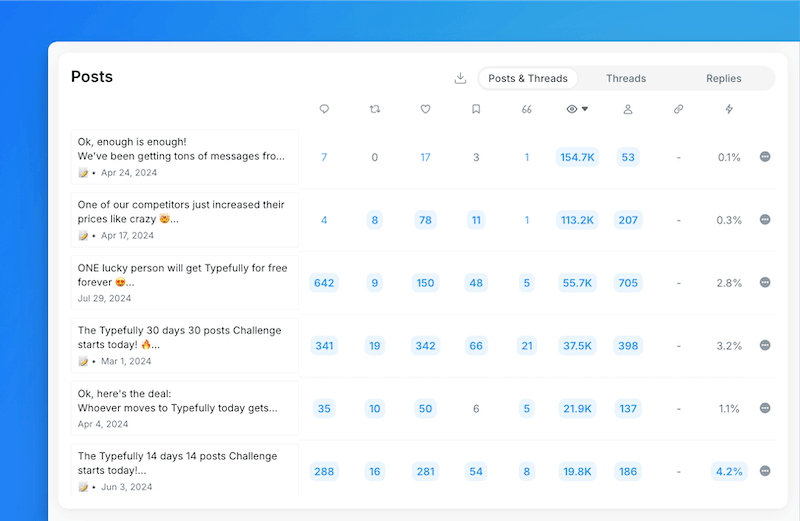
- Typefully: A niche, high-performance tool for X (formerly Twitter). It provides granular insights into profile conversion rates, helping users understand exactly how content converts visitors into followers.
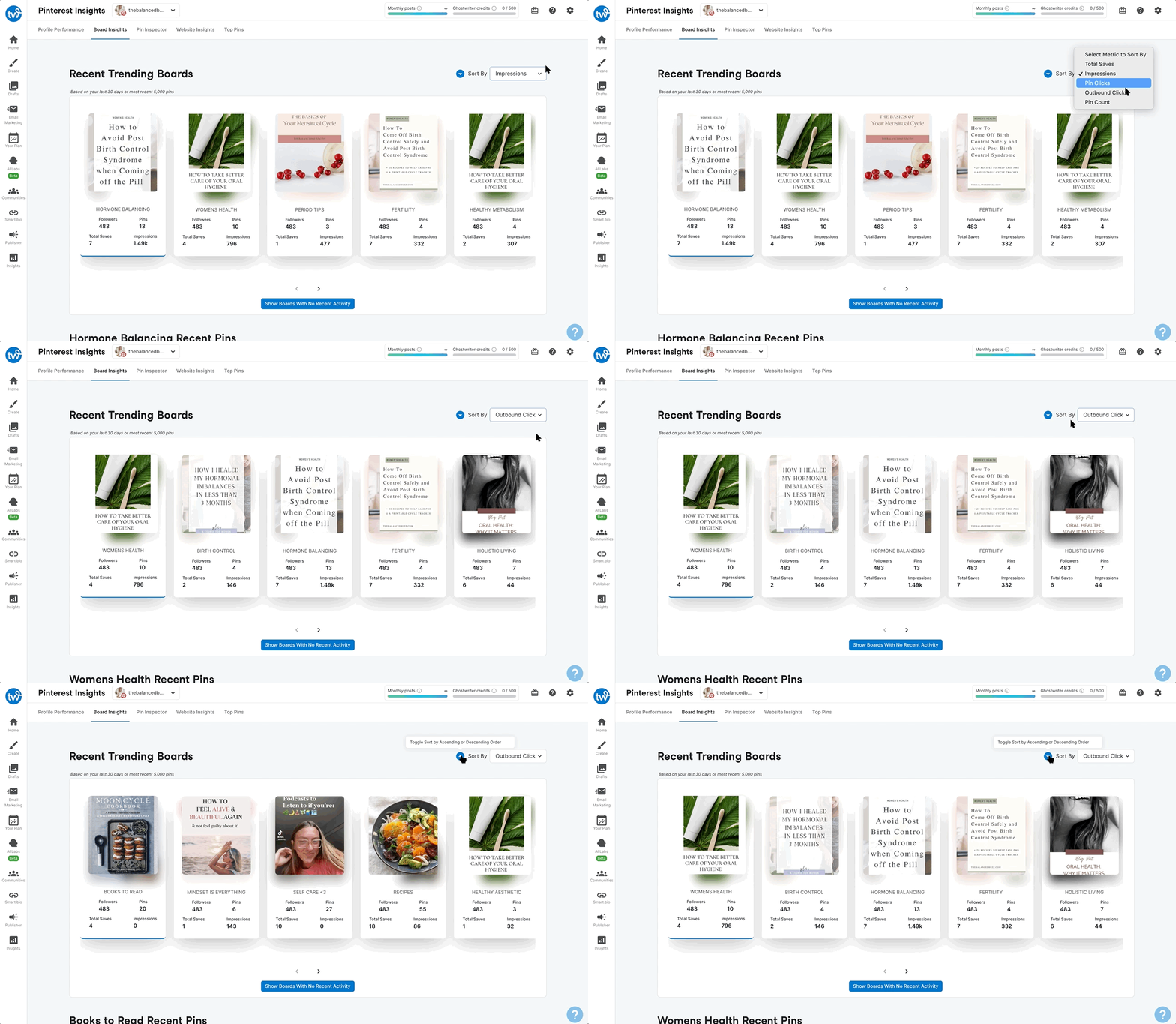
- Tailwind: A specialized utility for Pinterest and Instagram. Given Pinterest’s role as a visual search engine rather than a traditional social network, Tailwind’s focus on traffic-driving metrics makes it indispensable for e-commerce brands.
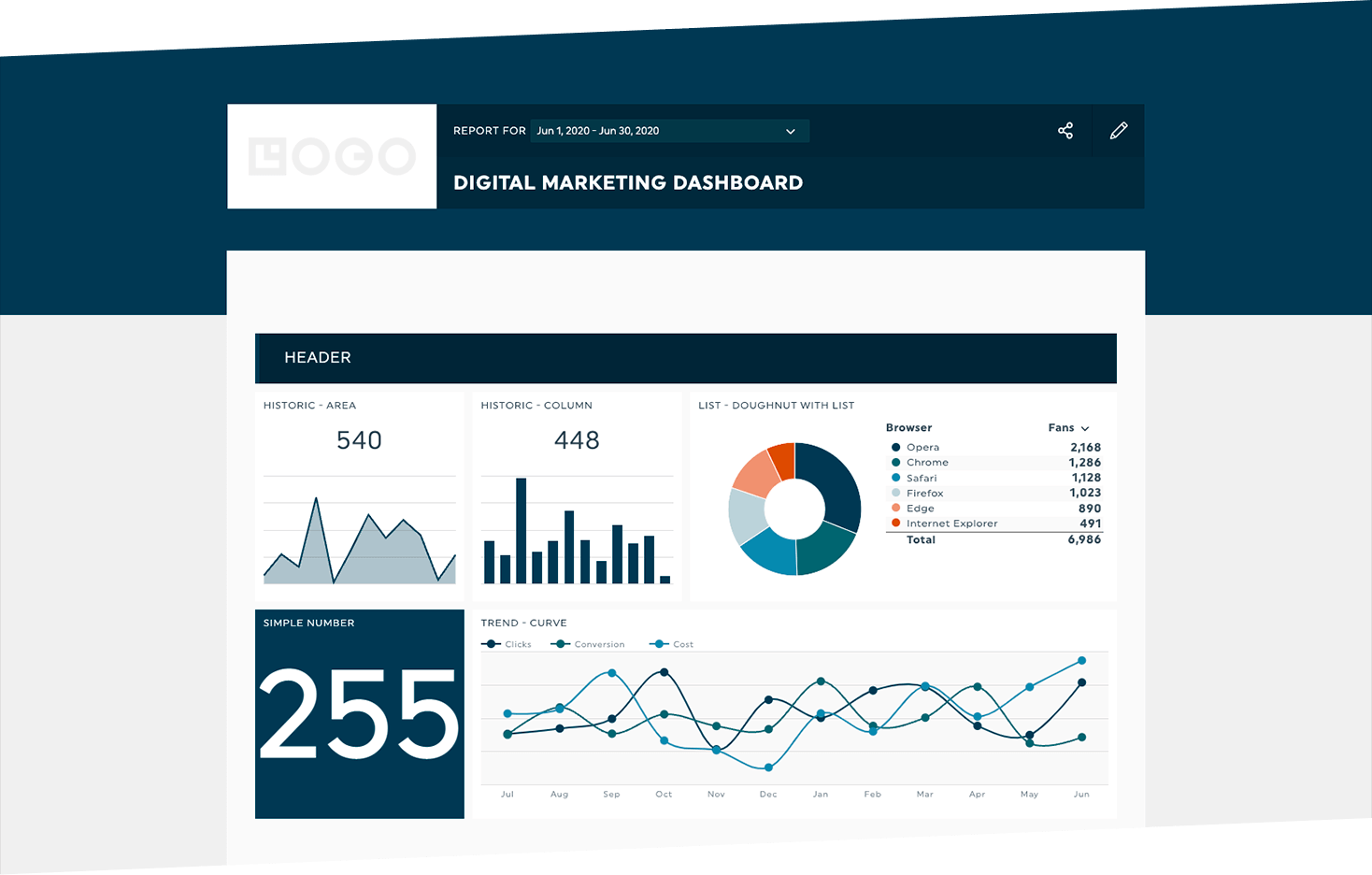
- DashThis: Serving as an all-in-one marketing dashboard, DashThis is the preferred choice for teams that need to integrate social data with broader marketing assets, such as Google Analytics, HubSpot, and Ahrefs.
- Socialinsider: This platform provides advanced AI-driven analysis of content pillars. It allows marketers to tag and group posts to determine which strategic themes yield the highest returns, providing a structured approach to content planning.
- Talkwalker: Acquired by Hootsuite in 2024, Talkwalker remains a leader in deep audience insights. It excels at slicing demographic data and integrating information from customer support channels, offering a holistic view of the customer journey.
Strategic Implementation and Workflow Optimization
Effective analytics begin with goal setting. Practitioners are advised to define clear objectives—such as brand awareness, lead generation, or community building—before selecting which metrics to prioritize. Tracking every available data point often results in "analysis paralysis."
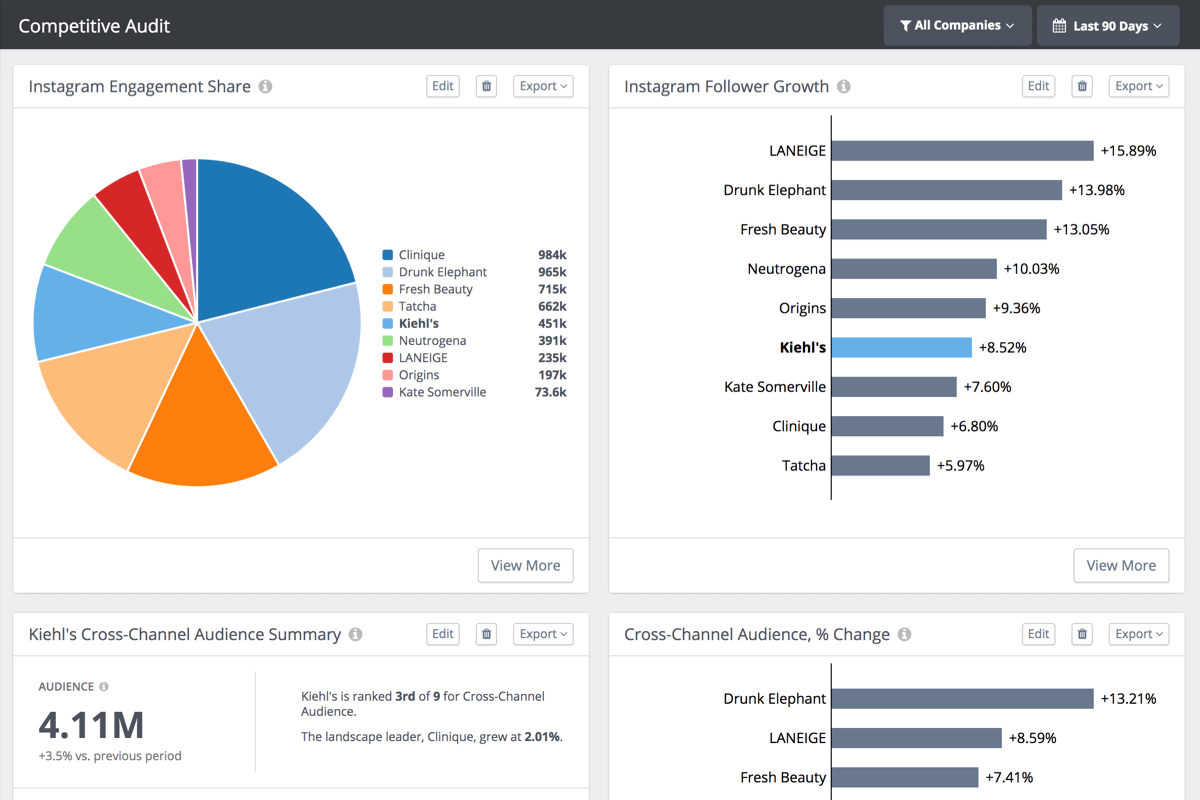
Once goals are defined, the secondary step is the implementation of a consistent reporting cadence. Weekly reviews are generally sufficient to monitor tactical performance and adjust content formats, while monthly reviews are better suited for assessing long-term strategic trends. The use of automated reporting tools further streamlines this process, allowing managers to distribute standardized PDF or CSV reports to stakeholders without the need for manual data entry.
The Role of AI in Predictive Analytics
The integration of artificial intelligence into analytics software represents the most significant trend in the sector for 2026. Modern tools no longer merely report on past events; they offer predictive insights. For instance, AI-driven dashboards can now suggest optimal posting times based on historical audience activity or recommend content formats that are trending within a specific niche.
This predictive capability shifts the role of the social media manager from a reactive position—responding to what has already occurred—to a proactive one. By utilizing AI to identify high-potential content pillars, organizations can allocate their creative resources more effectively, ensuring that content production aligns with proven audience preferences.
Implications for Future Marketing Strategies
The reliance on sophisticated analytics tools is becoming a competitive necessity. As the cost of customer acquisition on social media continues to rise, the ability to prove return on investment (ROI) is paramount. Businesses that fail to leverage data often rely on "vanity metrics"—likes and follower counts—which may not correlate with revenue or brand loyalty.
Furthermore, the fragmentation of the social media landscape into specialized platforms requires a more agile approach to measurement. A brand might succeed on TikTok through viral trends while maintaining a completely different, professional presence on LinkedIn. Analytics tools that bridge these environments are critical for maintaining a cohesive brand identity while adapting to the unique cultural norms of each platform.
Conclusion: Making the Final Selection
When choosing a platform, the decision-making process should be grounded in operational capacity. A small business or individual creator may find the native insights provided by the platforms sufficient for basic tracking, but as complexity increases, the transition to a third-party tool becomes inevitable.
The most effective approach involves a phased trial. Potential users should prioritize tools that offer free tiers or trial periods to assess the user interface and data accuracy. The objective is to identify a tool that provides the necessary depth of insight without introducing unnecessary complexity. By consolidating data, focusing on "why" rather than "what," and establishing a disciplined reporting routine, marketers can transform their social media strategy from a series of educated guesses into a precise, high-performance asset.
In summary, the transition toward data-centric social media management is a permanent shift in the digital economy. Whether the priority is competitive benchmarking, sentiment analysis, or cross-channel reporting, the tools detailed in this analysis offer the architecture required to navigate an increasingly complex digital landscape. By adopting these technologies, organizations can ensure that their social media presence is not only visible but strategically aligned with their long-term growth objectives.