A Comprehensive Guide to Navigating Meta Ads Manager and Executing Effective Social Media Campaigns

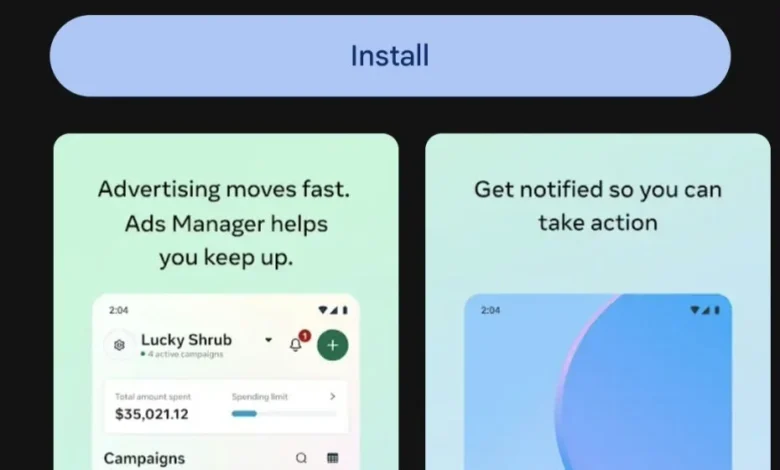
The first encounter with Meta Ads Manager is notoriously intimidating for digital marketers and small business owners alike. While the platform offers unparalleled access to over 3 billion active monthly users, its interface is dense with complex configurations, granular targeting options, and a labyrinthine menu system. Despite the initial friction, mastering this tool is essential for any modern organization looking to bypass the unpredictability of organic social media algorithms. By understanding the hierarchical structure of the platform—Campaigns, Ad Sets, and Ads—advertisers can move beyond simple post-boosting to sophisticated, data-driven customer acquisition.
The Strategic Value of Meta Advertising
Facebook and Instagram advertising remains a cornerstone of digital marketing because of the depth of user data available to advertisers. Unlike search engine marketing, which captures intent, Meta’s platform excels at demographic and behavioral targeting. Advertisers can reach users based on life events, such as marriage or career changes, or specific purchase behaviors, effectively putting products in front of individuals who have not yet expressed active intent but fit the ideal customer profile.
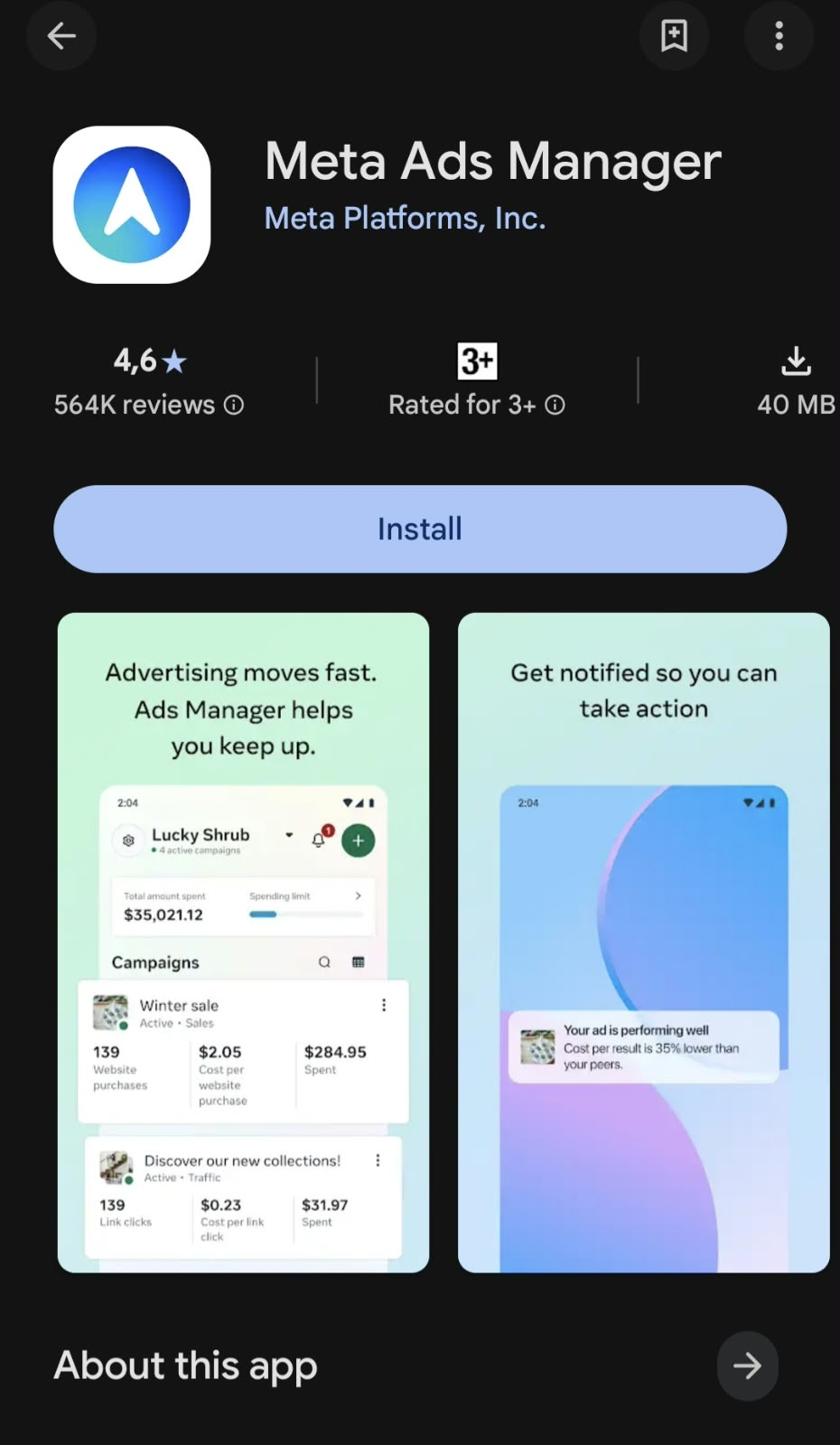
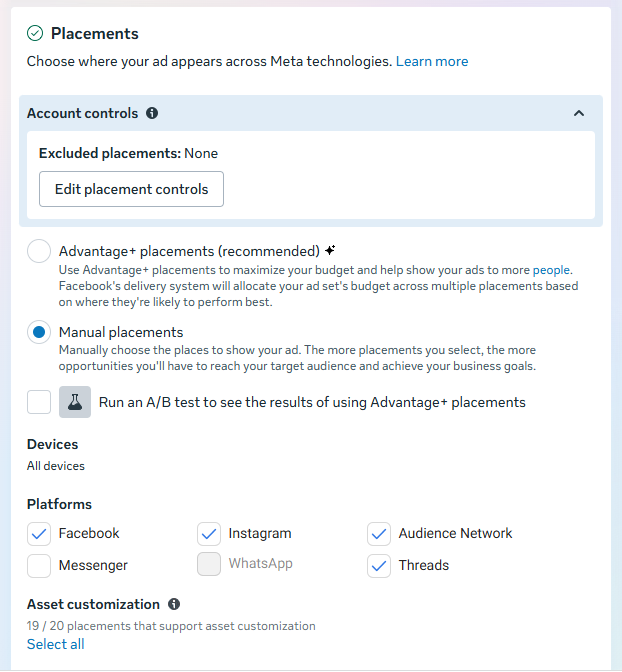
From a structural standpoint, Meta’s ecosystem solves the "reach problem." With organic engagement rates for business pages hovering at historically low levels, the platform’s algorithm dictates content visibility. Paid advertising flips this dynamic, allowing brands to control exactly who sees their messaging, how frequently they see it, and where the content appears across the Meta network, including Facebook, Instagram, Messenger, and the Audience Network.
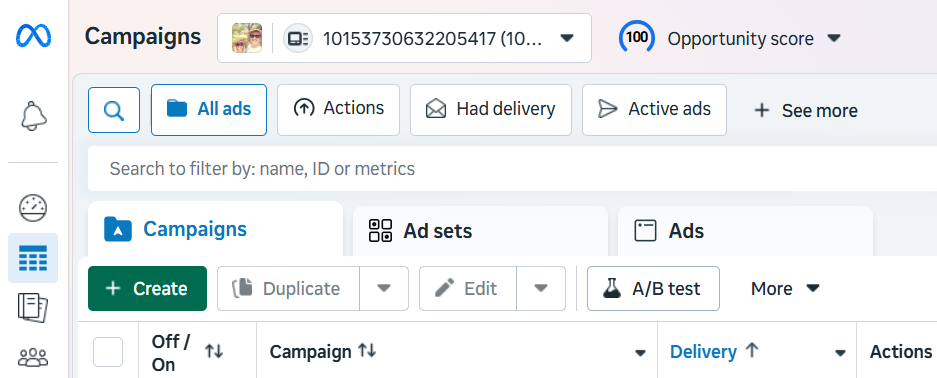
Structural Hierarchy: Understanding the Three Tiers
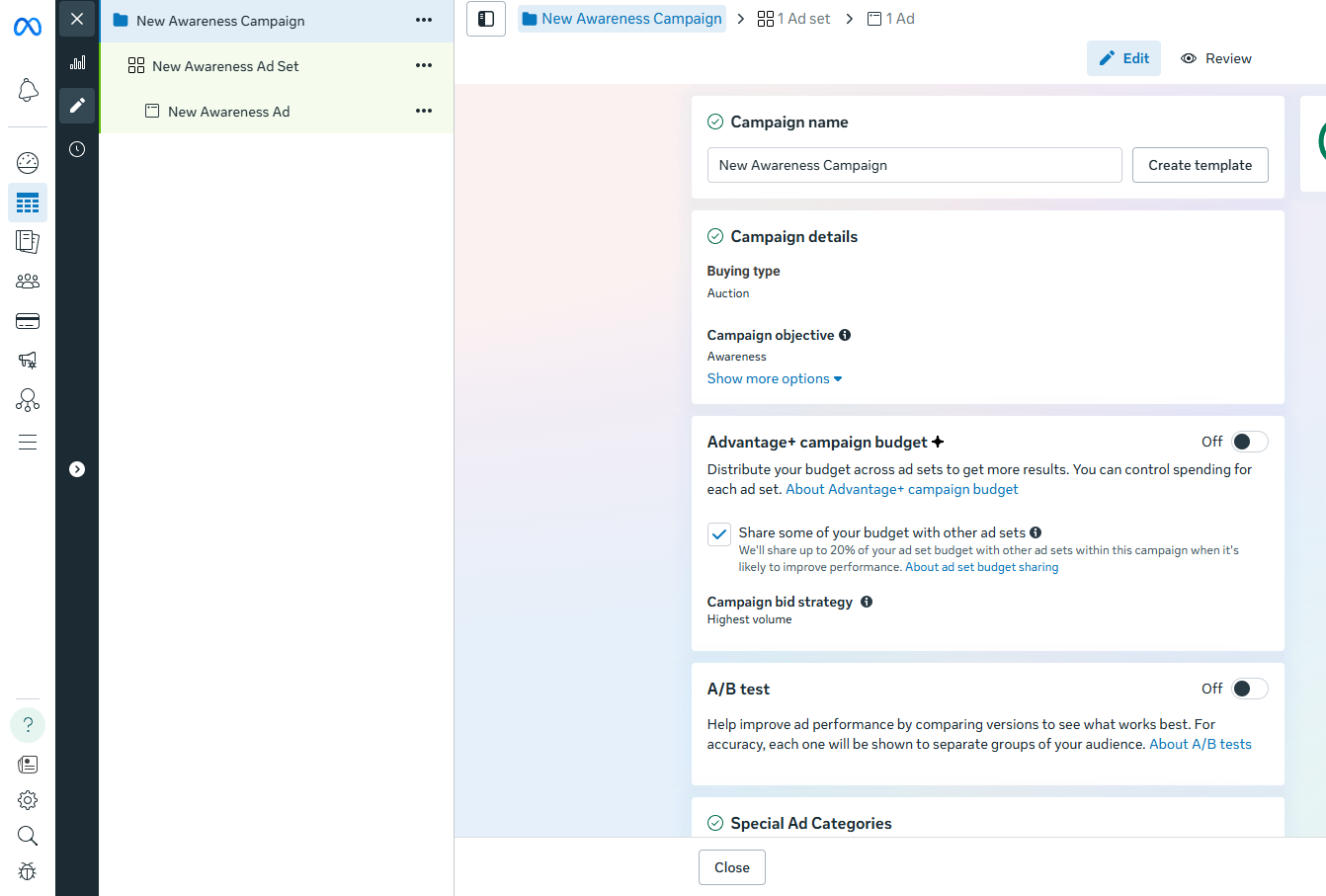
To successfully navigate the Ads Manager, one must grasp the three-tier framework upon which all campaigns are built. This structure ensures that budgets, audiences, and creative assets are organized logically.
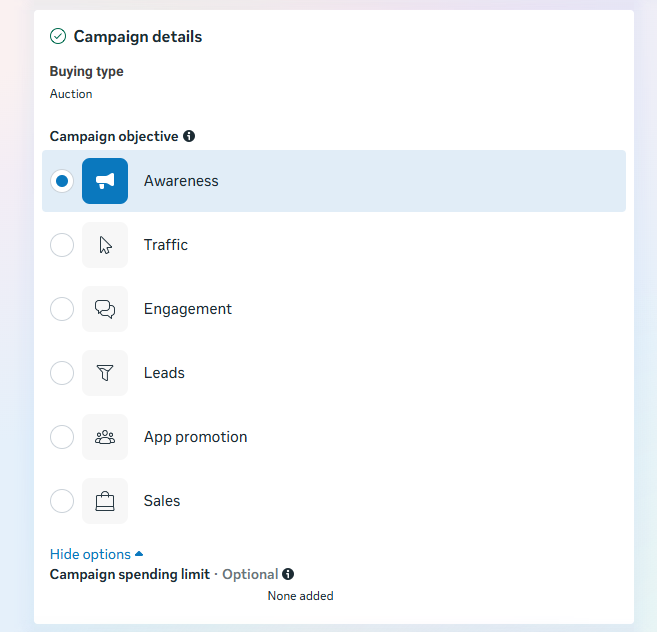
- The Campaign Level: This is the foundation where you define your "why." At this stage, you select a primary objective, such as brand awareness, lead generation, or conversions. The objective is critical, as it instructs Meta’s machine learning algorithms on how to optimize delivery to achieve your specific goal.
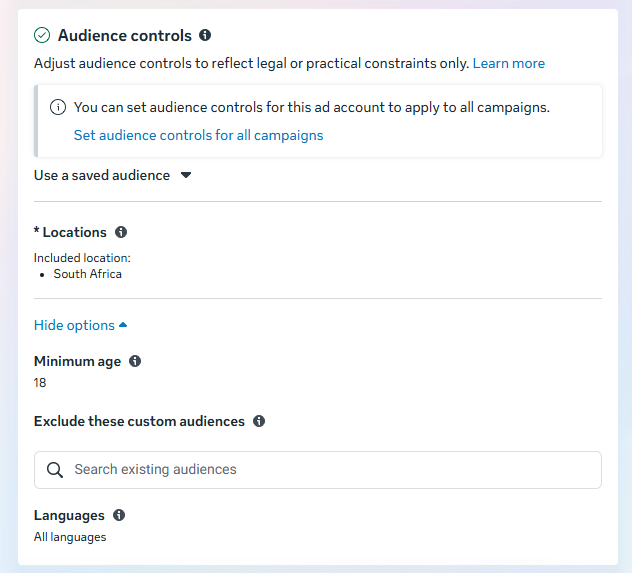
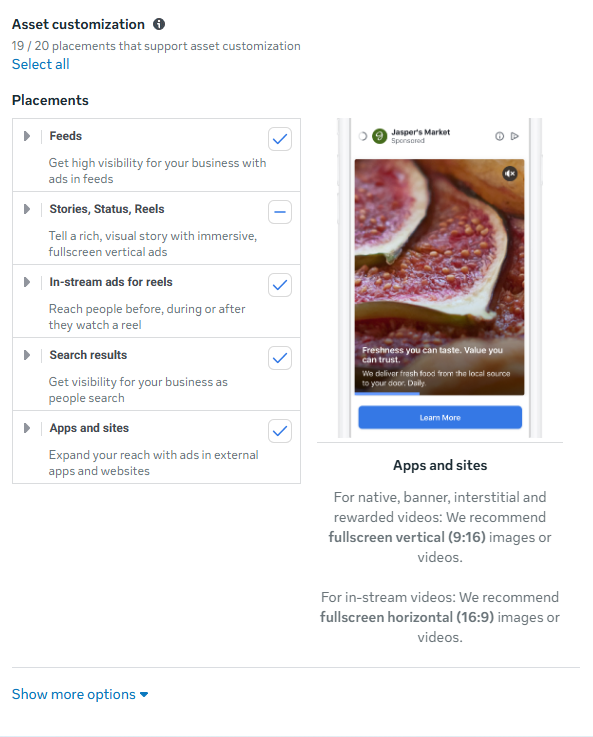
- The Ad Set Level: This is the "who, where, and when." Here, you determine your target audience, choose your ad placements (e.g., Reels, Stories, or Feed), and set your budget and schedule.
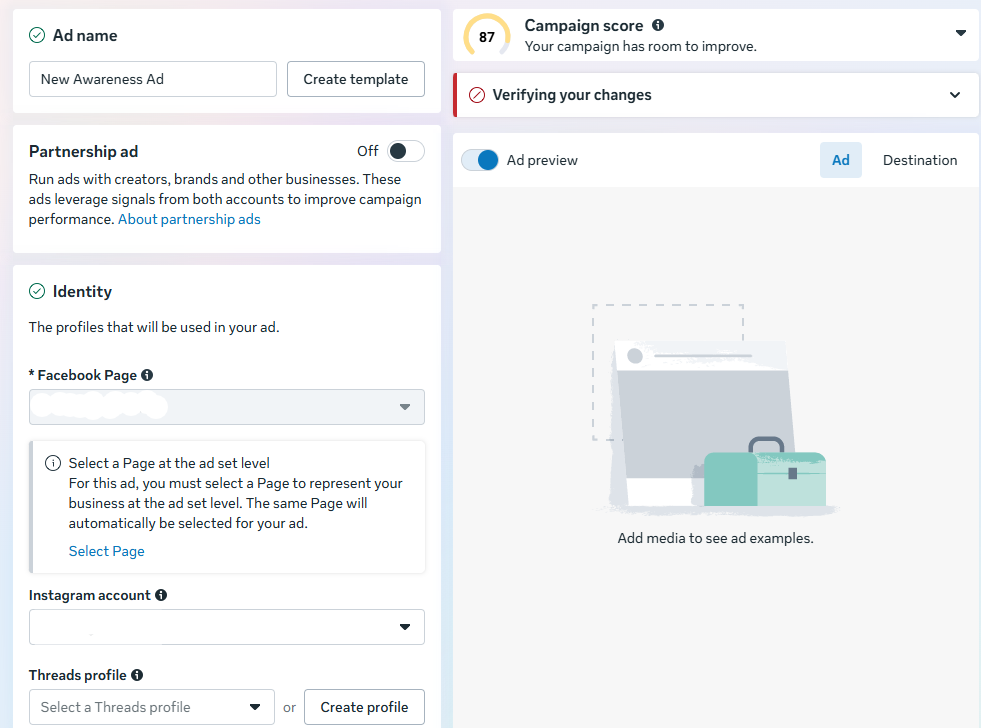
- The Ad Level: This is the "what." This tier contains the actual creative elements, including images, videos, ad copy, and the call-to-action (CTA).
The Evolution of Meta’s Ad Delivery: The Rise of AI
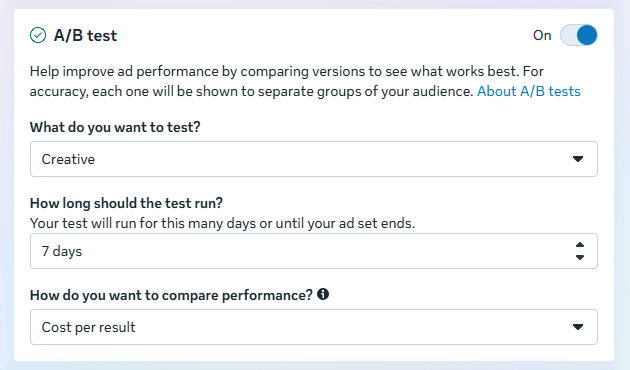
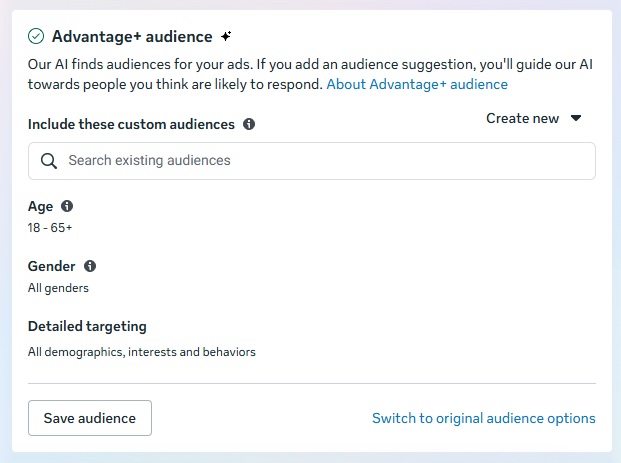
In recent years, Meta has shifted from manual, granular controls to AI-driven automation. Tools such as "Meta Advantage+" have fundamentally changed the landscape of ad management. By utilizing machine learning, these features analyze millions of data points to optimize campaigns in real time. Instead of requiring a human to manually adjust targeting, the system identifies the users most likely to take action, significantly reducing the administrative burden on advertisers.
For businesses without massive data science teams, these automated features represent a significant leveling of the playing field. The AI can test hundreds of variations of copy and visuals simultaneously, shifting spend toward the highest-performing combinations without requiring constant manual intervention.
Establishing Pre-Launch Benchmarks
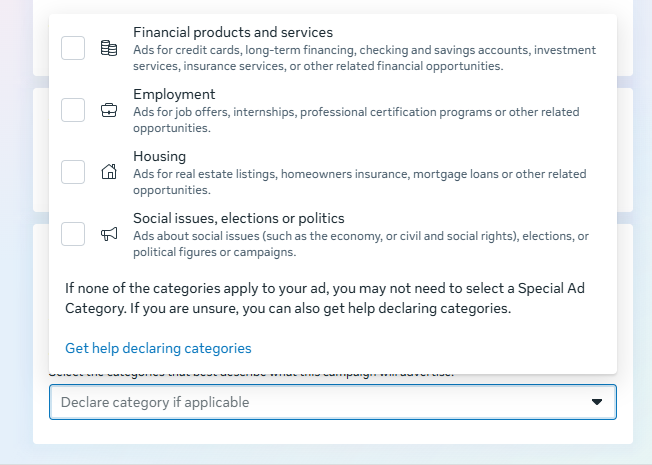
Before launching a campaign, an organization must define what constitutes success. If an ad objective is set to "Lead Generation," the business must know the lifetime value of a lead to determine an acceptable Cost Per Lead (CPL). Failure to align advertising goals with broader business objectives often results in "vanity metrics," such as high click-through rates that do not translate into actual revenue.
It is also vital to ensure technical infrastructure is in place. The Meta Pixel, a snippet of code placed on a company’s website, is the most important technical component for effective tracking. It allows businesses to measure conversions, build custom audiences for retargeting, and optimize future campaigns based on actual user behavior on their site.
Step-by-Step Implementation
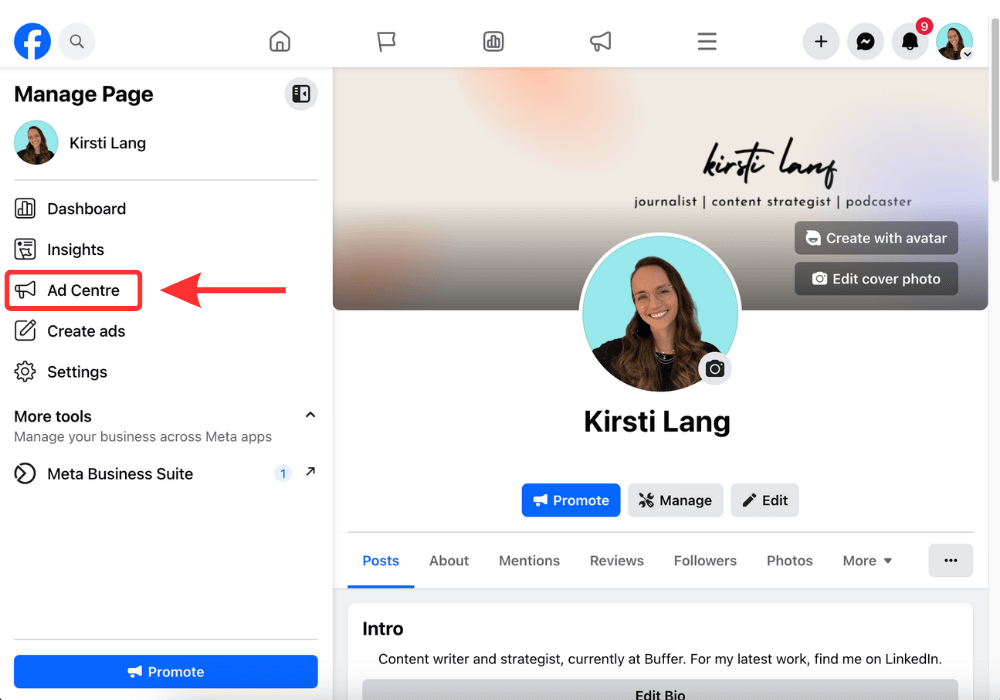
- Account Setup: Ensure you have a verified business page and a secure payment method linked to your Ads Manager account. If you are operating on behalf of a brand, utilize Business Manager to manage team roles and permissions centrally.
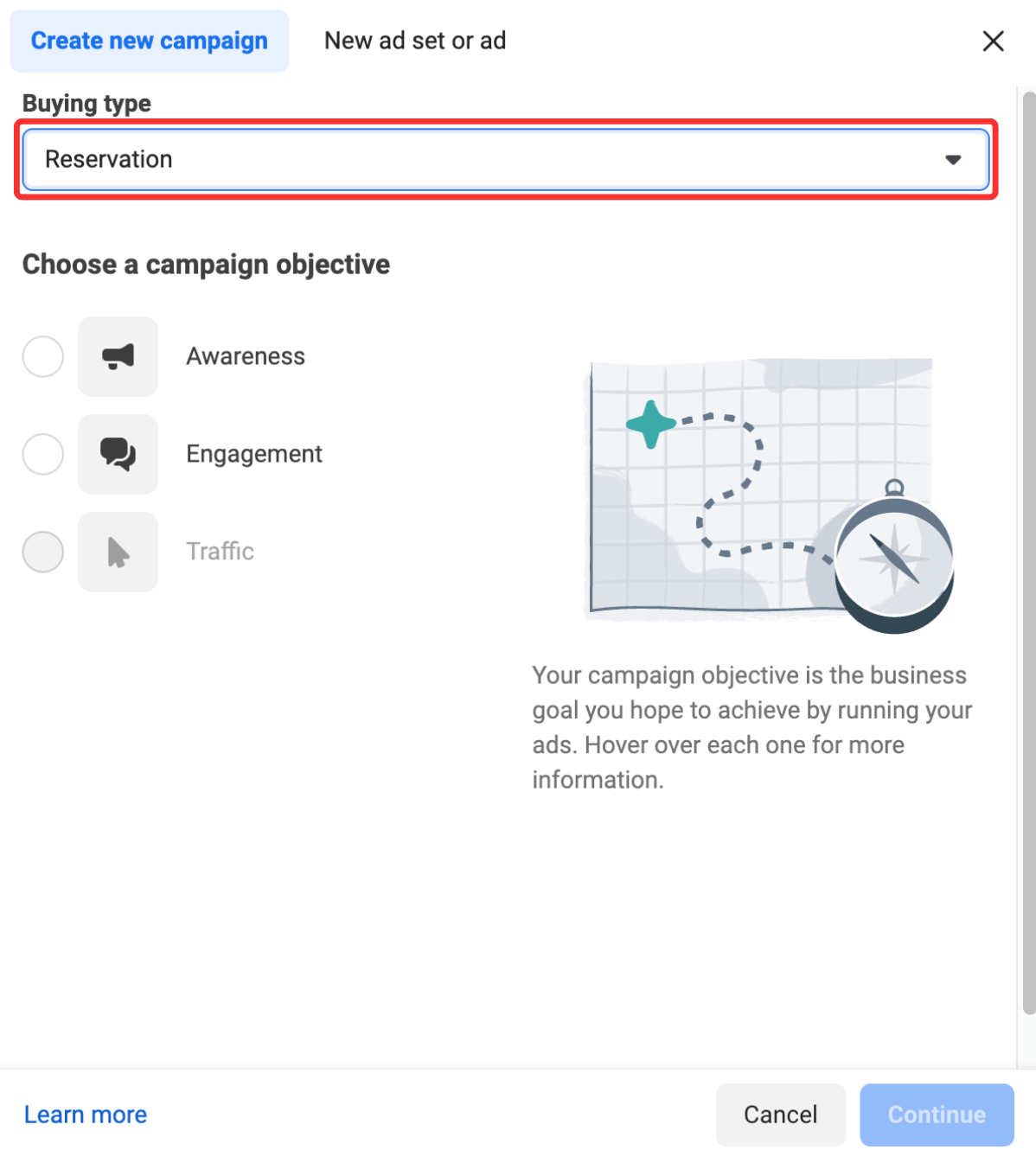
- Buying Types: Choose between "Auction" (which offers flexibility and dynamic pricing) and "Reservation" (which allows for predictable delivery and fixed costs, ideal for large-scale brand awareness campaigns).
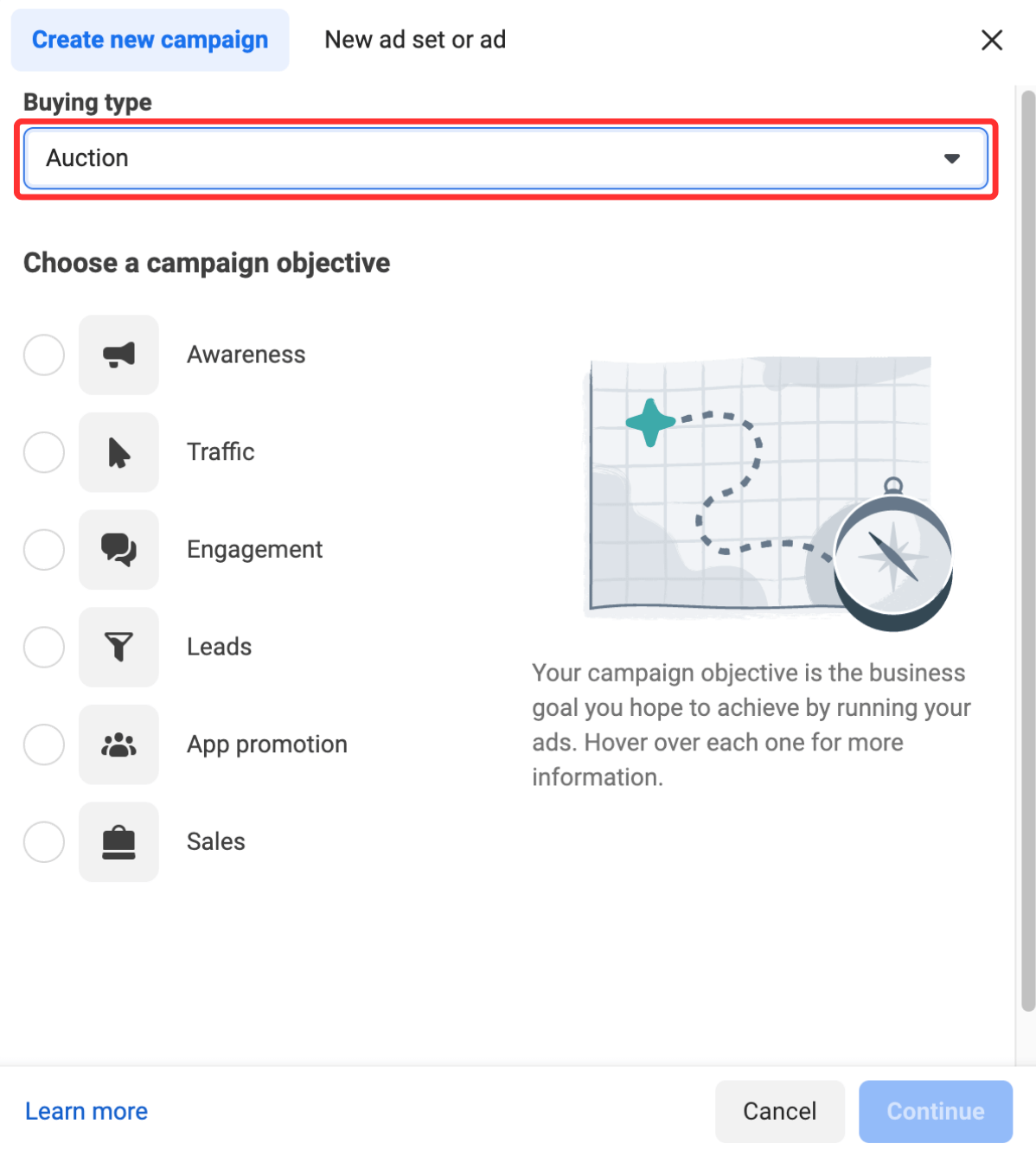
- Campaign Objective Selection: Choose from the six primary categories: Awareness, Traffic, Engagement, Leads, App Promotion, or Sales.
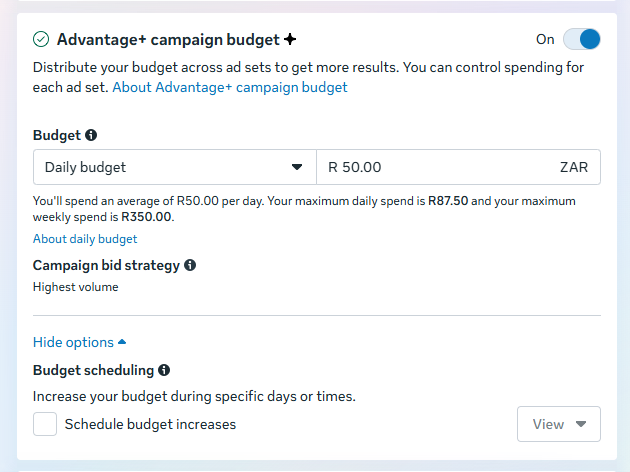
- Budgeting: Meta allows for a minimum spend of roughly $1 per day per ad set. However, data from industry benchmarks suggests that for meaningful results, a higher daily budget is necessary to exit the "learning phase," during which the algorithm gathers enough data to optimize efficiently.
- Audience Customization: While manual targeting by age, location, and interests is still available, the industry is trending toward broader audiences combined with Advantage+ settings, allowing the platform’s AI to find your customers for you.
- Creative Execution: Whether using single images, carousels, or collection ads, ensure all creative adheres to the platform’s technical specifications. A common pitfall is ignoring dimension requirements, leading to cropped or low-quality visuals that diminish brand credibility.
- Review and Launch: Once the ad is submitted, it enters a review process, typically completed within 24 hours, where Meta evaluates the content against community guidelines and advertising standards.
Data-Driven Reality: Cost and Performance
Cost-per-click (CPC) varies significantly across industries, reflecting the competitive nature of different markets. For instance, the retail sector often sees a lower average CPC, whereas the finance and insurance sectors command higher prices due to the high lifetime value of their customers. Advertisers should treat these industry averages as baselines rather than guarantees.
According to market research, the average CPC across all industries is approximately $1.72. However, these figures are highly volatile and dependent on the quality score of the ad, the competitiveness of the targeted audience, and the overall relevance of the content.
The "Learning Phase" and Optimization
A common mistake made by new advertisers is prematurely ending a campaign. When an ad is launched, it enters a "learning phase." During this time, the algorithm is testing the ad against different audience segments to determine the best distribution strategy. Making significant edits—such as changing the budget, targeting, or creative—during this phase resets the learning process, which can lead to inefficient spend and poor performance.
Industry experts recommend allowing a campaign to run for three to seven days before making any major adjustments. This period allows the platform to accumulate enough data to make informed optimizations. If a campaign fails to perform after this window, it is time to pivot the creative or adjust the targeting parameters.
Addressing Common Limitations
While Meta provides powerful tools for reach, it is not a panacea for all marketing challenges. If a product or service requires a complex explanation or a long sales cycle, Facebook ads may struggle to convert users in a single click. In such cases, the ad should be used as a top-of-funnel tool to drive traffic to a content-rich landing page, rather than as a direct conversion mechanism.
Furthermore, privacy regulations—such as Apple’s App Tracking Transparency (ATT) framework—have forced a shift in how tracking occurs. Advertisers are increasingly relying on first-party data and server-side tracking (via the Conversions API) to maintain visibility into user journeys, making technical setup more critical than ever.
The Future of Social Advertising
As artificial intelligence continues to refine the ad-buying process, the role of the human marketer is evolving from manual setup to strategic oversight. The focus is shifting toward creative excellence—the ability to produce compelling content that resonates with human emotions—because the machines can handle the logistics of delivery, but they cannot yet replace the nuance of brand storytelling.
For those just starting, the advice remains consistent: begin with a clear, measurable goal, ensure your technical tracking is robust, and lean into the automation tools Meta provides. By combining these modern efficiencies with a clear understanding of your audience, even the most daunting interface becomes a powerful engine for business growth. The journey from opening the Ads Manager for the first time to launching a high-performing, revenue-generating campaign is a process of learning, testing, and refining—a cycle that, when done correctly, delivers consistent results in an increasingly digital marketplace.