Comprehensive Strategic Marketing Strategies and Cultural Observances for the Month of May


The month of May represents a critical juncture in the annual marketing calendar, serving as a transitional period between the conclusion of the first quarter and the commencement of the summer retail season. Beyond the traditional pillars of Mother’s Day and Memorial Day, May offers a diverse array of creative, compassionate, and community-focused opportunities for businesses to engage with their target demographics. This period is characterized by a significant uptick in consumer activity driven by seasonal shifts, social awareness campaigns, and high-profile cultural events. For small and medium-sized enterprises (SMEs), navigating this landscape requires a sophisticated understanding of both traditional retail holidays and emerging social observances that influence modern consumer behavior.

Strategic Overview of May Observances
The marketing potential of May is rooted in its multifaceted nature, encompassing health awareness, diversity initiatives, and lifestyle transitions. From a strategic perspective, the month allows brands to pivot from purely transactional relationships to more meaningful, value-based connections. Data from industry reports suggests that consumers increasingly favor brands that align with their social values, making May’s heavy emphasis on Diversity, Equity, and Inclusion (DEI) and mental health particularly relevant.
Diversity, Equity, and Inclusion (DEI) Frameworks
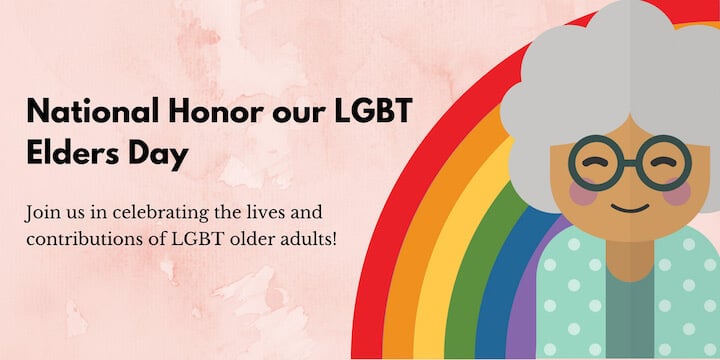
May serves as a focal point for several heritage and identity-based observances. Jewish American Heritage Month, Haitian Heritage Month, and Asian American and Pacific Islander (AAPI) Heritage Month provide platforms for businesses to celebrate cultural contributions. Furthermore, National Honor Our LGBT Elders Day on May 16, an initiative originally spearheaded by Chase Brexton Health Care, offers a specific opportunity to recognize the historical figures of the LGBTQ+ movement.
Industry analysts note that DEI marketing in May must move beyond performative gestures. Effective strategies include highlighting the stories of diverse employees, partnering with minority-owned businesses, or donating a portion of proceeds to relevant advocacy groups. National Foster Care Month also falls in May, encouraging businesses to support child welfare systems—a move that resonates with the growing consumer segment that prioritizes corporate social responsibility.

Health and Mental Wellness Initiatives
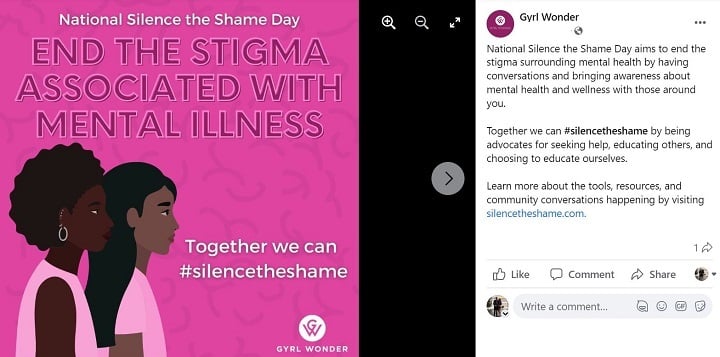
Mental Health Awareness Month remains one of the most significant observances in May. Within this framework, National Silence the Shame Day (May 5) focuses specifically on removing the stigma associated with mental health challenges. For businesses, this translates into an opportunity to foster workplace wellness and share educational resources with their audience.
In addition to mental health, May is designated as Correct Posture Month and encompasses National Women’s Health Week. These health-centric themes are particularly effective for fitness centers, healthcare providers, and ergonomic furniture manufacturers. By providing expert advice and health-related content, brands can position themselves as thought leaders in the wellness space.

Chronological Marketing Milestones
The timeline of May is punctuated by several high-impact weeks and specific holidays that dictate consumer spending patterns and social media engagement.
The First Week: Small Business Advocacy
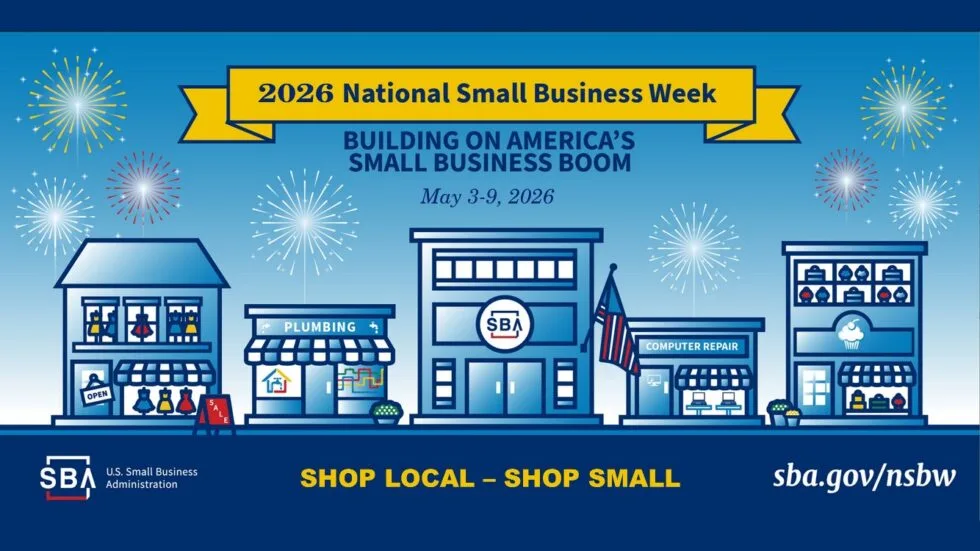
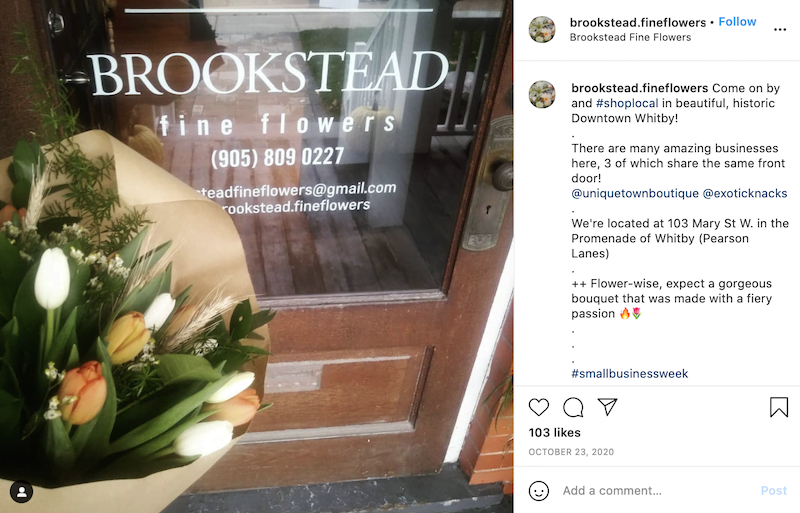
National Small Business Week, typically observed during the first full week of May, is a cornerstone for the American economy. The U.S. Small Business Administration (SBA) utilizes this time to highlight the impact of entrepreneurs and small business owners. For SMEs, this week is an ideal time to launch "behind-the-scenes" content, offer community-exclusive discounts, and collaborate with other local vendors. Historical data indicates that localized marketing efforts during this week can lead to a sustained increase in foot traffic and digital engagement throughout the month.
Mid-Month Milestones: Cultural and Personal Celebrations
May 4, colloquially known as Star Wars Day ("May the Fourth Be With You"), has evolved from a niche fan observance into a mainstream marketing phenomenon. Brands across all sectors now utilize the theme for creative copy, trivia events, and limited-edition product launches.
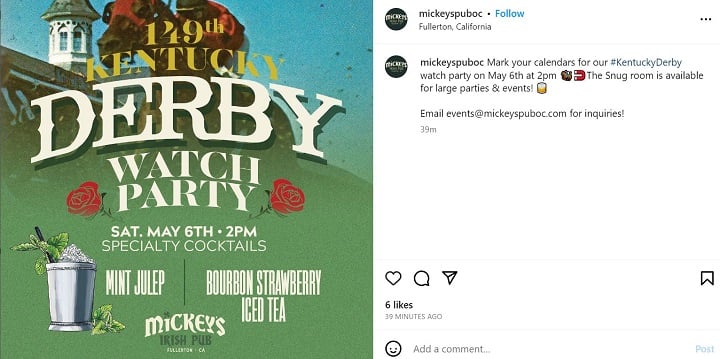
Simultaneously, Cinco de Mayo (May 5) and the Kentucky Derby provide opportunities for event-based marketing. While Cinco de Mayo is a significant driver for the food and beverage industry, the Kentucky Derby offers a platform for fashion and lifestyle brands to showcase "derby-style" aesthetics. Analysts suggest that the key to success for these events lies in authenticity and cultural sensitivity, ensuring that promotions respect the origins of the celebrations.

Mother’s Day and the Economic Impact
Mother’s Day remains the dominant commercial driver in May. According to the National Retail Federation (NRF), annual spending for Mother’s Day frequently reaches record highs, with consumers investing heavily in jewelry, electronics, and experiential gifts like brunch or spa days. For businesses, the marketing window for Mother’s Day begins in mid-April and culminates in the second Sunday of May. Strategies often include curated gift guides, early-bird promotions, and personalized email marketing campaigns designed to alleviate the stress of last-minute shopping.
Supporting Data and Channel Efficacy
In 2026, the efficacy of various marketing channels continues to shift, yet traditional methods remain surprisingly robust when integrated with digital strategies.

The Resurgence of Direct Mail and Print
Contrary to the narrative of total digitization, direct mail remains a powerful tool for localized May campaigns. Recent reports indicate that 94% of businesses find that direct mail enhances customer engagement and conversion rates. Sending "Happy May" mailers with integrated QR codes or physical coupons can bridge the gap between physical and digital storefronts.

Similarly, print advertising maintains a high level of consumer trust. Statistics show that 82% of consumers trust print ads when making purchasing decisions. For seasonal services like landscaping or spring cleaning, print advertisements in local newspapers or industry-specific journals provide a sense of legitimacy and community presence that digital ads sometimes lack.

AI Integration and Programmatic Advertising
The use of Artificial Intelligence (AI) in May marketing has moved toward prompt customization. Marketers are now using AI to adjust ad copy to reflect the specific "vibe" of May—focusing on themes of growth, renewal, and spring cleaning. Furthermore, businesses are increasingly looking beyond the Google and Microsoft Display Networks, opting for "owned and operated" display slots on major media sites to reach specific demographics at a lower cost-per-acquisition.

Broader Implications for Brand Strategy
The activities of May serve as a precursor to the summer season, making it an essential time for "marketing spring cleaning." This involves auditing digital assets, updating social media profiles with seasonal imagery, and ensuring that website links are functional ahead of the summer rush.
The Start of Wedding and Graduation Season
May marks the unofficial beginning of wedding season and the peak of graduation preparations. This creates a secondary market for event planners, caterers, photographers, and apparel retailers. Even businesses not directly involved in the wedding industry can capitalize on this by offering "gift registry" style promotions or "graduation survival kits."
Patriotic Observances and Memorial Day
The month concludes with Memorial Day, a somber day of remembrance that also serves as the unofficial start of summer. Marketing during this period requires a delicate balance. While it is a major weekend for retail sales—particularly in the automotive and home appliance sectors—the core of the observance is honoring fallen military personnel. Successful brands often separate their "start of summer" promotions from their "tributes to heroes" to maintain a respectful and professional tone.

Conclusion and Future Outlook
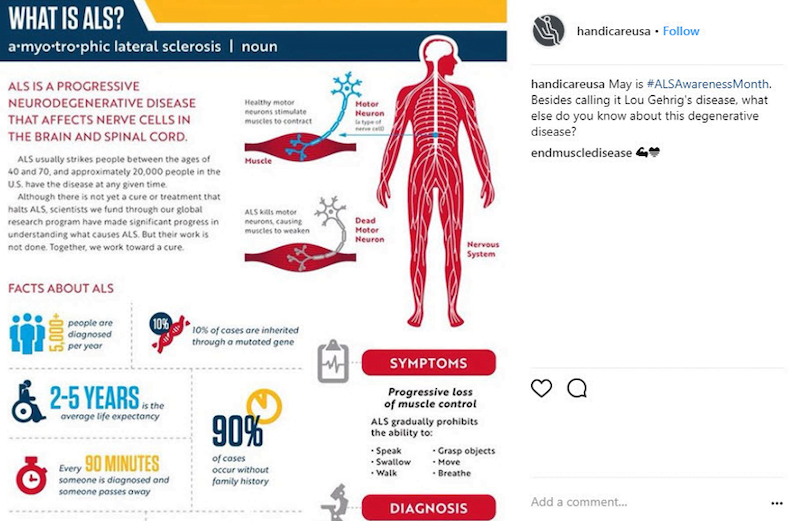
The complexity of May marketing lies in its density. With nearly 100 distinct observances ranging from National Limerick Day to ALS Awareness, businesses must be selective, choosing themes that align authentically with their brand identity. The integration of DEI initiatives, mental health advocacy, and traditional retail holidays creates a robust framework for engagement.

As consumer expectations continue to evolve, the businesses that succeed in May will be those that prioritize empathy, community support, and multi-channel consistency. By utilizing a comprehensive marketing calendar and leveraging both AI-driven efficiency and the proven trust of print media, organizations can maximize their reach and build lasting loyalty during this vibrant month. Following up on May campaigns with detailed analytics and lead nurturing will ensure that the momentum generated in the spring carries forward into a successful summer quarter.