Goodwipes and the Strategic Disruption of the Toilet Paper Industry Through Unconventional Marketing and Cultural Commentary

The personal hygiene market, long dominated by established conglomerates and legacy toilet paper brands, is currently undergoing a period of intense disruption. At the forefront of this shift is Goodwipes, a brand founded by Sam Nebel and Charlie Siciak with the explicit goal of challenging traditional bathroom habits. From their origins as campus-based evangelists at Florida State University to their current status as a national disruptor, the company has utilized humor, shock-value partnerships, and a keen understanding of digital subcultures to normalize the use of flushable wipes as a standard hygiene practice.
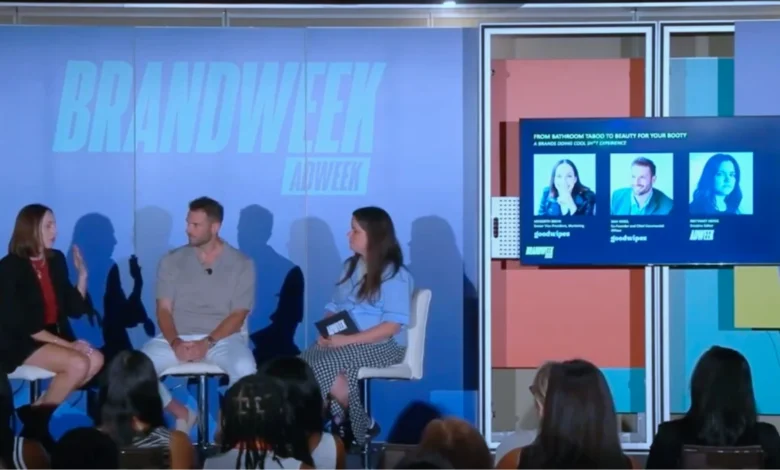
During a recent appearance at the Brandweek Brand Doing Cool Sh*t Experience, Nebel and Goodwipes’ SVP of Marketing, Meredith Diehn, outlined the strategic framework behind the brand’s unconventional growth. By leveraging bold collaborations—such as those with beverage disruptor Liquid Death and gut-health brand Olipop—Goodwipes is effectively converting what was once a taboo subject into a topic of mainstream conversation.
A Chronology of Disruption: From Dorm Rooms to Digital Campaigns
The trajectory of Goodwipes began with a modest mission: to destigmatize the use of wipes in a culture where the conversation around bathroom habits was largely silenced. In the early days at Florida State University, Nebel and Siciak focused on direct-to-consumer education, acting as "baby wipes evangelists." This grassroots effort laid the foundation for the company’s current, more aggressive marketing strategy.
Over the last several years, the company has scaled its operations by shifting from purely educational messaging to provocative brand stunts. Key milestones in this evolution include:
- Early Development: The initial phase focused on overcoming the "taboo" of adult wet wipe usage through direct consumer interaction.
- The "Death to Dry" Era: Establishing a cohesive brand identity that positions dry toilet paper as an inferior, outdated technology.
- The Partnership Pivot: Beginning in 2023 and accelerating into 2024, the brand initiated a series of high-profile, often jarring, collaborations.
- The "Buttler" Campaign: A headline-grabbing sweepstakes offering one lucky consumer a "live-in butt-wiper," designed to maximize earned media and brand visibility.
- Strategic Alignment: The integration of clinical, health-focused messaging with "crass" humor to bridge the gap between medical necessity and lifestyle choice.
The Anatomy of a Strategic Partnership
Goodwipes’ recent marketing efforts are characterized by what Diehn refers to as "strategic shock value." The objective is not merely to capture attention, but to force consumers to re-evaluate their daily hygiene routines.
The collaboration with Liquid Death serves as a prime example of this strategy. By launching a limited-edition "sCREAM Soda" scented wipe, the brands played on the shared mission of "hydration," albeit in vastly different contexts. While Liquid Death focuses on hydration via water consumption, Goodwipes focuses on the "hydration" of the skin through cleaning. As Diehn noted during the Brandweek session, the collaboration appears nonsensical at first glance, but upon further reflection, it aligns with a shared ethos of disrupting boring, legacy industries.
Similarly, the April Fool’s Day collaboration with Olipop—which introduced a "Peaches & Cream" scented wipe—underpinned the tagline, "Treat your butt as good as your gut." This partnership was rooted in a logical connection: Olipop’s focus on fiber and digestive health naturally intersects with the concerns of consumers who are already conscious of their bathroom habits.
Market Context and Consumer Behavior
The global wet wipe market has seen steady growth over the past decade. According to market research firm Grand View Research, the global wet wipes market size was valued at approximately $20 billion in 2022 and is expected to grow at a compound annual growth rate (CAGR) of over 5% through 2030. Much of this growth is attributed to rising consumer awareness regarding personal hygiene and a shift in preferences toward more effective, convenient solutions compared to traditional dry paper.
However, Goodwipes faces significant hurdles, primarily centered on consumer inertia. Changing an everyday behavior, particularly one as ingrained and private as bathroom usage, requires more than just product availability; it requires a cultural shift. The "taboo" factor remains a substantial barrier. To counter this, the brand’s in-house creative team, supported by external agencies, actively monitors "mini-moments" within digital communities. By tapping into existing social media trends—such as the "hot girls have IBS" movement or the frank discussions held by running communities regarding gastrointestinal issues—Goodwipes avoids the need to manufacture new conversations, instead inserting themselves into discussions where they can speak with authenticity.
Striking the Balance: Clinical Accuracy vs. Brand Personality
A critical challenge for any hygiene brand is maintaining the balance between entertainment and efficacy. If the messaging is too clinical, it risks becoming boring and failing to capture the Gen Z and Millennial demographics that fuel the brand’s growth. If it is too "crass," it risks losing the trust of consumers who are concerned about dermatological health and the potential for irritation.
Diehn emphasizes that the brand’s goal is to "rip off the Band-Aid" and provide consumers with the permission to discuss bathroom hygiene openly. This is achieved by alternating between humor that breaks the tension and factual explanations regarding the benefits of wipes over dry paper. By doing so, the brand positions itself not just as a product manufacturer, but as an authority on personal care.
Operational Strategy: The Power of In-House Creativity
Unlike many legacy brands that outsource the entirety of their creative output, Goodwipes maintains a hybrid model. The company utilizes a core team of three in-house creatives to oversee the brand’s voice and maintain consistency across its digital touchpoints. For larger, more complex campaigns, this team collaborates with external agencies.
This structure allows for agility. In an era where internet trends move with extreme velocity, the ability to pivot and capitalize on real-time conversations is a distinct competitive advantage. The brand’s ability to spoof emerging technologies, such as their recent ad campaign satirizing OpenAI’s Astra, demonstrates a level of cultural fluency that is rarely seen in the personal hygiene sector.
Broader Implications and Future Outlook
The success of Goodwipes’ marketing strategy suggests a broader trend in consumer packaged goods (CPG): the era of the "polite" brand is waning. As consumers grow increasingly skeptical of traditional advertising, brands that lean into their own quirks and embrace the messiness of human reality are seeing higher engagement rates.
The implications for the toilet paper industry are significant. If startups like Goodwipes successfully shift the standard of care from dry to wet, legacy players will be forced to either innovate their product lines or invest heavily in rebranding to remain relevant.
Looking ahead, Goodwipes is preparing for the holiday season, a time when household inventory becomes a primary concern for consumers hosting guests. By framing their products as a "bathroom essential" for the holidays, the company is attempting to move beyond the novelty of their viral stunts and cement their place as a staple in the American household.
Whether or not the brand can maintain its "disruptor" status as it gains market share remains to be seen. However, by effectively blending humor with a genuine health mission, Goodwipes has proven that there is a significant audience ready to abandon the status quo in favor of a more modern, hygienic experience. The transition from a taboo topic to a normalized, and even celebrated, part of the daily routine appears to be well underway, with Goodwipes leading the charge.