Navigating Facebook Verification: How to Secure and Maintain Your Coveted Blue Checkmark

In the contemporary digital landscape, establishing authenticity and securing brand integrity on social media have become paramount concerns for businesses, public figures, and content creators alike. As digital impersonation and sophisticated scams proliferate across major social platforms, platforms like Meta have implemented rigorous credential systems to safeguard user trust. Among these measures, the verification badge—universally recognized as the blue checkmark—serves as the gold standard for proving a profile or page is legitimate. However, securing this digital stamp of approval involves a complex, often opaque procedure. Understanding the nuances of Facebook’s verification protocol is essential for any brand seeking to protect its identity and elevate its search visibility.
The evolution of digital verification dates back over a decade. In May 2013, Facebook officially adopted a strategy pioneered by Twitter, introducing verified pages and profiles to give high-profile public figures, celebrities, and major media outlets a definitive way to authenticate their presence. Initially restricted to elite accounts with massive public visibility, the verification framework expanded in 2018 to encompass Pages with substantial follower counts. Over subsequent years, Meta further democratized the process, extending eligibility to individual profiles and businesses meeting specific prominence criteria, while phasing out legacy markers such as gray checkmarks and Marketplace verifications to streamline the user experience.
Despite the simplicity of the single-page application form provided in Facebook’s Help Center, submitting a request without adequate preparation frequently results in rejection. Meta evaluates applicants against strict criteria, fundamentally examining whether an account is authentic, unique, complete, and notable. To maximize the likelihood of approval, applicants must approach the submission process methodically, beginning with rigorous foundational preparation.
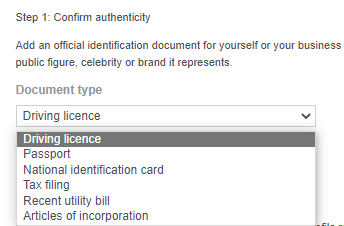
Before initiating the application, account owners must determine whether they are applying for a personal profile or a business Page. Logging into the designated Facebook account ensures that the verification request form automatically detects eligible assets, requiring only a valid URL for profiles. The subsequent phase involves confirming authenticity through official government-issued identification. For individuals, acceptable documentation typically includes a driver’s license, passport, or national identification card. For businesses and corporate entities, Facebook requires official documentation such as tax filings, articles of incorporation, or utility bills in the company’s name. This stringent document review process is designed to prevent fraudulent actors from successfully impersonating genuine public entities.
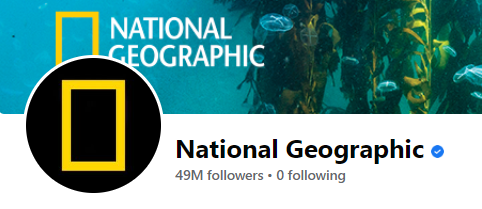
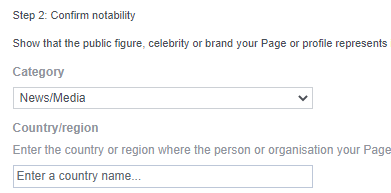
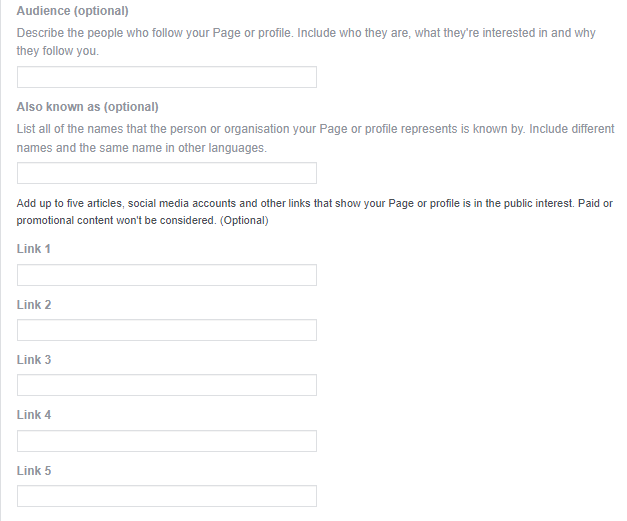
Beyond baseline identity verification, applicants must substantiate their notability. Meta explicitly seeks to verify accounts that represent well-known, highly searched individuals, brands, or organizations facing a genuine risk of impersonation. The application requires users to specify their account category, primary geographic region of popularity, and targeted audience demographics. Furthermore, applicants are strongly advised to provide up to five independent digital links—such as news articles, features, or external web properties—that demonstrate public interest and widespread recognition. Paid or promotional content is strictly excluded from consideration during this evaluation phase.
Industry analysts emphasize that maintaining an optimized and professional digital footprint prior to application is critical. Digital marketing experts recommend conducting a comprehensive audit of existing company information before submission. Essential steps include ensuring that profile bios, contact details, and operational hours are entirely accurate. Furthermore, embedding official website links onto the Facebook profile—and conversely, displaying the Facebook Page link prominently on the official website—establishes a verifiable cross-platform digital ecosystem that reinforces organizational legitimacy. Maintaining consistent brand aesthetics and adhering strictly to professional publishing standards also prevent algorithmic or manual disqualification during the review stage.
Once an application is successfully submitted, the waiting period generally spans anywhere from 48 hours to 45 days, culminating in an official notification email from Meta regarding the outcome.
Securing the blue checkmark, however, is only the first step; maintaining verification status requires ongoing adherence to platform protocols. Digital security specialists strongly advocate for the immediate implementation of two-factor authentication (2FA) upon receiving verification. Because verified accounts represent high-value targets for malicious actors and hackers, utilizing robust security layers—such as SMS verification codes or third-party authenticator applications—drastically reduces the risk of unauthorized account takeovers.
Furthermore, verified accounts are held to rigorous operational standards. While all users must comply with Meta’s baseline Community Standards regarding harassment and prohibited content, verified creators and businesses must exercise heightened diligence regarding intellectual property and privacy rights, particularly when curating or reposting third-party content. Violations of these policies can result in the swift revocation of the verification badge. Sustaining popularity through active community management, consistent audience engagement, and strategic digital marketing initiatives remains vital for preserving the elevated algorithmic ranking and public trust associated with the blue checkmark.
Ultimately, achieving and retaining Facebook verification functions as a comprehensive exercise in digital reputation management. By meticulously preparing documentation, establishing verifiable notability, and maintaining stringent platform security, brands and influencers can successfully navigate Meta’s vetting ecosystem, securing a permanent asset for long-term digital growth and audience trust.