The Ultimate Guide to Mastering Instagram Captions for Brands and Marketers in 2023


While Instagram remains fundamentally rooted in visual storytelling through high-definition photography, dynamic video reels, and immersive graphics, modern digital marketing strategy demands a more holistic approach. Unlike text-heavy platforms such as Facebook, LinkedIn, or microblogging sites where status updates can stand alone, Instagram requires multimedia assets to initiate a post. However, industry analysts and social media managers increasingly emphasize that captions are no longer secondary afterthought elements; rather, they serve as the vital linchpin for successful audience conversion, community building, and algorithmic visibility.
With over two billion monthly active users navigating an increasingly saturated digital ecosystem, brands face unprecedented challenges in capturing and retaining consumer attention. Crafting compelling, context-rich captions allows organizations to transcend mere aesthetic appreciation, bridging the gap between passive scrolling and active brand engagement. Whether a company seeks to elevate overarching brand awareness, cultivate a loyal community of brand advocates, accelerate community interaction rates, or directly influence bottom-line revenue, deploying sophisticated copywriting techniques is no longer optional—it is a core operational necessity.
Background Context and Platform Evolution

To understand the rising significance of Instagram captions, one must examine the platform’s evolutionary trajectory. Launched in 2010 as a simple square-format photo-sharing application, Instagram has progressively morphed into a robust e-commerce and entertainment powerhouse. Features such as Instagram Shopping, IGTV, Reels, and algorithmic feed prioritization have fundamentally altered how content is consumed and distributed.
In the platform’s early years, concise, emoji-heavy one-liners dominated user behavior. However, as organic reach became more competitive due to algorithmic adjustments favoring high-retention content, marketers realized that visuals alone rarely sufficed to drive meaningful business outcomes. Captions evolved from brief descriptive sentences into comprehensive storytelling tools. Brands began leveraging the allowable 2,200-character limit to share mission statements, behind-the-scenes narratives, educational breakdowns, and detailed product specifications. This shift transformed Instagram from a digital photo album into a sophisticated relationship-building channel where textual context provides emotional resonance to commercial imagery.
Anatomy of an Instagram Caption: Limits and Parameters
Navigating Instagram’s technical constraints is essential for effective content planning. A standard Instagram caption accommodates up to 2,200 characters, which roughly translates to 300 to 400 words depending on formatting and vocabulary. Within this space, creators can integrate textual copy, emojis, and up to 30 distinct hashtags.

A critical limitation inherent to the platform is the inability to include clickable hyperlinks directly within the caption body. With rare exceptions granted to specific verified accounts or paid advertising formats, organic feed posts cannot direct users to external landing pages via a direct link. Consequently, marketers must rely heavily on alternative pathways—such as directing users to the permanent link in the account’s bio, utilizing Instagram Stories link stickers, or optimizing the caption’s call-to-action (CTA) to encourage prompt in-app engagement.
An Analysis of Optimal Length and Engagement Metrics
A common debate among digital marketers concerns ideal caption length. While conventional wisdom frequently suggests keeping copy brief to accommodate short attention spans, recent empirical research challenges this assumption.
Data compiled from extensive social media experiments—such as multi-month studies conducted by industry analytics platforms like Hootsuite—reveal a fascinating correlation between caption length and audience interaction. Specifically, posts featuring captions ranging between 400 and 705 characters consistently outperformed ultra-short posts (those under 65 characters) in terms of overall engagement. Posts within this medium-to-long length threshold provide sufficient contextual depth, allowing brands to tell a complete micro-story, address common customer pain points, or deliver comprehensive educational value.

Conversely, extremely brief captions can still perform exceptionally well under specific conditions—such as when paired with highly emotive imagery, humorous visual punchlines, or trending audio tracks within Reels. The strategic objective is not to adhere rigidly to a single length, but rather to match the copy length to the specific intent of the post.
Strategic Frameworks for Writing High-Converting Captions
Developing consistently high-performing captions requires a structured methodology. Industry experts recommend anchoring every piece of copy in a reliable foundational framework designed to capture attention, deliver value, and prompt action.
Starting Strong with the Value Proposition
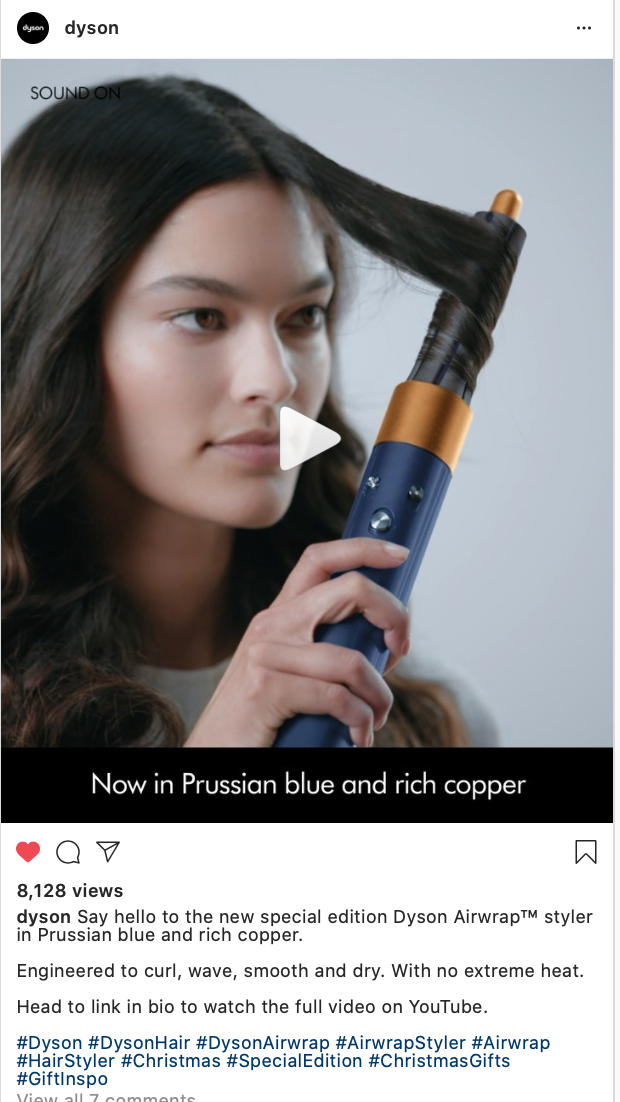
Because users rapidly thumb through endless streams of content, the opening lines of a caption bear the heaviest burden. Content creators must secure a "thumb-stopping" moment within the first one to two visible lines before Instagram truncates the text behind a "more" button.
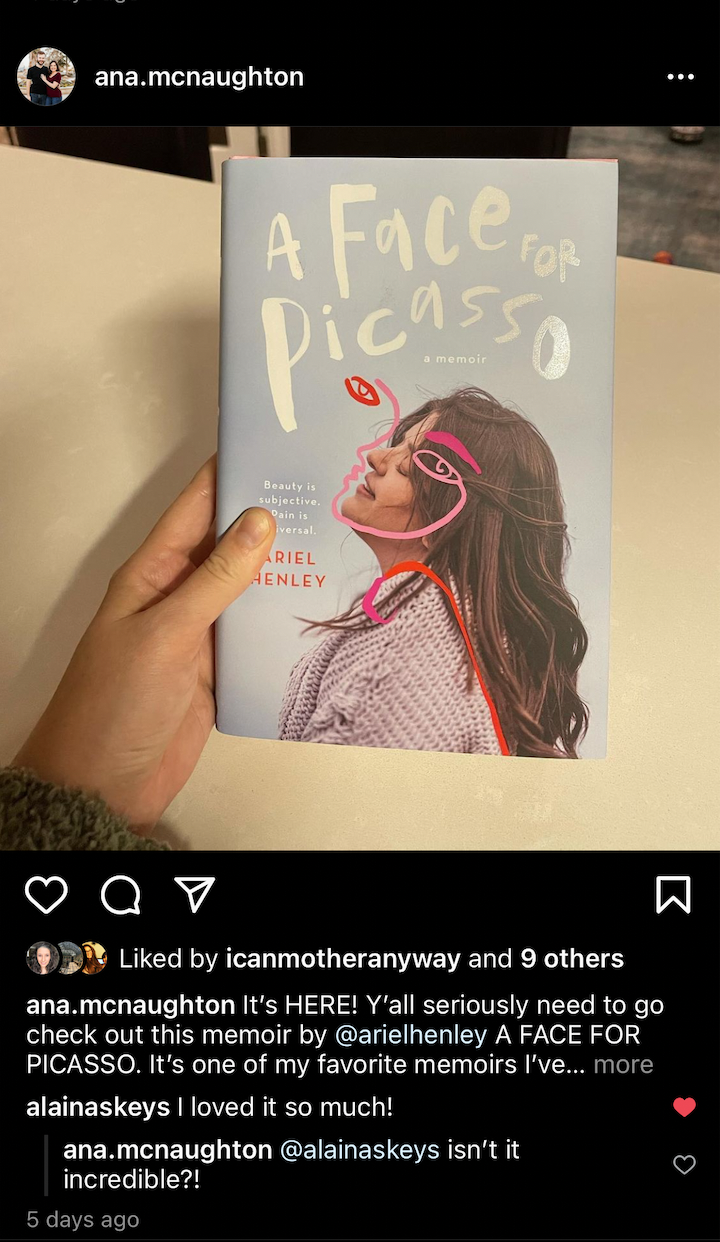
To achieve this, marketers routinely place their primary value proposition at the very beginning of the copy. By clearly articulating what the reader stands to gain—whether it is a time-saving recipe, a practical lifestyle tip, or an exclusive promotional discount—brands incentivize the user to click the expansion button. For instance, home-goods and lifestyle brands frequently succeed by addressing immediate seasonal challenges right away, contrasting simple solutions against the overwhelming complexity often found across competitor feeds during peak holiday shopping periods.
Leveraging Pop Culture and Cultural Resonance
Integrating timely cultural references, widely recognized idioms, or nostalgic callbacks is a proven tactic for increasing content relatability. When brands weave contemporary cultural touchstones, seasonal transitions, or classic cinematic and musical references into their copy, the messaging immediately feels more organic and less sterile.
The psychological mechanism at play is familiarity. When a consumer reads a caption that cleverly plays on a shared cultural moment—such as referencing changing weather patterns, seasonal shifts in wardrobe, or viral internet humor—they experience a micro-moment of connection. This relatability lowers psychological barriers to entry, making the brand appear more human, approachable, and culturally attuned.
Strategic Hashtag Deployment and Discovery Mechanics
Hashtags remain one of the most powerful organic discoverability tools within the Instagram ecosystem. By categorizing content and indexing posts into searchable interest feeds, hashtags allow brands to break out of their existing follower base and reach new, highly targeted demographics.
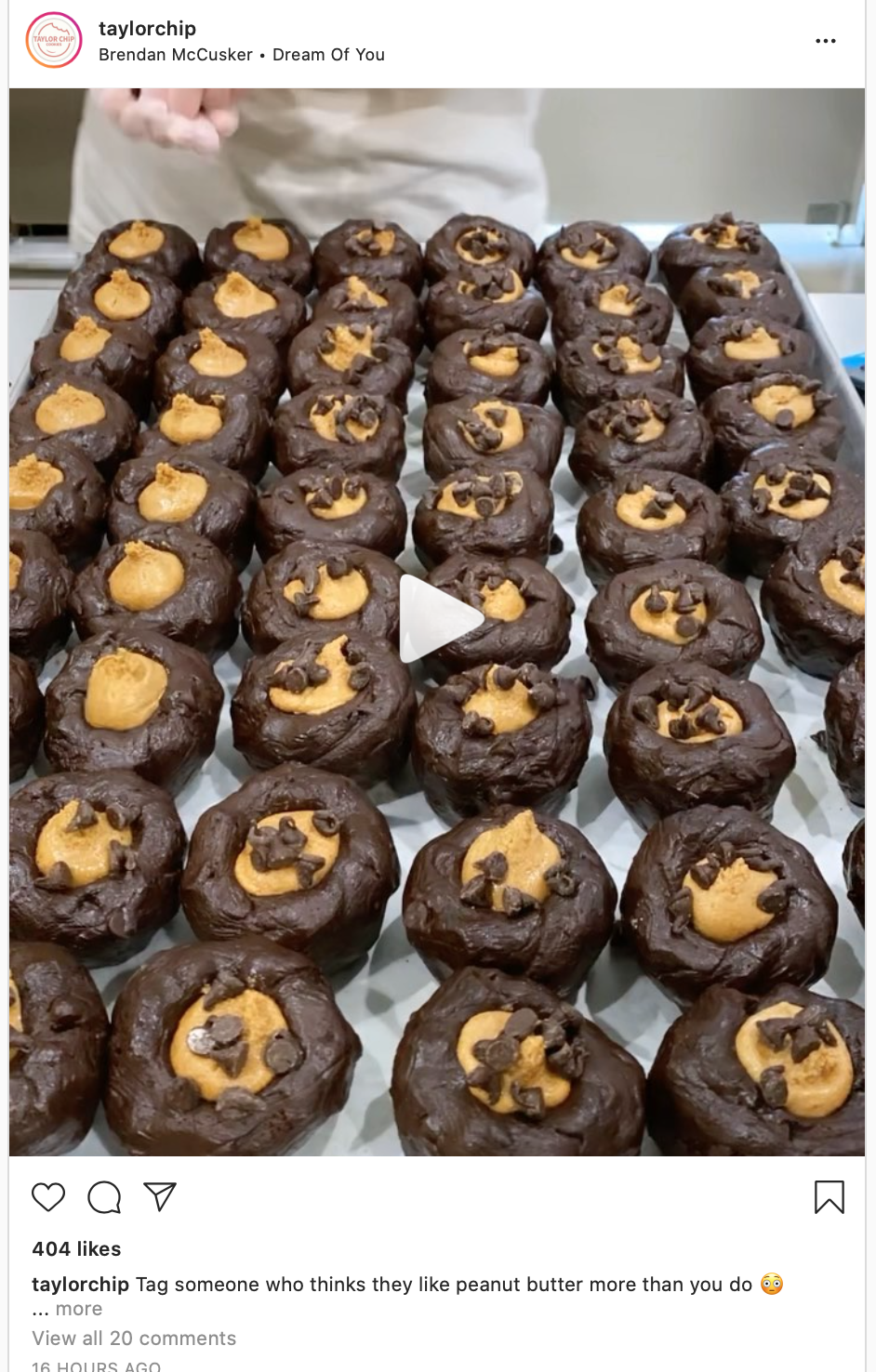
While the platform permits up to 30 hashtags per post, modern social media best practices advise against stuffing captions with excessive, irrelevant tags, which can appear spammy and degrade user experience. Instead, a balanced, diversified hashtag strategy yields the best results. Marketers should curate a healthy mix of:
- Branded hashtags (unique to the company or campaign)
- Seasonal or timely hashtags (reflecting current holidays or events)
- Niche, interest-based hashtags (connecting with specific hobbyists or consumer segments)
- Localized hashtags (ideal for brick-and-mortar businesses targeting regional clientele)
Optimizing for In-App Engagement
Because direct off-platform conversion paths are restricted in organic feed posts, maximizing in-app engagement is paramount. The Instagram algorithmic feed heavily prioritizes content that generates rapid, robust interactions—such as likes, saves, shares, and comments. Higher engagement signals to the platform’s distribution algorithms that the content is valuable, subsequently pushing the post outward to a broader audience.
To stimulate engagement organically, copywriters deploy specific interactive triggers within their captions:
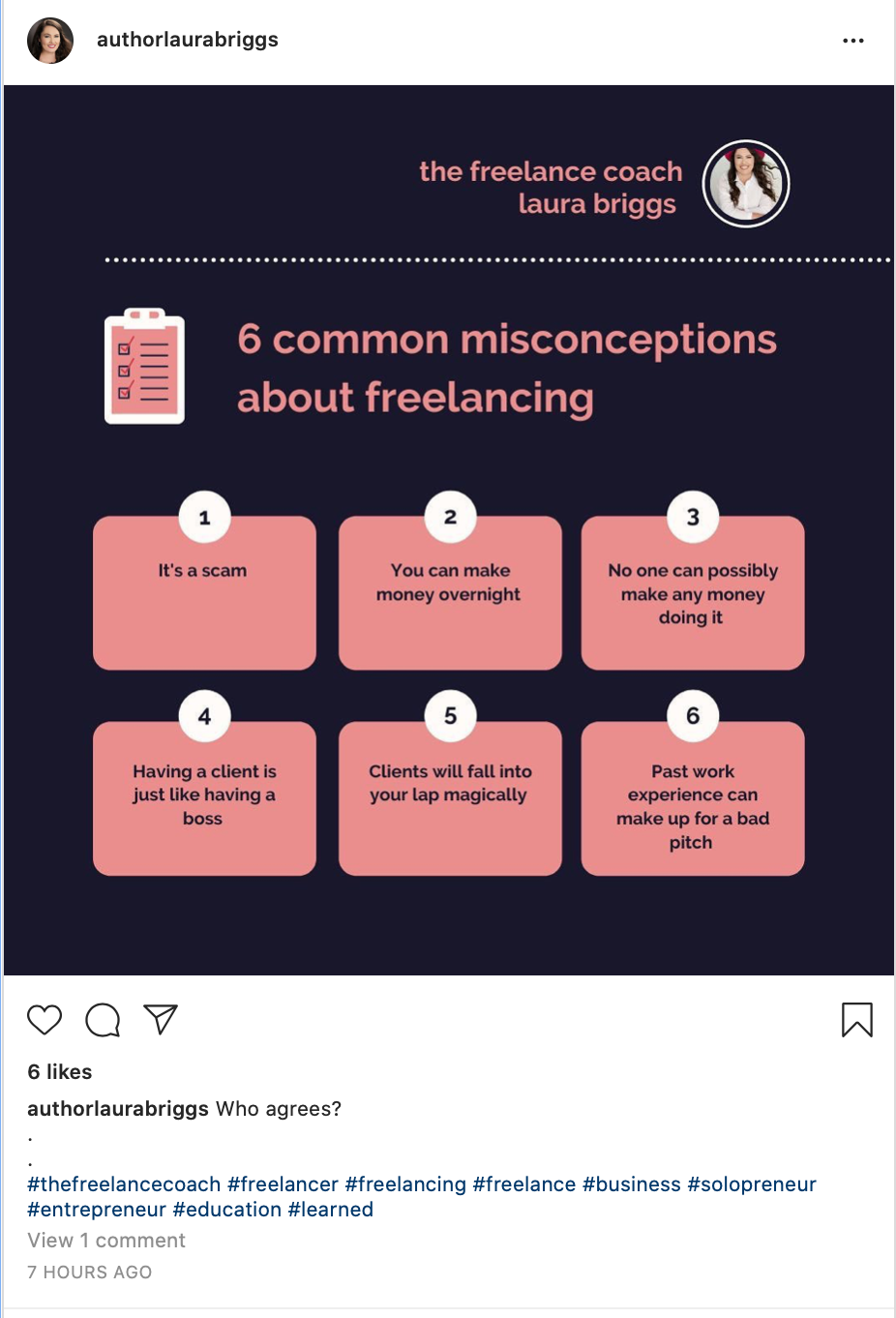
- Direct Questioning: Posing simple, low-friction questions (e.g., "Who else agrees?" or "Which color is your favorite?") prompts passive viewers to pause and leave a comment.
- Peer Tagging: Encouraging users to tag friends in the comments who might relate to the content (e.g., "Tag a friend who needs this coffee motivation") leverages social networks to expand organic reach exponentially.
- Save-Worthy Content: Crafting highly informative, educational, or checklist-style captions encourages users to save the post for future reference, a metric heavily weighted by modern recommendation algorithms.
Crafting Action-Oriented Calls to Action (CTAs)

While engagement metrics build community and expand algorithmic reach, commercial enterprises ultimately operate to drive tangible business outcomes, such as event registrations, lead generation, and product purchases. A well-crafted Call to Action bridges the gap between social media interaction and real-world conversion.
Effective CTAs share distinct characteristics:
- Clarity: The requested action must be unambiguous (e.g., "Click the link in our bio to claim your discount").
- Urgency: Introducing time-sensitive parameters encourages immediate execution rather than delayed procrastination.
- Low Friction: Removing unnecessary administrative barriers ensures the user can transition effortlessly from the app to the destination platform.
Technical Formatting, Editing, and Typography Tips
Mastering the technical nuances of Instagram formatting ensures that a brand’s visual aesthetic extends seamlessly into its textual content.

Paragraph Spacing and Readability
Wall-to-wall blocks of text alienate readers. Professional copywriters utilize clean paragraph breaks, bullet points, and minimalist spacing to enhance readability. To maintain proper spacing on mobile devices without relying on third-party apps, content creators can utilize the return key on their device keyboard, inserting invisible spacing characters or minimalist punctuation marks (such as periods or bullet symbols) between content blocks. This structural division separates the hook from the body text, and cleanly isolates the hashtag block at the conclusion of the post.
Post-Publication Editing Procedures
Digital communication is prone to typographical errors. Fortunately, Instagram permits seamless post-publication editing. If an error is detected after a post goes live, administrators can easily rectify the copy by navigating to the specific post, selecting the three-dot menu icon located in the upper right-hand corner, selecting the "Edit" option from the contextual drop-down menu, revising the text, and tapping save. The updated caption reflects instantly across the platform without requiring the user to delete and re-upload the entire multimedia asset.
Advanced Typography and Font Customization
To differentiate their brand voice visually within crowded feeds, many organizations utilize specialized formatting tools. While Instagram’s native interface relies on a standard system font, external web utilities (such as Unicode-based font generators) allow marketers to copy and paste stylized text—including bolding, italics, cursive scripts, and serif variations—directly into their captions. However, accessibility experts advise caution: excessive use of stylized Unicode fonts can hinder screen readers used by visually impaired consumers, making moderation and legibility primary considerations in accessibility compliance.
Broader Industry Implications and Future Outlook
As the digital marketing landscape matures into 2023 and beyond, the role of the copywriter within social media management will only grow more pronounced. Artificial intelligence writing assistants, evolving content discovery algorithms, and shifting consumer preferences dictate that static, uninspired posting strategies are no longer viable for competitive brands.
Organizations that invest time and resources into refining their caption-writing craft stand to gain a distinct competitive advantage. By treating captions not as an afterthought, but as an indispensable component of an integrated content strategy, brands can foster deeper psychological connections, enhance algorithmic visibility, and successfully guide consumers along the pathway from casual observers to loyal, long-term brand advocates.