Buffer vs Later: A Comprehensive Analysis of Leading Social Media Management Platforms

The digital landscape has transformed social media management from a simple posting task into a sophisticated operational requirement for businesses of all sizes. As organizations increasingly rely on multi-channel strategies to maintain brand visibility, the choice of a management platform has become a critical infrastructure decision. Buffer and Later currently stand as two of the most prominent solutions in the market, each offering distinct architectures designed to solve the challenges of audience engagement, content scheduling, and performance analytics. While both platforms streamline the workflow of digital marketers, they represent fundamentally different philosophies regarding pricing, platform accessibility, and feature prioritization.
Evolution of Social Media Management Tools
The emergence of social media management tools can be traced back to the early 2010s, a period marked by the transition of social networks from personal communication hubs to primary vehicles for brand marketing. Early tools focused strictly on basic scheduling. Over the last decade, however, these platforms have evolved into comprehensive command centers. Buffer, founded in 2010, initially focused on simplicity and cross-platform efficiency. Conversely, Later—originally launched as Latergramme in 2014—positioned itself as a visual-first solution, specifically targeting the aesthetic demands of the Instagram-dominant marketing era.
This divergence in origin explains their current feature sets. Buffer’s development trajectory has prioritized wide-ranging platform support and accessibility, catering to a diverse user base that includes everyone from solo creators to enterprise teams. Later has maintained a specialized focus on the visual supply chain, emphasizing the visual grid, drag-and-drop planning, and integration with commerce-centric workflows.
Comparative Feature Overview and Market Positioning
For a modern brand, selecting between these two requires an analysis of specific operational needs. Buffer offers a robust, channel-agnostic approach. Its infrastructure supports 11 platforms, including professional-leaning networks like LinkedIn and X (formerly Twitter), as well as decentralized networks like Mastodon and Bluesky. Later, by comparison, supports eight platforms, concentrating heavily on visual media formats such as Instagram, Pinterest, and TikTok.
Data from current service tiers reveals significant disparities in accessibility. Buffer provides a permanent free tier that allows for the management of up to three social channels. Later’s free tier is more generous in terms of channel quantity—offering up to eight—but it enforces a strict limitation of one account per platform and excludes advanced features like analytics, which are standard for many users. This creates a clear distinction: Buffer is often the entry point for those needing balanced, functional access across varied platforms, while Later is frequently adopted by brands with highly visual, platform-specific strategies.
Financial Implications and Scaling Models
The pricing models employed by these companies represent a significant factor in total cost of ownership. Buffer utilizes a modular, channel-based pricing system. This allows users to pay only for the specific channels they connect, providing high granularity for small businesses that may not need a full suite of integrations. Paid plans for Buffer start at approximately $6 per month per channel. This predictability is a cornerstone of their value proposition, as it scales linearly with the brand’s growth.
Later utilizes a "social set" model. A social set bundles one profile from each supported platform. This simplifies the management of a single brand presence but can become prohibitively expensive for organizations that manage multiple profiles on the same platform. For instance, an agency managing three different Instagram accounts for various clients would find Buffer’s channel-based approach more cost-effective than Later’s bundled set, which would necessitate the purchase of multiple sets.
Furthermore, user access is a critical differentiator. Buffer’s "Team" plan allows for an unlimited number of users, which is a major advantage for scaling organizations that need to add junior staff or contractors without incurring additional seat-based fees. Later operates on a tiered seat system, where the number of users is strictly capped based on the subscription level. While this model is common in SaaS, it requires managers to closely monitor their headcount-to-cost ratio as their social media departments expand.
Analytical Capabilities and Performance Reporting
The capacity to interpret data is the hallmark of modern social media strategy. Both platforms offer analytics, but they approach the interpretation of raw data differently. Buffer’s "Insights" feature is available across all tiers, providing a baseline of performance data even for free users. The premium version of these analytics uses AI-driven "Takeaways," which distill complex performance charts into actionable advice, such as suggesting optimal posting times or identifying high-performing content themes.
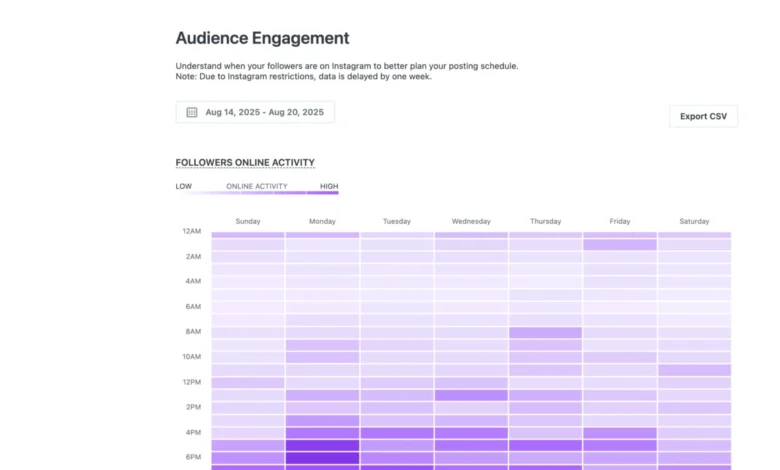
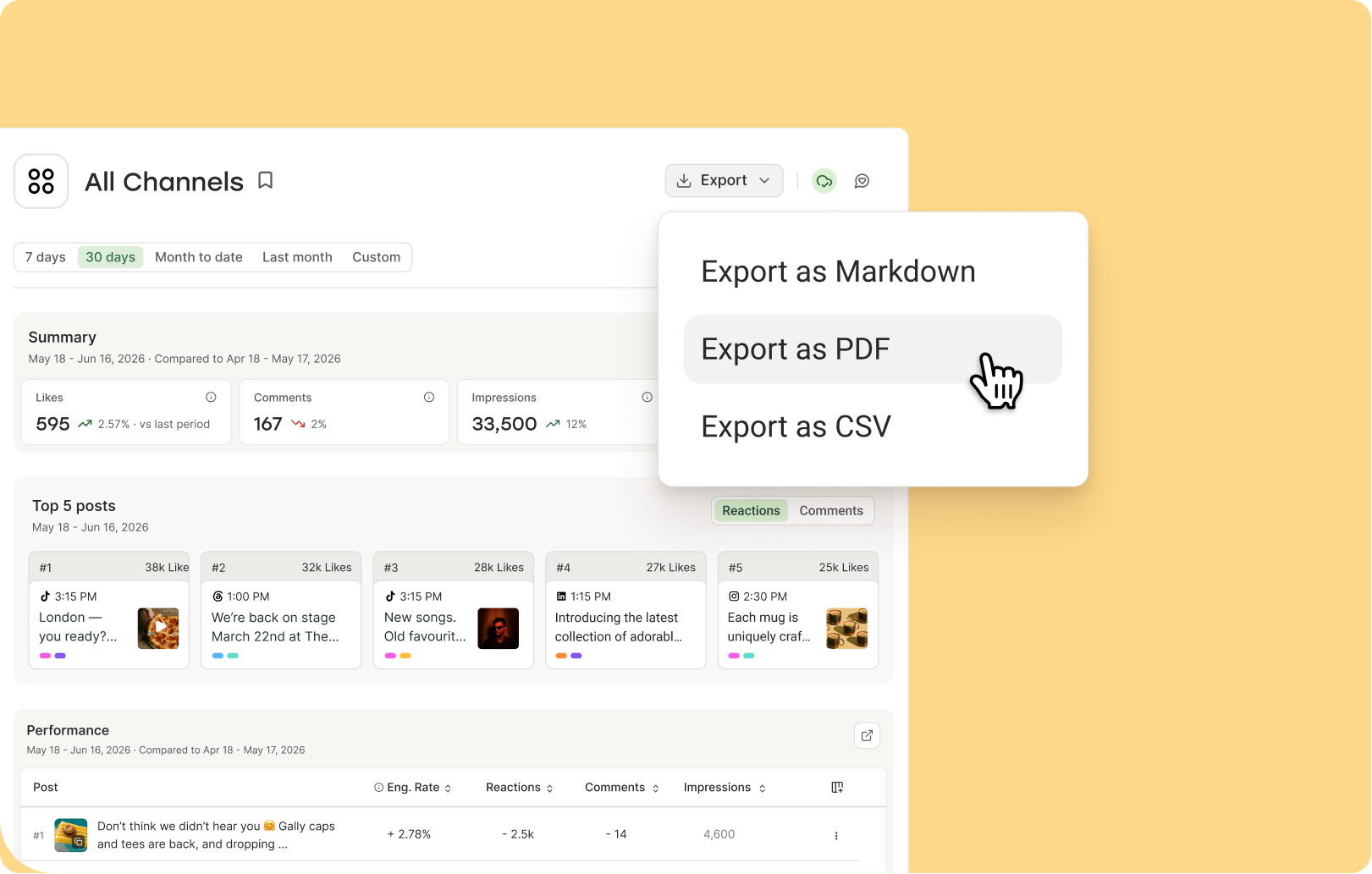
Later provides a deeper dive into demographic-specific data, particularly for Instagram and TikTok. Its heatmap feature, which identifies when followers are most active, is highly regarded by social media managers focusing on real-time engagement. However, the accessibility of this data is gated behind higher-tier plans. While Later offers a granular look at audience demographics, it lacks the unified, simplified reporting export capabilities that Buffer provides for clients and stakeholders, who often require professional-grade PDF reports.
Strategic Impact of AI and Automation
The integration of artificial intelligence has shifted from a luxury to a baseline expectation. Buffer has integrated AI across its entire product ecosystem, including its free tier, with no caps on usage. This includes the AI Assistant for drafting captions, repurposing content, and brainstorming campaign ideas. By removing usage limits, Buffer encourages the use of generative AI as a daily utility rather than a premium feature.
Later’s approach is centered on a credit-based system within its paid plans. Users receive a set number of AI credits per month to generate content ideas or captions. Once these credits are exhausted, users must either wait for the next billing cycle or purchase additional tokens. While this keeps the platform’s costs focused on the value provided, it introduces a variable cost factor that can disrupt the workflows of content-heavy teams.
Workflow Efficiencies: Bulk Scheduling and Engagement
For agencies managing dozens of accounts, bulk scheduling is a necessity. Buffer’s support for CSV file uploads allows users to schedule up to 100 posts simultaneously. This capability significantly reduces the administrative burden of campaign launches. Later lacks a native CSV upload feature for bulk scheduling, necessitating a more manual, individual entry approach for each post.
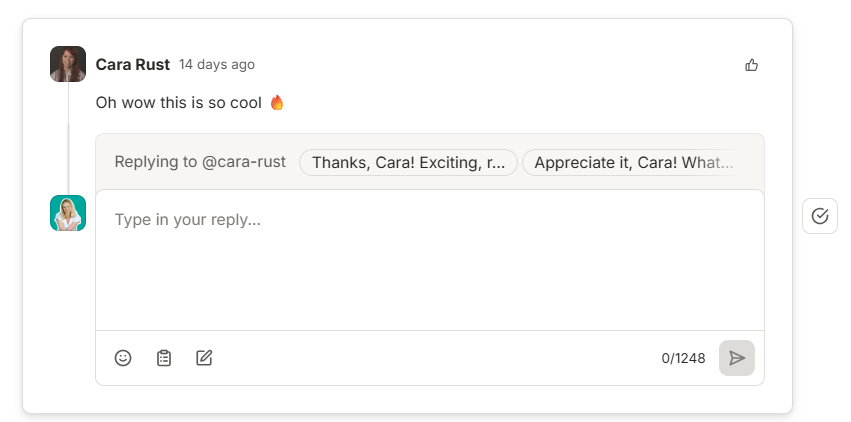
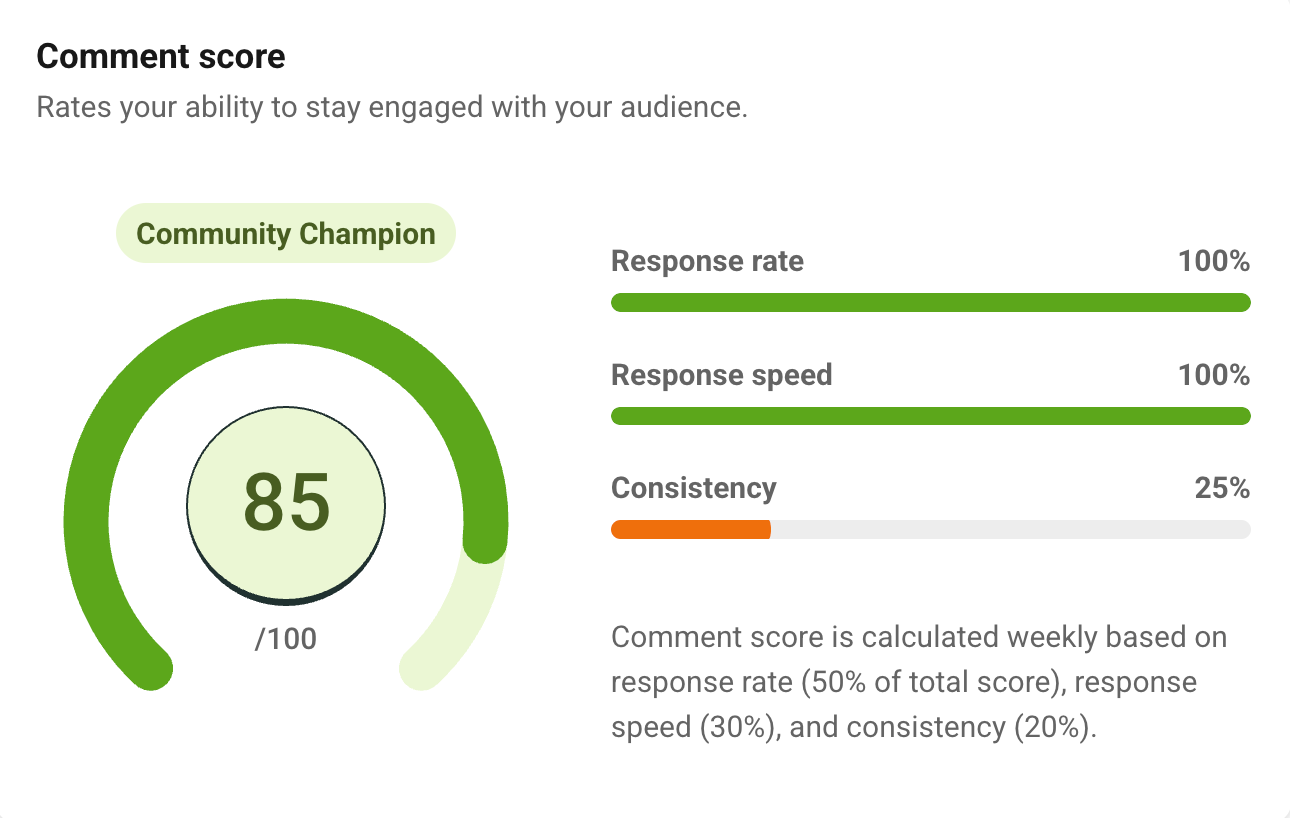
Engagement management also reveals a philosophical divide. Buffer’s "Community" feature allows users to manage comments and direct messages across almost all supported platforms, including LinkedIn and Threads, from a centralized inbox. It also includes "Comment Scores," a proprietary metric that tracks response times and consistency. Later’s social inbox is robust but limited to Instagram, Facebook, and TikTok. It also offers advanced "social listening" capabilities—a paid add-on that enables brands to monitor industry trends and competitor sentiment. This feature is targeted specifically at enterprise-level users who need to track brand perception beyond their own direct channels.
Broader Implications for Digital Strategy
The choice between Buffer and Later is ultimately a choice between two distinct operational philosophies. Buffer is designed for the "omnichannel" marketer. Its infrastructure supports a wide array of networks, its pricing is built for granular scaling, and its features are optimized for consistency and efficiency across diverse platforms. It serves as a neutral, reliable "home base" for brands that view social media as a multi-pronged communication strategy.
Later is designed for the "visual-first" brand. Its strengths lie in the aesthetic control of Instagram and TikTok feeds, the integration of commerce-ready "link-in-bio" tools, and influencer management workflows. For brands whose primary revenue or awareness is driven by visual storytelling and affiliate marketing, the trade-offs in pricing and cross-platform support are often justified by the specialized features Later provides.
As the social media ecosystem continues to fragment—with the rise of newer platforms like Bluesky and the continued evolution of Threads—the agility of these tools will remain the primary measure of their value. Organizations should evaluate their current needs based on their team structure, the complexity of their platform requirements, and their long-term growth trajectory. By aligning the platform’s native strengths with their specific marketing objectives, brands can ensure that their management tool acts as an accelerator rather than a bottleneck in their digital growth.