The Definitive Guide to Crafting High-Impact Instagram Captions for Brands and Marketers


While Instagram remains fundamentally rooted in visual storytelling—requiring an image, video, or reel for every single post—industry professionals increasingly recognize that text companions are paramount to digital marketing success. Unlike multi-format platforms such as Facebook, LinkedIn, or X (formerly Twitter), where text-only updates are standard, Instagram’s architecture demands a symbiotic relationship between striking visuals and compelling copywriting. For modern brands aiming to expand market reach, build community loyalty, and ultimately convert casual scrollers into paying customers, mastering the art of the Instagram caption is no longer optional.
The Evolution of Instagram Captions in Modern Digital Marketing
In the early years of the platform, Instagram captions were largely treated as an afterthought—a quick space for a relevant emoji, a series of randomized hashtags, or a short punchy sentence. However, as the platform’s user base matured past two billion monthly active users, the underlying algorithms and consumer expectations shifted dramatically. Today, users do not merely look at a picture; they read the narrative behind it, parse the data provided in the text, and respond to strategic prompts embedded within the copy.

Marketing analysts note that captions serve three critical functions: they provide essential context that visuals alone cannot convey, they establish an authentic brand voice through long-form storytelling, and they dictate algorithmic favorability. Because Instagram heavily prioritizes metrics such as saves, shares, comments, and dwell time, a well-crafted caption acts as the primary catalyst for driving these desired user behaviors.
Anatomy of an Instagram Caption: Limits and Parameters
Understanding the technical boundaries of Instagram text formatting is the first step toward effective deployment. The platform permits captions up to a maximum of 2,200 characters, which equates roughly to 300 to 400 words depending on vocabulary and spacing. This generous limit allows for everything from ultra-short, one-word statements to deeply detailed micro-blogs.
Furthermore, captions can incorporate up to 30 hashtags, standard emojis, and line breaks. However, a crucial technical constraint remains: clickable hyperlinks cannot be embedded within the body of an Instagram caption. Any URL placed in a caption text block will appear as plain, unclickable text. Consequently, marketers must direct users to external landing pages via their profile bio, Instagram Stories links, or direct messaging funnels.

Strategic Frameworks for Writing Captions That Convert
To transition from amateur posting to professional social media management, brands must adopt structured copywriting methodologies. Industry standards emphasize several core pillars designed to capture attention and maximize audience retention.
Front-Loading Value and the "Thumb-Stopping" Hook
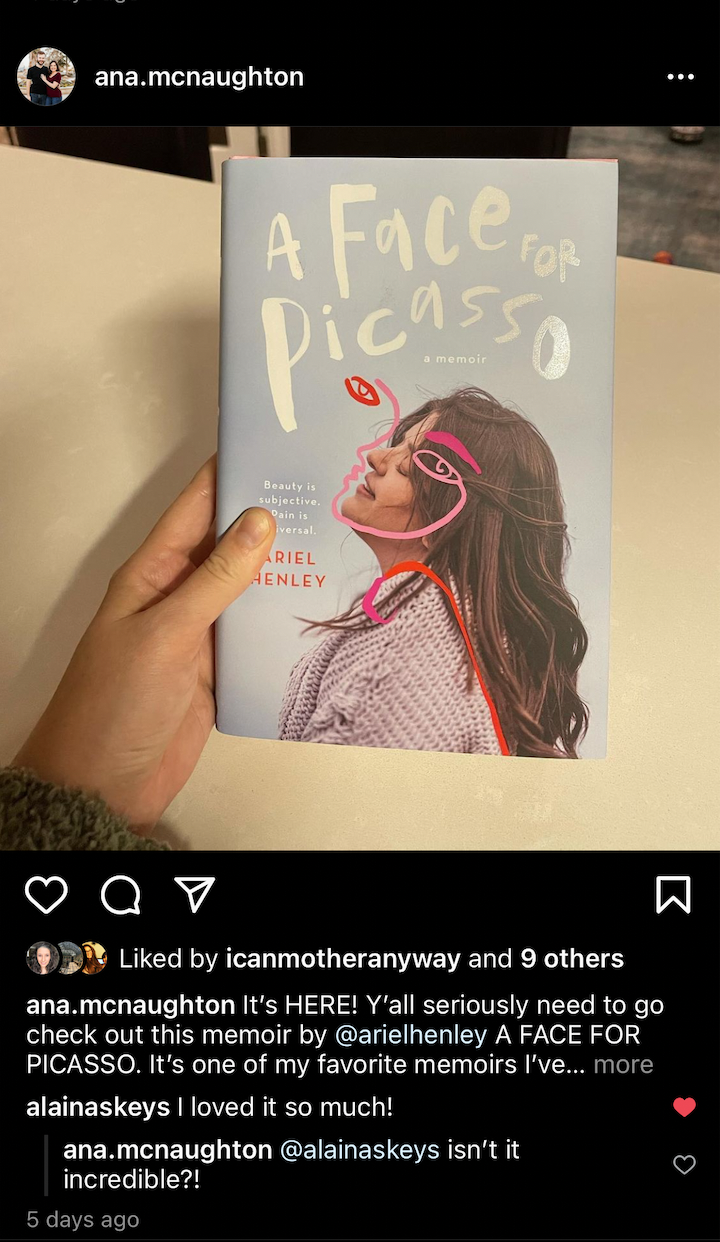
In a fast-paced digital ecosystem where the average human attention span continues to shrink, the opening line of an Instagram caption carries disproportionate weight. When users scroll through their feeds, captions are automatically truncated after the first two or three lines, displaying a small "more" button. Therefore, the value proposition must be articulated immediately.

If a brand buries its core message at the bottom of a 2,000-character essay, readership rates will plummet. Successful accounts place their most compelling hook, question, or news flash at the very top. For instance, rather than starting with a generic greeting, top-performing e-commerce brands lead with direct utility: solving a seasonal consumer pain point, introducing a limited-time product drop, or posing a provocative industry question.
Navigating the Length Debate: Short vs. Long-Form Copy
A persistent debate among social media managers concerns the ideal length of an Instagram post. While minimalist aesthetics favor short, punchy captions under 125 characters, empirical data suggests a more nuanced reality.
A comprehensive study conducted by social media management platform Hootsuite analyzed engagement rates across thousands of business accounts. The findings revealed that posts featuring long-form captions—specifically those ranging between 400 and 705 characters—consistently outperformed ultra-short posts in terms of overall engagement. Captions within this mid-to-long range provided enough context, storytelling, and emotional resonance to foster genuine connections, encouraging users to linger on the post, read thoroughly, and leave thoughtful comments.
Leveraging Pop Culture and Relatable Clichés
Relevance is a primary currency in digital culture. By integrating timely pop culture references, seasonal markers, or widely recognized idioms into captions, brands can instantly bridge the gap between corporate identity and consumer personality.
For example, referencing annual shifts in weather, upcoming federal holidays, or viral internet vernacular allows a brand to feel contemporary and approachable. When executed creatively—such as a clothing retailer tying a seasonal poetry reference to a new line of autumn knitwear—the caption transforms from a mere product description into an interactive cultural touchpoint.
Strategic Hashtag Deployment and Algorithmic Reach
Hashtags continue to function as critical metadata tags that categorize content for the Instagram search engine. While the platform permits up to 30 hashtags per post, digital marketing best practices advise against hashtag stuffing, which can appear spammy and trigger algorithmic penalties.
Instead, brands should curate a balanced, diversified mix of 5 to 15 targeted hashtags per post. This mix typically includes:
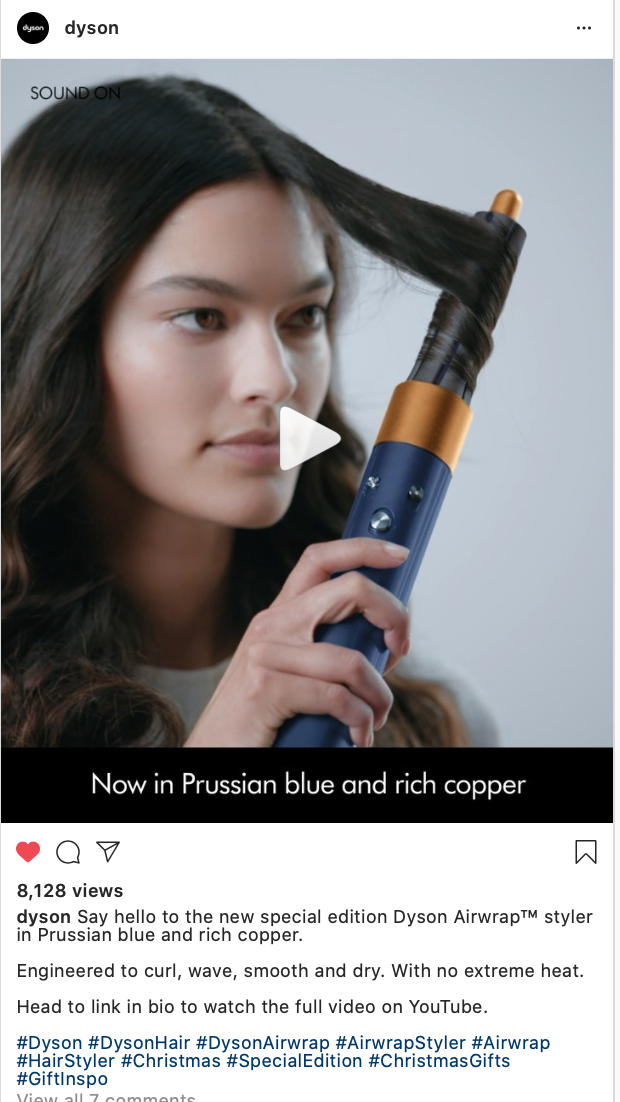
- Branded hashtags unique to the company or campaign (e.g., #DysonHair)
- Seasonal or temporal hashtags tied to current events or holidays (e.g., #GiftInspo)
- Niche, interest-based hashtags connecting with specific communities (e.g., #HomeBaking)
- Localized tags if the business operates within a specific geographic market
This diversified approach ensures that content appears across a wide array of searchable feeds, exposing the brand to prospective followers who do not yet subscribe to the profile.
Optimizing for Engagement and Managing the Algorithm
Because outbound links are restricted within captions, driving user engagement is the most effective way to signal quality to the Instagram algorithm. The platform’s recommendation engine evaluates how quickly and frequently users interact with a post after publication. High initial engagement pushes the post onto the coveted Explore page and the feeds of secondary followers.
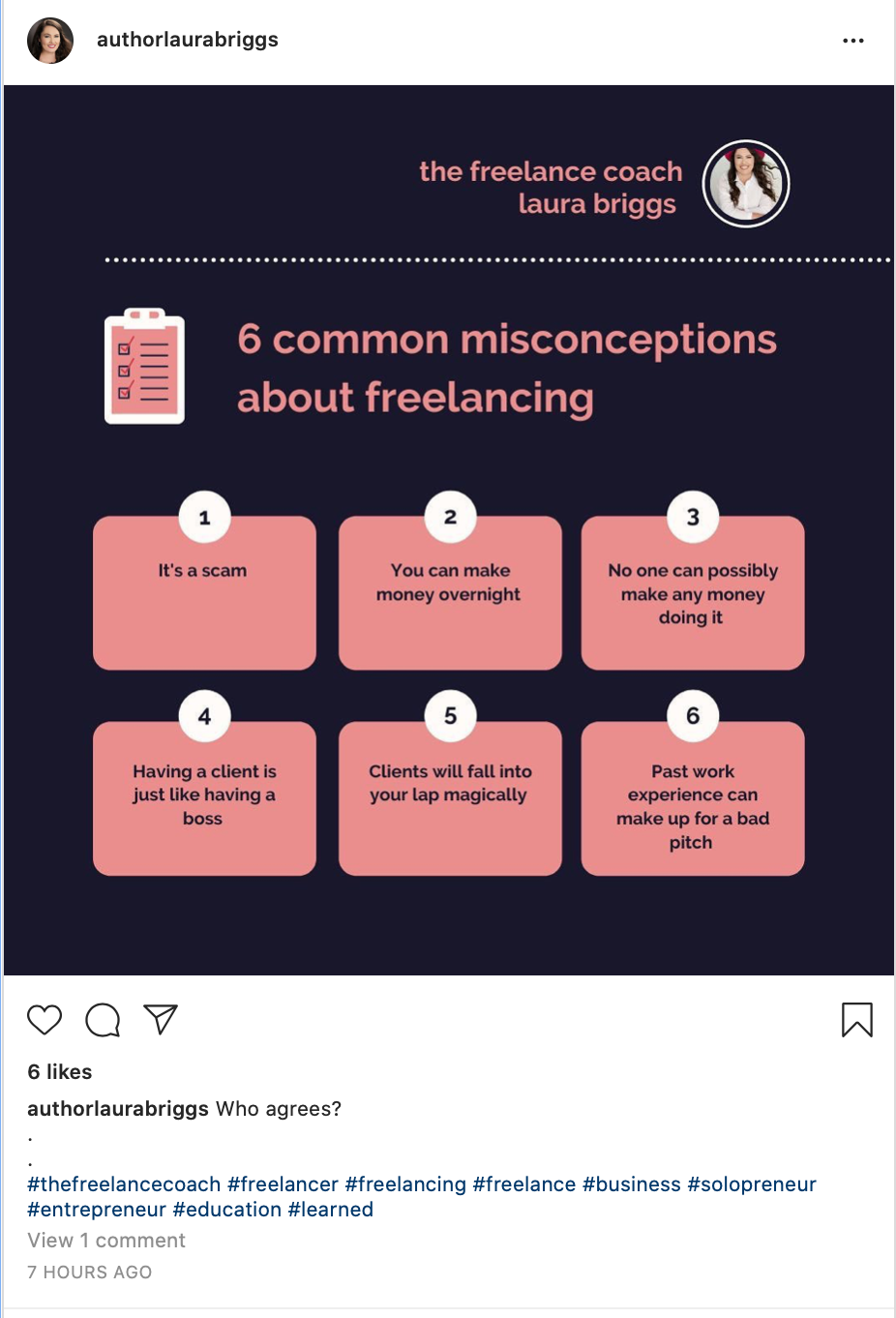
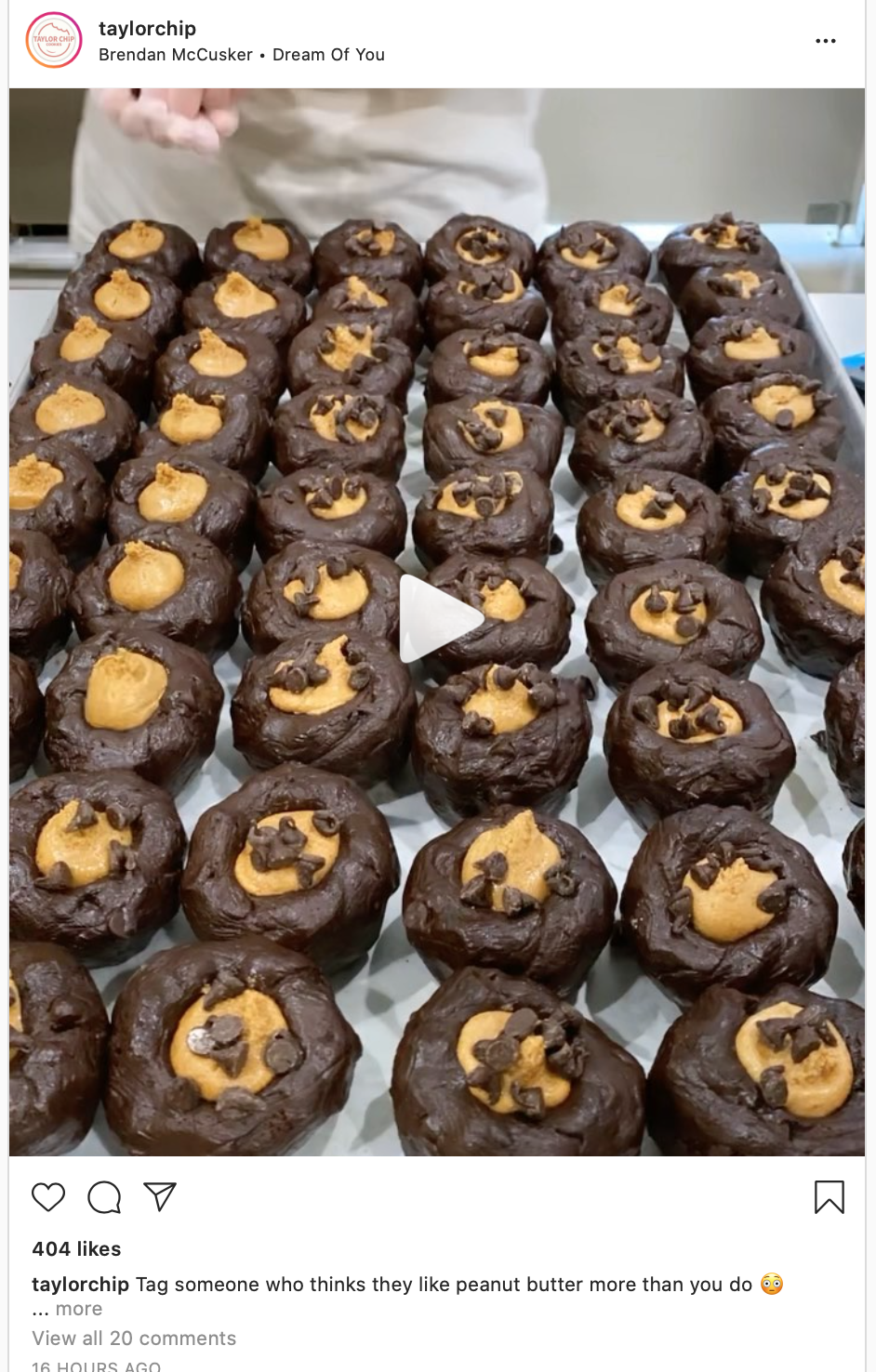
To stimulate this response, captions should always incorporate a clear interactive element. Asking a direct, low-friction question—such as "Who agrees?" or "Which style is your favorite?"—lowers the barrier to entry for commenters. Additionally, strategically prompting users to "tag a friend who needs to see this" can exponentially increase organic reach, transforming passive viewers into active brand advocates.
Implementing Direct Calls to Action (CTAs)
While community engagement builds brand affinity, commercial survival requires monetization. Once a brand has captured user attention and driven engagement, the caption must guide the audience toward a profitable, off-platform action.

An effective Instagram CTA must be unambiguous, friction-free, and clearly state the immediate benefit to the user. Whether the goal is registering for a local workshop, booking a service appointment, or purchasing a newly launched product, the caption should explicitly outline the next steps. To prevent text fatigue, successful marketers utilize emojis as visual bullet points, breaking up dense blocks of text and highlighting critical logistical details such as dates, times, and promotional codes.
Technical Formatting Best Practices: Spacing, Editing, and Typography
Beyond the semantic content of a caption, technical execution dictates readability and visual polish. Poorly formatted text blocks create cognitive friction, causing users to abandon the post entirely.
Mastering Paragraph Spacing and Readability

Wall-to-wall paragraphs are universally discouraged on social media. To achieve a clean, professional aesthetic, captions must utilize ample whitespace.
Content creators can achieve clean line breaks by hitting the "return" key on their mobile keyboards. A standard, highly effective structural template involves:
- A bold opening statement or hook on line one.
- A deliberate blank space.
- The body narrative or contextual explanation.
- Another blank space separating the body from the hashtag block.
This modular design prevents visual clutter and ensures the post remains digestible on smaller smartphone screens.
Post-Publication Editing Protocols
Mistakes happen, and digital marketing strategies evolve rapidly. Fortunately, Instagram provides a straightforward mechanism for revising published content without deleting and re-uploading the post.
To edit an existing caption:
- Navigate to the specific post on the Instagram mobile application.
- Tap the three vertical dots located in the top right-hand corner of the media frame.
- Select the "Edit" option from the resulting pop-up menu.
- Modify the text, hashtags, or spacing as needed.
- Tap the checkmark or done button to save changes instantly.
The updated caption goes live immediately, preserving all existing likes, comments, and analytics data associated with the post.
Advanced Typography and Font Customization
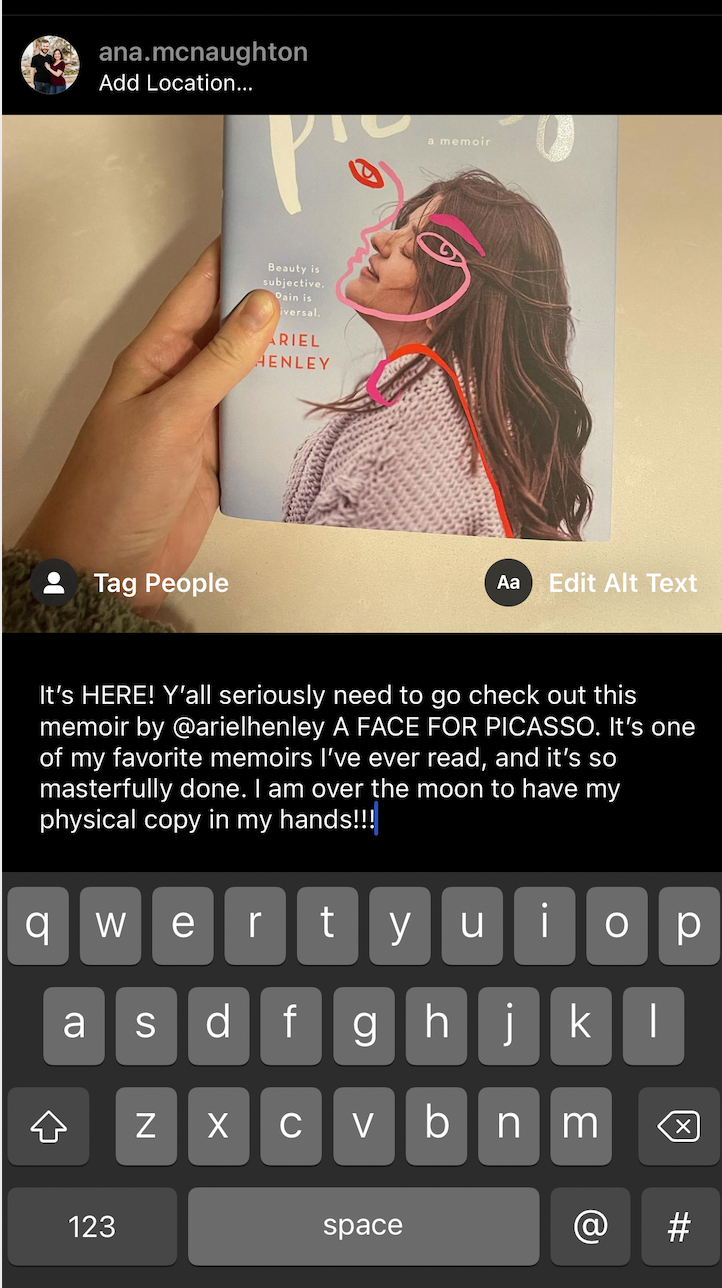
To make text elements truly pop within a saturated feed, many forward-thinking brands utilize alternative Unicode fonts, bolding, and italics. Because Instagram’s native interface does not include rich-text formatting options within the caption box, marketers rely on external browser-based utility tools such as specialized font generators.
By inputting standard copy into these web applications, users can select from a wide array of stylized typographic variations, copy the generated text, and paste it directly into their Instagram caption box. While this technique can successfully draw the eye to key headers or promotional announcements, accessibility experts advise moderation, as excessive use of stylized Unicode fonts can hinder screen readers used by visually impaired consumers.
Broader Industry Implications and Future Outlook
As social media platforms continue to evolve under the influence of artificial intelligence, short-form video dominance, and shifting consumer privacy regulations, the fundamental role of the written word in digital media remains secure. Algorithms may alter how content is distributed, and visual formats will undoubtedly shift, but the capacity of a well-crafted caption to convey emotion, establish brand trust, and drive commerce is irreplaceable.
For digital marketers, small businesses, and major global enterprises alike, treating Instagram captions as an afterthought is no longer a viable strategy. By combining robust copywriting principles, technical formatting best practices, and strategic data analysis, brands can unlock unprecedented levels of audience engagement and sustainable digital growth.
Related posts: