DoorDash Inc. Announces $17 Billion Acquisition of Instacart to Reshape the Online Grocery Landscape

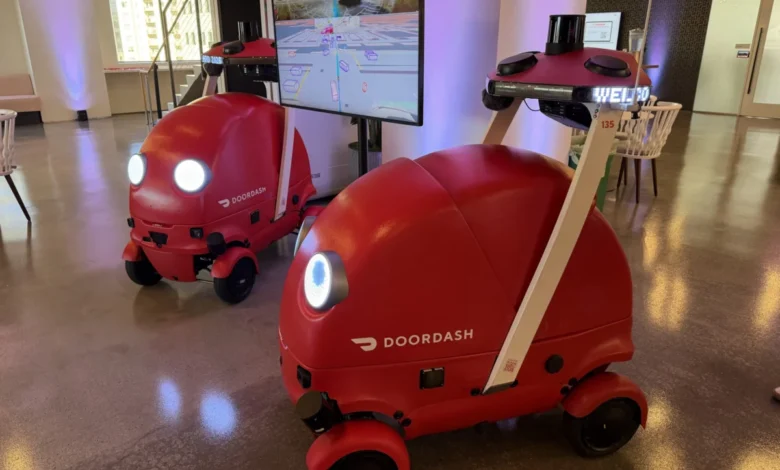
In a landmark consolidation of the last-mile delivery sector, DoorDash Inc. has officially announced its intention to acquire its primary rival, Instacart, in a transaction valued at $17 billion. This massive deal, which hinges on the approval of both federal regulators and Instacart shareholders, represents one of the most significant shifts in the e-commerce landscape in recent years. By merging two of the most dominant platforms in the retail and grocery delivery space, DoorDash aims to create a powerhouse capable of dominating the complex, high-stakes market of fresh food and household goods logistics.
The acquisition will be financed through a strategic blend of cash, company stock, and debt instruments. Upon completion, the combined entity will possess an unparalleled footprint in the grocery delivery sector, merging DoorDash’s extensive logistics and local merchant network with Instacart’s specialized grocery-focused technology and deeply entrenched retailer partnerships.
The Strategic Rationale Behind the Merger
The decision to acquire Instacart is rooted in the unique logistical challenges inherent in the grocery business. Unlike standard restaurant meal delivery, which typically involves picking up a pre-packaged order, grocery delivery requires a level of precision that is notoriously difficult to scale.
Tony Xu, co-founder and CEO of DoorDash, highlighted the complexity of the operation during the official announcement. “Grocery is one of the hardest things to get right online,” Xu remarked. “Someone has to pick a ripe avocado, find a substitute you’d choose yourself, and get the ice cream to you before it melts.”
By integrating Instacart’s systems, DoorDash is essentially purchasing years of operational data and sophisticated software designed specifically to solve these "last-mile" friction points. Instacart has spent over a decade refining its picking and fulfillment algorithms, creating a seamless bridge between brick-and-mortar grocers and digital consumers. DoorDash, conversely, has built a massive, high-frequency logistics network that supports thousands of local restaurants and retailers. The synergy, according to company leadership, lies in the ability to apply DoorDash’s scale to Instacart’s specialized grocery infrastructure, potentially unlocking a new tier of efficiency for retail partners of all sizes.
Industry Context and Market Growth
The acquisition comes at a time when the digital grocery sector is experiencing a period of intense evolution. According to data provided by Brick Meets Click, online grocery sales in the United States have demonstrated resilience and growth, increasing by more than 20% year-over-year. As consumer habits shift permanently toward the convenience of home delivery, the market share of digital grocery platforms has expanded significantly, putting pressure on traditional supermarket chains to adapt or face obsolescence.
The competitive environment has been characterized by fierce discounting and aggressive expansion. However, the costs associated with maintaining such vast networks—including driver incentives, warehouse operations, and technology maintenance—have squeezed margins for both platforms. Analysts suggest that this $17 billion merger is an attempt to achieve the "economies of scale" necessary to turn consistent profits in a sector that has historically struggled with high operational costs.
A Multi-Year Roadmap to Integration
The path to full integration will be long and methodical. Both companies have disclosed that they anticipate the deal will close near the end of 2027 or, at the latest, the first half of 2028. This extended timeline accounts for the rigorous regulatory scrutiny the deal will undoubtedly face. Given the dominance of the two platforms, the Federal Trade Commission (FTC) and other antitrust authorities are expected to conduct an exhaustive review to ensure the merger does not stifle competition or lead to monopolistic pricing for consumers and retail partners.
During the interim period, Instacart is slated to operate independently, maintaining its existing brand identity and enterprise software suite. This strategy is designed to minimize disruption for the nearly 100,000 retail locations currently integrated into the Instacart platform.
Chris Rogers, CEO of Instacart, expressed optimism regarding the transition, noting that the partnership is a natural evolution for his company. "Over the last 14 years, Instacart has transformed online grocery by helping retailers of all sizes compete and grow," Rogers stated. "Joining forces with DoorDash allows us to do even more. When our purpose-built grocery technology and trusted retailer relationships are combined with DoorDash’s global consumer reach, we can create new opportunities for our retail partners and offer an even better experience for our customers."
Future Implications for Retailers and Consumers
The most immediate impact of this acquisition will be the expansion of the "store-to-door" ecosystem. DoorDash estimates that the merger could make an additional 50,000 stores available to its user base, effectively creating the largest grocery-on-demand network in North America.
For the average consumer, this could mean faster delivery times, a more extensive inventory of local goods, and a more streamlined app experience. For the retail partners, the promise is one of enhanced visibility. Small and medium-sized grocers that previously lacked the resources to build their own e-commerce platforms will now have access to a unified logistics network, theoretically allowing them to compete more effectively with big-box retailers like Walmart and Amazon.
However, the merger also raises questions about the future of the "gig economy" labor force. Critics and labor advocates are likely to scrutinize how the combined company treats the millions of shoppers and drivers who perform the actual delivery tasks. With a larger market share, the combined entity may exert more influence over pay structures and work conditions, a subject that remains a flashpoint in regulatory and public debates.
Market Analysis: The Long-Term Outlook
From a financial perspective, the deal is a bet on the long-term viability of the digital grocery model. By consolidating, DoorDash and Instacart are signaling that they view the current fragmented landscape as unsustainable.
If the merger proceeds, the newly combined company will effectively control a massive portion of the U.S. food delivery market. This concentration of power could drive significant innovation in "quick-commerce," including the use of AI-driven inventory management and automated fulfillment centers. Yet, the success of the acquisition depends on whether the company can integrate its distinct corporate cultures and technical systems without losing the specialized expertise that made each company successful in the first place.
As the industry looks toward the 2028 closing target, the focus will remain on the regulatory battleground. If approved, the merger will mark the end of the "early innings" of the grocery delivery era, as described by Tony Xu, and the beginning of a new phase defined by consolidation, efficiency, and a digital-first approach to the global food supply chain.
Conclusion
The $17 billion deal between DoorDash and Instacart is not merely a corporate transaction; it is a fundamental restructuring of how American households access food and essential goods. By bridging the gap between the logistical might of DoorDash and the specialized retail technology of Instacart, the companies are positioning themselves to define the standard for retail delivery for the next decade. While the hurdles regarding regulatory approval and operational integration remain significant, the trajectory of the deal reflects a broader trend toward digital consolidation in an increasingly online-centric economy. Whether this move leads to lower prices and better service for the consumer, or creates a restrictive market environment, will be the subject of intense debate as the deal progresses toward its target completion date.
Related posts: