Decoding Open Enrollment: A Strategic Guide to Eliminating Employee Confusion During Benefits Season

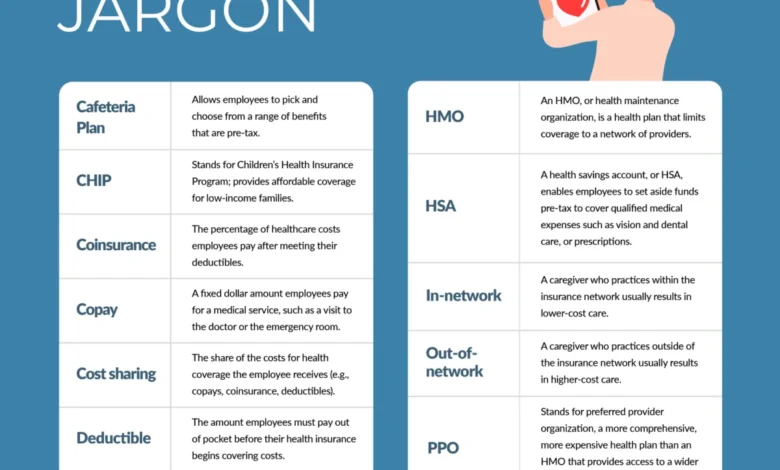
The annual ritual of open enrollment represents one of the most critical intersections between organizational operations and employee well-being. For human resources departments, this period is a high-stakes race against the clock to ensure that employees not only secure necessary coverage but understand the complex financial instruments governing their healthcare. Despite the importance of this process, the technical language inherent in insurance documents—often referred to as industry jargon—frequently acts as a primary barrier to informed decision-making. As benefits packages grow increasingly sophisticated, the disparity between the terminology used by providers and the financial literacy of the average employee has widened, necessitating a more proactive approach to communication.
The Anatomy of Benefits Complexity
The fundamental challenge of open enrollment stems from a disconnect in communication. When employees are presented with terms such as "premium," "deductible," "co-insurance," and "out-of-pocket maximum," the cognitive load required to make an optimal choice often leads to decision paralysis. Data from various human resources research firms suggest that a significant percentage of employees default to the same benefits election as the previous year, regardless of changes in their personal health or financial circumstances. This "autopilot" behavior often results in over-insurance, under-insurance, or the missed opportunity to leverage tax-advantaged accounts like Health Savings Accounts (HSAs) or Flexible Spending Accounts (FSAs).
The complexity is not merely academic. It has tangible financial consequences. An employee who fails to grasp the difference between an HMO (Health Maintenance Organization) and a PPO (Preferred Provider Organization) might choose a plan that restricts their access to preferred specialists or incurs unexpected costs for out-of-network care. When this happens, the employer often faces the brunt of the frustration, manifesting as increased inquiries to the HR department and decreased employee satisfaction scores.
A Chronology of the Enrollment Lifecycle
The open enrollment process typically follows a rigid timeline, yet many organizations fail to capitalize on the periods between these milestones.
- Pre-Enrollment Preparation (Months 1–3 prior to deadline): HR departments conduct benchmarking studies, negotiate with carriers, and finalize plan designs. This is the stage where communication materials are drafted.
- The "Awareness" Phase (4–6 weeks prior): Organizations typically begin the "teaser" campaign. This is the optimal window to introduce educational resources, such as jargon cheat sheets or explainer videos, to ensure that the vocabulary is familiar before the actual selection process begins.
- Active Enrollment (The "Hectic" Period): This is the window of typically two to four weeks where employees must finalize their elections. It is characterized by high traffic to benefits portals and a surge in support requests.
- Post-Enrollment Reconciliation: Following the deadline, HR processes elections, audits data for accuracy, and coordinates with payroll and insurance carriers.
The pressure of the "Active Enrollment" phase is often exacerbated by a lack of clarity during the "Awareness" phase. When employees wait until the final 48 hours to engage with their benefits, they are prone to hurried, uninformed decisions.
Supporting Data and Demographic Shifts
The urgency of simplifying benefits language is highlighted by shifting workforce demographics. According to recent labor market statistics, Gen Z and Millennials now constitute approximately 42% of the American workforce. These cohorts, while often tech-savvy, frequently report lower levels of traditional insurance literacy compared to older generations who have navigated the healthcare system for decades.
Furthermore, the rise in HSA adoption among younger employees—driven by a desire for long-term financial planning—adds another layer of complexity. These employees are not just choosing a health plan; they are effectively managing a tax-advantaged investment vehicle. Without a clear understanding of terms like "triple tax advantage" or "contribution limits," these employees may fail to utilize their accounts effectively, leaving significant financial benefits on the table.

Bridging the Knowledge Gap: Strategies for HR Professionals
To mitigate the risks associated with jargon-heavy communication, HR leaders are increasingly moving toward a "plain language" initiative. This involves stripping away complex insurance terminology in favor of real-world scenarios. Instead of defining a "deductible" as the amount an insured must pay before the insurer begins to pay, effective communications now frame it as the "upfront cost" the employee pays before the insurance "kicks in" to cover the bulk of the expenses.
Educational resources, such as visual cheat sheets or interactive dashboards, are essential tools in this effort. By providing a clear, one-page reference guide that defines core concepts, HR departments can empower employees to take control of their benefits. These resources should be distributed across multiple channels:
- Internal Communication Apps: Utilizing platforms like Slack or Microsoft Teams for bite-sized, daily definitions.
- Communal Areas: Posting physical infographics in breakrooms where employees can review them during transition periods.
- Video Content: Providing short, narrated walkthroughs of the enrollment portal.
The Role of Transparency in Retention
Beyond the immediate goal of selecting a plan, the quality of an organization’s benefits communication serves as a key indicator of its culture. When a company invests in explaining the "why" and "how" of benefits, it signals to employees that their financial and physical health is a priority. This transparency is a cornerstone of effective retention strategies. In an era where total rewards are heavily scrutinized, the ability to clearly articulate the value of a benefits package is as important as the benefits themselves.
HR professionals are encouraged to treat benefits education not as a seasonal task, but as a continuous engagement strategy. By integrating benefits literacy into the onboarding process and reinforcing it throughout the year, organizations can reduce the "hectic" nature of the open enrollment window.
Implications for Future Policy and Design
As the healthcare landscape continues to evolve, the burden of decision-making is increasingly shifting toward the employee. This shift, while designed to foster consumer-driven healthcare, creates a significant responsibility for employers. The legal and ethical implications of inadequate communication cannot be ignored. Providing employees with the tools to navigate jargon is not merely an act of kindness; it is a critical component of risk management.
Looking ahead, we can expect to see a greater reliance on AI-driven benefits counselors—digital tools that offer personalized, jargon-free advice based on an employee’s specific family situation and health history. However, until these technologies are universally adopted, the human element—the HR professional who can translate complex insurance policy into actionable, human-centric guidance—remains the most vital link in the chain.
By refining how benefits information is disseminated, HR departments can transform open enrollment from a source of stress into a moment of genuine value for the workforce. The objective is clear: replace the uncertainty of jargon with the confidence of comprehension. When employees understand what they are buying, they are more likely to be satisfied with their choices, leading to a more engaged, secure, and financially resilient workforce. As we move further into the current benefits season, the emphasis must remain on accessibility, clarity, and the consistent application of educational resources designed to demystify the language of healthcare.
Related posts: