Disney Faces Fresh Scrutiny as Leadership Eyes Thousands of New Layoffs and a 20% Cost-Reduction Mandate

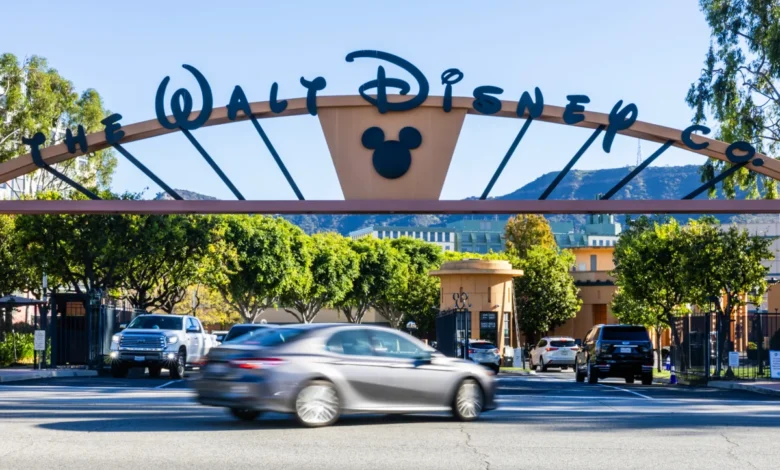
The Walt Disney Company is once again bracing for sweeping workforce reductions and structural overhauls. According to recent reports, the entertainment conglomerate is planning to eliminate thousands of jobs as part of a broad corporate directive requiring key operational managers to identify and secure 20 percent in annual cost savings. This aggressive financial strategy, spearheaded by Chief Executive Officer Josh D’Amaro, is designed to free up capital that leadership intends to reinvest heavily into high-growth sectors of the business, including cruise line expansion, theme park development, cutting-edge technology, and premium film and television programming.
While corporate restructuring is nothing new for the modern media landscape, the sheer scale of the proposed cuts has sent ripples through Hollywood and Wall Street alike. Disney, which reported a staggering global headcount of 231,000 employees at the conclusion of its most recent fiscal year, has increasingly relied on aggressive cost-containment measures to navigate a volatile economic climate. As the media giant prepares for this latest phase of transition, industry analysts, labor advocates, and investors are closely examining what these sweeping budget mandates mean for the future of the company’s workforce, its creative divisions, and its sprawling global footprint.
The Mechanics of the Mandate: Where the Cuts Will Fall
Under the directives issued by D’Amaro and his executive team, managers across various operating units have been tasked with finding a 20 percent reduction in operational expenditures. However, company insiders note that these savings will not be achieved exclusively through layoffs. While pink slips are an inevitable component of the strategy, leadership is also exploring operational efficiencies, vendor consolidation, discretionary spending freezes, and the curtailing of administrative overhead.
Nevertheless, human capital is expected to bear the brunt of the adjustment. Certain divisions within the corporate hierarchy are anticipated to absorb disproportionate impacts. Historically, Disney’s cost-cutting initiatives have rippled unevenly across its three primary pillars: Disney Entertainment, Disney Experiences, and ESPN. While the company’s lucrative theme parks and cruise lines have generally enjoyed preferential treatment due to their status as reliable cash cows, corporate overhead, digital streaming infrastructure, linear television networks, and back-office administrative support functions are frequently primary targets for downsizing.
The decision to target a 20 percent reduction is indicative of a broader corporate philosophy that views leaner operations as a prerequisite for aggressive reinvestment. D’Amaro’s stated vision involves funneling the newly liberated capital directly back into tangible consumer experiences and intellectual property expansion. This includes upgrading park attractions, building out the Disney Cruise Line fleet, advancing technological integration—particularly in artificial intelligence and direct-to-consumer streaming platforms—and greenlighting high-budget theatrical and streaming content.
A History of Retrenchment: The Chronology of Disney’s Recent Restructuring
For longtime observers of the Mouse House, the announcement of impending layoffs feels intimately familiar. Over the past several years, Disney has repeatedly leaned on workforce reductions as a primary mechanism to right-ship its financial performance, manage mounting debt, and appease activist investors.
The most prominent wave of recent structural changes began in earnest in early 2023, when executive leadership announced a sweeping plan to eliminate approximately 7,000 jobs across the enterprise. That initiative was divided into three distinct phases aimed at achieving $5.5 billion in overall cost savings. The cuts cut deep across virtually every corner of the corporate empire, touching prestigious brands and legacy institutions including Pixar Animation Studios, Marvel Studios, the ABC television network, ESPN, Lucasfilm, and the extensive global parks network.
Throughout 2024 and 2025, additional localized layoffs occurred as the company continually recalibrated its linear television holdings against the accelerating decline of cable subscriptions. Traditional broadcast and cable networks, once the undisputed financial engines of the company, have faced structural declines as consumers continue to migrate en masse to streaming alternatives. Consequently, operational models that once supported expansive headcounts in administrative, technical, and broadcast support roles have become economically untenable in the eyes of executive leadership.
This continuous cycle of retrenchment reflects a broader ideological shift within the upper echelons of the company. Disney President Dana Walden encapsulated the prevailing corporate sentiment during an appearance at a high-profile industry conference late last year, offering a blunt assessment of the company’s operating philosophy: "We must survive and thrive and grow." That survivalist mantra has increasingly translated into a lean-and-mean corporate framework that prioritizes agility and margin expansion over workforce stability.
The Strategic Pivot: Reinvesting in Parks, Cruises, and Content
To understand the rationale behind Disney’s persistent push for cost reductions, one must examine where the freed-up capital is ultimately heading. D’Amaro, who previously served as the chairman of Disney Parks, Experiences and Products before ascending to the chief executive role, has consistently championed capital-intensive physical expansions.
The global cruise industry, in particular, has emerged as a major focal point for Disney’s growth strategy. With multiple new vessels currently under construction or slated for delivery over the remainder of the decade, the Disney Cruise Line division represents a high-margin, rapidly expanding sector that requires substantial upfront capital expenditure. Similarly, the company’s domestic and international theme parks continue to generate massive revenues, but maintaining their competitive edge against rival resorts demands continuous, multi-billion-dollar investments in new lands, rides, and immersive technologies.
On the digital and creative fronts, the pressure to maintain subscriber growth and viewer engagement on Disney+ and Hulu requires a steady, expensive pipeline of original content. Producing high-end film and television programming capable of cutting through an increasingly saturated streaming market is exceptionally costly. By squeezing operational efficiencies out of non-creative and administrative sectors, leadership hopes to fund the creative risks necessary to sustain Disney’s global cultural dominance.
Despite the strategic clarity offered by management, Disney has thus far maintained a cautious public posture regarding the specifics of the upcoming layoffs. Representatives for the company declined to provide official commentary when pressed by financial journalists regarding the timeline and exact departmental impact of the newly ordered 20 percent cuts.
Broader Economic and Labor Implications
The announcement underscores a broader trend sweeping across the American corporate landscape, particularly within the legacy media and technology sectors. As interest rates remain elevated and consumers exhibit heightened price sensitivity amidst inflationary pressures, corporate boards are placing a renewed emphasis on operating margins rather than pure top-line revenue growth.
For Disney’s massive global workforce of over 230,000 employees, however, these macro-level financial strategies translate into profound personal uncertainty. Labor unions representing various segments of Disney’s workforce—ranging from theme park operational staff to behind-the-scenes technical and creative professionals—have frequently expressed alarm over the continuous cycle of job reductions. Critics argue that persistent downsizing can lead to institutional brain drain, increased workloads for remaining personnel, and potential declines in the quality of guest experiences and creative output.
Furthermore, the strategy of cutting administrative and operational overhead while simultaneously investing heavily in automated technologies and streamlined digital infrastructure points toward a permanent structural evolution within the company. As artificial intelligence and advanced automation tools become more deeply embedded in corporate workflows, the necessity for traditional mid-level management and administrative support roles diminishes further, potentially locking in permanent reductions in white-collar employment opportunities.
As the implementation phase of the 20 percent cost-reduction directive rolls out across Disney’s various divisions, employees, union representatives, and Wall Street analysts will be watching closely to see how leadership balances its ambitious growth targets with the human cost of reaching them. While D’Amaro and his executive team remain resolute in their pursuit of a leaner, more agile enterprise, the long-term impact on Disney’s corporate culture and creative vitality remains one of the most closely watched narratives in modern corporate America.