Estée Lauder Companies Inc. reports robust fiscal Q1 growth and raises 2027 outlook as online expansion accelerates.

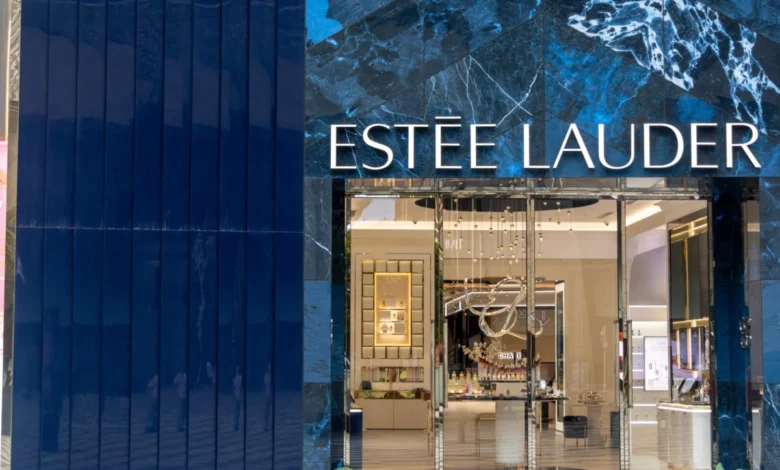
The Estée Lauder Companies Inc., a global titan in the prestige beauty sector, has reported a resilient fiscal first quarter for the period ending September 30, characterized by significant gains in its online sales channels and a revitalized outlook for the remainder of the decade. The company, which maintains a prominent position in the Digital Commerce 360 Top 1000 database, saw its net sales rise 6.7% year over year to $3.7 billion. This performance, bolstered by strategic digital infrastructure investments and geographic expansion, has prompted management to elevate its organic net sales growth forecast for fiscal 2027 to a range of 4.0% to 5.5%, a notable increase from the previous guidance of 3% to 5%.
A Strategic Pivot Toward Digital Maturity
The core of Estée Lauder’s recent success lies in its aggressive modernization of its digital ecosystem. By transitioning key brand websites—specifically M·A·C and Clinique—to the Shopify ecommerce platform in the U.S. and U.K. markets, the company has successfully streamlined its consumer-facing architecture. This technological overhaul, which extends to physical storefronts in those regions, is designed to reduce latency, improve inventory management, and provide a seamless omnichannel experience.
CFO Akhil Shrivastava emphasized that the Shopify migration is not merely a technical upgrade but a foundational shift that enables greater operational speed and productivity. Furthermore, the company has deepened its partnership with Profound, an AI-driven marketing platform. This integration allows Estée Lauder to gain granular insights into how its diverse portfolio of brands appears across various AI-powered search and shopping platforms, ensuring brand consistency in an increasingly fragmented digital landscape.
Chronology of Recent Operational Shifts
The current financial stability follows a period of intense operational restructuring. Throughout 2024 and early 2025, Estée Lauder focused on decoupling its growth from historical dependencies on legacy retail models.
- July 2025: The company officially inaugurated a state-of-the-art fulfillment center in China’s Hainan province. This facility was specifically designed to handle the logistical complexities of the travel retail market, which had been facing headwinds due to shifting consumer patterns in Asia.
- August–September 2025: During the remainder of the quarter, the company finalized the integration of Shopify across its core U.S. and U.K. digital storefronts.
- September 30, 2025: Fiscal Q1 closed with a demonstrated surge in online consumer reach, particularly on third-party platforms such as Amazon and TikTok Shop.
- Post-Q1: Management announced the upward revision of its 2027 financial guidance, signaling to investors that the foundational work of the past year is beginning to yield high-margin results.
Geographic and Channel Performance
Estée Lauder’s growth was notably balanced, a metric that analysts often view as a sign of long-term health. According to President and CEO Stéphane de La Faverie, the Asia-Pacific region saw double-digit growth, a significant turnaround from previous quarters where market volatility had stifled performance. Meanwhile, the U.S. market—the company’s largest—exhibited retail sales growth that reportedly outpaced the broader beauty industry by a factor of two.
The expansion strategy on social and third-party marketplaces has been particularly effective. The company now lists 13 brands across 17 markets on Amazon, and 15 brands across 11 markets on TikTok Shop. This "platform-agnostic" approach allows Estée Lauder to meet consumers where they spend their time, rather than relying solely on brand-owned ".com" properties. The "high-single-digit" organic growth in online sales cited by the company reflects the efficacy of this expanded reach.
Market Context and Economic Cautiousness
Despite the optimistic outlook and strong quarterly results, leadership remains acutely aware of the macroeconomic climate. The beauty industry is currently navigating a period of geopolitical instability and fluctuating consumer confidence in key markets like China. Estée Lauder’s decision to raise its outlook, while simultaneously maintaining a posture of "cautious optimism," reflects a sophisticated balancing act.
The company is hedging against potential inflationary pressures and supply chain disruptions by leveraging its new logistics infrastructure in Hainan and the increased efficiency provided by its digital investments. By lowering the cost of customer acquisition through improved platform efficiency, the company is effectively widening its profit margins even in a market where price sensitivity is becoming more pronounced.
Implications of AI and Data-Driven Retail
The inclusion of Estée Lauder in the AI Commerce Rankings (No. 310) highlights the company’s pivot toward predictive retail. The partnership with Profound, as mentioned by the CFO, is a clear indicator that the future of beauty retail is no longer just about shelf space, but about "search space."
As AI platforms increasingly dictate consumer discovery, the ability to manage brand presence through metadata, AI-optimized content, and real-time behavioral data is becoming as important as traditional advertising. Estée Lauder’s ability to successfully navigate this transition while maintaining its premium brand image is a critical differentiator.
Analyst Perspective and Future Outlook
Financial analysts generally view the upward revision of the 2027 guidance as a vote of confidence in the current management team’s turnaround plan. The combination of "high-single-digit" organic growth and the successful rollout of modernized digital infrastructure suggests that the company is emerging from a period of stagnation.
However, the road ahead is not without challenges. As the company continues to scale its presence on third-party marketplaces, it must manage the risks of brand dilution and the loss of first-party customer data. Maintaining the "prestige" status of its brands while selling in high-volume, discount-oriented digital environments is a delicate balance. The company’s focus on "superior consumer experiences" through its Shopify integration serves as a countermeasure to these risks, keeping the brand experience premium even when the transaction occurs on a third-party platform.
Conclusion
Estée Lauder’s fiscal first-quarter results provide a compelling case study in digital transformation. By successfully integrating complex, multi-channel online strategies with a robust physical logistics backbone, the company has managed to outpace industry growth rates in its most critical markets. The increase in the 2027 outlook is a tangible outcome of this strategy, reflecting not only the strength of the current quarter but a clear, data-informed roadmap for the next two years.
As the company moves forward, the focus will likely remain on the "three pillars" identified during the earnings call: digital platform expansion, regional market penetration (specifically in Asia), and the continued optimization of the digital tech stack. With a strong start to the fiscal year, Estée Lauder appears well-positioned to maintain its competitive edge in the rapidly evolving global beauty landscape, provided it can continue to navigate the macroeconomic uncertainties that persist on the global stage.
The company’s commitment to transparency and its willingness to adopt new, AI-centric tools suggest that its transformation is not merely a temporary reaction to market conditions but a permanent evolution of its business model. For investors and industry observers alike, the coming quarters will be pivotal in determining whether this momentum can be sustained in the face of shifting global consumption habits.