CVS Health to Undertake Historic Corporate Split Separating Retail Pharmacy from Healthcare Services

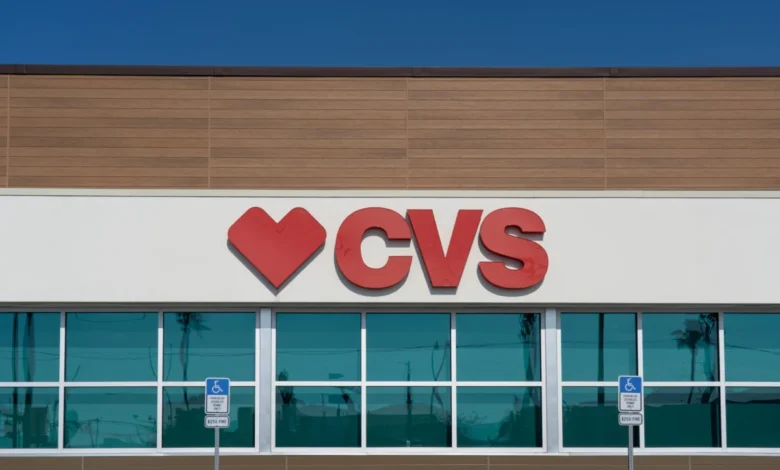
CVS Health has officially announced a sweeping strategic transformation that will see the healthcare giant divide its massive enterprise into two distinct, independent companies. This decision marks a fundamental pivot for one of the most recognizable brands in American commerce, effectively reversing two decades of aggressive vertical integration. By separating its retail pharmacy operations from its core healthcare services and insurance segments, the company aims to address the intense competitive pressures and operational challenges that have hampered its performance in recent years.
The planned separation, which is currently slated for completion in the first half of 2028, will culminate in the creation of two publicly traded entities: the new CVS Health and CVS Pharmacy. This move serves as an acknowledgment that the conglomerate model, which sought to bridge the gap between insurance underwriting, pharmacy benefit management (PBM), and brick-and-mortar retail, has faced significant headwinds in an evolving digital and regulatory landscape.
A Chronology of Expansion and Retrenchment
To understand the magnitude of this split, one must look at the trajectory of CVS Health’s corporate evolution. For the better part of the 21st century, the company operated under a philosophy of "total healthcare integration."
The genesis of this strategy was the 2007 acquisition of Caremark RX, a move that fundamentally altered the American pharmaceutical landscape by marrying a retail pharmacy chain with a massive pharmacy benefit manager. This integration allowed CVS to control both the distribution of medications and the administrative systems that dictate drug pricing and insurance coverage. The expansion continued at a breakneck pace, culminating in the 2018 acquisition of Aetna, one of the nation’s largest health insurers. That $69 billion merger was designed to create a "healthcare destination," where members could manage their insurance, fill prescriptions, and receive clinical care under one corporate umbrella.
However, the "everything-under-one-roof" strategy has faced increasing scrutiny. In recent years, the retail pharmacy sector has been battered by declining reimbursement rates for generic drugs, the rise of e-commerce competitors, and a shifting consumer preference toward digital health services. The decision to split is essentially a recognition that the synergy promised by these mergers has been offset by the operational complexity of managing such disparate business models.
Leadership Transition and Executive Realignment
The structural shift comes at a time of significant leadership turnover within the organization. David Joyner, who ascended to the role of CEO in 2024 following the departure of long-time leader Karen Lynch, will spearhead the transition. Under the proposed plan, Joyner is expected to lead the healthcare services division—the entity retaining the CVS Health name. This unit will house Aetna, the Caremark PBM business, and the company’s burgeoning specialty pharmacy and value-based care initiatives.
Meanwhile, Prem Shah, the current group president of CVS Health, has been tapped to lead the new CVS Pharmacy entity. This company will focus exclusively on the retail storefronts, which remain among the most frequently visited healthcare touchpoints in the United States. By separating the retail arm, the board hopes to allow the pharmacy business to sharpen its focus on front-of-store innovation, supply chain efficiency, and the digital pharmacy experience—an area where CVS currently holds the No. 101 position in the Top 1000 Database, a key metric for North American e-commerce performance.
Supporting Data and Market Position
The scale of the separation is immense. CVS Health currently operates thousands of retail locations across the country, serving as a primary provider of essential medicines and vaccines for millions of Americans. As of late 2024, the company remains a dominant force in the digital space, ranking 201st in the AI Commerce Rankings, reflecting its ongoing investment in integrating artificial intelligence into customer service and inventory management.
Despite these rankings, the financial realities for retail pharmacy chains have become increasingly dire. Analysts have noted that the "front-of-store" retail experience—selling beauty products, snacks, and general merchandise—has struggled to maintain margins against the backdrop of Amazon’s growing pharmacy presence and the rise of direct-to-consumer health platforms. By carving out the retail pharmacy unit, the company intends to provide it with the agility needed to compete as a standalone entity, unencumbered by the capital-intensive demands of managing a complex insurance network.
Official Statements and Strategic Rationale
In a formal statement, David Joyner emphasized that the move is not a retreat, but rather a necessary evolution. "Our history is defined by proactively evolving to stay ahead of what’s next in healthcare," Joyner stated. "Over the last two years, we have made meaningful progress: we built a world-class leadership team, strengthened our financials, and revitalized operations across the enterprise. From a position of strength, and a focus on the long term, we plan to create two focused companies to improve consumer engagement, affordability, and care coordination."
The rationale provided by the leadership team centers on "simplification." The belief is that the legacy CVS Health model has become too cumbersome to navigate efficiently, both for investors and for the patients who use their services. By separating the insurance and clinical services (Aetna and Caremark) from the retail storefronts, the company hopes to create two nimble organizations that can tailor their technology and services to their specific target audiences.
Implications for the Healthcare Ecosystem
The implications of this split extend far beyond the corporate offices of CVS. As a massive player in the healthcare supply chain, any change to the company’s structure will reverberate through the industry.
- Pharmacy Benefit Management (PBM) Reform: The separation of Caremark from the retail pharmacy arm may offer a degree of relief to critics who have long argued that the vertical integration of PBMs and pharmacies leads to anti-competitive practices. By operating as a distinct services entity, the new CVS Health will likely face continued, perhaps even intensified, scrutiny from regulators concerned with drug pricing transparency.
- Retail Innovation: For the new CVS Pharmacy, the mandate will be to modernize the "front door" of healthcare. We can expect to see a renewed focus on digital health, potentially leveraging the company’s strong ranking in AI-driven commerce to personalize the retail pharmacy experience. The competition with other retail giants, such as Walmart and Amazon, will likely become more direct and localized.
- Insurance and Value-Based Care: The "new" CVS Health will function as a pure-play healthcare services and insurance provider. This allows the company to double down on its value-based care model, where providers are paid based on patient outcomes rather than the volume of services rendered. Without the distraction of retail management, this division can focus on clinical integration and the expansion of in-home health services.
The Road to 2028
The path forward is not immediate. The separation remains subject to final approval by the CVS Health Board of Directors, as well as the usual regulatory reviews and shareholder considerations. Until the split is finalized, the two units will continue to operate as a single, combined entity.
During this transition period, the company has pledged to maintain its commitment to digital innovation and customer service. As the retail sector continues to undergo a digital transformation—evidenced by the ongoing shifts tracked by analysts at Digital Commerce 360—CVS will need to ensure that its separation does not disrupt the supply chain or the continuity of care for its millions of patients.
The decision to move away from the massive, integrated conglomerate model is a defining moment in modern American corporate history. It reflects a broader trend among major corporations: a return to core competencies in an era where the "jack-of-all-trades" corporate structure is increasingly viewed as a liability rather than an asset. Whether this split will unlock the value that investors have been seeking, or if it will fundamentally alter the way Americans access their medicine, remains the central question for the coming years. As the industry watches, the focus will remain on whether these two new entities can truly deliver on the promise of "simpler, more affordable" healthcare.