The Evolving Imperative: Modernizing SaaS SEO Tool Stacks for the AI-Driven Search Era

The digital landscape for B2B SaaS businesses is undergoing a profound transformation, with Search Engine Optimization (SEO) continuing to demonstrate its unparalleled value, yielding an average ROI of 702%. This significant return on investment underscores organic search as a cornerstone for sustainable growth and customer acquisition. However, a critical disconnect persists: despite this compelling data, a substantial number of SaaS marketing teams are still reliant on SEO tool stacks designed for a bygone era of search, ill-equipped to navigate the complexities of today’s AI-dominated environment. The advent of AI-generated answers, such as Google’s AI Overviews, ChatGPT, Perplexity, and Gemini, now demands a new strategic focus, where visibility within these "answer engines" is becoming as crucial as traditional first-page rankings.
The Shifting Sands of Search: From Keywords to AI Overviews
For years, SEO strategy primarily revolved around securing top positions on Google’s Search Engine Results Pages (SERPs). The goal was clear: rank high, drive clicks. However, the ecosystem has evolved dramatically. The integration of artificial intelligence into search, a trend that has accelerated significantly over the past two to three years, has fundamentally altered user behavior and content discoverability. Users increasingly expect immediate, synthesized answers to their queries, often delivered directly by AI models without requiring a click-through to a website. This paradigm shift introduces Answer Engine Optimization (AEO), a discipline focused on structuring and optimizing content to be readily understood, cited, and surfaced by AI.

The implications for SaaS companies are considerable. Their websites often serve a diverse array of buyer journeys, from initial awareness and problem identification to solution evaluation and decision-making. Each stage requires meticulously crafted content, and competing for visibility against authoritative platforms like G2 and Capterra, alongside direct competitors, adds layers of complexity. The right SEO tools for SaaS are no longer just about keyword tracking or backlink analysis; they must support an integrated workflow encompassing research, content creation, technical health, AI-readiness, and robust attribution, all while allowing teams to measure impact across the entire customer lifecycle.
The Economic Imperative: Why Modern SaaS SEO Tools Drive Growth
The argument for investing in a contemporary SaaS SEO strategy, supported by advanced tooling, has never been more robust. Organic search stands out as one of the few marketing channels that offer compounding returns over time, a particularly attractive feature for SaaS teams under constant pressure to optimize customer acquisition costs (CAC). Unlike paid advertising, where traffic ceases the moment spending stops, a strong organic presence continues to generate leads and customers long after initial content creation. Industry reports consistently place SEO among the highest-leverage investments for SaaS business growth, emphasizing its long-term value.
However, mere effort in SEO is insufficient. The differentiator for high-growth SaaS companies lies in the systematic application of data and automation, powered by the right tools. Without dedicated tooling, teams risk basing decisions on intuition, conducting manual and often incomplete audits, and struggling to quantify the tangible connection between organic traffic and revenue. A comprehensive platform replaces this guesswork with automated insights and clear workflows, enabling every team member to contribute effectively to SEO goals.
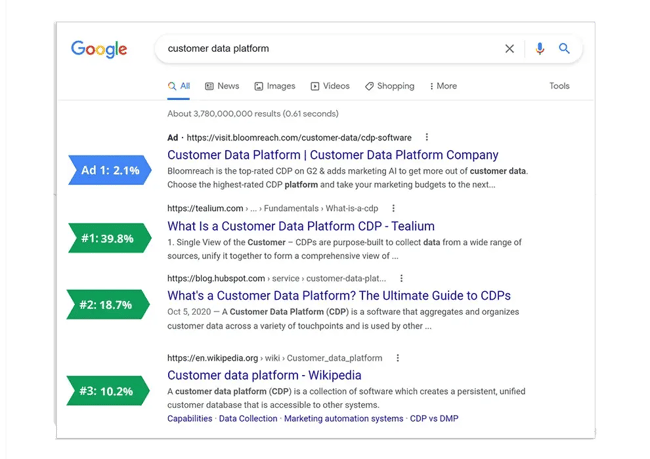
The reality of the modern SERP further amplifies this need. Data consistently shows a sharp decline in click-through rates (CTR) beyond the top three organic results on Google. For many SaaS categories, ranking outside this elite trio can be akin to not ranking at all, with CTRs plummeting into single digits. This competitive environment necessitates tools that empower SaaS teams not only to achieve these coveted top spots but also to defend them rigorously, all while ensuring their content is primed for inclusion in AI-generated answers that are reshaping early-stage buyer journeys. The ability of AI to summarize and present information directly means that content needs to be optimized for both traditional search engine algorithms and the interpretive capabilities of large language models.
Architecting a Future-Proof SaaS SEO Strategy: Key Tool Features
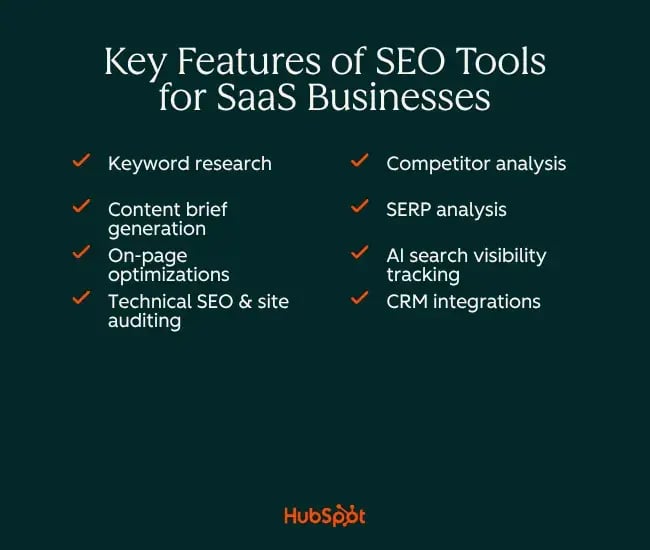
Before selecting an SEO tech stack, SaaS teams must meticulously identify the specific features that align with their operational workflows and strategic objectives. While individual needs will vary, five core feature categories are universally critical for modern SaaS SEO success:
- Keyword Research and Competitive Intelligence: Beyond merely identifying high-volume terms, SaaS companies require tools that reveal search intent across the entire buyer journey, from initial awareness to final decision. Effective tools surface not only what users are searching for but why, analyze competitor rankings, and identify untapped market opportunities. This comprehensive approach ensures that content addresses genuine user needs and aligns with commercial intent.
- Technical SEO Auditing: This forms the bedrock of any successful SEO strategy. Issues such as crawl errors, slow page speeds, broken internal links, duplicate content, or indexation problems can severely impede even the most brilliant content. SaaS sites, often characterized by rapid expansion of product pages, subdomains, and frequent development cycles, are particularly susceptible to these technical challenges. Robust tools must offer automated site crawling, intelligent issue prioritization, and clear, actionable guidance for remediation.
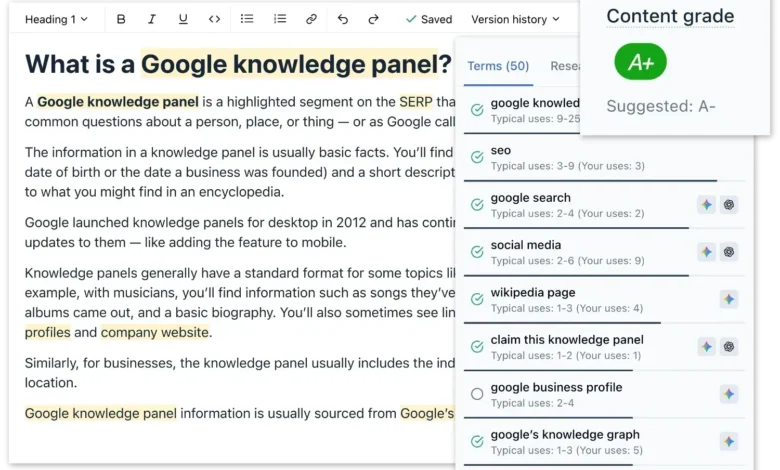
- On-page Content Optimization: Essential for scaling content production, these tools provide objective, data-backed recommendations. They analyze pages against top-ranking competitors, suggesting improvements in relevance, thematic coverage, and structural organization. For teams managing multiple writers, freelancers, or AI-assisted workflows, these tools ensure consistent quality benchmarks, offering real-time scoring, semantic term suggestions, readability assessments, and the capability to generate structured content briefs from the outset.
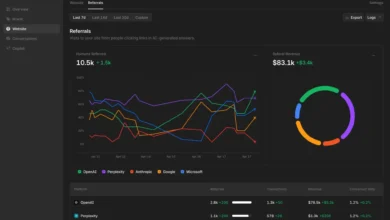
- AI Search and AEO Visibility: As AI search tools increasingly answer queries without requiring traditional clicks, SaaS brands need capabilities to measure and optimize their presence in these new environments. This includes assessing how well content is formatted for direct citation by AI models. Answer Engine Optimization (AEO) is now as vital as traditional on-page SEO, and tools that support both offer a distinct competitive advantage by ensuring content is discoverable and trustworthy in AI-generated responses.
- Reporting, Attribution, and CRM Integration: Demonstrating SEO’s revenue impact is paramount for securing budget and internal support. For SaaS companies, this means seamlessly connecting organic traffic to pipeline generation, trial sign-ups, and closed deals. Tools offering customizable dashboards, historical keyword tracking, integration with Google Analytics and Google Search Console, and, ideally, native CRM connectivity, enable marketing teams to attribute leads and customers directly to specific content assets, transforming SEO from a cost center into a quantifiable revenue driver.
A Deep Dive into Leading SaaS SEO Tools for 2026
The market offers a diverse array of tools, each with unique strengths. Here’s a comprehensive look at 13 leading SaaS SEO tools, categorized by their primary functions:
Integrated SEO & CRM Solutions

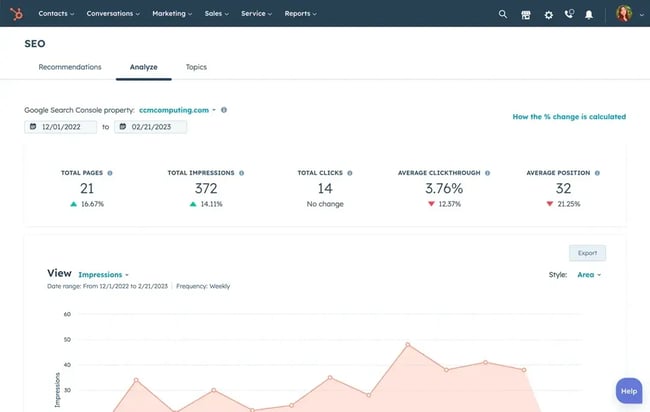
- HubSpot Marketing Hub: Designed for SaaS teams seeking a unified platform for SEO, reporting, and CRM attribution. Its built-in SEO tools streamline planning, optimization, and performance analysis, surfacing recommendations across the entire content lifecycle. The platform’s SEO recommendations feature scans entire websites, including pages hosted externally, prioritizing technical SEO, on-page optimization, and accessibility issues. Critically, Marketing Hub’s native CRM integration allows for seamless attribution of organic traffic to contacts, deals, and revenue, a significant advantage in proving ROI. Its support for structured data and schema recommendations also aligns content for AI systems.
- Expert Insight: Marketing Hub’s ability to unify SEO data with CRM provides an unparalleled view of the customer journey, making it easier for marketers to connect organic efforts to bottom-line results.
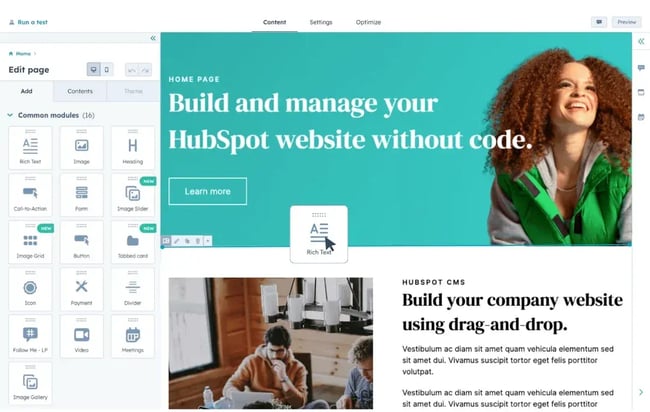
- HubSpot Content Hub: This platform empowers content teams by embedding SEO guidance directly within the Content Management System (CMS). It facilitates content creation, management, and optimization in a single environment, eliminating the need for writers to switch between disconnected tools. Real-time SEO suggestions appear within the editor, complementing its AI content writer for scalable, SEO-aligned drafting. Content Hub’s robust support for structured data and schema markup, allowing for JSON-LD implementation at template or module levels, is vital for AEO, ensuring content is AI-ready from inception.
- Analyst View: For SaaS businesses scaling content, Content Hub’s integrated approach to content creation and SEO, particularly its schema capabilities, significantly reduces development dependencies and enhances AI discoverability.
Advanced Research & Auditing Powerhouses
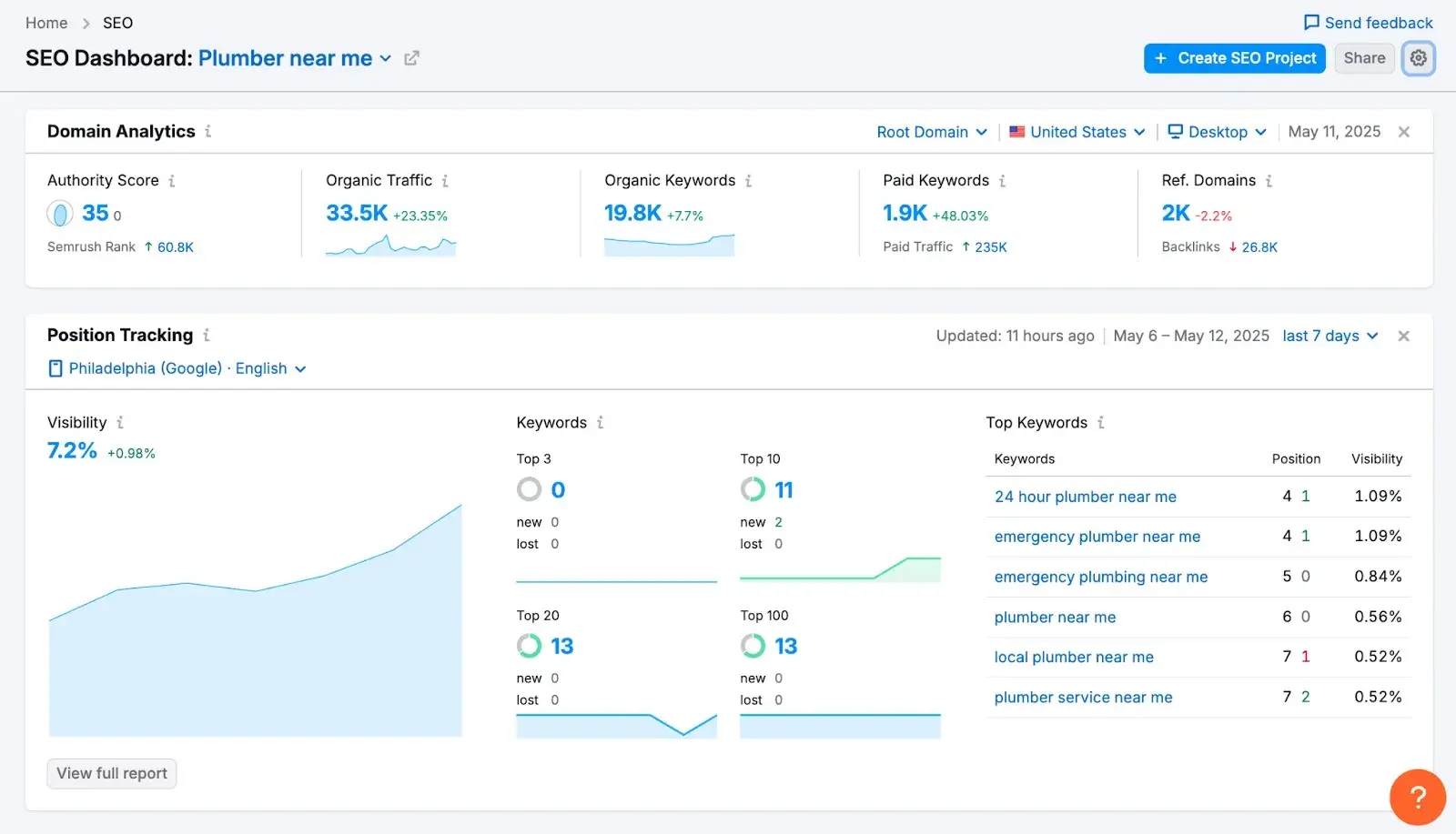
- Semrush: A comprehensive, all-in-one platform for keyword research, competitive analysis, technical SEO, and AEO. Semrush allows teams to scale subscriptions based on specific data needs, providing detailed insights into keyword strategy, competitor performance, and site health. Its continuous evolution includes AI-enhanced features, making it a frontrunner for businesses needing a holistic SEO solution.
- Industry Observation: Semrush’s consistent innovation in integrating AI visibility features into its robust SEO toolkit ensures its relevance in the rapidly changing search landscape.
- Ahrefs: Renowned for its deep backlink intelligence and organic traffic estimation. Ahrefs provides an exhaustive view of a company’s and its competitors’ link profiles, leveraging one of the industry’s largest crawling infrastructures. Its Content Gap tool is particularly valuable for identifying keyword opportunities by analyzing what competitors rank for but the user’s site does not.
- Expert Quote (Ila Bandhiya, Senior Digital Marketer at Middleware.io): "Ahrefs provides comprehensive backlink and keyword data, allowing SaaS marketers to identify growth opportunities quickly and efficiently. Its intuitive interface makes complex SEO tasks much more manageable. I particularly like tracking competitor content performance to uncover content gaps and new keyword opportunities for our SaaS product. That directly informs content strategy and helps scale content operations with measurable results."
- Screaming Frog SEO Spider: Widely regarded as the industry standard for granular technical SEO audits. This desktop application crawls websites to provide raw, unfiltered data on a vast array of technical issues, including 3XX and 4XX status codes, redirect chains, and broken links. While it requires technical expertise to interpret, its capabilities are unparalleled for diagnosing site-wide technical problems.
- Strategic Recommendation: Prioritizing Screaming Frog for technical audits before investing in other tools is crucial, as a clean technical foundation is essential for any content strategy to succeed.
Content Optimization & AI Readiness
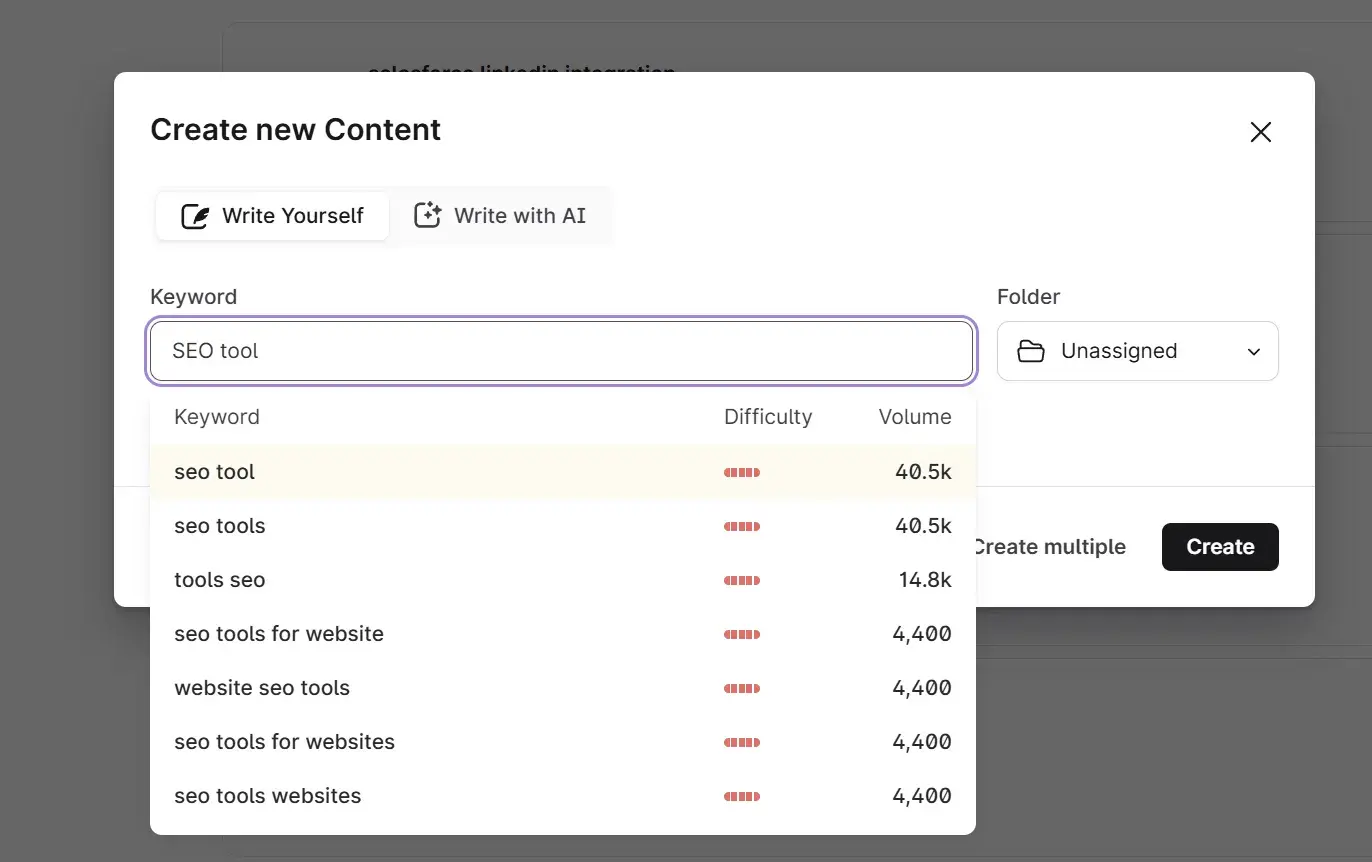
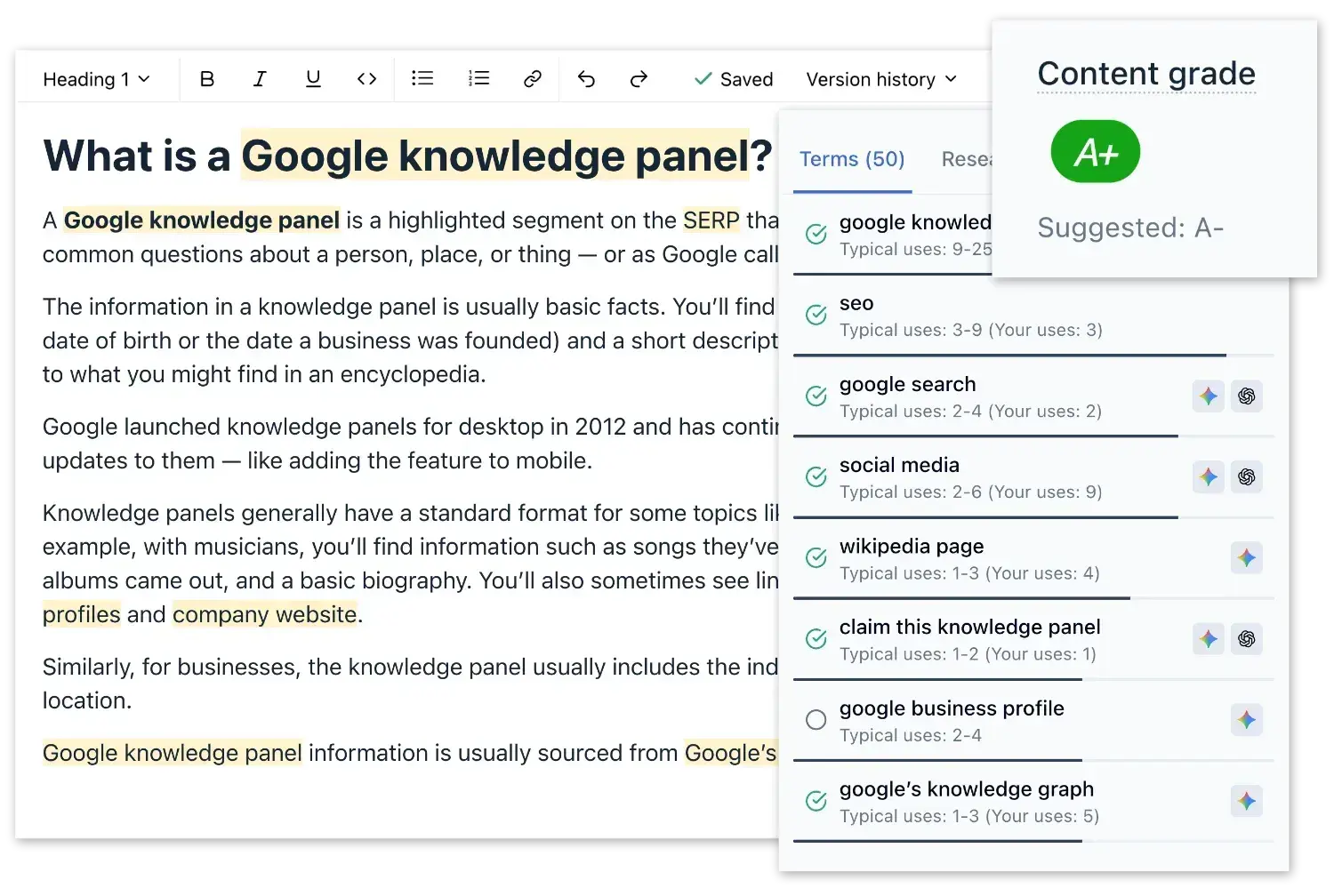
- Surfer SEO: A popular choice for data-driven content planning and optimization. Surfer analyzes top-ranking pages to generate a content score and term-based recommendations, empowering writers with real-time guidance. It aids in creating structured, data-backed briefs and improving existing content, fostering efficiency in the editorial process.
- Expert Quote (Manea Stefania, Account & Content Manager at dslx): "Surfer SEO is one of the most practical tools I’ve used for keeping content teams aligned on SEO without micromanaging the writing process. I use the keyword research feature to inform my briefs, and then share the Content Editor with writers so they have a clear SEO direction without it limiting their creativity. When briefing writers on competitive topics, I rely on Surfer’s keyword research to identify the right angle and search intent upfront. It’s also worth noting that Surfer can auto-generate outlines based on competing articles and keyword research, a feature I’d highlight for SaaS teams trying to scale their content output, as it can save a significant amount of time."
- Clearscope: Focuses on content optimization and term coverage checks, ensuring SaaS content addresses the full spectrum of topics associated with a keyword. Its clean interface and reliable term grading make it suitable for managing large content libraries.
- Analyst View: Clearscope’s long-standing presence in serious SEO workflows reflects a depth of expertise that translates well into AEO performance, as understanding search engine interpretation is key to AI model interpretation.
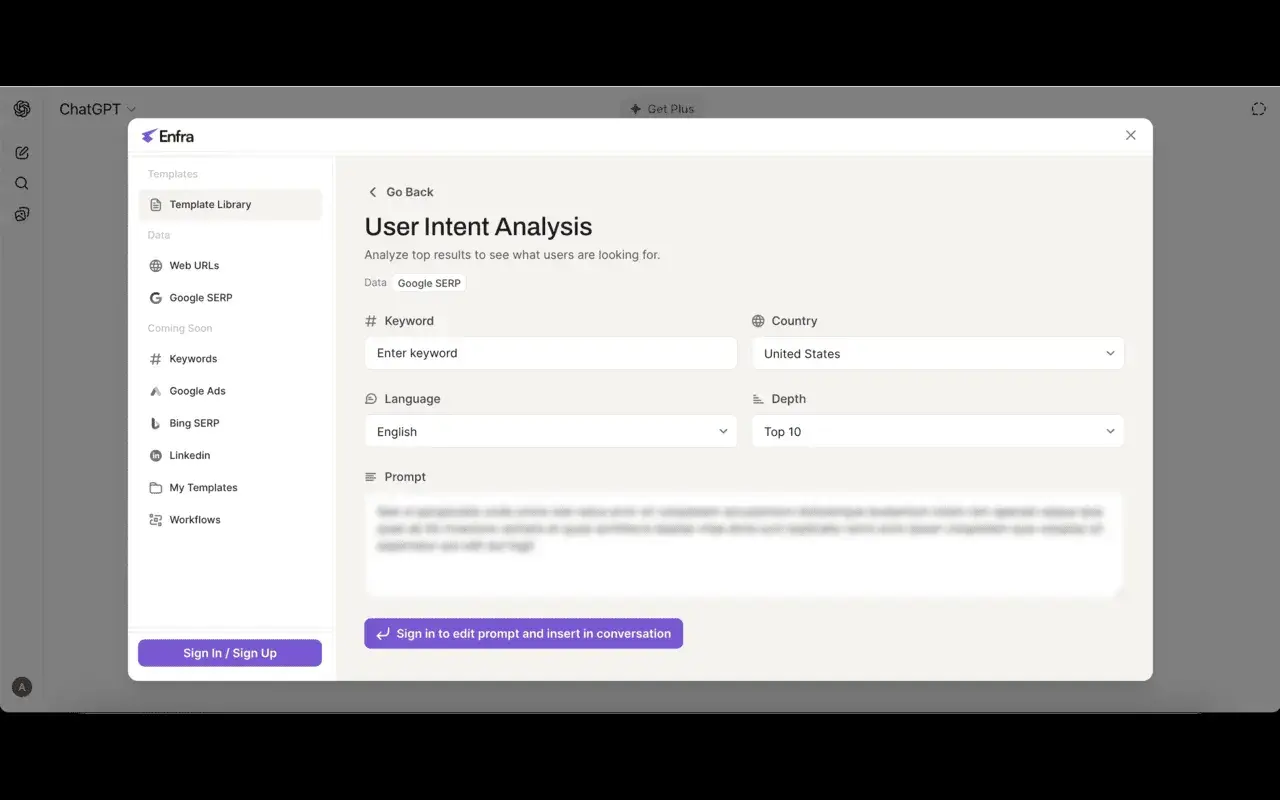
- Enfra Chrome Extension: A valuable addition for SaaS teams leveraging AI writing tools (ChatGPT, Claude, Gemini). Enfra bridges the gap between AI workflows and real-time search data by injecting live SERP data and Google Search Console metrics directly into AI interfaces, ensuring content output is grounded in current search realities.
- Expert Quote (Liz Bowers, SEO Manager at Mosaic eMarketing): "Enfra is my favorite tool for 2026. It injects live SERP data and your own Google Search Console metrics directly into the interface. Instead of the AI guessing what a ‘good’ article looks like, it sees exactly who is ranking right now and why. For a SaaS company looking to scale, this eliminates hours of manual research. I specifically love using the ‘Compare Content to Top 10’ and ‘Content Plan for ChatGPT’ features together. First, I use the Compare feature to have the AI analyze my draft against the current top-ranking pages. It instantly flags ‘Information Gaps’, specific subtopics, or questions the competitors cover that I missed. Then, I run the Content Plan workflow to identify the specific questions users ask in AI tools like ChatGPT and Perplexity. By combining these, I’m not just optimizing for Google’s current blue links; I’m optimizing for the Generative Search era, ensuring our SaaS brand shows up as the definitive answer across all AI platforms."
Essential First-Party & AI Visibility Tools
- HubSpot AEO Grader: A free, purpose-built tool for analyzing website performance in AI search across ChatGPT, Perplexity, and Gemini. It provides actionable insights into a brand’s AI search visibility, including how AI engines mention and describe the brand, and offers competitive benchmarking.
- Strategic Recommendation: Use the AEO Grader not only for your brand but also for top competitors to identify messaging gaps and AEO strategy opportunities.
- Google Search Console (GSC): An indispensable, free tool providing direct communication between a website and Google. GSC offers accurate first-party data on search performance, index coverage, core web vitals, and crawl stats. It’s an invaluable resource for keyword research, revealing "zero search volume" terms that often convert highly due to their specificity.
- Fundamental Principle: GSC should be the very first tool installed in any SEO stack, regardless of team size or budget, as its data is foundational.
- Bing Webmaster Tools: Supports site monitoring for Bing search and has expanded its AI features to become a critical free tool for understanding visibility in AI-generated results. It offers insights into Bing indexation and, increasingly, how AI answers cite content within Microsoft’s AI search experiences.
- Practical Application: Importing GSC data into Bing Webmaster Tools allows for immediate access to Bing-specific data and AI citation monitoring with minimal setup.
Streamlining Internal Linking
- Link Whisper: A WordPress plugin that automates internal linking, a crucial yet often overlooked aspect of SEO. It suggests relevant internal links across existing content, aiding in the creation of a stronger site architecture, detecting orphaned pages, and improving the distribution of link equity.
- Efficiency Gain: Link Whisper addresses a common challenge on large SaaS sites, where many high-quality pages lack sufficient internal links, making it a quick win for improving rankings.
- Yoast SEO: For WordPress-based SaaS content, Yoast SEO provides a reliable foundation for on-page SEO and basic internal linking. It offers real-time content analysis, metadata management, schema implementation, sitemap generation, and internal linking suggestions, consolidating essential SEO tactics into a single, user-friendly plugin.
- Convenience Factor: Yoast’s all-in-one approach to on-page SEO simplifies management, reducing the need for multiple specialized tools for WordPress users.
Tailoring Your SaaS SEO Tool Stack to Team Size and Ambition
The optimal SEO tool stack is not a one-size-fits-all solution; it scales with a team’s headcount, budget, and content objectives.
- Solo to 2 Marketers: A lean team should prioritize free, first-party data sources and a single, integrated platform. This includes Google Search Console, Bing Webmaster Tools, and HubSpot AEO Grader for essential insights. A core platform like HubSpot Marketing Hub or Content Hub can then unify SEO activity with business outcomes, providing a cost-effective and efficient foundation.
- Team of 3 to 5: A growing team requires more structured approaches to research, content creation, optimization, and reporting. Adding a comprehensive research and auditing tool like Semrush becomes essential for competitive intelligence and technical health. For content optimization, Surfer SEO or Clearscope can standardize briefs and quality. Link Whisper or Yoast SEO are valuable for managing internal linking on WordPress sites.
- Team of 10+: Large SaaS teams necessitate a shared SEO system that supports multiple contributors, robust reporting, and frequent content and technical refresh cycles. This stack typically includes all the aforementioned tools, with the addition of Ahrefs for deep backlink analysis and Screaming Frog for highly granular technical audits. An integrated platform like HubSpot becomes even more critical for orchestrating diverse efforts and ensuring consistent attribution across a larger organization.
Strategic Considerations in Modern SaaS SEO
The shift to AI-driven search prompts several critical questions for SaaS marketers:
- Tracking AI Search Visibility: The HubSpot AEO Grader offers an excellent starting point for a snapshot analysis across ChatGPT, Perplexity, and Gemini. For ongoing monitoring, combining AEO reporting with Bing Webmaster Tools’ AI Performance dashboard and traditional GSC data provides a comprehensive view of both search visibility and AI citation activity.
- Budget-Conscious Prioritization: For small teams on tight budgets, free tools like Google Search Console, Bing Webmaster Tools, and HubSpot AEO Grader are indispensable. Subsequently, investing in a platform like HubSpot Marketing Hub, which integrates SEO, CRM, and reporting, offers superior efficiency compared to assembling multiple disconnected point solutions.
- CRM Integration for Attribution: HubSpot Marketing Hub stands out for its native integration with HubSpot Smart CRM. This allows for direct attribution of organic traffic to contacts, deals, and closed revenue without the need for complex custom integrations, providing a clear line of sight from SEO efforts to business impact.
- Content Refresh Frequency: High-intent content, such as comparison pages, alternative solution pages, and bottom-of-funnel category terms, should be reviewed and refreshed at least every 3 to 6 months. These categories are particularly susceptible to shifts in competitor content and evolving SERP features, necessitating continuous optimization.
- Content Optimizer vs. Brief Generator: For smaller teams, tools like Surfer SEO can capably handle both brief generation and on-page optimization, making it a practical single investment. Larger teams, with more complex editorial workflows and content governance requirements, may eventually benefit from specialized tools for each function, allowing for more detailed briefs and granular optimization processes.
Conclusion: The Imperative for Integrated SEO in SaaS Growth
The contemporary SaaS content engine is a complex ecosystem encompassing research, briefing, creation, optimization, refreshing, internal linking, and reporting. In an era increasingly defined by AI-powered search, the right SEO tools are no longer a luxury but a strategic imperative. They bridge the gap between guesswork and data-driven growth, ensuring that every stage of content operation is informed by actionable insights.
The profound shift towards AI Overviews and answer engines underscores the need for SaaS businesses to move beyond traditional SEO metrics and embrace AEO. This requires not only understanding how search engines rank content but also how AI models interpret, synthesize, and cite information. Integrated platforms that connect SEO efforts directly to CRM data, like HubSpot, offer a significant advantage. By unifying SEO data with contact, pipeline, and content performance, these platforms empower marketers to draw a clear, quantifiable line from organic efforts to revenue, ensuring that SEO remains a core, strategic driver of sustainable SaaS growth.