The modern ecommerce landscape is often characterized by rapid scalability and high-volume sales, yet behind the scenes, many retailers are struggling with a persistent, fragmented infrastructure that threatens operational stability. When a successful marketing campaign triggers a surge in orders, the immediate byproduct is often not just revenue, but a series of cascading operational failures. These include stockouts of bestselling items, inaccurate inventory reporting, and delayed visibility into returns. While these events are often viewed as isolated incidents, industry analysts suggest they are symptomatic of a deeper, systemic issue: the lack of connectivity between disparate logistics platforms.
For many mid-to-large-scale retailers, the primary challenge is not a lack of technology, but an excess of disconnected software. A typical merchant may juggle an enterprise resource planning (ERP) system for accounting, a third-party logistics (3PL) provider for warehousing, a specialized shipping platform for label generation, and a web storefront for customer transactions. When these systems operate in silos, data accuracy degrades rapidly. A recent study on operational efficiency in digital retail found that nearly 40% of mid-market merchants struggle with "inventory drift," where the digital stock count in the storefront fails to match the actual physical stock in the warehouse. This discrepancy, often exacerbated by manual data entry or delayed synchronization, leads to overselling, customer dissatisfaction, and increased labor costs associated with manual reconciliation.
The evolution of the "composable commerce" movement has provided businesses with the freedom to select best-in-class tools, yet this flexibility has created a paradox of choice. While retailers can now hand-pick an ideal stack of specialized software, they often fail to implement the robust API-level integrations required to ensure that these tools communicate effectively. The result is a fragmented ecosystem where the "source of truth" is ambiguous.

The Anatomy of Operational Fragmentation
The chronology of a typical logistics failure usually begins long before the customer clicks "checkout." It starts with the procurement of inventory and the synchronization of product data. In a fragmented system, a price update or a product description change made in an ERP might take hours or days to propagate to the website, if it updates at all.
When a sale occurs, the clock begins ticking. In a perfectly synchronized environment, the sale triggers an immediate decrement in inventory across all connected channels. However, when systems are loosely coupled, the lag time between the purchase and the inventory update—often caused by batch processing—creates a window of vulnerability. This is where "overselling" occurs: the website shows an item as "in stock" because the 3PL hasn’t yet reported that the final unit was picked and packed.
Historical data suggests that these issues are most prevalent during peak shopping periods, such as Black Friday or Cyber Monday. During these windows, the volume of transactions can outpace the refresh rate of older, legacy integration methods. A 2024 analysis by logistics researchers indicated that merchants relying on once-a-day synchronization experienced a 15% higher rate of return processing errors compared to those utilizing real-time API connectivity.
Achieving a Single Source of Truth
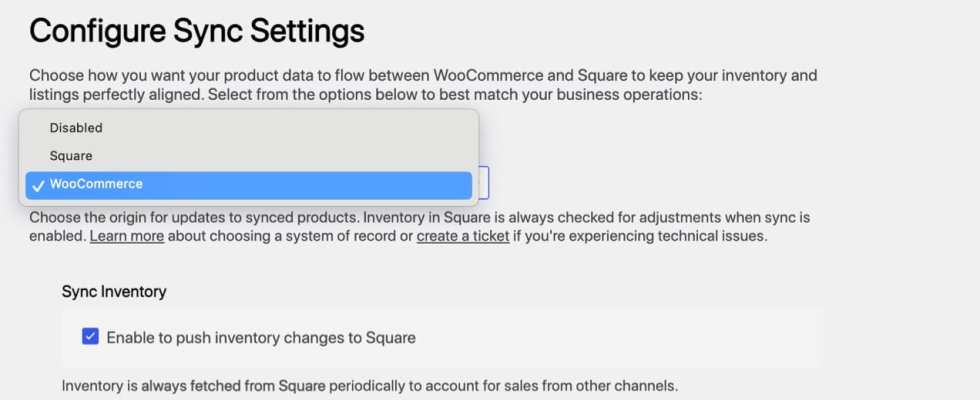
To resolve these challenges, industry experts recommend a fundamental shift toward real-time data orchestration. The goal is to establish a "single source of truth," which does not necessarily require migrating all operations into a single, monolithic platform. Instead, it involves designating one system as the primary authority for specific data sets—such as the ERP for financial accounting, or the ecommerce platform for customer-facing product details—and using middleware or direct API connections to push updates to secondary systems.
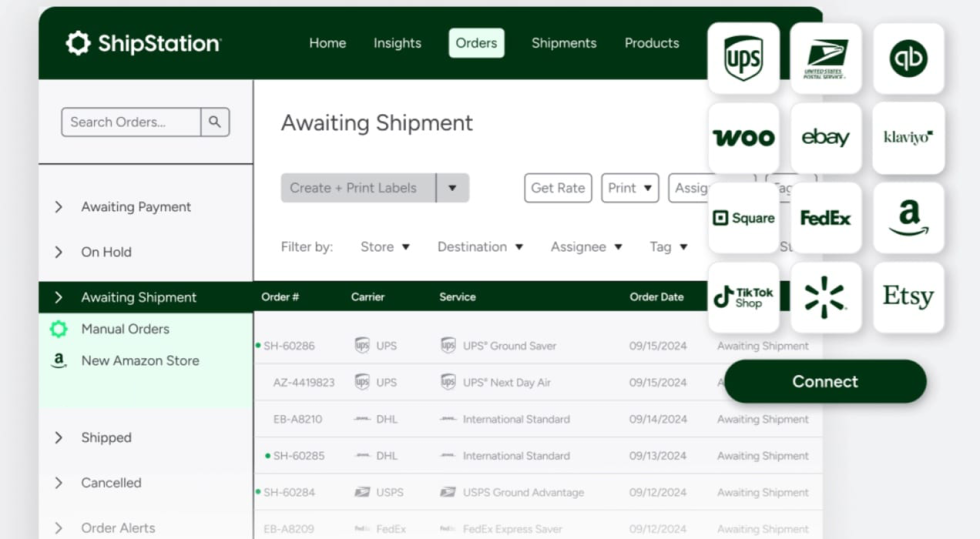
For users of open-source platforms like WooCommerce, the technical framework for this integration is well-established through REST APIs and webhooks. The REST API serves as the bridge, allowing external systems to query and update data, while webhooks act as real-time alerts. When a specific event occurs—such as an order being marked as "shipped" in a 3PL portal—the system automatically notifies the store, which then triggers a status update for the customer. This automation removes the human element from data entry, drastically reducing the margin for error.
Strategic Prioritization in Integration
For businesses looking to audit their logistics health, the recommended starting point is always inventory. Inventory is the cornerstone of the entire ecommerce operation; it dictates the feasibility of sales, the accuracy of replenishment cycles, and the efficiency of fulfillment. If the inventory data is unreliable, the performance of the shipping and marketing teams is effectively neutralized.
The process of auditing inventory connectivity involves three critical questions:
- Which system acts as the master record for stock levels?
- How frequently is data synchronized between the store and the warehouse?
- What is the protocol for handling exceptions, such as damaged goods or returned items?
The issue of returns, in particular, represents a complex logistical challenge. A returned item is not simply "inventory" until it has been inspected, graded, and restocked. If the warehouse management system (WMS) does not communicate this status back to the storefront, the item remains in a "lost" state—neither available for sale nor accounted for as a loss. Modern integrated workflows ensure that once an inspector marks a return as "resellable" in the WMS, the inventory count is automatically incremented in the storefront, making the item available for purchase within seconds.
The Role of Composability in Modern Logistics
The shift toward composability has allowed businesses to avoid vendor lock-in. By utilizing platforms that support open integration, retailers retain the flexibility to swap out a shipping carrier or a WMS provider without needing to rebuild their entire website. This modular approach is becoming the gold standard for high-growth brands.
However, the "freedom of choice" inherent in composability comes with the responsibility of maintenance. A stack of best-in-class tools is only as strong as the connections between them. For the modern merchant, the strategic investment is no longer just in the tools themselves, but in the middleware and API architectures that unify them.
Broader Economic Implications
The implications of these logistical bottlenecks extend beyond the individual merchant. As consumer expectations for "instant gratification" and "two-day shipping" continue to rise, the retail industry is under immense pressure to improve fulfillment speed. Data suggests that retailers who invest in real-time logistics integration see a significant improvement in customer retention rates. Conversely, those that continue to rely on manual, disconnected processes face rising customer acquisition costs, as the cost of fixing a shipping error or managing a customer service inquiry related to a stockout far exceeds the initial cost of implementing a robust, automated integration.
Ultimately, the goal of logistics orchestration is to create a seamless flow of information that matches the flow of goods. Whether through dedicated extensions, custom API builds, or third-party middleware, the transition from fragmented silos to a unified data architecture is the defining trend for the next decade of ecommerce. By viewing the logistics stack as an integrated organism rather than a collection of independent parts, retailers can not only solve the "hidden" failures of the present but also build a foundation capable of handling the scale of the future. The technology to bridge these gaps exists; the challenge for leadership now is to prioritize connectivity as a fundamental pillar of their digital business strategy.