Bridging the Strategic Gap Between HR and Finance to Drive Workforce Performance and Business Growth

The historical tension between Human Resources (HR) and Finance departments has long been a defining characteristic of corporate governance. Traditionally, this relationship has been framed as a tug-of-war: HR leaders advocate for increased investment in people, culture, and workforce development, while Finance departments, led by Chief Financial Officers (CFOs), prioritize fiscal discipline, cost-cutting, and immediate bottom-line results. However, as the global economy navigates a period of unprecedented volatility—characterized by the rapid integration of artificial intelligence, chronic manager burnout, and shifting employee expectations—this adversarial dynamic is undergoing a fundamental transformation.
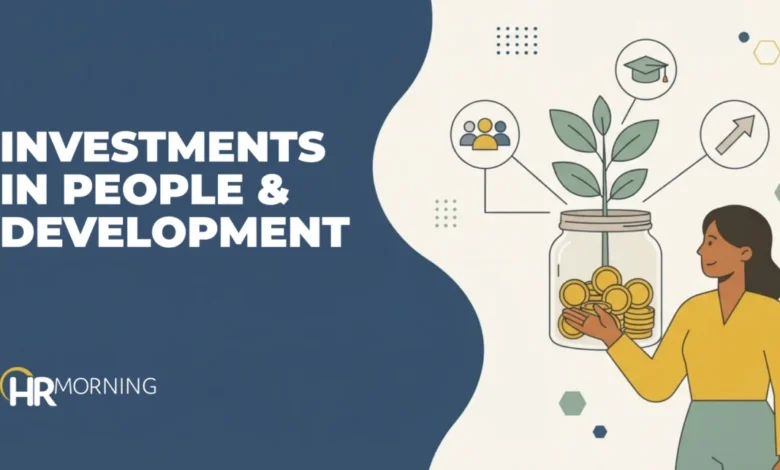
Organizations are increasingly recognizing that the "people vs. profit" dichotomy is a false narrative. In the modern business landscape, the ability to build and sustain a high-performing workforce is not merely a personnel goal; it is a critical financial imperative. Consequently, HR leaders are now focused on developing sophisticated people strategies that are grounded in data and business logic, designed to earn the trust and financial backing of their colleagues in Finance.
The Economic Reality of the Performance Gap
The urgency of this shift is underscored by recent data highlighting a significant decline in global workforce performance. According to research conducted by BetterUp, which analyzed behavioral data from approximately 410,000 employees, work performance has dropped between 2% and 6% since 2019. While a single-digit percentage may appear marginal in isolation, the cumulative impact is staggering. Researchers estimate that this decline has resulted in approximately $2.2 trillion in lost performance value over the last five years.
Jolen Anderson, Chief People and Community Officer at BetterUp, argues that workforce development must be reimagined to address this deficit. "Workforce development isn’t simply about building skills; it’s about restoring the capabilities, such as purpose and a growth mindset, that drive business performance," Anderson notes. When development initiatives are directly tied to solving tangible business challenges, they transition from being viewed as an administrative expense to being recognized as a strategic business investment.
A Chronology of Workforce Disruption (2019–2024)
To understand the current state of HR-Finance relations, it is necessary to examine the timeline of events that have reshaped the workplace over the last half-decade:
- 2019: The Baseline. Prior to the pandemic, many organizations focused on traditional talent management and steady-state operations. Performance levels were relatively stable, though signs of disengagement were beginning to surface.
- 2020–2021: The Disruption and "The Great Resignation." The COVID-19 pandemic forced a global shift to remote work, causing immediate fractures in organizational culture. As the economy reopened, the "Great Resignation" saw record numbers of employees leaving their jobs in search of better benefits, flexibility, and purpose.
- 2022: The Rise of "Quiet Quitting" and Burnout. As the labor market tightened, the remaining workforce faced increased workloads. This led to the phenomenon of "quiet quitting," where employees performed only the bare minimum required, and a surge in manager burnout as leaders struggled to manage hybrid teams.
- 2023: The AI Revolution and Efficiency Mandates. The mainstreaming of generative AI introduced a new layer of complexity. Organizations faced pressure to adopt new technologies while simultaneously implementing "year of efficiency" measures, often involving layoffs and budget freezes.
- 2024: The Strategic Realignment. Currently, organizations are attempting to find a balance between technological adoption and human capability. The focus has shifted toward "reskilling" and "upskilling" as a means of maximizing the potential of existing headcount.
Strategy 1: Aligning People Initiatives with Core Business Challenges
For HR professionals to secure the necessary funding for their programs, they must move away from advocating for "training for training’s sake." Instead, every proposal must begin with a clear identification of a business challenge.
In the current economic climate, most organizations are hyper-focused on two primary objectives: improving productivity and reducing turnover. The cost of losing a high-performing employee is estimated to be 1.5 to 2 times their annual salary when accounting for recruitment, onboarding, and lost institutional knowledge. If an HR leader can demonstrate that a specific leadership development program will reduce turnover in a high-churn department by 10%, the financial argument becomes self-evident.
Anderson emphasizes that the focus should shift from activity to outcomes. "The question isn’t whether employees completed a course, but whether the organization can measure meaningful behavior change and connect that change to progress against its business objective," she says. By framing people investments as solutions to operational bottlenecks, HR aligns itself with the CFO’s primary mission of organizational optimization.
Strategy 2: Utilizing Data-Driven Metrics to Speak the Language of Finance
Finance departments operate on the basis of quantifiable data and measurable returns on investment (ROI). To gain credibility, HR must move beyond "soft" metrics like employee satisfaction scores and adopt the rigorous analytical standards used by Finance.
CFOs are specifically looking for evidence that an investment is producing results that impact the balance sheet. Key performance indicators (KPIs) that resonate with Finance include:
- Retention and Turnover Costs: Calculating the direct and indirect savings achieved by keeping talent within the organization.
- Internal Mobility: Measuring the cost-effectiveness of filling senior roles with internal candidates versus external hires.
- Speed to Proficiency: Tracking how quickly new hires or reskilled employees reach peak productivity levels.
- Leadership Readiness: Assessing the strength of the "bench" to ensure business continuity and reduce the risks associated with leadership gaps.
When presenting a case for investment, HR leaders should provide a clear framework for how data will be collected, how success will be measured, and how the results will be reported. Reliability and consistency in data evaluation are paramount to building long-term trust with the Finance team.
Strategy 3: Early Integration and Collaborative Governance
One of the most effective ways to bridge the gap between HR and Finance is to involve the CFO and their team in the planning process from the beginning. Waiting until the annual budget cycle to present a major people initiative is a common pitfall that often leads to rejection.
By involving Finance early, HR can gain valuable insights into the broader business priorities and fiscal constraints. This collaborative approach allows for the co-creation of goals, ensuring that people strategies are baked into the overall business strategy rather than being treated as an isolated HR project.
"They [CFOs] can provide insight into business priorities and help identify where stronger leadership capabilities could create measurable value," Anderson explains. This shared ownership leads to more informed decision-making and ensures that the workforce is specifically equipped to support the organization’s long-term strategic goals.
The Broader Impact: Implications for the Future of Work
The shift toward a unified HR-Finance strategy has profound implications for the future of corporate structure. As companies become more data-centric, the role of the Chief Human Resources Officer (CHRO) is evolving into that of a "Chief People Strategist," a role that requires as much financial acumen as it does psychological insight.
Furthermore, the integration of AI necessitates a workforce that is agile and continuously learning. Without a strong partnership between HR and Finance, organizations risk falling into a "skills gap" trap, where they have the technology but lack the human talent to utilize it effectively. Conversely, organizations that successfully align these two functions are better positioned to weather economic downturns and capitalize on new opportunities.
A workforce that feels invested in—through development, clear purpose, and supportive leadership—is statistically more likely to demonstrate the "growth mindset" that Anderson highlights as a driver of performance. In an era where human capital is often the primary differentiator between competitors, the ability to fund and execute effective people strategies is no longer optional; it is a prerequisite for survival.
Conclusion: Toward a Unified Corporate Strategy
The transition from viewing workforce development as an expense to viewing it as a strategic investment marks a significant milestone in corporate evolution. By focusing on business challenges, utilizing rigorous metrics, and fostering early collaboration with Finance, HR leaders can move beyond the traditional "tug-of-war" and create a more resilient, high-performing organization.
The $2.2 trillion performance gap identified by researchers serves as a wake-up call for boards and executive suites worldwide. It suggests that the "lean" approach to human capital may have reached a point of diminishing returns. To reclaim lost performance and drive future growth, the next era of business must be defined by a sophisticated, data-backed, and financially integrated approach to the people who power the enterprise. As Jolen Anderson concludes, this alignment ultimately leads to "a workforce that’s better prepared to support the organization’s long-term goals," ensuring that both the people and the profits remain on an upward trajectory.