5th Circuit Revives Racial Harassment Claim Citing Employer’s Inadequate Investigation and Hostile Work Environment

The 5th U.S. Circuit Court of Appeals has overturned a lower court’s summary judgment in favor of a healthcare employer, reviving a lawsuit that alleges a pervasive hostile work environment and a failure by management to conduct a meaningful investigation into racial harassment. The appellate court’s decision, issued in mid-2026, emphasizes that an employer’s remedial actions must be more than a mere formality; they must be "prompt and thorough" to shield the organization from liability under Title VII of the Civil Rights Act of 1964. The ruling serves as a stark reminder to human resources departments and legal counsel that discrepancies in internal records and dismissive attitudes from management can dismantle an organization’s legal defense in discrimination cases.
The case involves a Black nurse employed by Corpus Christi Medical Center (CCMC) and the Bay Area Healthcare Group. The plaintiff alleged that she was subjected to a barrage of racial harassment and a toxic workplace culture that management failed to rectify. While the district court initially dismissed the claims, the 5th Circuit found that the plaintiff had presented sufficient evidence to suggest that the harassment was severe and pervasive enough to alter the conditions of her employment, and that the employer’s response was legally insufficient.
The Evidence of a Hostile Work Environment
In her pursuit of justice, the plaintiff provided a robust collection of evidence to support her claims of a hostile work environment. Central to her argument was her own deposition testimony, which was bolstered by the testimony of a Black co-worker who witnessed and experienced similar treatment. The plaintiff also produced a trail of emails documenting specific incidents of harassment, creating a contemporary record of the alleged misconduct as it occurred.
The psychological impact of the workplace environment was a significant factor in the court’s assessment. The plaintiff testified that the ongoing harassment led her to question her ability to function in her professional role and made her feel "less than human." To support these assertions, she submitted counseling records that detailed her emotional distress, trauma, and a persistent fear of harm. These records provided a clinical link between the workplace environment and the plaintiff’s deteriorating mental health and professional performance.
The 5th Circuit also highlighted the importance of "secondhand harassment." The court noted that witnessing the harassment of a co-worker of the same protected class is a relevant factor in the "totality of the circumstances" used to determine if an environment is hostile. By observing her colleague’s mistreatment, the plaintiff’s own sense of isolation and victimization was amplified, a factor the court ruled must be weighed in her favor.
Failures in the Internal Investigation
Under federal law, specifically Title VII, employers are not automatically liable for every instance of co-worker harassment. However, they become liable if it is proven they knew—or should have known—about the conduct and failed to take prompt and effective corrective action.
In this case, CCMC argued that it had met its legal obligations. The defense pointed to records indicating that management had conducted interviews with the accused parties and provided "coaching" to the nurses allegedly involved in the harassing behavior. Furthermore, the hospital offered the plaintiff a transfer to a different department as a means of resolving the conflict.
However, the 5th Circuit found significant flaws in the employer’s defense. The court pointed to several critical failures in the investigation process:
- Inconsistency in Testimony: There were notable discrepancies between the testimony of CCMC staff regarding the investigation and the actual interview records produced.
- Missing Documentation: In a move that severely weakened its position, the employer failed to produce a formal investigation file or contemporaneous notes during the discovery phase of the litigation. This lack of documentation suggested to the court that the investigation may not have been as rigorous as claimed.
- Managerial Dismissiveness: The plaintiff alleged that during the investigation, managers told her that "the cliques were not going anywhere," a statement the court viewed as an admission that management was unwilling or unable to break the cycle of exclusionary and harassing behavior.
- Ineffective Results: Perhaps most damning was the evidence that the harassment continued even after the hospital claimed to have concluded its investigation and "coached" the offenders.
The court concluded that the plaintiff had successfully pointed to evidence that the investigation was "insufficiently prompt and thorough," thereby stripping the employer of its summary judgment victory and clearing the way for a trial.
Chronology of the Case and Legal Precedent
The legal journey of this case reflects a broader trend in the federal judiciary regarding the scrutiny of internal corporate investigations.
- Initial Incidents: The plaintiff reported multiple instances of racial slurs and exclusionary behavior by a "clique" of nurses over an extended period.
- Internal Complaint: The plaintiff formally complained to HR and nursing leadership, prompting a limited internal review.
- Administrative Filing: Following what she perceived as a failed internal response, the plaintiff filed a charge with the Equal Employment Opportunity Commission (EEOC).
- District Court Ruling: The lower court granted summary judgment for CCMC, concluding that the hospital’s offer of a transfer and its coaching sessions constituted an adequate legal response.
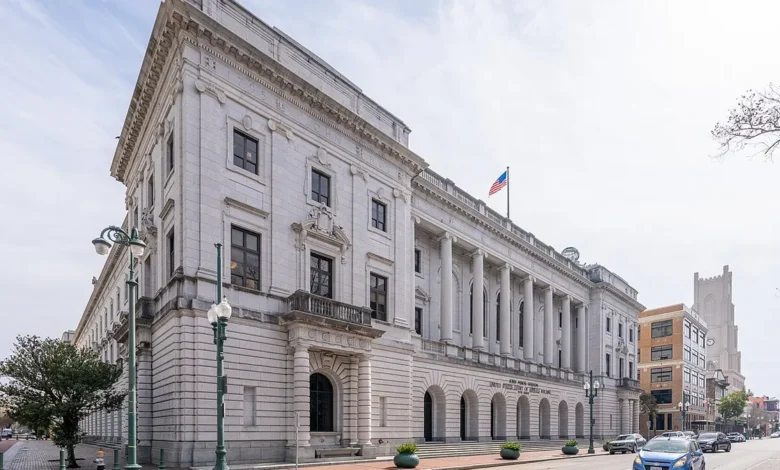
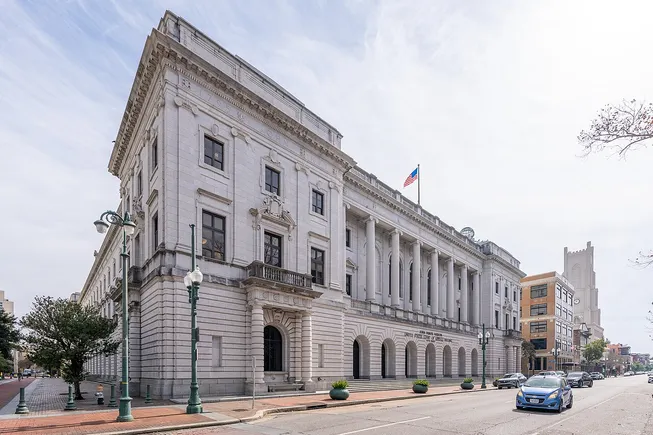
- Appellate Reversal (February – July 2026): The 5th Circuit reviewed the case, focusing on the John Minor Wisdom U.S. Court of Appeals Building in New Orleans. On July 17, 2026, the court issued its decision to reverse the summary judgment.
This ruling aligns with decisions in other circuits. For example, the 9th Circuit previously ruled in 2019 that a manager’s use of even a small number of racial slurs over a year could be sufficient to create an actionable hostile work environment. Similarly, the 10th Circuit recently revived a case against Walmart, noting that multiple discriminatory acts, even if spread out, can plausibly constitute a hostile environment if they are part of a consistent pattern.

Supporting Data: The Rising Cost of Inadequate Investigations
The 5th Circuit’s decision comes at a time when the EEOC is reporting a surge in harassment-related filings. According to recent EEOC enforcement data, charges alleging racial harassment have remained a top priority for the agency, with billions of dollars recovered for victims through litigation and administrative settlements over the last decade.
Research in organizational psychology suggests that "check-the-box" investigations—those done merely to create a paper trail rather than to solve the problem—often exacerbate workplace tension. A 2024 study on workplace culture indicated that 65% of employees who report harassment feel that their employer’s subsequent investigation was biased or incomplete. When management uses dismissive language, such as referring to harassing groups as "cliques," it significantly lowers employee morale and increases the likelihood of litigation.
Broader Implications for Employers and HR Professionals
The reversal by the 5th Circuit sends a clear message to the healthcare industry and corporate America at large: a half-hearted investigation is a liability, not a defense. To avoid similar outcomes, legal experts suggest several key takeaways from this ruling.
First, documentation is paramount. The failure of CCMC to produce an investigation file was a "red flag" for the appellate court. Employers must maintain detailed, contemporaneous notes of every interview and action taken during an internal inquiry. These records must be consistent with the testimony provided by HR personnel.
Second, the "remedy" must actually stop the harassment. Offering a victim a transfer—often referred to as "moving the problem"—is frequently viewed by courts as punishing the victim rather than addressing the perpetrator. If harassment continues after "coaching" or "counseling," the employer’s initial response is, by definition, ineffective.
Third, the culture of "cliques" can be legally classified as a hostile environment. When managers acknowledge the existence of exclusionary groups but claim they cannot be changed, they are essentially admitting to a loss of control over the workplace environment. Under Title VII, "that’s just how they are" is not a valid legal defense.

Analysis of Judicial Trends
The 5th Circuit, traditionally viewed as a more conservative bench, has shown an increasing willingness to scrutinize the factual depth of employer investigations. This suggests a narrowing of the "Faragher-Ellerth" defense, which allows employers to avoid liability if they can prove they exercised reasonable care to prevent and correct harassing behavior.
By focusing on the "totality of the circumstances," including secondhand harassment and the psychological toll on the employee, the court is signaling that the bar for what constitutes a "hostile environment" is being viewed through a more empathetic and employee-centric lens. This case now returns to the district court, where a jury will likely decide the ultimate fate of the claims, potentially leading to significant compensatory and punitive damages against the medical center.
The ruling stands as a landmark for 2026, reinforcing the principle that workplace dignity is a legal right, and the systems designed to protect that right must be robust, transparent, and, above all, effective.