President Trump Imposes Sweeping 50% Tariffs on $20 Billion in Canadian Imports, Igniting New Trade Dispute

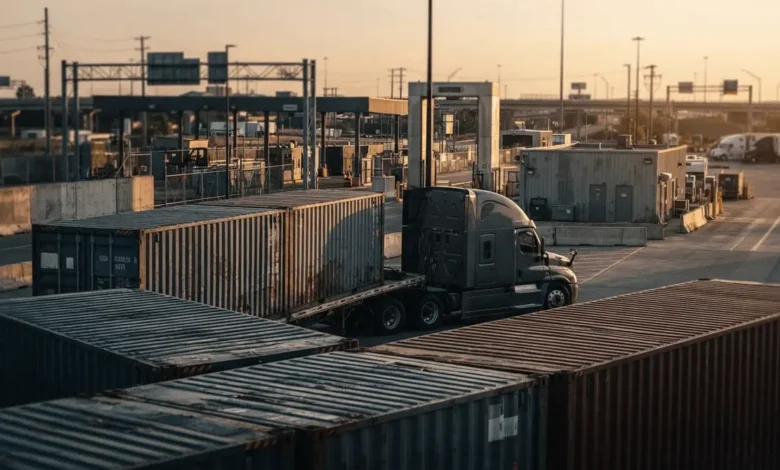
President Donald Trump signed three proclamations on July 20, 2026, dramatically escalating trade tensions with Canada by imposing additional 50% tariffs on a wide range of selected Canadian imports. These measures, enacted under the rarely utilized Section 338 of the Tariff Act of 1930, are slated to take effect at 12:01 a.m. ET on August 19, 2026. This aggressive move provides importers with less than a month to assess their exposure, review existing contracts, and potentially accelerate shipments before the steep new duties fundamentally alter their cost structures. The White House justified the action as a direct response to what it describes as discriminatory Canadian policies adversely affecting U.S. alcohol, dairy, and vehicle sectors.
The scope of the targeted goods is extensive, encompassing products from Canadian vineyards and distilleries to popular sporting equipment like hockey sticks, and essential construction materials such as cement. However, the administration concurrently announced several exemptions, notably excluding energy products, potash, goods already subject to Section 232 tariffs (like steel and aluminum), fish, critical minerals, and certain other unspecified items. For the multitude of small businesses across the United States that rely heavily on Canadian inputs or finished goods, this impending tariff hike is not merely an abstract political development. It represents an imminent and sudden change in landed costs, threatening to erase profit margins on orders already priced for their customers and potentially disrupting established supply chains built over decades.
A Deep Dive into the Tariff Proclamations and Their Immediate Impact
The proclamations, signed by President Trump, leverage Section 338 of the Tariff Act of 1930, an arcane legal mechanism dating back to the Smoot-Hawley era. This provision grants the president broad authority to impose duties of up to 50% on imports from a foreign country deemed to be discriminating against U.S. commerce. In this instance, the Trump administration has opted for the maximum allowable rate, signaling a robust and uncompromising stance. The U.S. Trade Representative (USTR), Jamieson Greer, elaborated on the administration’s specific grievances, citing three primary areas of concern: Canadian restrictions impacting U.S. alcohol products, alleged dairy market access advantages granted to the European Union at the expense of U.S. producers, and limits affecting U.S. vehicle exports from companies that have repatriated production to the United States.
USTR estimates that these new measures will cover nearly $20 billion in Canadian imports annually. Crucially, the proclamations explicitly state that these tariffs will apply regardless of whether the goods would otherwise qualify for duty-free treatment under the United States-Mexico-Canada Agreement (USMCA), also known as CUSMA in Canada and Mexico. This particular detail is profoundly significant for importers, as it means their USMCA eligibility will not shield covered goods from these new duties. The effective date for the tariffs is set for goods entered for consumption, or withdrawn from warehouse for consumption, on or after August 19, 2026. Businesses are therefore strongly advised to consult immediately with licensed customs brokers to verify the exact treatment of goods already in transit, as entry timing, classification under the Harmonized Tariff Schedule (HTS), and any subsequent implementing guidance will ultimately determine the duty owed.
Economic Fallout and Industry Reactions
The financial implications of a 50% ad valorem duty are straightforward and severe. It effectively raises the dutiable value of an affected import by half before factoring in other associated costs such as broker fees, freight, financing, or inventory carrying costs. To illustrate, a small retailer importing $200,000 worth of covered Canadian goods would suddenly face up to an additional $100,000 in duty exposure if the full value falls within the newly tariffed categories. This immediate and substantial increase in operational costs presents a formidable challenge, particularly for smaller enterprises.
Large importers, generally, are better equipped to absorb such a shock. They often possess sophisticated risk management tools, including tariff escalation clauses in their contracts, dedicated customs counsel, diversified sourcing strategies, and sufficient leverage to negotiate with vendors or pass increased costs on to their customers. In contrast, small businesses typically operate with shorter-term contracts, narrower product lines, and more price-sensitive buyers, leaving them with limited flexibility. Existing research on how small businesses navigate broader tariff environments consistently shows that the disruption per dollar of tariff exposure tends to be significantly higher when a business lacks the robust staff and cash reserves necessary to quickly rework sourcing or adjust pricing strategies.
Beyond the direct import costs, there is a tangible risk of an export-side impact if Canada opts for retaliatory measures. While Canadian Prime Minister Mark Carney has emphasized a preference for intensified negotiations, other prominent Canadian figures, such as Ontario Premier Doug Ford, have publicly advocated for a strong and immediate response. Should Canada indeed retaliate, a U.S. manufacturer that imports Canadian inputs and subsequently exports finished goods back into Canada could face compounding pressures on both sides of the border, creating a challenging dual-front economic squeeze.
Chronology of Escalating Tensions and Background Context
The relationship between the U.S. and Canada, while historically close, has been punctuated by periods of trade friction, particularly during the previous Trump administration. The initial renegotiation of the North American Free Trade Agreement (NAFTA) into the USMCA/CUSMA was itself a contentious process, marked by tariff threats and intense negotiations. Earlier in the Trump presidency, the U.S. imposed Section 232 tariffs on steel and aluminum imports from Canada, citing national security concerns, which Canada swiftly met with retaliatory duties. These prior actions set a precedent for aggressive unilateral trade measures and demonstrated the administration’s willingness to use tariffs as a primary negotiating lever.
The current dispute under Section 338 follows a pattern of identifying specific sectors where the U.S. perceives unfair trade practices. The complaints regarding Canadian alcohol policies, for instance, often relate to provincial distribution and sales monopolies that allegedly favor local products or create barriers for U.S. imports. In the dairy sector, the U.S. has long criticized Canada’s supply management system and what it views as preferential access given to other trading partners, such as the EU, under the Comprehensive Economic and Trade Agreement (CETA). The vehicle industry concerns likely stem from U.S. efforts to incentivize domestic production and reshoring, with the administration viewing Canadian policies as potentially hindering U.S. auto exports or investment.
Prime Minister Mark Carney’s immediate reaction to the July 20th proclamations highlighted Canada’s perspective, characterizing the move as "the latest in a series of unilateral U.S. trade actions that Canada says violate CUSMA/USMCA." His government’s initial signal of preferring intensified negotiations over immediate, full-scale retaliation places U.S. importers in a precarious planning window: the tariffs are scheduled to take effect, but the diplomatic channel remains open, suggesting that final implementation details or even the scope of the tariffs could still shift before goods begin entering the U.S. at the new, higher rates.
Exemptions, Scope Guidance, and Retaliation Remain Open Questions
While the July 20th announcements answer the headline question of "if" tariffs will be imposed, many operational details remain unresolved. Importers are still awaiting crucial information, including the final tariff schedule language, precise covered HTS classifications, detailed customs entry guidance, and any indication of whether a product exclusion process will be created. Earlier tariff programs, such as those implemented under Sections 232 or 301, often included mechanisms for companies to apply for exclusions for specific products, but no comparable process was announced in the initial Section 338 Canada materials. The absence of such a mechanism adds another layer of uncertainty and potential hardship for businesses.
The question of scope is particularly critical because the White House fact sheet and initial statements described broad categories and offered examples rather than providing a comprehensive, plain-language list sufficient for customs planning. While wine, dairy products, hockey sticks, and cement have been publicly named as targeted goods, businesses are cautioned against relying solely on press summaries. It is imperative that they await official guidance from U.S. Customs and Border Protection (CBP), USTR, or formal Federal Register notices that will tie the tariffs to specific HTS tariff lines. Misinterpreting the scope could lead to significant financial penalties or delays in customs clearance.
Adding another layer of complexity is the broader North American trade picture. Prime Minister Carney’s readiness for continued talks is significant, but the U.S. is also actively engaged in trade discussions with Mexico on separate issues. Should U.S.-Mexico discussions advance positively while U.S.-Canada relations deteriorate further, it could trigger a strategic shift in some established supply chains, potentially moving southward. Small businesses already grappling with existing tariff-related logistics costs and supply chain disruptions would then face a more profound strategic dilemma: whether these new tariffs represent a short-term negotiating tactic or the beginning of a longer-term realignment of North American trade flows.
Negotiations and Legal Challenges Will Shape the Tariff Outlook
The central question dominating the immediate future is whether intensive negotiations between Washington and Ottawa can produce a resolution or relief before the August 19th effective date. While Prime Minister Carney has affirmed Canada’s readiness to engage intensively, the proclamations do not automatically pause the new duties while talks are ongoing. Unless the Trump administration formally modifies or withdraws the measures, the tariffs will take effect precisely as scheduled.
Furthermore, importers should closely monitor for potential legal challenges. Section 338, despite its long statutory history, has been used sparingly in modern trade practice. Its application against a major North American trading partner at the maximum rate is almost certain to attract significant legal scrutiny. Any lawsuit seeking to block the implementation of these tariffs, potentially brought by affected U.S. industry groups or individual importers, could dramatically alter whether businesses treat the tariffs as an immediate, unavoidable cash-flow event or as a contingent risk that might yet be averted. The legal precedent for challenging such broad presidential authority under Section 338 is limited, making the outcome of any such litigation highly uncertain.
Given the broader pattern of Trump-era sectoral tariffs, which often served as sustained negotiating tools rather than brief headline measures, businesses are advised to plan for the tariffs to take effect while simultaneously preserving flexibility should negotiations yield a different outcome. This dual-track approach of preparing for the worst while hoping for the best is crucial in such an unpredictable trade environment.
Recommendations for Businesses: Auditing Canadian Supply Chains Before August 19
In light of the impending tariffs, U.S. businesses engaged in trade with Canada must undertake immediate and comprehensive audits of their supply chains and operational readiness. Key actions include:
- Identify Affected Products: Systematically review all Canadian imports against the publicly named categories (wine, dairy, hockey sticks, cement, etc.) and await official HTS classification guidance to pinpoint exact exposure.
- Assess Financial Impact: Calculate the potential additional duty costs based on the 50% tariff rate. This includes evaluating the impact on current inventory, goods in transit, and future orders.
- Review Contracts: Examine existing purchase agreements with Canadian suppliers for tariff clauses, force majeure provisions, or cost-sharing mechanisms that might mitigate or allocate the new tariff burden.
- Engage Customs Brokers and Legal Counsel: Consult with licensed customs brokers for precise guidance on HTS classifications, entry procedures, and the treatment of goods already in transit. Seek legal advice on potential avenues for relief or challenges.
- Explore Sourcing Alternatives: Begin identifying and evaluating alternative suppliers, either domestic or from other trade partners, to diversify supply chains and reduce reliance on tariff-affected Canadian goods. This may be a long-term strategy but initial assessment is critical.
- Consider Accelerated Shipments: Evaluate the feasibility and cost-effectiveness of accelerating shipments of goods from Canada before the August 19th deadline. This must be weighed against logistical complexities and storage costs.
- Communicate with Stakeholders: Inform customers about potential price increases and supply chain disruptions. Engage with Canadian suppliers to understand their strategies and willingness to share costs.
- Monitor Official Guidance: Stay vigilant for updates from USTR, CBP, and the Federal Register regarding definitive lists of affected products, any potential exclusion processes, or changes stemming from ongoing negotiations.
The economic and diplomatic reverberations of these new tariffs are expected to be substantial. For businesses, particularly small and medium-sized enterprises, proactive planning and agile adaptation will be paramount to navigating this new and challenging chapter in U.S.-Canada trade relations. The outcome of ongoing negotiations and potential legal challenges will ultimately determine the long-term trajectory of this significant trade dispute.