Global Energy Crisis Deepens as Iran Conflict Sparks Urgent Calls for UK Remote Working Expansion

The United Kingdom is facing a pivotal moment in its energy security strategy as experts and industry leaders call for a widespread return to remote working to mitigate the impact of a looming fuel crisis. Following an escalation in the conflict involving Iran and the subsequent disruption of global oil supplies, concerns are mounting that the nation could face physical fuel shortages within weeks. This geopolitical instability has reactivated debates regarding the resilience of the British workforce, with many arguing that a strategic shift toward working from home (WFH) is no longer a matter of preference but a necessary measure to preserve the country’s economic stability and fuel reserves.
The warning signs have become increasingly stark as the conflict, which began in late February, continues to stifle movement through the Strait of Hormuz. This narrow waterway, situated between Iran and Oman, serves as the world’s most significant energy chokepoint, facilitating the passage of approximately 20 percent of the global oil supply. With the imposition of a US-led naval blockade and retaliatory measures from Tehran, the flow of crude oil has slowed to a trickle, sending shockwaves through international markets and pushing physical crude prices in Europe toward a staggering $150 per barrel.
The Strait of Hormuz: A Global Energy Chokepoint Under Siege
To understand the severity of the current crisis, one must look at the geography and logistics of global oil distribution. The Strait of Hormuz is the primary artery for oil exports from the Middle East, including shipments from Saudi Arabia, the United Arab Emirates, Kuwait, and Iraq. Any disruption here has an immediate and disproportionate impact on global energy prices.
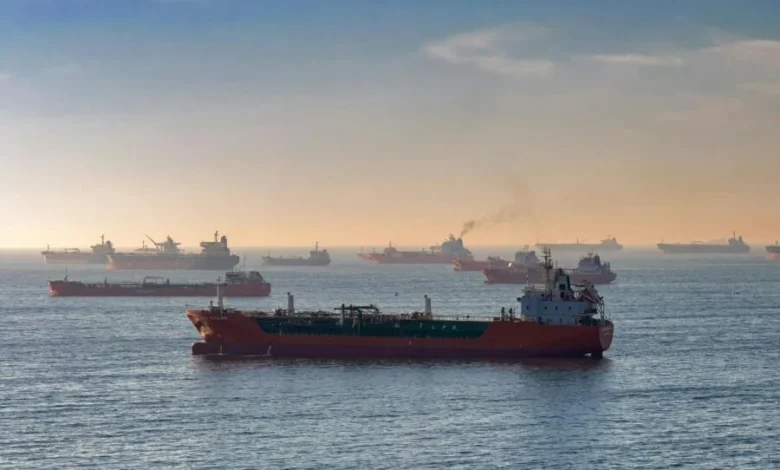
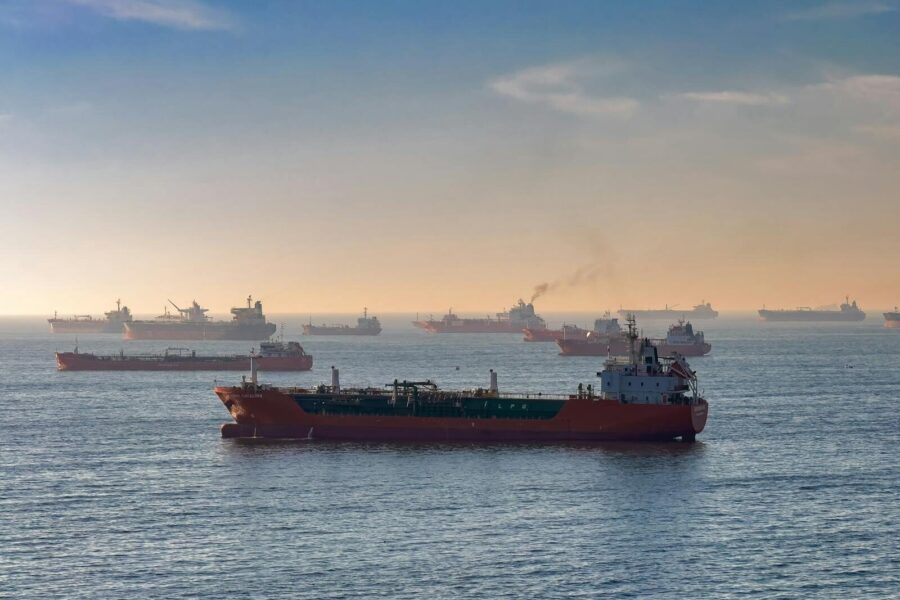
Since the outbreak of hostilities six weeks ago, the maritime environment in the region has become increasingly hostile. Tanker traffic has plummeted as insurance premiums for vessels entering the Persian Gulf have skyrocketed, and many shipping firms have deemed the route too high-risk for transit. The situation reached a critical inflection point this week following the establishment of a naval blockade intended to restrict Iranian port access. While intended as a diplomatic and economic lever, the blockade has further complicated the passage of commercial tankers, leading to a significant reduction in the volume of oil reaching Western refineries.
The International Energy Agency (IEA) has officially categorized the current disruption as one of the most significant supply shocks in modern history, rivaling the oil crises of the 1970s. Global output has been curtailed, and with no immediate diplomatic resolution in sight, the IEA warns that the world must prepare for a prolonged period of energy scarcity.
The Looming Supply Gap: A Timeline of Shortages
Professor Nick Butler, a former vice president at BP and a senior energy adviser to former Prime Minister Gordon Brown, has been vocal about the impending "physical shortage" facing the UK. Speaking on Times Radio, Butler highlighted a critical logistical reality: the time lag between oil leaving the Gulf and arriving at British pumps.
"We have now had six weeks during which none of the tankers have come through Hormuz," Butler explained. "Those tankers take weeks to get to their destination, and we’re now running out of the tankers that set off before the war began."
According to this timeline, the UK is currently consuming the final shipments of oil that cleared the Strait before the blockade became effective. Industry analysts and the CEO of Shell have corroborated this assessment, predicting that the "real crisis" for Britain and Europe will manifest in late April and early May. During this window, the depletion of existing reserves is expected to coincide with a lack of incoming supply, resulting in both a surge in pump prices and the potential for actual fuel stockouts at filling stations.
Remote Working as a National Security Measure
In light of these projections, Professor Butler and other policy experts are urging the British government to activate a National Emergency Fuel Plan. Central to this proposal is the recommendation that employers transition as many staff as possible to remote working. By reducing the number of daily commuters, the UK could significantly lower its national fuel consumption, thereby extending the life of current reserves and easing the pressure on the transport sector.
"I think that [WFH] would be a perfectly sensible measure," Butler stated. He argued that a clear, government-led plan is essential to prevent the kind of panic buying that has historically crippled the UK’s fuel infrastructure during times of perceived shortage. By formalizing remote work as a response to the energy shock, the government could manage demand proactively rather than reacting to a chaotic market.
The return to remote work would not be a new experience for the British workforce, which became accustomed to the model during the COVID-19 pandemic. However, the context has changed. While the pandemic-era WFH mandate was driven by public health concerns, the current call is driven by economic and energy security. For many businesses, the infrastructure for remote work is already in place, making it a viable and immediate tool for crisis management.
Economic Implications and the Corporate Response
The financial impact of the Iran conflict is already being felt across the UK economy. As oil prices hover at record highs, the cost of living—already a sensitive issue—continues to rise. The International Monetary Fund (IMF) has cautioned that if the conflict remains unresolved, the global economy could be pushed toward a recession. Rising energy costs act as a "tax" on both consumers and businesses, reducing discretionary spending and increasing the cost of production and logistics.
Sebastien Marchon, Chief Executive of the expense management platform Rydoo, noted that businesses are seeing the impact in real-time. "Rising fuel costs driven by ongoing geopolitical tensions don’t just impact the airlines; they create a ripple effect across everyday business expenses," Marchon said. He pointed out that mileage claims, taxi fares, and general travel logistics are becoming significantly more expensive, often outpacing the fixed reimbursement rates many companies use.
Marchon emphasized that this creates a financial "disconnect" that can leave employees out of pocket, adding to the stress of the cost-of-living crisis. "To ensure employee wellbeing, businesses need real-time visibility into spend and the flexibility to adjust policies as conditions change," he added. Without such agility, organizations risk losing control of their budgets while placing an unfair financial burden on their workforce.
Sector-Specific Challenges: Beyond the Office
While the professional services sector may find it easy to transition to remote work, other industries face more complex challenges. The UK’s logistics, construction, and healthcare sectors are heavily dependent on road transport. For these industries, fuel shortages and price hikes represent a direct threat to operational viability.

- Logistics and Freight: The haulage industry, already operating on thin margins, faces a double blow of rising fuel costs and potential supply limits. Any disruption here quickly translates to empty supermarket shelves and delayed deliveries for manufacturing.
- Aviation: Airlines are seeing a sharp increase in jet fuel costs, which is likely to result in higher ticket prices and a reduction in flight frequencies, further dampening international business travel.
- Public Services: Emergency services and public transport providers must be prioritized in any national fuel rationing plan to ensure that essential services remain functional.
The call for WFH is partly intended to "clear the road" for these essential users. By removing non-essential commuters from the equation, the government can ensure that limited fuel supplies are directed toward the most critical areas of the economy.
Analysis: The Shift from "Perk" to "Necessity"
The current situation represents a significant shift in the narrative surrounding flexible work. In recent months, many major corporations had begun mandating a return to the office, citing the benefits of in-person collaboration. However, the energy crisis is forcing a re-evaluation of this stance. Flexible working is being reframed not as an employee perk or a public health necessity, but as a strategic tool for national resilience.
For employers, the challenge will be balancing operational requirements with the need to support a workforce facing unprecedented travel costs. Companies that fail to adapt may see a decline in employee morale and productivity, as workers struggle with the financial and logistical hurdles of commuting during a fuel shortage.
Furthermore, the crisis highlights the UK’s continued vulnerability to global energy market volatility. While the transition to renewable energy is underway, the nation remains deeply reliant on fossil fuels for transport. The current shock may serve as an accelerant for the adoption of electric vehicles and the further decarbonization of the UK’s energy grid, but those are long-term solutions to an immediate problem.
Conclusion and Future Outlook
As the end of April approaches, the window for proactive government action is closing. The warnings from energy experts like Professor Nick Butler and the data from international bodies like the IEA and IMF point to a period of significant disruption. Whether the UK government will officially incorporate remote working into a National Emergency Fuel Plan remains to be seen, but many businesses are already taking the initiative to protect their operations and their staff.
The coming weeks will be a test of the UK’s ability to adapt to a rapidly changing geopolitical landscape. With oil prices high and supply chains stretched to their limits, the move toward remote working may be the most effective lever available to prevent a full-scale economic stall. For the British workforce, the "office of the future" may once again be the home office—this time, to keep the country moving by staying still.