How to Identify and Avoid the Six Most Toxic Management Archetypes in the Modern Workplace

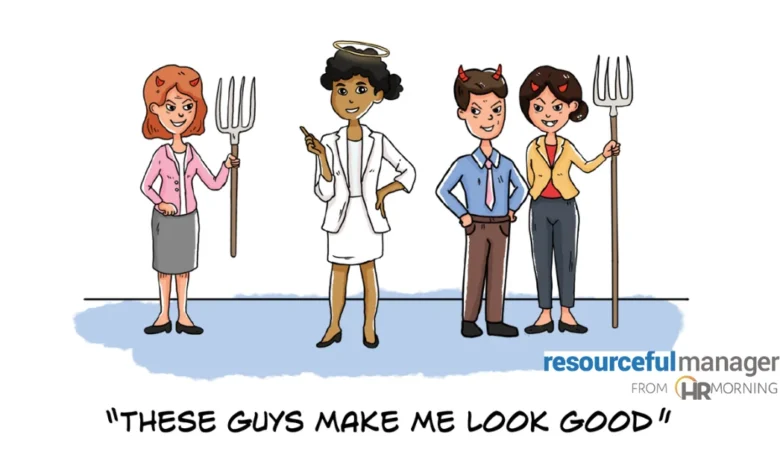
The relationship between an employee and their direct supervisor remains the single most significant determinant of workplace satisfaction, retention, and organizational productivity. While modern management theory emphasizes empathy, psychological safety, and servant leadership, the "bad boss" phenomenon remains a pervasive issue that disrupts operational continuity and damages employer branding. According to recent data from BambooHR, nearly half of all employees who voluntarily resigned from their positions in the last fiscal year cited a fundamental incompatibility or dissatisfaction with their direct manager as the primary catalyst for their departure, despite professing a genuine love for their actual job duties. This "boss effect" highlights a critical vulnerability in human capital management: talented personnel are often driven away not by company culture at large, but by the specific behaviors of those to whom they report.
The Anatomy of Toxic Management Styles
The persistence of toxic leadership can be categorized into distinct behavioral archetypes. These profiles, while varied in their execution, share a common denominator: they prioritize ego, control, or personal gain over the collective success and well-being of the workforce. Understanding these archetypes is not merely an exercise in identifying poor behavior; it is a necessary step for organizations looking to mitigate turnover and foster high-performance environments.
1. The Work-Life Imbalance Enforcer
The "Non-Family Guy" archetype represents a fundamental failure to respect the boundaries between professional obligations and personal crises. This manager views work as an all-encompassing commitment, rejecting the modern consensus that employees require personal downtime to remain productive.
The consequences of this mindset are well-documented. When managers demand that employees choose between familial responsibilities and career tasks, they trigger immediate disengagement. Research from the American Psychological Association (APA) suggests that workers who feel their personal lives are under siege by management are 40% more likely to experience burnout within six months. The implication for leadership is clear: flexibility is not a luxury; it is a retention tool. Managers who facilitate rather than obstruct the management of life events earn long-term loyalty, whereas those who enforce arbitrary "work-first" ultimatums inevitably see their talent pipeline evaporate.
2. The Boundary-Blurring Disruptor
The "Wedding Crasher" is an extreme manifestation of poor situational awareness and an inability to respect the sanctity of an employee’s private time. When a manager initiates professional communication during a significant life milestone, they signal that the employee’s personal identity is secondary to their utility as a worker.
This behavior often stems from a lack of prioritization skills and an inability to manage workflows effectively. When a manager feels the need to interrupt a wedding or a private vacation to address a project status, it is an admission of failure in project management. Organizations should implement strict communication protocols, establishing clear expectations regarding emergency contact procedures versus standard updates. The fallout from these incidents—which can include reputational damage to the firm and, in some cases, legal interventions—underscores the necessity for managers to master the art of delegation and proper scheduling.
3. The Extractionist
Perhaps the most egregious example of poor management is the "Thief"—a supervisor who attempts to claim ownership over an employee’s future success. When managers request "conversion fees" or percentages of salary from subordinates moving to new opportunities, they cross an ethical and often legal line.
This behavior reflects a profound insecurity and a misunderstanding of the manager’s role. A manager’s primary function is to develop talent, not to monetize it as a proprietary asset. The transition of an employee to a new role, whether at a client company or a competitor, should be viewed as a testament to the manager’s ability to cultivate high-quality talent. Managers who embrace "freudenfreude"—the psychological concept of deriving joy from the success of others—build professional networks that benefit their organizations in the long term. Conversely, those who attempt to extract financial penalties from departing staff create toxic professional reputations that can alienate future talent and professional peers.
4. The Intellectual Manipulator
The "Swindler" is characterized by the use of deceptive logic to justify stagnant compensation or poor working conditions. By disguising the refusal to provide raises as a form of "protection" or "altruism," these managers gaslight their subordinates, leading to rapid attrition.
The impact of this behavior is devastating to team morale. Transparency in compensation and professional growth is a cornerstone of the psychological contract between employer and employee. When managers engage in manipulative discourse, they destroy the foundation of trust. HR departments must ensure that managers are not operating in silos where they can arbitrarily manipulate compensation narratives. Performance-based pay must be tied to objective, transparent metrics to prevent the rise of the intellectual manipulator.
5. The Hierarchical Opportunist
"Kiss-up, kick-down" managers are those who prioritize upward visibility at the expense of downward support. By curating a facade of competence for their superiors while neglecting or abusing their direct reports, these managers create a bifurcated work environment.
The organizational cost of this archetype is severe. While they may survive for a time by impressing senior leadership, they eventually suffer from a lack of support from their team, which is the engine of their department’s output. High-performing teams will inevitably recognize when their efforts are being exploited to fuel a manager’s personal advancement. Once respect is lost, the manager loses the ability to influence their team, leading to a collapse in productivity and an increase in workplace conflict.
6. The Condescending Communicator
The "Condescender" uses communication as a tool for domination rather than clarity. By pathologizing questions, refusing to provide direct answers, and utilizing condescending tones, these managers stifle innovation and create an environment of fear.
Effective leadership requires clear, respectful, and transparent communication. When a manager consistently deflects inquiries or makes inappropriate, exclusionary jokes, they create a hostile work environment. Studies on organizational communication indicate that teams with leaders who practice active listening and provide direct, helpful feedback outperform their peers by up to 25% in creative problem-solving. A manager’s expertise does not grant them the right to disregard the human dignity of their team members.
Implications for Organizational Health
The cost of a bad boss is quantifiable. Beyond the direct costs of turnover—which include recruitment, onboarding, and lost productivity—the secondary effects on team morale and organizational culture are harder to measure but equally damaging. A single toxic manager can infect an entire department, driving away top talent and suppressing the performance of those who remain.
To mitigate these risks, organizations must adopt a multifaceted approach:
- Upward Feedback Loops: Anonymous, regular, and structured feedback mechanisms must be in place to capture the reality of the manager-employee dynamic.
- Leadership Training: Management is a skill, not a reward for tenure. Organizations must provide rigorous training that focuses on emotional intelligence, conflict resolution, and the ethical nuances of the workplace.
- Accountability: If a manager consistently exhibits toxic behaviors, the organization must be willing to intervene. Leaving a bad boss in place sends a message to the rest of the company that the organization values status over values.
Ultimately, the goal of any manager should be to leave their employees better than they found them. By identifying and suppressing the traits of these six archetypes, leaders can create sustainable, high-growth cultures where talent is nurtured, respected, and retained. The "boss effect" is a powerful force, but with intentionality and ethical rigor, it can be leveraged to drive success rather than failure.