Mastering Social Media Marketing: Strategic Frameworks and Industry Best Practices for Modern Enterprises


Social media marketing has evolved from an experimental digital tactic into a cornerstone of modern corporate communication, brand equity development, and direct-to-consumer commerce. For organizations navigating the digital ecosystem, leveraging platforms such as Facebook, Instagram, TikTok, and LinkedIn offers an unprecedented opportunity to build authentic, lasting relationships with targeted audiences. However, for executives and marketing professionals who are not native digital or social media users, transitioning into this space can appear daunting. Establishing a structured, data-driven approach is essential for cutting through digital noise and achieving measurable business objectives.
The historical evolution of digital communication channels over the past two decades has fundamentally shifted consumer expectations. Historically, corporate messaging was broadcast-oriented, relying heavily on television, radio, and print media. The rise of Web 2.0 and interactive social networks transformed this dynamic into a bidirectional dialogue. Brands are no longer just entities that sell products; they are active participants in digital communities. According to recent digital marketing industry reports, global ad spending on social media platforms surpasses hundreds of billions of dollars annually, reflecting the critical importance executives place on maintaining a robust social footprint. This financial commitment underscores the necessity for rigorous planning, clear key performance indicators (indicators like engagement rate, customer acquisition cost, and lifetime value), and strategic execution.
To understand the current landscape, it is helpful to examine the chronological maturation of social media platforms. In the mid-2000s, platforms like Facebook and early microblogging sites established the foundation for digital networking. The 2010s marked the proliferation of visual-first platforms such as Instagram and Pinterest, which shifted consumer engagement toward high-resolution imagery and curated lifestyles. Simultaneously, LinkedIn matured from a basic online resume repository into a premier B2B networking and corporate thought-leadership hub. Most recently, the explosive growth of short-form video platforms like TikTok has redefined content consumption, emphasizing rapid engagement, algorithmic discovery, and authentic, unpolished storytelling.
At its core, a comprehensive social media marketing strategy encompasses several fundamental pillars: strategic content creation, active community management, social listening, targeted paid advertising, and performance analytics. When executed cohesively, these components allow enterprises to drive brand awareness, generate qualified leads, provide customer service, foster brand loyalty, and execute direct sales transactions within closed-loop social ecosystems.
Industry analysts emphasize that successful social media marketing requires a nuanced understanding of platform-specific demographics and behavioral norms. While major networks like Facebook and Instagram boast vast, generalized global user bases, niche platforms cater to specific audience segments. For instance, Reddit fosters deep, community-driven discussions around specialized interests, whereas regional applications such as WeChat and LINE dominate communication and commerce infrastructure in specific Asian markets. Recognizing where a target demographic spends their digital time is the primary determinant of marketing return on investment.
Real-World Case Studies in Modern Social Marketing
Examining how industry leaders successfully navigate different platforms provides valuable benchmarks for emerging brands and enterprise marketers alike.
On Twitter, formerly known as X, prominent brands utilize conversational agility to capture public attention. For example, fast-food chain Wendy’s revolutionized corporate voice by adopting a humorous, highly responsive, and occasionally irreverent tone. By engaging directly with followers and participating in viral cultural moments—such as National Roast Day—Wendy’s transformed a standard customer service and promotional channel into a viral entertainment medium, significantly boosting brand recall and organic reach.
In the streaming entertainment sector, Netflix has mastered community-building on Facebook. Rather than relying solely on traditional promotional trailers, Netflix curates an interactive space where fans dissect plot points, debate character arcs, and engage with meme culture related to current and upcoming releases. This strategy transforms passive viewers into active community advocates, driving organic word-of-mouth marketing across social graphs.
In the B2B and corporate social responsibility sphere, global cosmetics giant L’Oréal effectively engages its substantial LinkedIn following of over 85,000 professionals. By prioritizing educational skincare science, highlighting employee achievements, and showcasing corporate sustainability initiatives, L’Oréal aligns its content strategy with the professional and ethical expectations of its audience. This approach demonstrates that corporate channels can successfully humanize a multinational enterprise by highlighting internal talent and core values.
In the fitness and apparel sector, Gymshark has capitalized on the explosive growth of TikTok. By producing content that blends actionable fitness tutorials with relatable humor, Gymshark demystifies the workout experience. Their strategy avoids overly polished commercial aesthetics in favor of dynamic, creator-led videos that resonate with younger demographics, effectively transforming customers into brand ambassadors through user-generated content initiatives.
Strategic Foundations and Educational Resources
For organizations seeking to formalize their digital marketing methodologies, industry literature offers critical frameworks. Avery Swartz, in her foundational work "See You on the Internet: Building Your Small Business with Digital Marketing," addresses the pervasive challenge of brand visibility in an oversaturated digital marketplace. Swartz asserts that isolated social media campaigns are insufficient; instead, a brand’s social strategy must seamlessly integrate with its broader digital infrastructure, including corporate websites, search engine optimization (SEO) initiatives, email newsletters, and online advertising funnels. The text provides actionable guidance on maintaining brand consistency and operational efficiency across disparate digital channels.
Complementing this structural approach, Carlos Gil explores the psychological dimensions of modern engagement in "The End of Marketing: Humanizing Your Brand in the Age of Social Media and AI." Gil posits that contemporary consumers engage with human personalities rather than faceless corporate entities. Consequently, successful social media marketing mandates a shift from aggressive sales pitching to genuine community engagement and empathetic storytelling. The book outlines advanced techniques for leveraging platforms like Facebook and LinkedIn to cultivate authentic customer relationships and adapt to algorithmic shifts driven by artificial intelligence.
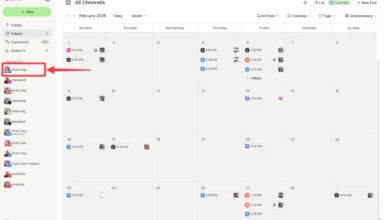
To operationalize these strategies, marketing teams frequently utilize standardized resource hubs and operational templates. Organizations such as Hootsuite provide comprehensive template libraries designed to streamline social media management. These resources typically include content calendars, campaign tracking worksheets, competitor analysis matrices, and crisis communication guidelines. Utilizing standardized operational frameworks minimizes administrative friction, allowing marketing teams to focus on creative execution and data analysis.
Implications for Enterprise Strategy and Future Outlook
The continuous integration of artificial intelligence, machine learning, and advanced analytics into social media ecosystems signals a profound shift in how marketing strategies will be evaluated. Predictive analytics now allow brands to anticipate consumer trends before they peak, while automated sentiment analysis tools provide real-time feedback on campaign reception.
However, these technological advancements heighten the risk of depersonalization. As artificial intelligence generates higher volumes of content, consumer demand for authentic, human-centric connection increases correspondingly. Enterprises that successfully balance data-driven optimization with genuine, empathetic brand storytelling will capture long-term market share.
Ultimately, social media marketing is not a peripheral tactical exercise, but a central component of organizational communication and brand equity. By grounding social initiatives in rigorous planning, aligning digital channels with overarching business objectives, and prioritizing authentic audience engagement, organizations can build resilient, enduring relationships in an increasingly interconnected global marketplace.