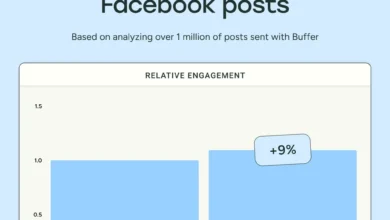
Comparison is often labeled as the thief of joy, yet in the hyper-competitive digital landscape of 2026, it serves as an indispensable engine for strategic growth. For marketing professionals, content creators, and brand managers, analyzing the competition is no longer a luxury but a fundamental requirement for maintaining market relevance. By understanding the data-driven patterns behind a rival’s success, organizations can identify content gaps, refine their audience targeting, and benchmark their performance against industry standards.

As of August 2026, the market for competitive intelligence software has expanded significantly, shifting from basic follower-count tracking to sophisticated AI-driven predictive analytics. Navigating this landscape requires a nuanced understanding of which tools align with specific organizational needs, ranging from search engine optimization (SEO) and paid advertising (PPC) to audience research and social listening.
The Evolution of Competitive Intelligence
Historically, competitor analysis was a manual, time-consuming process involving spreadsheets and daily manual checks of a rival’s social media feed. The shift toward automated software began in the early 2010s, but it has accelerated in the last 24 months due to the integration of generative AI. Modern platforms now offer "AI-search visibility" tracking, which monitors how brands appear in AI-driven tools like ChatGPT, Google AI Overviews, and Perplexity.
This evolution has fundamentally changed how companies approach their quarterly planning. Instead of merely asking, "What did they post?", teams are now asking, "How are they positioned in the AI-driven search ecosystem?" This transition highlights a broader industry shift: moving from vanity metrics—such as likes and shares—to conversion-focused data, such as referral traffic and share-of-voice.
Comparative Overview of Top-Tier Analysis Tools
The following table outlines the current market leaders in competitor analysis, categorized by their primary utility and entry-level pricing models.
| Tool | Best For | Channels Covered | Starting Price |
|---|---|---|---|
| Social Status | Budget Analytics | All major social networks | $9/mo |
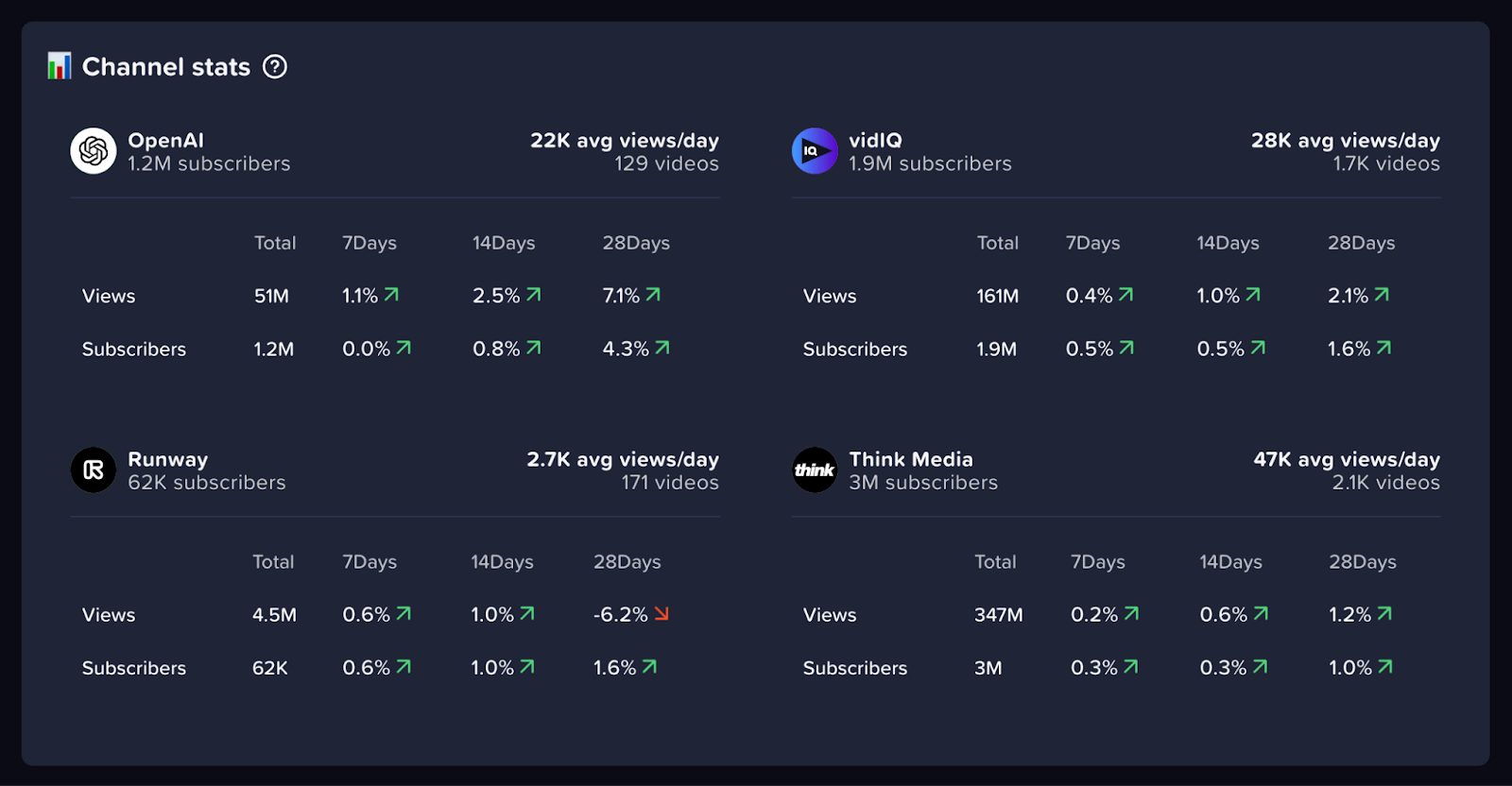
| vidIQ | YouTube Growth | YouTube | $19/mo |
| Ahrefs | Backlink/SEO Gaps | SEO, PPC, AI Search | $29/mo |
| Competitors App | Multi-Channel Tracking | Social, Email, PPC, SEO | $29.90/mo |
| SparkToro | Audience Research | Podcasts, Newsletters, Social | $50/mo |
| Socialinsider | Cross-Network Benchmarking | All major social networks | $99/mo |
| Similarweb | Web Traffic/Market Share | Web, Referral, Apps | $125/mo |
| Semrush | Search/AI Visibility | SEO, PPC, Social | $139/mo |
| BuzzSumo | Content/Share Analysis | Blogs, Facebook | $199/mo |
| Rival IQ | Agency Reporting | All major social networks | $239/mo |
| Brand24 | Brand Sentiment/Mentions | Social, Web, News | $249/mo |
Note: Pricing is verified as of August 2026 and may fluctuate based on annual billing cycles, seat counts, and usage-based add-ons.
Strategic Categorization: Defining Your Needs
To avoid unnecessary expenditure, businesses should classify their needs into one of four primary buckets:
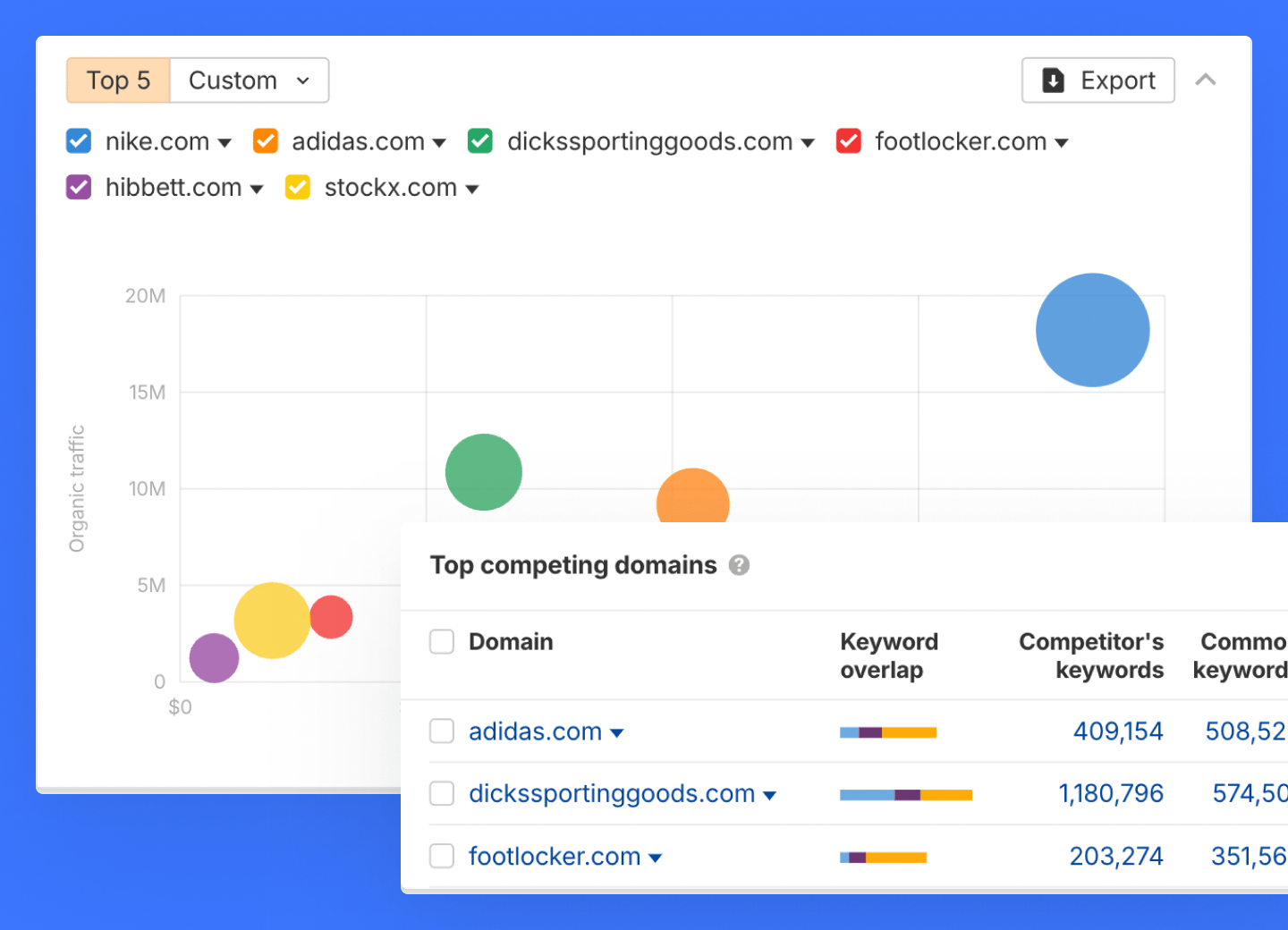
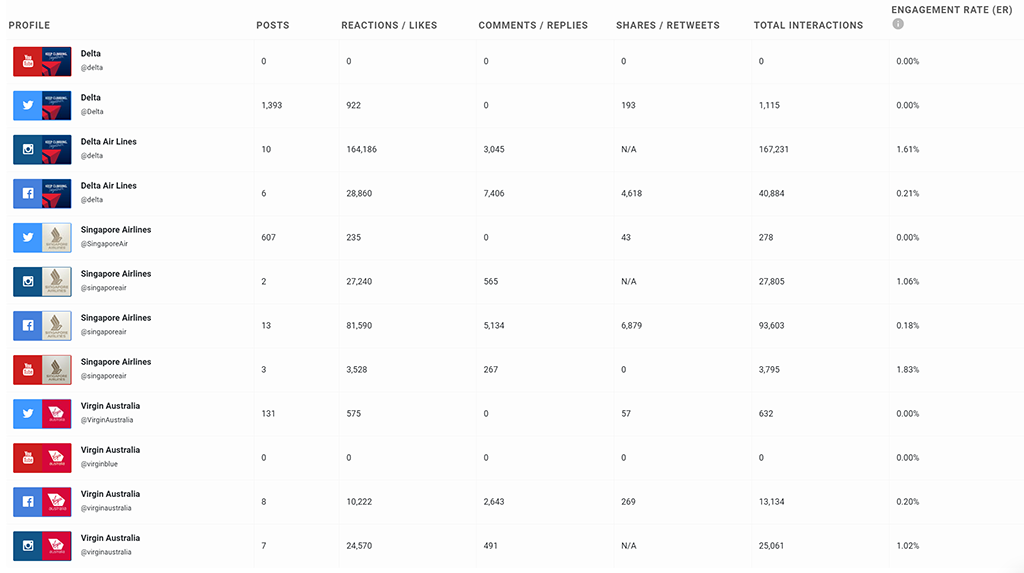
- Performance Benchmarking: Tools like Rival IQ and Socialinsider are designed for agencies and large teams. They aggregate data across multiple platforms, providing clear "industry average" comparisons that are essential for high-level reporting.
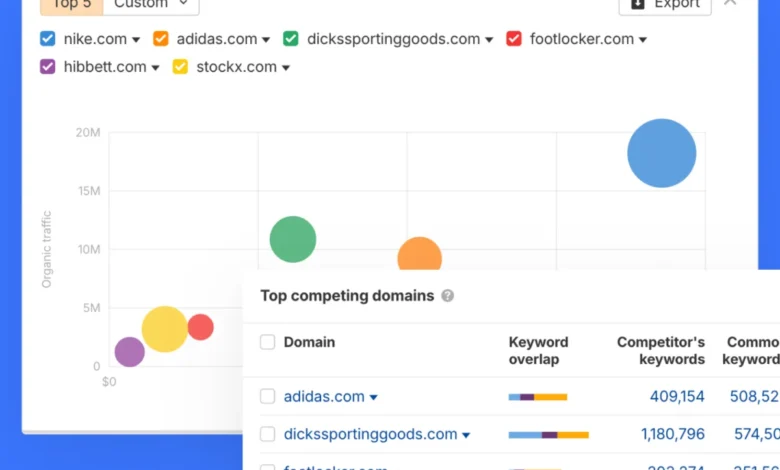
- Search and Visibility: Semrush and Ahrefs dominate this space. They provide deep-dive insights into organic traffic, keyword rankings, and the technical architecture of a competitor’s website.
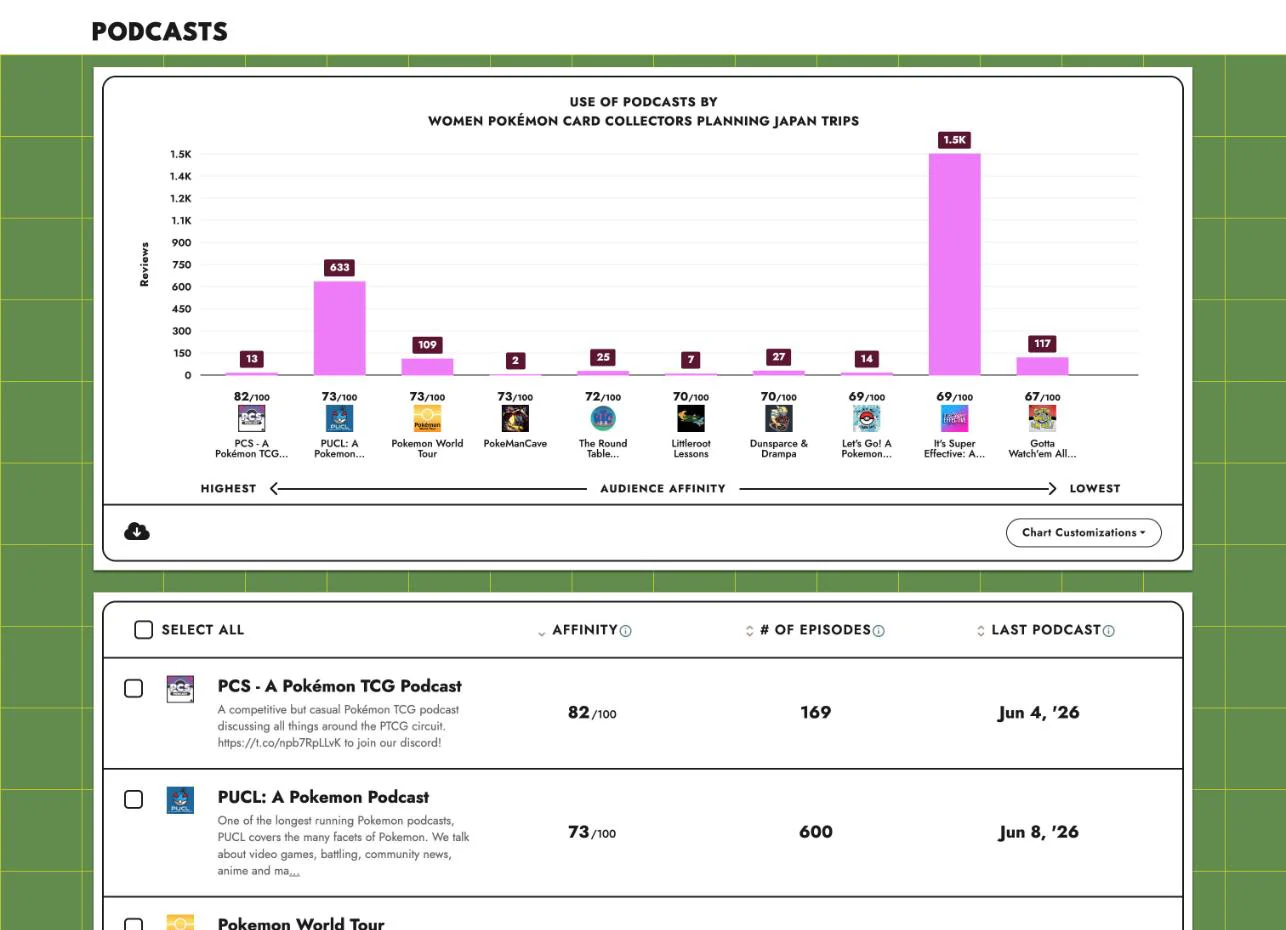
- Audience Intelligence: SparkToro provides a unique lens by analyzing where an audience spends their time—specifically podcasts and newsletters—allowing brands to reach potential customers where they are already engaged.
- Monitoring and Alerts: Tools like Brand24 and Competitors App function as a "radar," notifying users in real-time when a competitor changes their pricing, launches a new campaign, or experiences a shift in brand sentiment.
Deep Dive: Leading Platforms and Their Utility
Semrush and Ahrefs: The SEO Powerhouses
For organizations prioritizing organic growth, these platforms are the industry standard. Ahrefs excels in identifying "keyword gaps"—the specific search terms for which your competitors rank but you do not. Semrush, conversely, offers a more comprehensive suite that includes social media tracking and AI-driven sentiment analysis, making it a "one-stop-shop" for larger enterprises.
Rival IQ: The Agency Standard
Rival IQ is frequently cited by social media managers for its reporting capabilities. Its ability to track changes in social media bios and monitor boosted posts provides a granular look at the ad spend strategies of direct rivals. The tool’s strength lies in its "landscape" feature, which allows users to compare their brand’s performance against a pre-selected group of competitors, providing a baseline for success.
Similarweb: The Traffic Authority
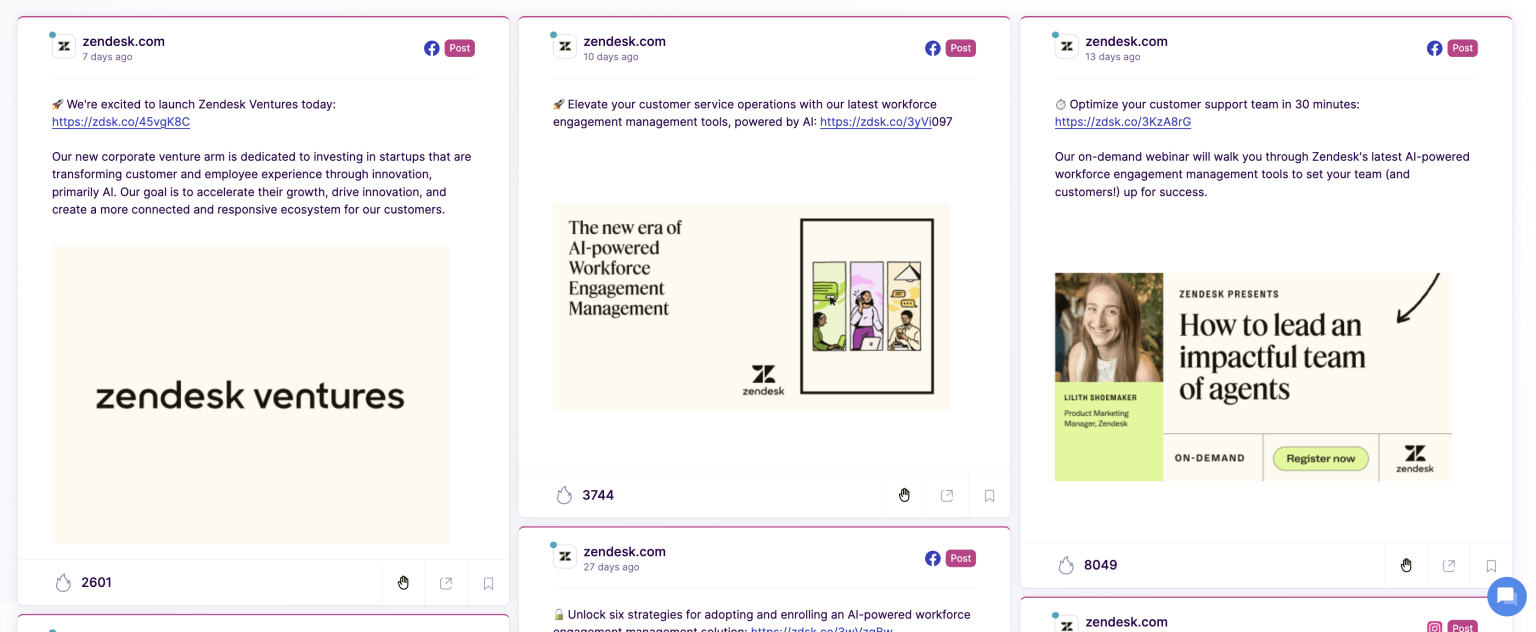
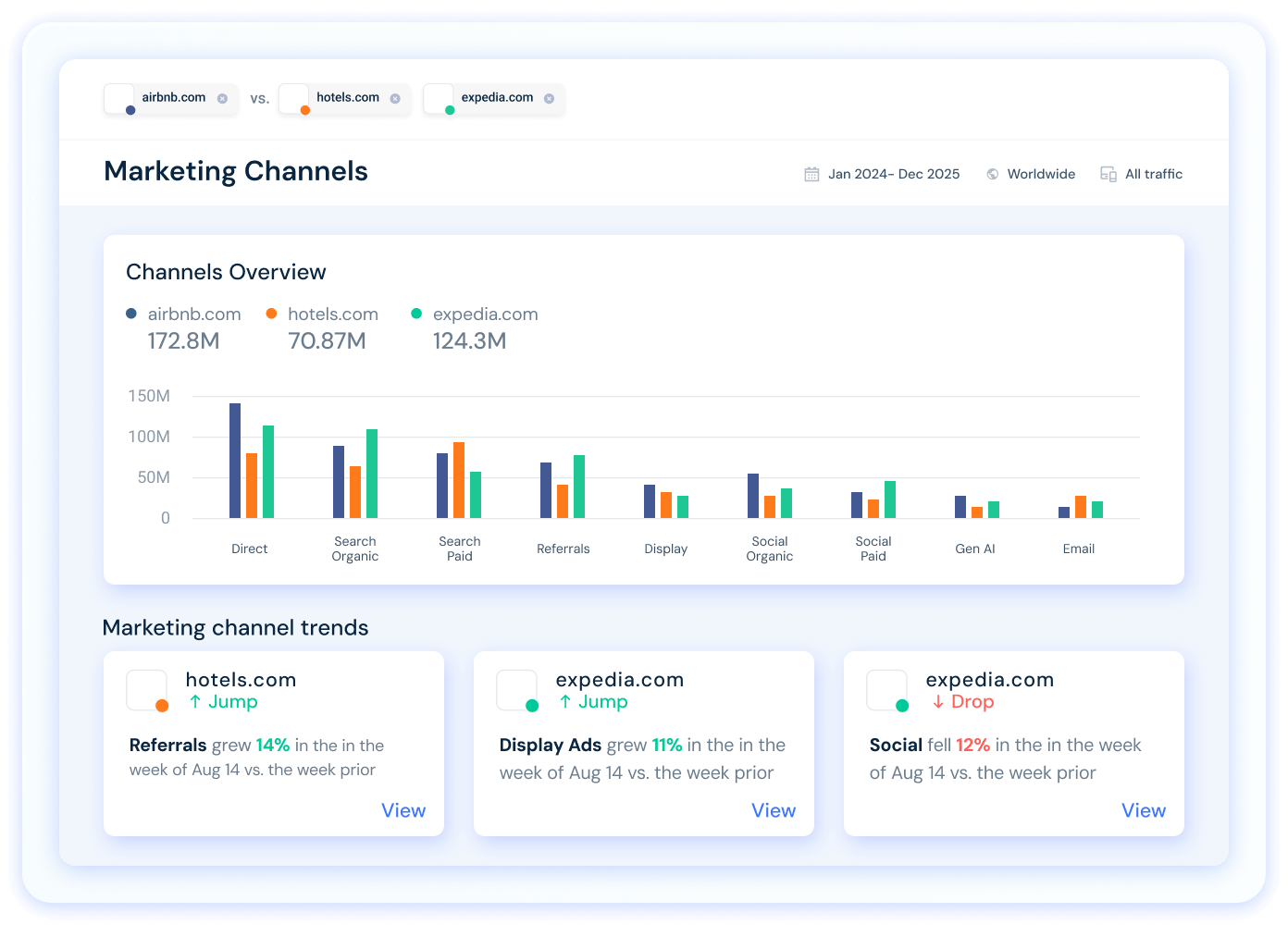
When a brand needs to know the "why" behind a competitor’s success, Similarweb is the preferred choice. It bypasses the social media noise to analyze website traffic sources. By identifying which social platforms drive actual referral traffic to a competitor’s site, companies can reallocate their own marketing budgets to channels that yield a measurable return on investment (ROI).
The Case for Manual Analysis
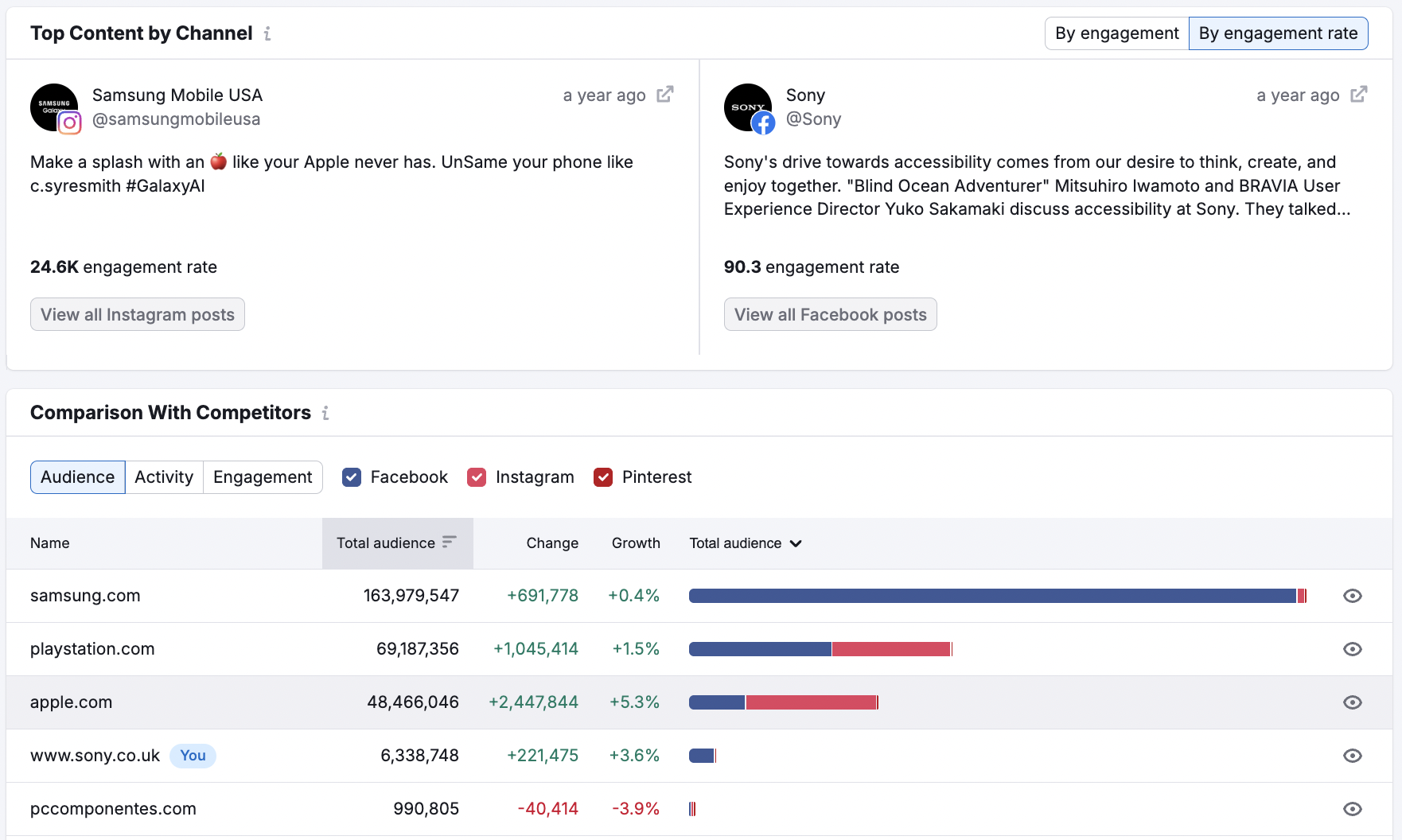
Despite the availability of sophisticated software, there is significant value in manual competitor analysis, particularly for startups or small businesses operating on limited budgets. A disciplined manual approach—recording follower growth, engagement rates, and top-performing posts on a monthly basis—often yields more actionable insights than an automated dashboard that is rarely reviewed.
A standard "manual loop" involves:
- Selection: Identifying 3–5 direct competitors.
- Cadence: Conducting a monthly review to ensure consistency.
- Documentation: Recording follower growth, engagement rates, and top-three posts.
- Actionability: Writing down one specific strategic change to implement for the following month.
As noted by industry experts, the effectiveness of competitor analysis is not determined by the complexity of the software, but by the regularity of the insights applied.
The Role of Artificial Intelligence in Future Strategy
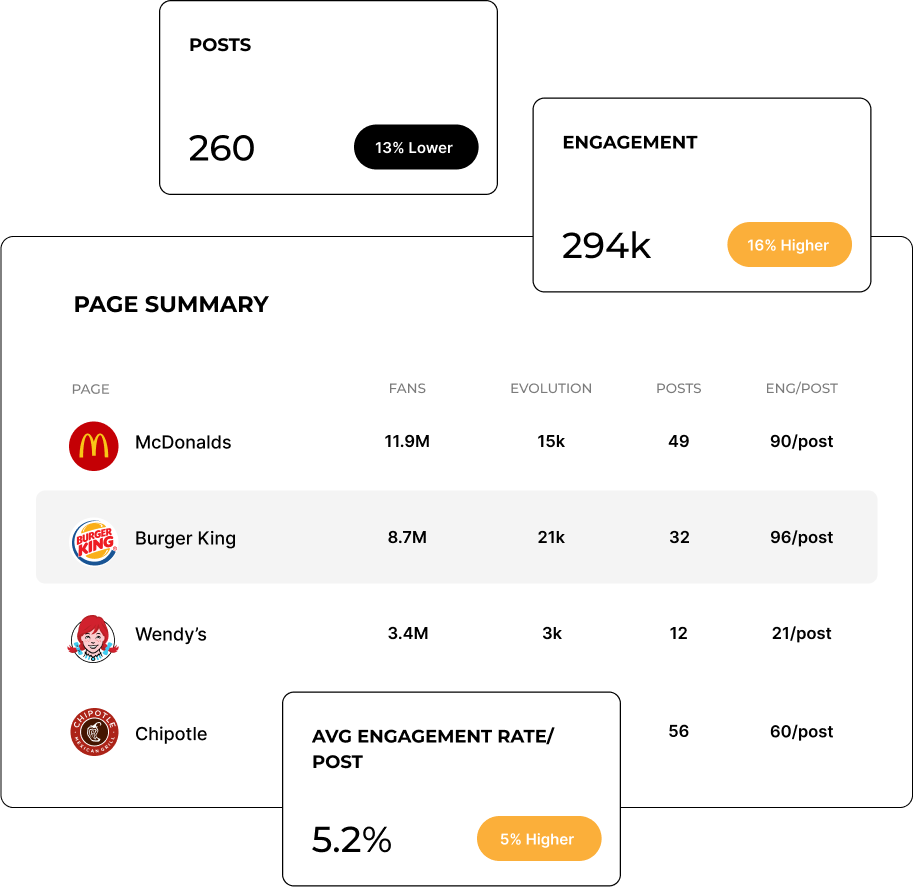
The integration of AI into competitive intelligence is moving at an unprecedented pace. Tools like Brand24 have introduced "Chatbeat," an add-on that monitors how brands are represented in AI-generated search results. This is a critical development, as the rise of generative search engines threatens to change the traditional "blue link" traffic model that SEO professionals have relied on for decades.
Furthermore, ChatGPT can serve as an effective "thinking partner" for marketers, capable of summarizing public data, drafting comparative strategy memos, and suggesting content themes based on identified competitor patterns. However, it is vital to remember that AI is a synthesis tool, not a primary source. Real-time data regarding traffic and rankings must still be sourced from dedicated analytics platforms.
Broader Implications and Final Considerations
The primary danger in competitor research is "analysis paralysis." When marketers spend more time tracking their rivals than executing their own strategy, the competitive advantage is lost. The most effective use of these tools is as a catalyst for creative disruption. If every competitor in a niche is utilizing the same video format, the opportunity lies in identifying a successful strategy from a completely different industry and adapting it to your own.
Ultimately, the most successful brands are those that treat competitive data as a guide rather than a rulebook. Whether utilizing a robust platform like Rival IQ or a simple spreadsheet, the goal remains the same: to gain a clearer understanding of the audience’s needs and to deliver content that serves those needs more effectively than anyone else in the market.
For those looking to build a sustainable strategy, the recommendation remains: start with your own internal audit. Understanding your own baseline is the only way to accurately measure the impact of the insights gained from your competitors. Once that internal foundation is secure, the tools outlined here can provide the necessary external context to refine, iterate, and ultimately lead within your industry.