Google Migrates Local Services Ads to Google Ads Interface Integrating Pay-Per-Lead Models into Performance Max Campaigns


Google has officially announced a significant structural overhaul of its advertising ecosystem, confirming that Local Services Ads (LSAs) will be integrated directly into the primary Google Ads interface. This transition marks the end of the standalone Local Services Ads dashboard, which has been the primary management tool for service-based businesses since the format’s inception. Under the new framework, LSAs will be managed as a specific subset of Performance Max (PMax) campaigns, utilizing a newly developed "pay-per-lead" goal. While the fundamental value proposition of LSAs—allowing businesses to pay for verified leads rather than clicks—remains intact, the technical execution and reporting environment are undergoing a total transformation.
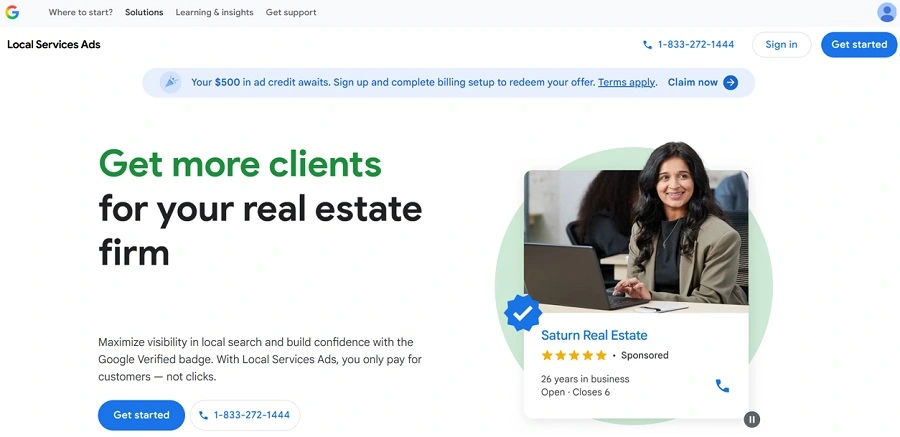
This strategic move is designed to consolidate Google’s advertising products, offering a unified experience for advertisers who previously had to navigate multiple platforms to manage their local and national search presence. The migration represents one of the most substantial updates to local advertising since Google first introduced LSAs in 2016. For nearly a decade, these ads have served as a vital tool for industries ranging from HVAC and plumbing to legal and professional services, providing a high-trust environment through "Google Guaranteed" and "Google Screened" designations.

Technical Architecture of the New LSA Framework
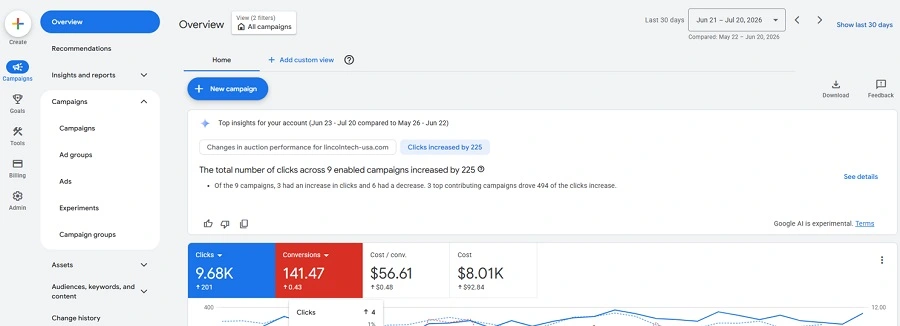
The integration into the Google Ads interface fundamentally changes how LSAs are constructed. Previously, LSAs operated on a simplified, separate platform that prioritized ease of use over granular control. By moving LSAs into Performance Max campaigns, Google is leveraging its advanced machine learning and automation capabilities to optimize lead generation.
Unlike standard Performance Max campaigns, which typically distribute ads across the entire Google network—including YouTube, Display, Gmail, and Discovery—the "pay-per-lead" PMax campaigns for LSAs will maintain strict placement controls. These ads will continue to appear exclusively within Google Search and Google Maps. This ensures that the high-intent nature of local service searches is preserved, preventing budget leakage into broader, less targeted placements.
The "pay-per-lead" goal is the centerpiece of this update. It allows the Performance Max algorithm to prioritize actions such as phone calls, message requests, and booking confirmations. While traditional PMax campaigns are billed on a Cost-Per-Click (CPC) basis, this specific iteration maintains the Cost-Per-Lead (CPL) billing model that has made LSAs a favorite among small and medium-sized enterprises (SMEs).
Migration Timeline and Chronology of Changes
Google has outlined a phased rollout for this migration to minimize disruption for active advertisers. The transition is expected to span several months, with a final sunset of the old system projected for late 2027.
- Early August 2026: The first wave of accounts will begin the automatic migration process. Google will target specific industries and regions to test the stability of the PMax integration.
- Notification Period: Account administrators will receive email alerts 14 days prior to their specific migration date. Additionally, a banner notification will appear within the current LSA dashboard to provide real-time updates.
- Automatic Transfer: Once the migration window opens, Google’s system will automatically port over all campaign settings, including targeted geographic locations, service categories, budget limits, ad schedules, and business imagery.
- Stabilization Phase: Google estimates that while ads will continue to run during the transfer, it may take up to two weeks for campaign performance to fully stabilize within the new Google Ads environment.
- 2027 Sunset: The legacy Local Services Ads dashboard will be fully decommissioned. At this point, all historical data within the old dashboard will become inaccessible unless manually exported by the user.
Supporting Data and Market Context
The decision to merge LSAs into the broader Google Ads platform is supported by broader trends in digital marketing and consumer behavior. According to industry data, local searches lead to a purchase in approximately 80% of cases, making the "near me" search market incredibly competitive. Furthermore, mobile search volume has increased the demand for "one-click" solutions, such as the direct-calling and booking features inherent in LSAs.
By integrating LSAs into the Google Ads platform, Google provides advertisers with more robust attribution modeling. Currently, many businesses struggle to see the full "customer journey" when their LSA data is siloed from their standard Search or Display campaigns. Centralization allows for a more holistic view of how different ad formats interact. For instance, a customer might first see a Display ad for a roofing company, then later perform a direct search and convert through a Local Services Ad. Under the new system, this path to conversion becomes much clearer.
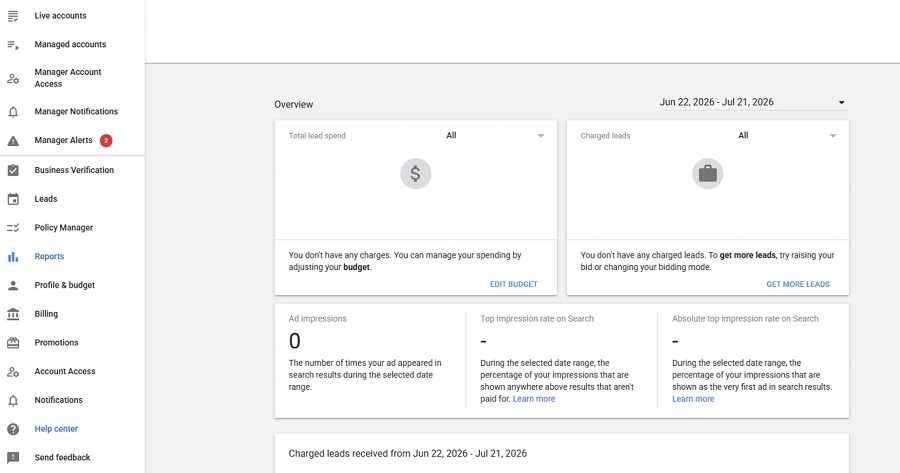
Furthermore, the expansion of LSA categories—which now covers over 80 service industries—necessitated a more powerful backend. The original LSA dashboard was not designed to handle the complexity of the current service economy, which includes everything from yoga instructors to estate lawyers.
Official Responses and Strategic Rationale
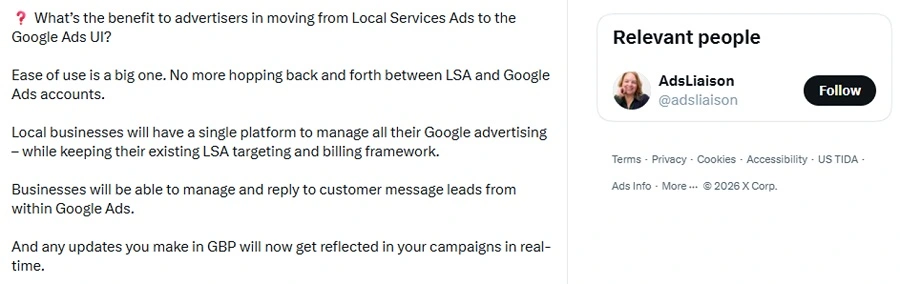
Google Ads Product Liaison, Ginny Marvin, addressed the update via social media, emphasizing that the primary objective is simplification. Marvin noted that the update eliminates the need for advertisers to "hop back and forth" between disparate accounts. This sentiment reflects a broader push within Google to make their tools more accessible to business owners who may not have dedicated marketing teams.
Industry analysts suggest that this move also allows Google to apply its most sophisticated AI bidding strategies to local services. By feeding LSA data into the Performance Max engine, Google can better predict which users are most likely to become high-quality leads based on a vast array of signals that the old LSA dashboard simply could not process.
From a corporate perspective, this consolidation reduces the technical debt associated with maintaining two separate advertising infrastructures. It allows Google’s engineering teams to focus on a single, unified platform, ensuring that updates and security patches are applied universally.
Implications for Service-Based Businesses
While the migration is designed to be seamless, it carries several implications for how businesses must manage their digital presence moving forward.
Data Retention and Reporting
The most immediate concern for advertisers is the loss of historical data. Because the old LSA dashboard will be sunset, businesses must manually download their performance reports to maintain records of past lead costs and conversion rates. However, Google has confirmed that "Lead Manager" data—including call recordings and contact details—will be migrated into the Google Ads interface, ensuring that the CRM-like functionality of LSAs remains available.
Google Business Profile (GBP) Synergy
The reliance on a verified Google Business Profile is more critical than ever. The new PMax LSAs will pull data directly from the GBP. Any inaccuracies in the profile—such as incorrect hours of operation or an outdated address—will immediately impact the effectiveness of the ads. Businesses are encouraged to optimize their profiles, ensuring high-quality photos and active review management are in place before their migration date.
Verification and Trust Badges
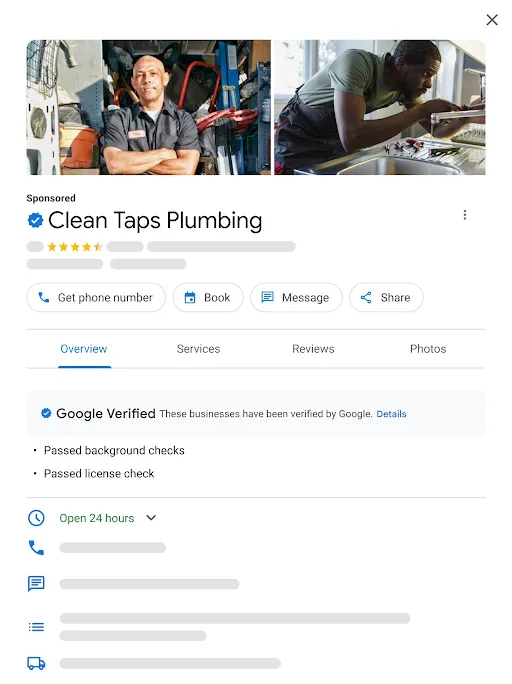
One of the most significant concerns for advertisers is the fate of the "Google Guaranteed" and "Google Screened" badges. Google has reassured users that these badges will remain a core component of LSAs within the PMax framework. As long as a business maintains its registration and background check requirements, the trust-building green checkmark will continue to appear in search results.
Broader Impact on the Advertising Landscape
This shift represents a move toward the "automation-first" era of digital advertising. By removing the manual levers of the old LSA dashboard and replacing them with PMax’s algorithmic optimizations, Google is signaling that AI is the future of local search.
For agencies, this change requires a pivot in strategy. Rather than manually managing bids and service areas in a simplified dashboard, account managers will now need to focus on "creative excellence" and "data inputs." Since PMax relies heavily on the quality of the assets provided (images, business descriptions, and customer signals), the role of the advertiser shifts from a technician to a strategist.
For the end consumer, the experience is expected to remain largely unchanged, though perhaps more relevant. As Google’s AI becomes better at matching specific service providers to specific user intents, the quality of search results in the Maps and Search interfaces is likely to improve, reducing the time consumers spend searching for reliable local help.
Strategic Recommendations for a Smooth Transition
To navigate this update successfully, businesses should adopt a proactive stance rather than waiting for the automatic migration.

- Audit Current Performance: Before the migration, record current Cost-Per-Lead and conversion metrics. This will serve as a benchmark to ensure that the PMax algorithm is performing at or above historical levels once the transfer is complete.
- Optimize Google Business Profiles: Since the GBP acts as the "source of truth" for the new ads, ensure all information is 100% accurate. Adding new, high-resolution photos can give the PMax engine better assets to work with.
- Monitor Post-Migration Bidding: While Google aims for a seamless transition, the shift from a manual LSA budget to a PMax environment may result in initial fluctuations. Advertisers should monitor their accounts closely for the first 14 days after migration to ensure the automated bidding aligns with their financial goals.
- Leverage Lead Manager: Familiarize yourself with the Google Ads Lead Manager interface. Managing leads promptly within the platform is a signal to Google that the leads being generated are of high quality, which can positively influence ad rankings.
The integration of Local Services Ads into the Google Ads interface via Performance Max is a landmark change that reflects the evolving nature of the digital marketplace. By centralizing management and leveraging the power of AI, Google is attempting to create a more efficient, data-driven environment for local service providers. While the transition requires careful attention to data retention and profile optimization, the long-term goal is a more powerful and simplified advertising experience that connects local businesses with their communities more effectively than ever before.