A Comprehensive Guide to Navigating Meta Ads Manager for Strategic Digital Advertising


Entering the ecosystem of Meta Ads Manager can be an intimidating prospect for even the most tech-savvy professionals. With a sprawling interface, granular data points, and a complex hierarchy of settings, the platform reflects the vast capabilities of Meta’s advertising infrastructure. However, understanding this system is no longer optional for businesses seeking to remain competitive in a digital-first marketplace. With over 3 billion monthly active users across Facebook and Instagram, Meta remains a primary driver for global digital advertising revenue, offering reach and precision targeting capabilities that few other platforms can replicate.
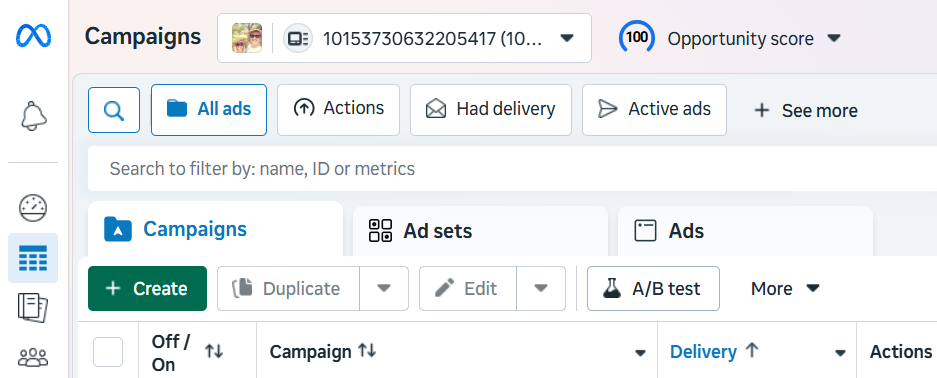
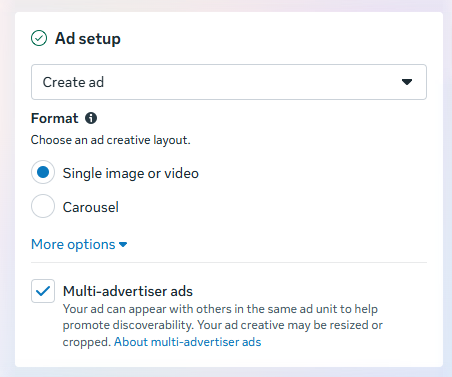
The foundation of Meta advertising relies on a three-tier structure: Campaigns, Ad Sets, and Ads. A campaign establishes the high-level objective, such as lead generation or brand awareness. The ad set dictates the "who, where, and how much"—defining the target audience, the budget, the delivery schedule, and the specific placements. Finally, the ad itself comprises the creative assets—the imagery, video, copy, and call-to-action buttons that the end-user interacts with.
The Evolution of Meta’s Advertising Infrastructure
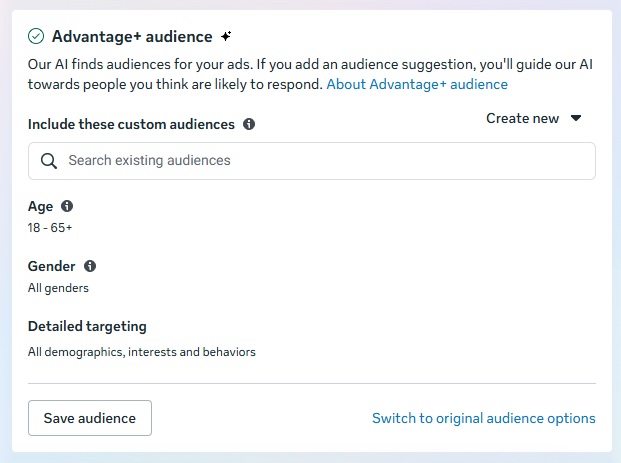
Meta’s advertising tools have undergone a significant transformation over the last decade. Historically, advertisers relied heavily on manual targeting, painstakingly selecting interests, job titles, and specific behaviors to reach niche segments. While this granular control still exists, the platform has shifted toward an AI-driven model known as Meta Advantage+.
This transition began in earnest around 2021, when Meta moved to consolidate its offerings to combat the privacy-focused changes introduced by Apple’s App Tracking Transparency (ATT) framework. These industry-wide privacy updates limited the ability of third-party pixels to track user behavior across different apps and websites. In response, Meta pivoted its internal architecture to rely more on its own first-party data and machine learning. Today, Meta Advantage+ utilizes predictive modeling to identify high-intent users, allowing the algorithm to optimize delivery in real time. This shift has changed the role of the modern advertiser from a "manual tuner" to a "strategic facilitator," where the focus is on providing the AI with clear goals and high-quality creative assets.
Strategic Planning: Defining Success Metrics
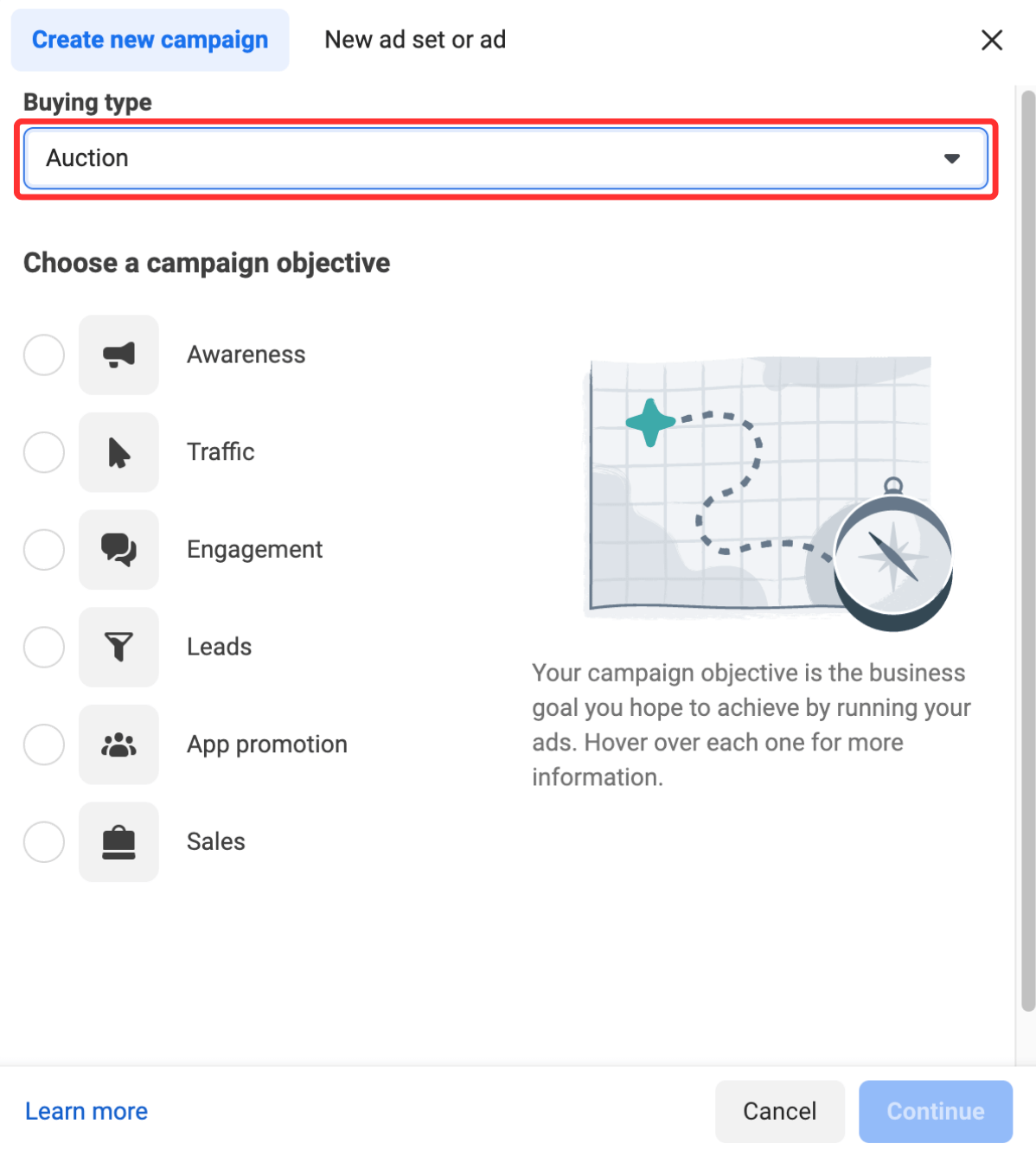
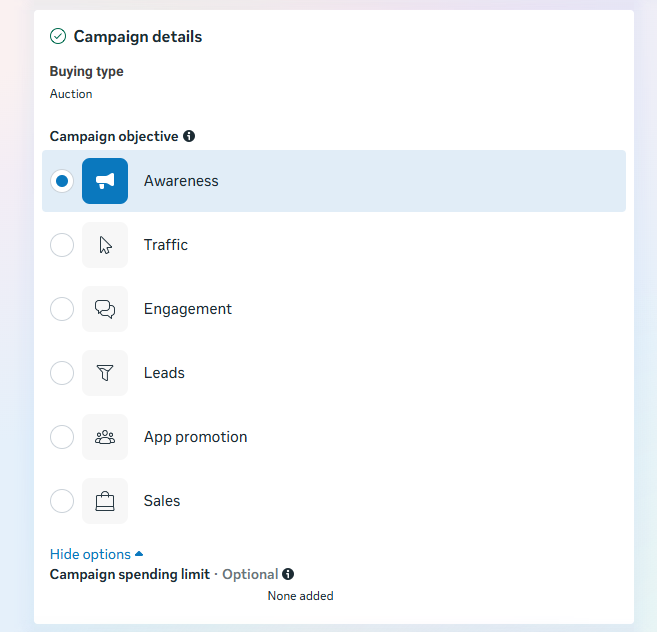
Before engaging with the Ads Manager interface, organizations must align their advertising objectives with their broader business strategy. The platform forces a decision at the campaign level, which directly impacts how the Meta algorithm optimizes delivery.
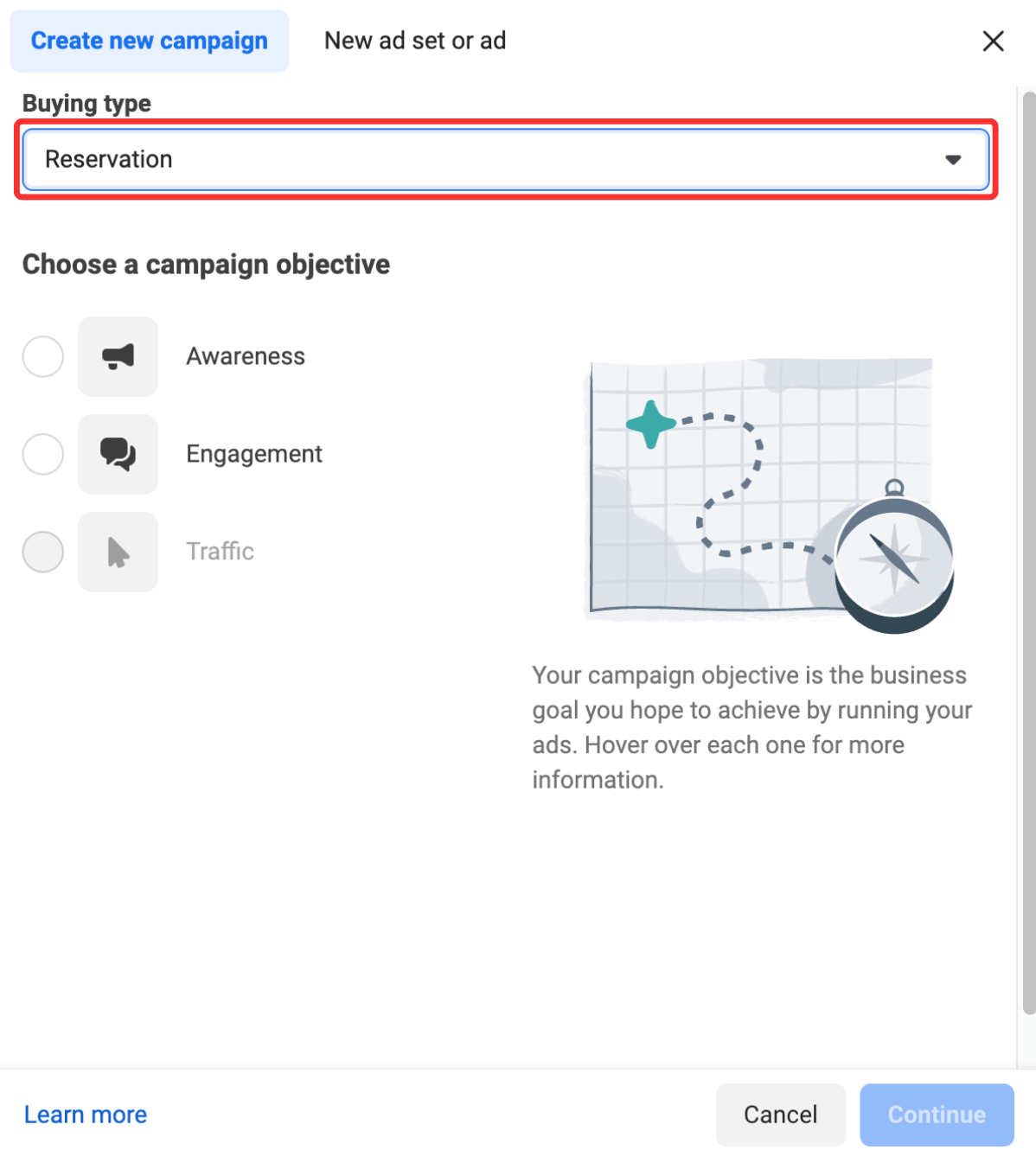
- Awareness: Ideal for brands looking to maximize reach and ensure their messaging is seen by as many people as possible within a specific demographic.
- Traffic: Designed to drive users away from the Meta environment and toward a specific destination, such as a landing page or a web portal.
- Engagement: Focuses on fostering direct interactions, such as comments, shares, or private messages, often used to build community and social proof.
- Leads: Specifically optimized for collecting user contact information through native forms or website conversions.
- App Promotion: Targets users likely to install or re-engage with a mobile application.
- Sales: The most sophisticated objective, focusing on bottom-funnel conversions, such as e-commerce purchases or high-value service acquisitions.
Failure to select the correct objective often leads to wasted spend. For instance, selecting an "Awareness" objective when the goal is a "Sale" will result in the algorithm prioritizing reach over conversion probability, leading to lower return on ad spend (ROAS).
Technical Requirements and Setup
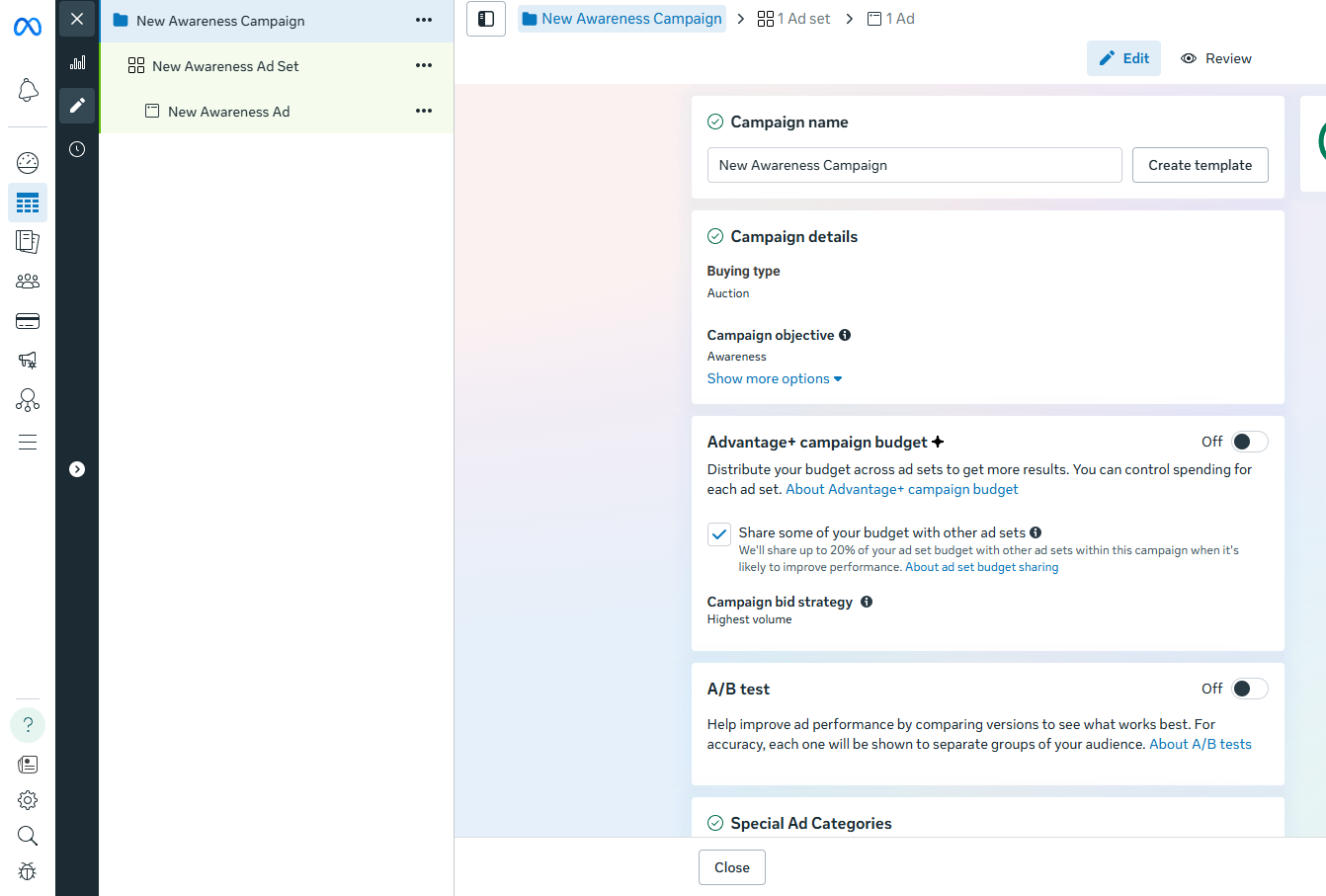
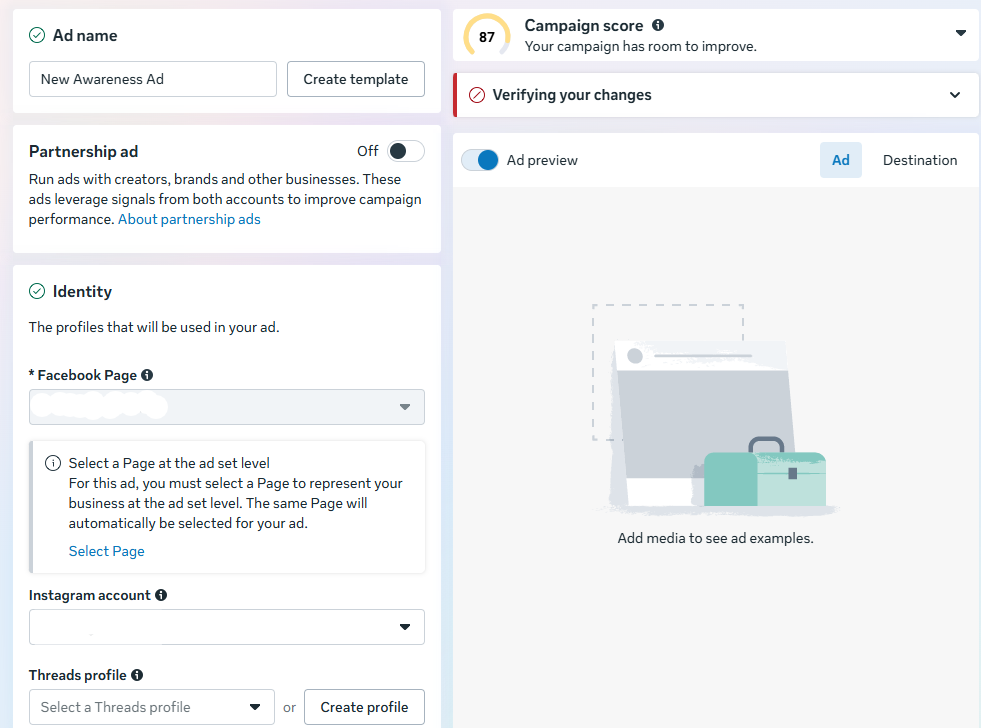
To initiate an advertising campaign, businesses must first establish a professional presence on the platform. A Facebook Page is mandatory, as it serves as the identity that will publish the advertisements. Additionally, a verified payment method must be attached to the Meta Business Suite.
For organizations that manage multiple assets, a Business Manager account is essential. This centralizes control, allowing administrators to manage permissions, pixels, and ad accounts across different teams. Once the account is established, navigating to the Ads Manager dashboard provides a real-time command center for campaign monitoring.
It is highly recommended that businesses install the Meta Pixel (or the Conversions API) on their websites. This snippet of code acts as a bridge between the website and Meta, providing the necessary data for tracking user journeys. Without this integration, tracking the effectiveness of campaigns becomes significantly less accurate, as advertisers will be unable to measure which ads led to completed purchases or form submissions.
Analyzing the Economics of Facebook Ads
The cost of advertising on Meta is highly variable and contingent upon several factors, including industry competition, audience size, and ad quality. Data from industry benchmarks indicates that the average cost-per-click (CPC) across all sectors hovers around $1.72. However, this figure is highly polarized. Apparel and retail sectors, which often utilize visual, impulse-driven creative, see lower CPCs in the $0.45 to $0.70 range. Conversely, high-value sectors like Finance and Insurance or Legal services often see costs exceeding $3.00 per click, reflecting the high lifetime value of the customers they are targeting.
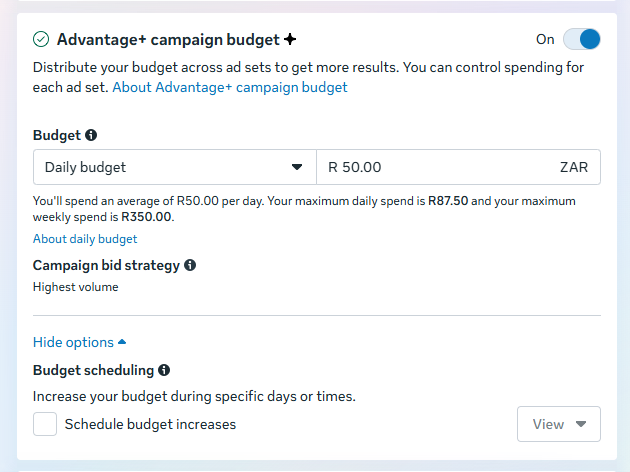
Budgeting strategy is another critical component. Meta allows for either a "Daily Budget," which sets a steady, recurring spend, or a "Lifetime Budget," which allows the system to spend more heavily on high-performing days. For most small to medium-sized enterprises, a starting budget of at least $5 to $10 per day is suggested. This allows for a "learning phase"—a period of 3 to 7 days where the algorithm tests various segments to understand which users are most responsive to the creative.
Addressing the Learning Phase and Optimization
A common pitfall for new advertisers is the impulse to adjust campaigns too early. When a campaign launches, it enters the "learning phase." During this time, the performance metrics may appear volatile. It is standard practice to allow at least 72 hours to a week of activity before making any major changes. Prematurely editing the audience or the budget resets the learning phase, forcing the algorithm to start its data gathering from scratch, which inevitably increases costs and reduces efficiency.
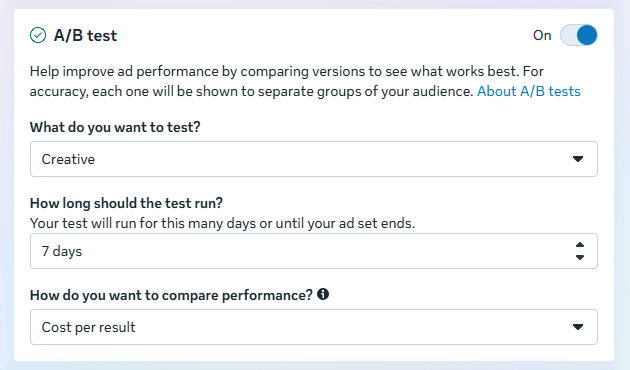
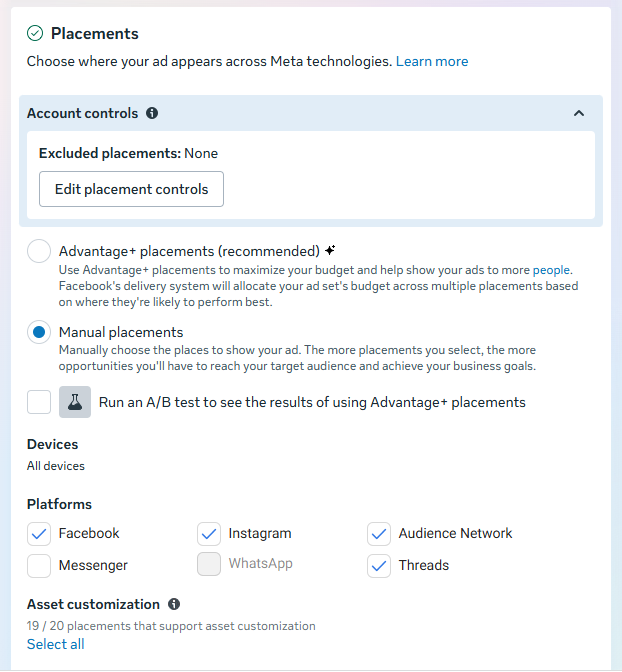
To optimize performance, advertisers should leverage A/B testing. By running two versions of an ad—for example, testing a static image against a short-form video—advertisers can gain empirical data on what resonates with their audience. Meta’s built-in testing tools facilitate this process, allowing for automated split testing where the system ensures that the audience remains mutually exclusive to prevent data contamination.
The Role of Creative in a Mobile-First World
As the platform has evolved, the creative content has become the most significant variable in ad success. With the rise of Reels and short-form video, static images are often outperformed by dynamic, vertical video content that mimics the organic feed experience.
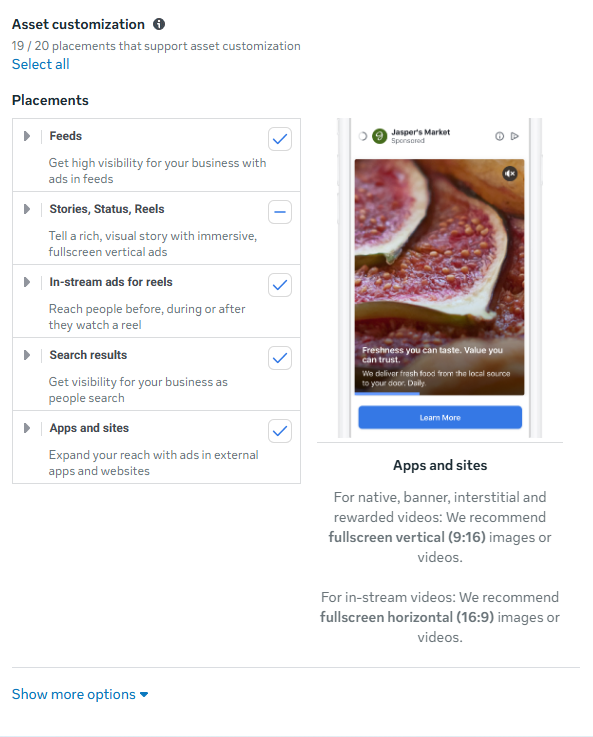
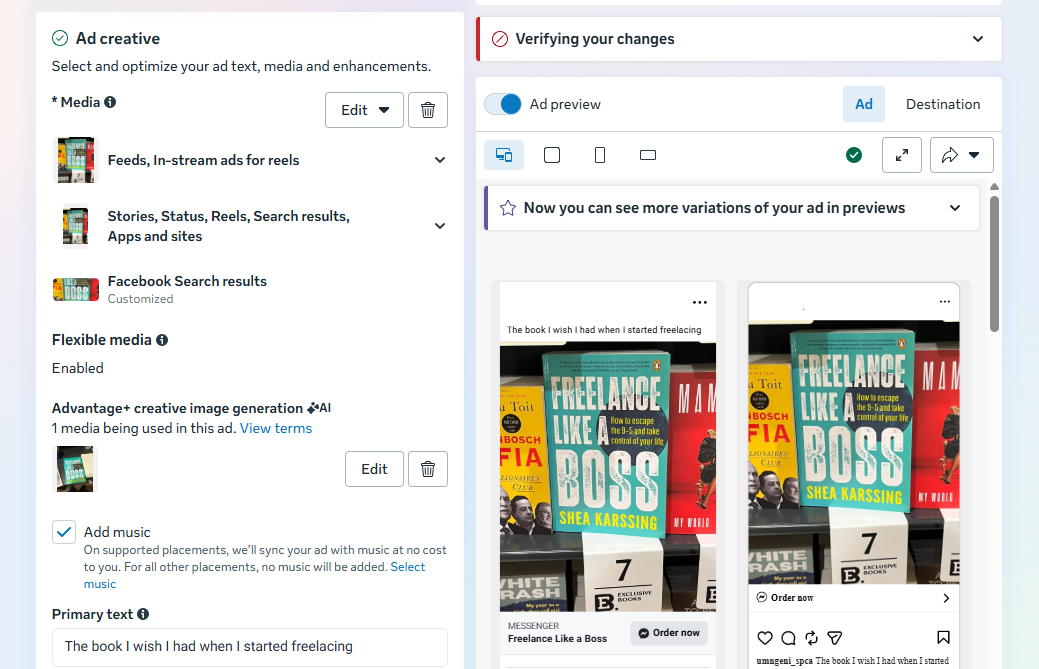
Successful creative typically follows the "hook, value, CTA" framework. The first three seconds must hook the viewer, the middle portion provides the value or entertainment, and the final segment includes a clear call to action. Because Meta’s placements are diverse—ranging from the Facebook News Feed to Instagram Stories and Messenger—assets must be designed to be adaptable. Advertisers are encouraged to use the "Flexible Media" features in Ads Manager, which allow for minor adjustments to cropping and formatting to ensure the ad looks native to each specific placement.
Ethical Considerations and Compliance
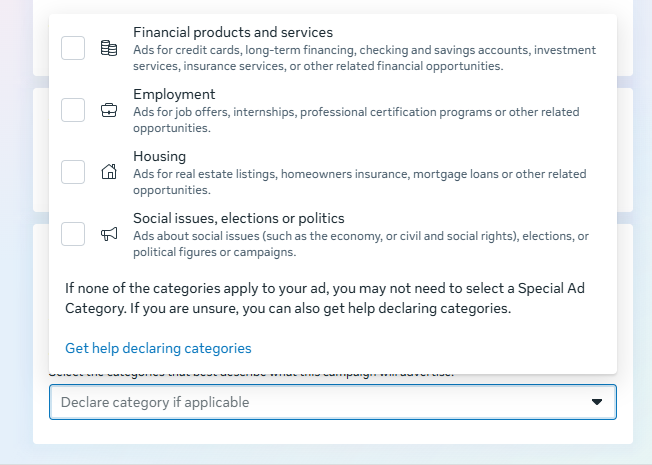
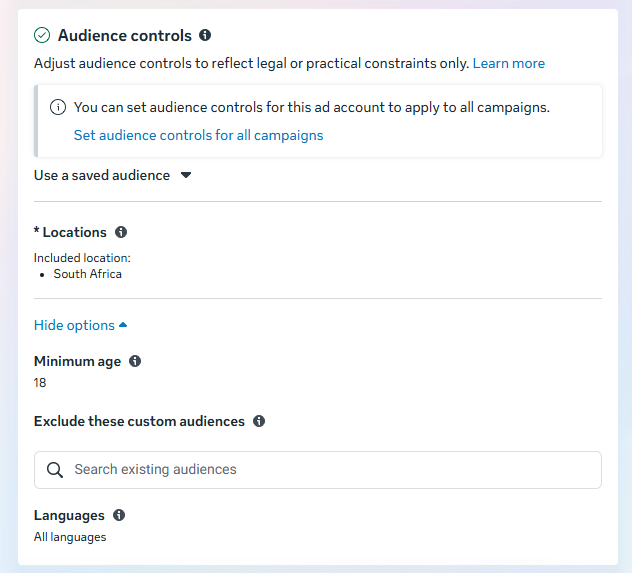
It is imperative that businesses strictly adhere to Meta’s Advertising Standards. This is particularly critical for "Special Ad Categories," which cover housing, employment, credit, and social issues or politics. In these categories, Meta restricts the use of certain targeting parameters—such as age, gender, or zip code—to prevent discriminatory practices. Failing to disclose that an ad falls into one of these categories can result in immediate account suspension and, in some cases, legal scrutiny.
Final Assessment: Is the Investment Worthwhile?
For most businesses, the scalability of Meta’s advertising platform offers a distinct advantage over organic reach, which is subject to the fluctuations of the platform’s ever-changing algorithm. Paid reach provides a level of predictability and control that is necessary for growth.
However, Meta ads are not a panacea. Products or services that require a long, complex sales cycle may find that Meta serves better as a top-of-funnel awareness driver rather than a direct conversion tool. For such businesses, the strategy should focus on building an audience, retargeting them with educational content, and eventually moving them toward a conversion. By maintaining a clear focus on objectives, utilizing the platform’s AI-driven targeting tools, and consistently iterating based on data, organizations can transform Meta Ads Manager from a confusing interface into one of their most powerful business growth engines.