New Jersey Mandates Universal Reinstatement Rights for Paid Leave and Expands Family Leave Act Coverage for Small Businesses

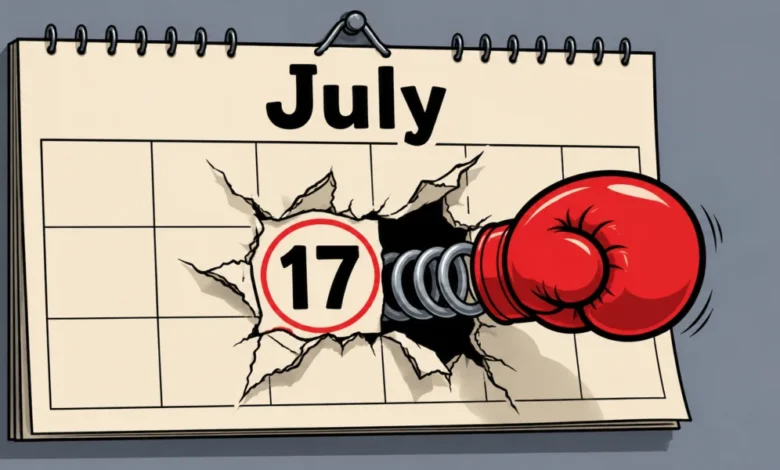
New Jersey has enacted a transformative expansion of worker protections that will fundamentally alter the relationship between small business owners and their employees regarding medical and family-related absences. Effective July 17, 2026, a new legislative mandate signed by Governor Phil Murphy requires employers of all sizes to provide guaranteed job reinstatement for any employee who receives benefits under the state’s Temporary Disability Insurance (TDI) or Family Leave Insurance (FLI) programs. This law effectively decouples job protection from traditional company-size thresholds, creating a universal right to return to work that previously did not exist for thousands of New Jersey residents.
For decades, the state’s leave landscape was divided into two distinct categories: wage replacement and job protection. While the TDI and FLI programs provided monetary benefits to workers regardless of their employer’s size, the legal right to return to one’s position was governed by the New Jersey Family Leave Act (NJFLA) and the federal Family and Medical Leave Act (FMLA). Both of these statutes carried significant hurdles for eligibility, including minimum employee headcounts and lengthy tenure requirements. The new legislation, known during its legislative journey as Assembly Bill 5166/Senate Bill 2331, eliminates this gap, ensuring that if a worker is eligible for state-funded paid leave, they are legally entitled to their job—or an equivalent one—upon their return.
The End of the "Job Protection Gap"
Prior to the enactment of this law, a significant portion of the New Jersey workforce operated under a "protection gap." An employee working for a small business with only five employees could contribute to the state’s TDI and FLI funds through mandatory payroll deductions and successfully claim benefits to care for a newborn or recover from a serious illness. However, because the NJFLA only applied to businesses with 30 or more employees, that same worker had no statutory right to their job. An employer could legally terminate the employee while they were on leave, leaving the worker with state checks but no position to return to.
The new mandate closes this loophole by making reinstatement a mandatory condition for any employee receiving TDI or FLI benefits. Under the law, an employer must restore the employee to the position they held prior to the leave, or to a position with equivalent seniority, status, employment benefits, pay, and other terms and conditions of employment. This right attaches to the receipt of the benefit itself, meaning the complexity of determining whether an employee is "covered" by a specific leave act is largely bypassed if they are approved for state paid leave benefits.
Dramatic Expansion of the New Jersey Family Leave Act
In addition to the universal reinstatement right for TDI and FLI recipients, the legislation significantly lowers the barriers to entry for the New Jersey Family Leave Act (NJFLA). These changes will bring thousands of additional small businesses under the full regulatory umbrella of the NJFLA, which provides up to 12 weeks of job-protected leave in a 24-month period.
The changes to NJFLA eligibility include:
- Reduced Employer Size Threshold: The threshold for NJFLA coverage will drop from 30 employees to 15 employees. This brings a vast new segment of New Jersey’s small business community into compliance requirements that were previously reserved for mid-sized and large corporations.
- Shortened Tenure Requirement: Employees will now qualify for NJFLA protection after just three months of employment, a sharp decrease from the previous requirement of 12 months.
- Lowered Hours Worked Requirement: The number of hours an employee must have worked in the preceding 12 months to qualify for NJFLA leave has been slashed from 1,000 hours to just 250 hours.
These adjustments mean that part-time workers and relatively new hires will now enjoy the same robust job protections that were once reserved for long-term, full-time employees of larger firms.
Implementation Timeline and Legislative History
The path to this legislative shift began in early 2024 as part of a broader push by the Murphy administration and labor advocates to strengthen the state’s social safety net. Governor Murphy signed the bill into law in January 2024, but provided a lengthy transition period to allow the business community to adjust.

- January 2024: Bill signed by Governor Phil Murphy.
- 2024–2025: Regulatory phase where the New Jersey Department of Labor and Workforce Development (NJDOL) prepares updated guidelines and FAQ materials for employers.
- July 17, 2026: The law officially takes effect, and the new eligibility thresholds for NJFLA and universal reinstatement rights for TDI/FLI become enforceable.
The delay in implementation was a strategic choice intended to give small business owners nearly two years to update their employee handbooks, adjust their staffing models, and consult with legal counsel to ensure they are prepared for the increased administrative burden.
Enforcement and Penalties for Non-Compliance
The new law is not merely a set of guidelines; it carries significant financial and legal consequences for employers who fail to comply. The legislation establishes a standalone cause of action, meaning an employee can sue specifically for a violation of these reinstatement rights, independent of any other labor law claims.
The penalty structure is designed to be punitive enough to discourage non-compliance:
- Civil Fines: Employers face fines of $1,000 to $2,000 for a first violation. Subsequent violations can result in fines of up to $5,000 per occurrence.
- Common-Law Tort Damages: Aggrieved employees may seek damages for emotional distress and other personal injuries resulting from a wrongful termination or refusal to reinstate.
- Economic Damages: This includes back pay, lost benefits, and the value of lost seniority.
- Legal Fees: The law allows for the recovery of costs and attorney’s fees, which often exceed the actual damages in employment litigation, making it a high-stakes environment for small business owners.
Stakeholder Reactions and Economic Analysis
The reaction to the law has been sharply divided along ideological and economic lines. Labor advocates and worker rights groups have hailed the move as a historic win for equity. They argue that a worker’s job security should not be dependent on the size of their employer’s payroll. "No New Jerseyan should have to choose between their paycheck and their position when a medical crisis or a new child enters their life," stated proponents during the legislative hearings.
Conversely, small business advocacy groups, including the New Jersey Business & Industry Association (NJBIA), have expressed concerns regarding the operational challenges this poses for micro-businesses. For a company with only five or ten employees, losing one staff member for several months can disrupt operations significantly. Business owners have raised questions about the feasibility of hiring temporary replacements when they are legally required to hold the original position open indefinitely for the returning worker.
From an economic perspective, the law may lead to a shift in how small businesses approach hiring and workforce management. Analysts suggest that the lower hours requirement (250 hours) may lead some employers to rely more heavily on independent contractors or automated solutions where possible to avoid reaching the 15-employee threshold or to mitigate the impact of frequent leave requests.
Strategic Implications for New Jersey Employers
As the July 2026 deadline approaches, legal experts recommend a comprehensive audit of all internal leave policies. Businesses that previously considered themselves "too small" for family leave compliance must now recognize that they are no longer shielded by their headcount.
Key steps for preparation include:
- Handbook Revisions: Removing any language that suggests job protection is only available after one year of service or for full-time employees.
- Managerial Training: Ensuring that front-line supervisors understand that any employee receiving a state TDI or FLI check has an automatic right to return to their job.
- Financial Planning: Accounting for potential litigation risks and the costs associated with temporary staffing while regular employees are on protected leave.
- Record-Keeping: Maintaining meticulous records of hours worked and benefit notifications, as the 250-hour threshold is easily met even by casual or seasonal staff.
Conclusion
New Jersey’s new leave mandate represents one of the most aggressive expansions of worker protections in the United States. By guaranteeing reinstatement for all TDI and FLI recipients and lowering the NJFLA threshold to 15 employees, the state is effectively creating a universal right to leave. While this provides a robust safety net for the workforce, it places a new and significant compliance burden on the small business community. As July 17, 2026, nears, the focus will shift from legislative debate to the practical realities of implementation in a state known for its complex and employee-friendly labor environment.
Related posts: