OSHA Issues New Workplace Safety Guidance for Opioid Overdose Preparedness as Part of the Great American Recovery Initiative

The Occupational Safety and Health Administration (OSHA), operating under the Department of Labor, has officially released comprehensive new workplace safety guidance aimed at helping employers and employees recognize and respond to opioid overdoses. Published on September 25, 2026, this directive serves as a critical component of the Trump Administration’s broader legislative and public health agenda known as the Great American Recovery Initiative. This nationwide effort places a primary focus on scaling up addiction treatment, expanding recovery infrastructure, and mitigating the devastating health and economic impacts of the ongoing synthetic opioid crisis.
The newly unveiled federal framework arrives at a time when the modern workforce faces unprecedented challenges regarding substance use, rehabilitation, and workplace safety. By establishing standardized protocols for overdose response, the federal government aims to transition life-saving interventions—once largely confined to clinical or emergency medical settings—into everyday standard operating procedures across American industries, factories, corporate offices, and healthcare facilities.
The Context of the Crisis: Fentanyl and the American Workforce
The urgency behind OSHA’s new guidance stems from the profound transformation of the illicit drug landscape over the past decade, driven overwhelmingly by the proliferation of synthetic opioids such as fentanyl. Unlike traditional prescription opioids or heroin, fentanyl is immensely potent, highly accessible, and frequently mixed into other illicit substances without the user’s knowledge, drastically increasing the risk of accidental, rapid-onset overdoses.
In announcing the initiative, White House Drug Czar Sara Carter emphasized the severe security and public health dimensions of the epidemic. "Because fentanyl has infiltrated the illicit drug landscape and acts as a chemical weapon against our people, it is critically important that the American workforce is familiar with drug overdose recognition and reversal," Carter stated. She further expressed gratitude to the Department of Labor for spearheading educational outreach to ensure that employers and everyday workers are equipped with the knowledge and tools necessary to administer life-saving treatments like naloxone.
For decades, occupational safety standards primarily focused on physical hazards such as machinery safeguards, chemical burns, or fall protection. However, the convergence of the opioid epidemic and everyday employment environments has forced regulatory agencies to expand their definition of workplace safety. Employers are increasingly expected to view emergency medical response through a lens that encompasses substance-related emergencies, effectively redefining what constitutes a comprehensive first-aid program in the twenty-first century.

Core Recommendations and Preparedness Strategies Outlined by OSHA
The newly issued OSHA fact sheet provides actionable, step-by-step preparedness strategies tailored for businesses of all sizes and sectors. Rather than imposing immediate, sweeping mandates that could burden small businesses, the guidance offers a flexible blueprint focused on education, accessibility, and harm reduction.
Key strategies recommended in the guidance include:
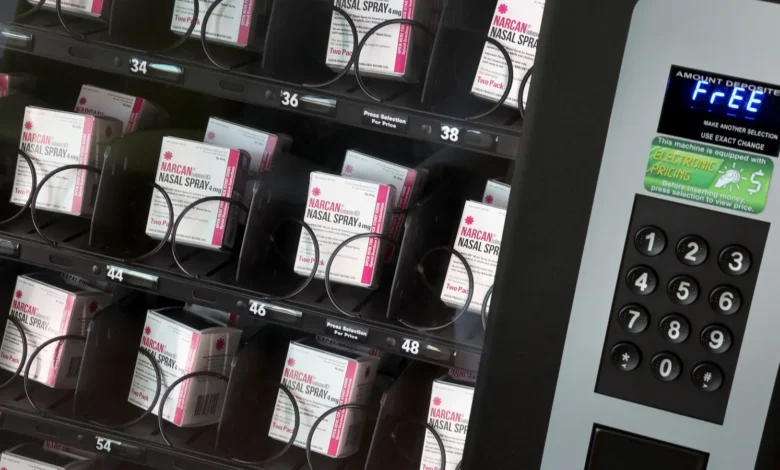
- Stocking Reversal Medications: Employers are encouraged to keep life-saving opioid reversal medications—specifically naloxone (commonly known by brand names such as Narcan) or nalmefene—readily available on-site.
- Integrating Kits with First Aid: The guidance advises treating overdose kits in the exact same manner as traditional first aid supplies. This means storing them in highly visible, clearly marked, and easily accessible locations rather than locking them away in managers’ offices or medical bays where response time could be delayed during a crisis.
- Comprehensive Symptom Education: Workers must be trained to recognize the distinct physical signs of an opioid overdose, which often include unresponsiveness, extremely slow or shallow breathing, limp body posture, blue or gray lips and fingernails, and pinpoint pupils.
- Hands-On Administration Training: Beyond mere recognition, employers should facilitate training programs that teach staff how to properly administer nasal sprays or auto-injectors safely, ensuring that bystanders can act as effective first responders before emergency medical services (EMS) arrive.
Public health advocates have long argued that mere availability of naloxone is insufficient without adequate education to dispel stigma and fear of legal repercussions. By outlining clear administrative steps, OSHA’s guidance bridges the gap between the availability of pharmaceutical interventions and their practical application in break rooms, warehouses, and corporate boardrooms.
Empirical Data: Substance Use Trends in Modern Labor Markets
The rollout of these federal guidelines coincides with rising concerns regarding substance use among American workers, as demonstrated by comprehensive labor analytics and clinical testing data. According to a July report published by clinical laboratory giant Quest Diagnostics, nearly 1 in 5 workers tested positive for drug use based on hair analysis data collected throughout 2025.
Quest Diagnostics utilizes a massive repository of U.S. workforce data, compiling results from rigorous hair and urine screenings that test for a wide array of substances, including marijuana, cocaine, opiates, amphetamines, and methamphetamine. Hair testing, in particular, offers a wider window of detection compared to traditional urine analysis, capturing chronic or historical drug usage patterns over a period of months rather than days.
Notably, the Quest report highlighted significant variances across different occupational sectors. Among the industries analyzed, opiate use and positivity rates were found to be highest among healthcare workers. This finding underscores the complex reality that substance use disorders do not discriminate by socioeconomic status, education level, or professional training; they impact highly skilled professionals in high-stress medical environments just as frequently as manual laborers in manufacturing or construction.

The intersection of high-stress professions, demanding shift work, and access to controlled substances creates unique vulnerabilities within the healthcare sector. Consequently, OSHA’s guidance serves as an urgent reminder that administrative oversight and harm reduction strategies must be implemented across all tiers of the economy, rather than being restricted to industries traditionally associated with physical hazards.
Legal and Compliance Implications for Employers
While the new OSHA guidance focuses heavily on emergency preparedness and harm reduction, employers must also navigate a complex web of federal, state, and local employment laws when managing substance use disorders in the workplace. Balancing safety compliance with employee rights is a delicate legal tightrope that requires careful navigation by human resources departments and executive leadership.
Historically, mishandling a worker’s struggle with addiction has exposed companies to significant legal liabilities, particularly under federal anti-discrimination statutes such as the Americans with Disabilities Act (ADA). A prominent example involves enforcement actions by the U.S. Equal Employment Opportunity Commission (EEOC). In a landmark case that established important legal precedent, a software company was forced to pay $80,000 to settle an EEOC disability discrimination lawsuit after firing an employee who requested and took medical leave to undergo inpatient treatment for substance abuse.
In that case, the affected employee had a documented history of opiate addiction and was actively participating in a doctor-supervised medication-assisted treatment (MAT) program. The EEOC determined that the termination violated the ADA because the employer fired the individual simply because they were "regarded as disabled" due to their addiction history and medical treatment. Federal law generally protects individuals who are in recovery and not currently engaged in illegal drug use, shielding them from workplace discrimination and guaranteeing their right to seek medical treatment without facing automatic termination.
Legal experts note that OSHA’s new overdose preparedness guidance does not alter these existing anti-discrimination protections. Instead, it creates a dual imperative for employers: they must maintain safe, drug-free workplaces while simultaneously supporting workers who seek treatment and accommodating those protected under disability laws. Companies that implement zero-tolerance policies resulting in immediate termination for individuals seeking help—or those who fail to accommodate medical-assisted treatment—risk severe legal repercussions from federal regulators.
Chronology of Federal Addiction Initiatives and OSHA’s Evolution
To fully understand the significance of the 2026 OSHA guidance, it is helpful to examine the chronological evolution of federal workplace safety policies concerning substance use and public health emergencies:

- Pre-2020: Federal workplace safety regulations primarily concentrated on traditional physical safety hazards, workplace violence, and chemical exposures. Substance abuse policies were largely left to individual corporate discretion, typically manifesting as punitive drug-testing programs and zero-tolerance termination policies.
- 2020–2023: The COVID-19 pandemic accelerated a nationwide mental health and addiction crisis. Overdose rates surged across the United States, prompting public health officials and labor advocates to petition federal agencies for harm reduction tools in non-medical workplaces, such as making naloxone universally accessible in public and commercial buildings.
- January 2026: The Trump Administration officially launches the Great American Recovery Initiative via executive actions and legislative coordination, establishing a centralized federal focus on addiction treatment, recovery housing, and workplace preparedness.
- July 2026: Quest Diagnostics releases its annual workforce drug testing report, revealing that nearly 1 in 5 workers tested positive for drug use via hair analysis in 2025, with opiate positivity notably high among healthcare professionals.
- September 25, 2026: OSHA formally releases its new workplace guidance document, integrating opioid overdose recognition, first-aid accessibility, and naloxone administration strategies into federal safety recommendations as part of the Great American Recovery Initiative.
Broader Impact and Future Outlook for American Businesses
The introduction of OSHA’s opioid preparedness guidance marks a permanent shift in how corporate America approaches employee health and safety. No longer viewed strictly as a personal or moral failing, addiction is increasingly recognized by federal regulators as a public health crisis that directly impacts workplace operations, productivity, and survival rates.
For employers, compliance in the wake of this guidance will likely require a multi-faceted approach. Beyond simply purchasing naloxone kits and placing them in break rooms, progressive organizations are updating their comprehensive emergency action plans, partnering with local public health departments for employee training sessions, and revising human resources policies to encourage workers to seek help without fear of immediate job loss or social stigma.
Furthermore, insurance providers and corporate wellness programs are anticipated to expand coverage for substance use disorder (SUD) treatment, including medication-assisted treatment (MAT) and mental health counseling. By treating addiction preparedness with the same urgency and standardization traditionally reserved for fire safety or cardiac arrest response (such as the widespread adoption of Automated External Defibrillators, or AEDs), American businesses can play a pivotal role in curbing the tragic toll of the opioid epidemic.
As the Great American Recovery Initiative continues to roll out additional phases throughout 2026 and beyond, federal agencies are expected to monitor the implementation of these workplace strategies closely. For millions of American workers, the presence of an overdose kit in the office or warehouse may soon mean the difference between life and death, turning everyday colleagues into frontline lifesavers in the battle against the fentanyl crisis.