Prime Minister Andy Burnham Dampens Expectations for Income Tax Personal Allowance Increase in Upcoming Budget

Prime Minister Andy Burnham has moved to significantly lower public and market expectations regarding a potential increase to the income tax personal allowance, following a weekend of intense speculation that such a move would anchor his government’s first Budget. The clarification from Downing Street marks a strategic pivot from comments made by the Prime Minister just days ago, which had ignited hopes among millions of taxpayers that the government might finally address the long-standing freeze on tax-free earnings. While the Prime Minister acknowledged the "frustration" of voters dealing with the cost-of-living crisis, he has now emphasized the paramount importance of fiscal discipline and the precarious state of the national finances.
The personal allowance, currently set at £12,570, has remained unchanged since April 2021. This freeze, originally implemented under a previous administration and maintained by the current government, has become a focal point of economic debate due to the phenomenon of "fiscal drag." As wages rise to keep pace with inflation, more workers find themselves pushed over the tax-free threshold or into higher tax brackets, effectively increasing their tax burden without any change to headline rates. For many, this has resulted in a net reduction in disposable income, despite receiving nominal pay raises.
The Makerfield Comments and the Subsequent Pivot
The speculation regarding a policy shift began during the Makerfield by-election campaign. Speaking to The Times, Prime Minister Burnham suggested that the concerns of voters regarding the frozen allowance had become "lodged in his mind." These remarks were widely interpreted by political analysts and the media as a signal that the Treasury was preparing to offer some form of direct tax relief in the forthcoming Budget. The prospect of an increase in the allowance was seen as a potential "rabbit out of the hat" moment to bolster public support amidst a challenging economic backdrop.
However, when questioned by reporters on Monday, the Prime Minister adopted a notably more cautious tone. While he confirmed that the personal allowance remains an issue under consideration as part of the broader Budget process, he pointedly noted the "difficult" financial circumstances the government inherited. Burnham clarified that his previous comments were intended to show "visibility of the issue" rather than to serve as a definitive policy pledge. This recalibration was further reinforced by sources close to the Prime Minister, who informed the BBC that an increase to the personal allowance is not currently part of the government’s immediate strategy for household financial relief.
The Mechanics and Impact of Fiscal Drag
To understand the weight of this decision, it is necessary to examine the impact of fiscal drag on the UK workforce. When tax thresholds are frozen during periods of high inflation, the "real" value of the tax-free allowance diminishes. According to economic data, the freeze on the £12,570 threshold since 2021 has occurred during one of the most volatile inflationary periods in decades.
If the personal allowance had been indexed to inflation (Consumer Price Index) since its last increase, it would likely be significantly higher today. By keeping it static, the government effectively collects more revenue as a percentage of GDP without having to vote for a formal tax hike. This "stealth tax" disproportionately affects low-to-middle-income earners. For an individual earning just above the threshold, a small pay rise can result in a significant portion of that increase being lost to income tax and National Insurance contributions.
Furthermore, the freeze affects the higher-rate threshold as well. As middle-income professionals receive cost-of-living pay adjustments, an increasing number are being pulled into the 40% tax bracket. This has led to calls from both business leaders and trade unions for a modernization of the tax bands to reflect the current economic reality.

The Fiscal Reality: Costs and Constraints
The primary obstacle to raising the personal allowance is the sheer cost to the Exchequer. The Institute for Fiscal Studies (IFS) has provided sobering estimates on the potential lost revenue associated with such a move. Ending the freeze and adjusting the allowance upward could cost the government between £8.5 billion and £9 billion annually.
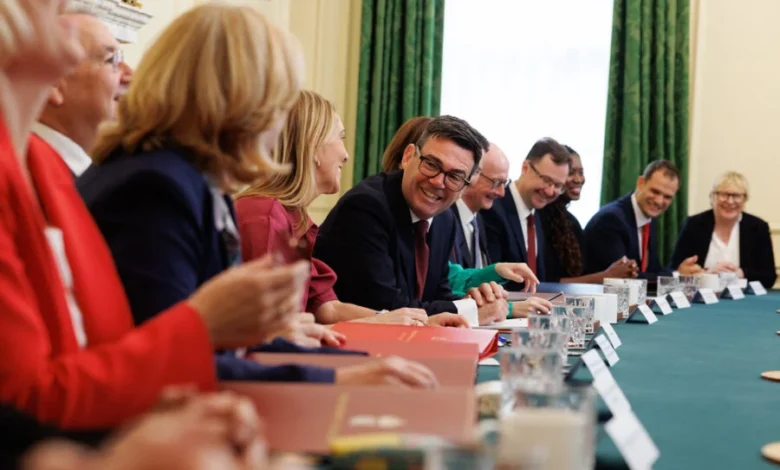
For a government committed to strict fiscal rules, finding an unallocated £9 billion is a monumental task. Prime Minister Burnham has repeatedly stressed that his administration will not play "fast and loose" with the public purse. During his first Cabinet meeting on Tuesday, he instructed ministers to demonstrate a "genuine commitment" to fiscal responsibility, warning that difficult decisions regarding spending priorities are inevitable.
The government’s options are further constrained by its 2024 manifesto commitments. Labour pledged not to increase the basic, higher, or additional rates of income tax, nor to raise National Insurance or VAT. With these major revenue levers effectively locked, the Treasury is forced to look at smaller-scale tax changes or spending cuts to fund any new initiatives. In this context, a multi-billion-pound cut to income tax via the personal allowance appears increasingly incompatible with the government’s current fiscal trajectory.
Alternative Cost-of-Living Measures
Instead of broad-based income tax cuts, the Burnham administration appears to be favoring targeted interventions designed to lower specific household costs. This approach allows the government to provide relief without the massive revenue loss associated with changing tax thresholds.
One such measure is the confirmed reduction of VAT on household electricity bills, set to take effect on October 1. The government estimates this change will save the typical household approximately £45 per year. While modest in comparison to a tax threshold shift, it represents a direct attempt to ease the burden of high energy prices.
Additionally, the government has announced a reduction in the national bus fare cap in England (outside London). The cap is set to fall from £3 to £2 starting in January. This policy is aimed at supporting lower-income workers who rely on public transport for commuting, effectively acting as a targeted subsidy for those most affected by the rising cost of travel.
Ministers have indicated that further "micro-measures" may be announced in the lead-up to the Budget. However, the Prime Minister’s recent rhetoric suggests that these will be carefully calibrated to ensure they do not jeopardize the government’s wider deficit-reduction goals.
Reactions from Stakeholders and the Opposition
The Prime Minister’s apparent retreat on the personal allowance has drawn mixed reactions across the political and economic spectrum. Advocacy groups for low-income families have expressed disappointment, arguing that the VAT cut on electricity is "a drop in the ocean" compared to the impact of fiscal drag. They contend that the lowest earners are being squeezed from both ends: rising prices for essentials and a tax system that fails to account for those increases.

On the other side of the aisle, the Opposition has accused the Prime Minister of "fiscal indecision," suggesting that the confusion over the personal allowance reflects a lack of a coherent economic strategy. Shadow ministers have pointed out that the Prime Minister’s "visibility of the issue" provides no comfort to workers whose take-home pay is being eroded month by month.
Business groups, meanwhile, remain focused on the broader implications for the labor market. High effective tax rates on marginal earnings can act as a disincentive for employees to take on extra hours or seek promotions. Human Resources professionals have noted that as businesses conduct annual pay reviews, the "tax trap" created by frozen thresholds is becoming a significant hurdle in negotiations. Employees often feel that their raises are "meaningless" once the taxman takes his share, leading to increased pressure on employers to offer even higher gross pay increases to maintain staff morale and retention.
The Road to the Budget: A Chronology of Expectations
The timeline of the government’s messaging over the past week highlights the sensitivity of the tax debate:
- Last Week: During the Makerfield by-election campaign, Prime Minister Burnham acknowledges voter anger over the personal allowance, stating the issue is "lodged in his mind." Speculation of a Budget tax cut surges.
- Weekend: Media reports suggest the Treasury is modeling various scenarios for a threshold increase.
- Monday Morning: The Prime Minister, under questioning, shifts focus to "fiscal circumstances" and "public finances," dampening the previous week’s optimism.
- Monday Afternoon: Downing Street and BBC sources confirm that a personal allowance hike is not in the "immediate" plans.
- Tuesday: Burnham holds his first Cabinet meeting, emphasizing "fiscal discipline" and the need for "difficult decisions."
This sequence of events suggests a government that is acutely aware of the political popularity of tax cuts but feels boxed in by the underlying economic data. The "reality check" provided by the Prime Minister this week is likely intended to prevent a market or public backlash if the Budget arrives without the hoped-for tax relief.
Analysis of Broader Economic Implications
The decision to maintain the freeze on the personal allowance has long-term implications for the UK economy. In the short term, it helps the Treasury meet its borrowing targets and provides a stable, if unpopular, source of revenue. However, the persistence of fiscal drag may eventually weigh on consumer spending. As a larger share of household income is diverted to the state, the "velocity of money" in the private sector could slow, potentially dampening GDP growth.
Furthermore, there is the issue of "tax transparency." Critics of fiscal drag argue that it is a less honest way of raising revenue than increasing headline rates. By allowing inflation to do the work of a tax hike, the government avoids a direct confrontation with the electorate over the size of the state and the tax burden required to fund it.
As the first Budget of the Burnham administration approaches, the focus will now shift to how the Chancellor intends to balance the books without the "easy win" of a personal allowance increase. Observers will be looking for signs of investment-led growth strategies or reforms to other areas of the tax code, such as capital gains or corporate levies, to offset the continued squeeze on individual earners.
For now, the message from Number 10 is clear: while the Prime Minister hears the frustrations of the British taxpayer, the era of "fiscal discipline" means that sympathy does not necessarily translate into immediate tax relief. Payroll departments and financial planners should prepare for the status quo to remain for the foreseeable future, as the government prioritizes the stabilization of public finances over direct intervention in the income tax system.