The Evolution of Sales Engagement: How Data and Automation are Redefining the Modern B2B Purchasing Journey


The landscape of professional sales is undergoing a profound structural metamorphosis. While industry analysts have long heralded the arrival of a "new era" for sales, the current transformation is distinct because it is fundamentally driven by the convergence of buyer-centric data and sophisticated, automated workflows. As B2B purchasing habits shift toward a fully digital, self-directed model, traditional sales methodologies—often reliant on manual outreach and intuition-based guessing—are proving increasingly ineffective. Organizations that fail to align their sales engagement infrastructure with these new realities are finding that their teams are not merely underperforming, but are fundamentally disconnected from the modern buyer’s decision-making process.
The Digital Shift in B2B Purchasing
The democratization of information through smartphones and digital platforms has permanently altered the power dynamic between vendors and buyers. Historically, the sales representative served as the primary gatekeeper of product information, research, and pricing. Today, that intermediary role has largely evaporated. Current research indicates that B2B buyers now conduct extensive independent research, formulate their own purchase criteria, and consult peer networks long before ever engaging with a vendor.
According to data from the Harvard Business Review, the modern B2B buyer journey is non-linear and committee-driven, often involving multiple stakeholders across various channels. By the time a buyer is ready to interact with a sales representative, they are often late in the decision-making cycle. This creates a "blind spot" for sales organizations that lack the intelligence to track these digital breadcrumbs. Without a sophisticated system to interpret buyer signals, sales teams resort to volume-based tactics—often mislabeled as "productivity"—which amount to little more than guessing at scale.
The Cost of Inefficiency: The Productivity Gap
When sales organizations struggle to capture elusive digital buyers, the common institutional response is to demand increased activity levels from their representatives. This "more is more" philosophy often masks systemic inefficiencies. When reps spend hours on manual data entry, navigating disparate systems, or working from outdated lead lists, their actual time spent in meaningful buyer engagement plummets.
Research into sales performance suggests that the "tug-of-war" between marketing and sales departments frequently stems from data silos. When a sales engagement platform operates as a "shadow CRM"—storing data in an isolated environment that does not reconcile with the primary source of truth—the resulting data decay leads to lead duplication, miscommunication, and a significant drop in conversion rates. The industry has reached a tipping point where the quality of the technical integration between sales engagement software and the Customer Relationship Management (CRM) system is no longer a peripheral concern; it is the primary determinant of operational success.
Redefining Integration: The Case for Native Connectivity
For sales engagement platforms like XANT’s Playbooks, the strategic imperative is to move away from the "recreate the CRM" model. Many vendors force organizations to map dozens of fields manually, a process that is not only labor-intensive but fragile. Every time the underlying CRM environment changes, these maps break, leading to downtime and the emergence of data silos.
A robust, enterprise-grade integration should be "out-of-the-box" and native. By scanning every CRM field—without arbitrary caps on data volume—a platform can provide a real-time, bidirectional sync that empowers rather than complicates the user experience. For example, when a sales representative executes a call through an integrated platform, the system should automatically log not just the fact of the call, but granular metadata: duration, ring count, campaign source, and outcome. When this data is trapped in a subject line rather than a discrete, reportable field, the organization loses the ability to perform accurate, data-driven analysis.

The Role of Automation in Speed-to-Lead
The urgency of the modern sales environment is quantified by "speed-to-lead" metrics. Independent studies consistently show that conversion rates are up to eight times higher when a lead is contacted within five minutes of an initial inquiry. Despite this, a staggering majority of inbound leads remain untouched by human representatives for hours or even days.
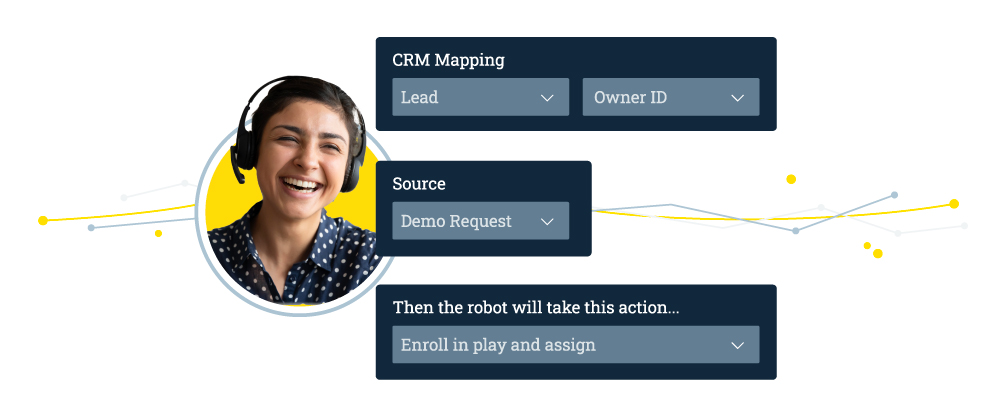
This is where "Automation Robots" are changing the calculus of sales engagement. By utilizing rule-based workflows, organizations can automate the assignment of leads to either specific owners or shared pools. If a lead is assigned to a representative who is unavailable due to illness or vacation, the system can automatically re-route that lead to ensure it does not languish in a "digital vault." This level of automation ensures that the window of opportunity—which closes rapidly in a high-velocity market—is utilized effectively.
Compliance as a Competitive Advantage
In a globalized market, compliance is no longer a legal back-office function; it is a critical component of the sales process. Regulations surrounding data privacy, call recording, and regional prospecting restrictions (such as local holidays or disaster-stricken areas) add a layer of complexity that no individual representative can be expected to navigate manually.
Advanced sales platforms now bake compliance into the architecture of their systems. By automatically enforcing rules that govern when, how, and to whom a representative can reach out, organizations can mitigate the risk of legal penalties and reputational damage. This architectural approach to compliance creates a "safety net" that allows representatives to focus on their primary objective—building relationships—without the constant, underlying anxiety of violating complex regulatory or internal process standards.
Leveraging Buyer Intelligence
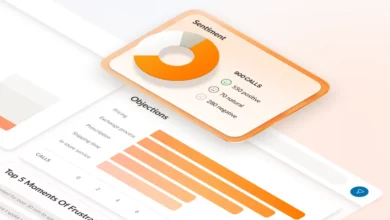
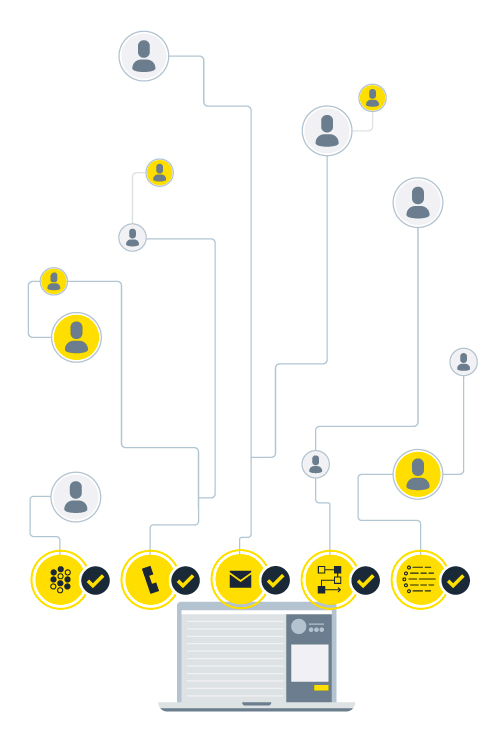
The most significant evolution in sales technology is the shift from simple process automation to true "Buyer Intelligence." This involves aggregating vast amounts of interaction data—millions of actions from thousands of sellers—to build predictive models of buyer behavior.
Through the use of artificial intelligence, systems can now identify which individuals in an organization have the most influence, which communication channels they prefer, and, crucially, the optimal time to send an email to ensure the highest likelihood of a response. When these insights are woven into the user experience, they provide a "lighthouse" for representatives navigating the fog of a complex sales cycle. Features such as "SmartSend," which predicts engagement windows, have been shown to increase contact rates by over 20%.
Implications for the Future of Sales Management
The implications of this technological shift are clear: the future of sales is surgical rather than brute-force. Managers are increasingly moving away from tracking vanity metrics—such as total emails sent—toward tracking "outcome-based" metrics that reflect actual deal progression.
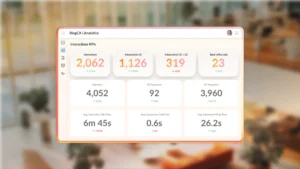
By pre-loading CRM environments with custom reporting packages, companies can now gain visibility into team performance in real-time. This allows managers to pivot from being "data janitors"—who spend their time cleaning and organizing information—to being "performance coaches" who can provide actionable, data-backed guidance to their teams.

As we look toward the next decade of digital selling, the distinction between high-performers and the rest of the field will be defined by their adoption of these intelligent, automated systems. The era of the "lone wolf" salesperson working in a vacuum is effectively over. In its place is a collaborative, data-rich ecosystem where the technology acts as a force multiplier, ensuring that every touchpoint with a buyer is relevant, compliant, and timely.
For the modern enterprise, the directive is to simplify the tech stack, focus on the quality of integrations, and lean into automation to handle the administrative burden. In doing so, organizations can reclaim the time and focus necessary to foster genuine human connections, ultimately leading to more predictable revenue and sustainable long-term growth. The technology to facilitate this is already here; the challenge for leadership now lies in the cultural shift toward a more intelligent, automated, and buyer-centric methodology.