Scaling Your Ecommerce Operations with WooCommerce Multisite: A Comprehensive Strategic Guide

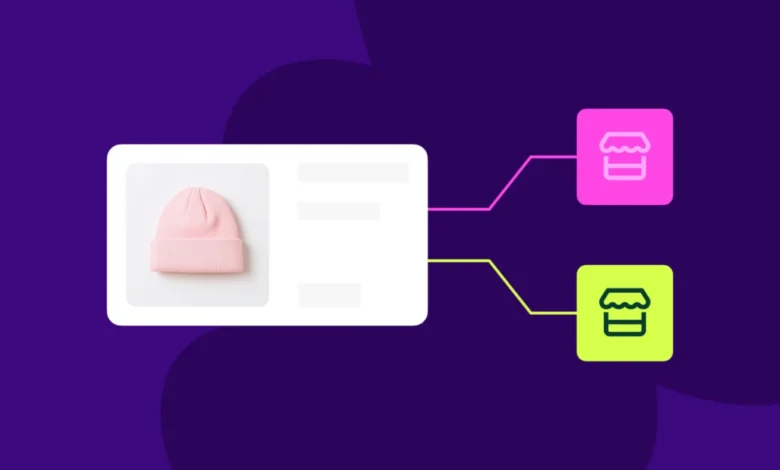
As digital commerce continues to evolve, businesses are increasingly moving beyond the single-store model. Whether a company is launching a secondary brand, expanding into international territories, or establishing dedicated wholesale portals, the complexity of managing multiple digital storefronts often creates significant operational friction. WordPress Multisite, a powerful native feature of the WordPress ecosystem, has emerged as the industry-standard solution for enterprises looking to harmonize these disparate storefronts under a unified administrative umbrella. By utilizing a single WordPress installation to power a network of interconnected sites, organizations can streamline maintenance, standardize design protocols, and optimize resource allocation without sacrificing the autonomy required for individual brand identities.
The Evolution of Multisite Architecture
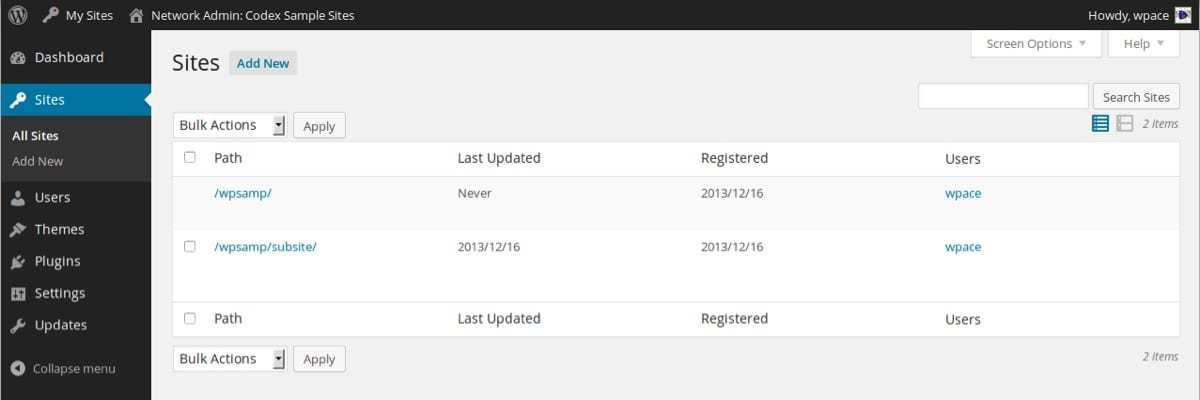
The concept of WordPress Multisite—originally known as WordPress MU—began as a specialized fork of the software designed to allow users to create a network of blogs. Since its integration into the WordPress core in 2010 with version 3.0, the architecture has matured into a robust enterprise-grade solution. In the context of modern ecommerce, this functionality allows a "Super Admin" to manage a network of WooCommerce storefronts from one dashboard.
Historically, businesses managing multiple stores faced the "silo effect," where each site existed as an entirely separate technical entity. This required individual updates for themes, plugins, and core WordPress files, leading to increased technical debt and security risks. With a modern Multisite implementation, a central administrator can push security patches and feature updates across the entire network simultaneously. This shift in management strategy represents a significant move toward operational efficiency, particularly for retailers managing seasonal campaigns or localized storefronts that share a core technological stack.
Strategic Considerations: Integration vs. Independence
Before migrating to a Multisite network, stakeholders must perform a rigorous audit of their operational requirements. The decision to consolidate should be driven by the degree of overlap between storefronts. If a business operates several regional sites—for example, separate stores for the United Kingdom, Japan, and the United States—the benefits of a shared core are self-evident. Each storefront can maintain distinct language, currency, tax, and shipping configurations while benefiting from a unified maintenance workflow.
However, the architecture requires a clear distinction between shared assets and unique identifiers. A comprehensive audit should categorize business operations into three buckets: Shared, Unique, and Connected.
- Shared Assets: These include the WordPress core, theme frameworks, plugin repositories, and hosting infrastructure. Sharing these components ensures that a consistent brand design language and security posture are maintained across the network.
- Unique Identifiers: These consist of specific product catalogs, pricing structures, customer databases, and local regulatory compliance settings. These elements remain siloed by design, ensuring that a customer in one region does not inadvertently encounter pricing or shipping terms intended for another.
- Connected Elements: These are features that may be synchronized across sites, such as cross-selling data, loyalty program rewards, or consolidated reporting.
Domain Strategy and SEO Implications
A critical technical decision that must be finalized during the planning phase is the domain structure. The architecture of a Multisite network allows for three distinct configurations: subdirectories (e.g., example.com/uk), subdomains (e.g., uk.example.com), or fully mapped domains (e.g., example.co.uk).
From an SEO perspective, the implications of these choices are significant. Search engines interpret these structures as part of the broader domain authority of the main site. Using mapped domains is often the preferred choice for distinct brands, as it allows each site to build its own reputation and rank independently while still being managed from the central network. Subdirectories are generally more effective for regional expansion under a single, strong global brand, as they consolidate the link equity of the primary domain.
Switching these structures after deployment is a complex process that carries a high risk of broken links and lost search rankings. Consequently, businesses are advised to conduct a thorough SEO impact analysis before initiating the network installation. Furthermore, when stores share overlapping product content, canonical URLs must be implemented to prevent search engines from penalizing the network for duplicate content.
Technical Infrastructure and Database Management
Behind the scenes, a Multisite network utilizes a shared database, but WordPress employs a sophisticated system of separate site tables to ensure data integrity. While the database is shared, the data itself is partitioned. This allows for high-performance management while keeping the individual store data distinct.
However, this architecture does not automatically synchronize commerce-specific data like inventory levels. For example, if a business sells a limited-edition item across three different storefronts in the network, the inventory count does not automatically decrease across all sites when a purchase is made on one. To solve this, businesses must employ synchronization extensions. These tools function as middleware, connecting the individual site databases to ensure that product availability is accurate in real-time. Failure to integrate these sync tools can lead to overselling and inventory management disasters.
When to Opt for Separate Installations
Despite the efficiency of Multisite, it is not a universal solution. There are specific scenarios where separate WordPress installations are more appropriate. If two storefronts are operationally divergent—perhaps one is a direct-to-consumer fashion brand while the other is a B2B industrial parts supplier—the requirement for different plugins, custom integrations, or security configurations may exceed the capacity of a single network.
Furthermore, if the storefronts are managed by different teams with different risk appetites, a shared infrastructure could be a liability. In a Multisite environment, a single, poorly configured plugin or a faulty update could potentially impact all sites in the network. For enterprises with high-security requirements or those that need to perform radical, site-specific code modifications, separate installations provide the necessary isolation.
Professional Assessment and Scaling
According to industry analysts and core contributors like James Kemp of WooCommerce, the key to a successful implementation lies in "identifying what your store can share, keep separate, or connect." Organizations should view their ecommerce ecosystem not as a rigid structure, but as a flexible framework.
Data from recent retail performance metrics suggests that businesses utilizing a centralized management approach for multiple storefronts see a reduction in operational overhead of approximately 30-40% in the first year of implementation. This is primarily attributed to the reduction in redundant administrative tasks and the streamlining of security maintenance.
Implementation Checklist for Stakeholders
To guide the transition, stakeholders should evaluate their needs against the following operational criteria:
- Operational Cohesion: Are the stores part of the same parent company? If yes, the efficiencies of a shared backend will likely outweigh the complexities of a Multisite setup.
- Technical Compatibility: Do all stores require the same hosting environment, plugin sets, and security patches? If the requirements are wildly divergent, the risks of a shared infrastructure may be too high.
- Resource Management: Does the team have the expertise to manage a network-level configuration? Multisite requires a higher level of technical oversight than a standard single-site install.
- Hosting Support: It is imperative to consult with the hosting provider regarding their support for Multisite. Issues like traffic spikes, backup frequency, and disaster recovery must be addressed at the network level rather than the site level.
Broader Market Impact
The shift toward Multisite architectures reflects a broader trend in ecommerce: the professionalization of the "multi-brand" strategy. As retailers look to dominate niche segments without diluting their primary brand, the ability to spin up, manage, and scale distinct storefronts has become a competitive advantage. By leveraging the flexibility of the WordPress ecosystem, brands can now launch, test, and optimize multiple digital properties with a level of agility that was previously available only to companies with massive custom-built platforms.
As the digital landscape becomes increasingly saturated, the winners will be those who can balance the need for localized, hyper-relevant customer experiences with the operational necessity of centralized, scalable technology. Multisite provides the bridge between these two worlds, offering a path for growth that is both sustainable and efficient. For businesses currently feeling the strain of managing multiple independent sites, the transition to a unified network is not just a technical upgrade—it is a fundamental shift in how they scale their presence in the global digital economy.
As the technology continues to advance, the integration between core WordPress functionality and ecommerce-specific extensions will likely become even more seamless, further lowering the barrier to entry for retailers looking to expand their reach. Whether through localized content, specialized catalogs, or regionalized payment gateways, the goal remains the same: to deliver the right product to the right customer, wherever they are in the world, on a platform that is as robust as it is flexible.