Why Cold Calling Remains the Primary Engine of Sales Performance Despite Psychological Barriers

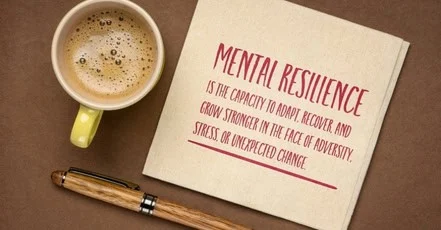
The practice of cold calling—proactively contacting potential customers who have had no prior interaction with a salesperson—remains a cornerstone of professional sales strategy, despite persistent debates regarding its efficacy in the digital age. While modern marketing emphasizes inbound lead generation and social selling, empirical data from sales performance organizations indicates that the act of initiating unrequested contact remains the most reliable method for controlling one’s own sales pipeline. However, the professional discipline is frequently undermined by "call reluctance," a psychological phenomenon that manifests as a physical and emotional aversion to the prospect of rejection.
Understanding the neurological basis for this aversion is critical to evaluating its impact on corporate revenue. Research in behavioral psychology suggests that the human brain processes social rejection through the same neural pathways as physical pain. When a sales representative experiences a hang-up or a blunt refusal, the amygdala—the brain’s alarm system—triggers a fight-or-flight response. This physiological reaction, characterized by elevated cortisol levels, increased heart rate, and heightened anxiety, creates a barrier that even seasoned professionals must manage throughout their careers.
The Evolution of Sales Prospecting and the Myth of Obsolescence
The narrative that "cold calling is dead" has circulated within the industry for over a decade, often fueled by the rise of automation and email marketing. Proponents of this view argue that unsolicited contact is intrusive and yields diminishing returns in a data-saturated market. Conversely, analysis from industry experts suggests that this sentiment is often a manifestation of avoidance behavior. Organizations that have successfully integrated cold calling into their broader prospecting frameworks report that the strategy is not failing due to market changes, but rather due to a lack of mental fortitude and standardized training among sales teams.
Historically, the transition from cold outreach to digital-first engagement has created a gap in skill sets. In the 1990s and early 2000s, cold calling was the industry standard. By 2015, the shift toward inbound marketing led many companies to de-emphasize phone-based prospecting. Today, the pendulum is swinging back. As the cost of digital leads increases and the efficacy of email open rates declines, top-performing firms are returning to "fanatical prospecting" as a primary method for capturing market share.
Neurological Factors and the Physiology of Rejection
The resistance to cold calling is not a character flaw, but rather an evolutionary trait. For early humans, group acceptance was a prerequisite for survival; being ostracized by the "tribe" was effectively a death sentence. Consequently, the human brain is hardwired to avoid situations that risk social exclusion. In a contemporary corporate setting, a prospect’s rejection—even a mundane "not interested"—is interpreted by the nervous system as a social threat.
This internal conflict is often masked by "productive procrastination." Sales representatives may spend hours refining CRM data, drafting elaborate emails, or conducting excessive background research on a target account. While these tasks are work-related, they often function as a displacement activity, allowing the salesperson to avoid the immediate discomfort of picking up the phone. Recognition of this pattern is the first step toward professional development. By identifying the "protection program" the brain is running, individuals can consciously override the impulse to seek comfort, thereby increasing the volume of meaningful interactions.
The Delayed Reward Paradox in Sales Cycles
One of the most significant challenges in maintaining a consistent cold calling schedule is the temporal disconnect between effort and reward. Unlike digital advertising, which provides near-instantaneous feedback loops, cold calling requires a long-term investment. A salesperson may dedicate a morning to high-volume dialing and navigate numerous gatekeepers, only to see the financial benefit of those efforts materialize 90 to 120 days later.
This "delayed reward" cycle mirrors the discipline required in physical fitness. Just as a single gym session does not yield immediate muscle growth, a single day of prospecting does not guarantee a filled pipeline. The attrition rate in sales departments often peaks when new hires fail to see immediate results, leading them to conclude that the activity itself is ineffective. Data consistently shows that the highest-performing sales organizations maintain rigorous, non-negotiable "call blocks" regardless of daily outcomes, viewing the cumulative volume of calls as a long-term asset rather than a short-term gamble.
Strategic Frameworks for Resilience and Performance
To mitigate the psychological strain of cold calling, industry leaders advocate for the implementation of structured, data-backed methodologies. These strategies are designed to depersonalize the process and transform it into a predictable routine:
- Establishing Sacred Call Blocks: Professional sales teams are encouraged to designate specific windows of time solely for outbound dialing. During these blocks, all other distractions—including email and administrative tasks—are eliminated. This removes the decision-making burden from the salesperson, turning the act into a scheduled obligation rather than an optional choice.
- Targeting and List Quality: Randomly dialing a list of unqualified prospects is a primary driver of burnout. By utilizing high-intent data and focusing on a niche market where the product or service provides clear value, the rate of positive engagement increases. A higher success rate in conversations naturally reduces the psychological weight of the rejection rate.
- The "One More Call" Discipline: This practice involves committing to a single additional dial at the end of every work block or day. Beyond the statistical advantage of securing additional appointments, this habit serves a psychological purpose: it provides the individual with a sense of agency and control over their own productivity, effectively building "obstacle immunity."
- Standardizing Messaging: Much of the anxiety associated with cold calling stems from the fear of not knowing how to respond to objections. Utilizing proven scripts and word-for-word opening lines provides a safety net for the caller, reducing the cognitive load and allowing for more natural, confident conversations.
Broader Implications for Organizational Growth
The ability to successfully execute cold outreach is a defining characteristic of high-growth companies. Relying solely on inbound leads creates a dependency on marketing efficacy and external market conditions. Conversely, companies that empower their staff to master the phone possess a competitive advantage: they can scale their revenue generation independently of market sentiment.
Furthermore, the integration of cold calling into a broader, multi-channel strategy provides a hedge against volatility. While digital marketing efforts can be disrupted by algorithm changes or shifts in platform policy, the direct line of communication between a salesperson and a prospect remains under the company’s control.
Conclusion: The Future of Prospecting
The evidence suggests that while the tools of the trade will continue to evolve, the necessity of human-to-human connection will persist. The "death" of cold calling is a narrative that ignores the fundamental requirement of business development: the need to initiate contact. As the market becomes increasingly crowded with automated messaging, the value of a live, prepared, and resilient salesperson who can navigate a conversation with a stranger becomes more, not less, significant.
Ultimately, the distinction between those who thrive in sales and those who struggle is rarely a matter of raw talent or superior technology. It is a matter of resilience. By treating the fear of rejection as a biological signal to be understood rather than a warning to stop, sales professionals can build the mental muscle necessary to sustain long-term growth. The process is not designed to be comfortable; it is designed to be effective. For those willing to accept the discipline, the reward is a predictable, scalable, and self-sustained career in one of the most vital functions of the global economy.
Related posts: