The Comprehensive Review of Meta and Facebook Platform Updates: 2021–2022 Transformations

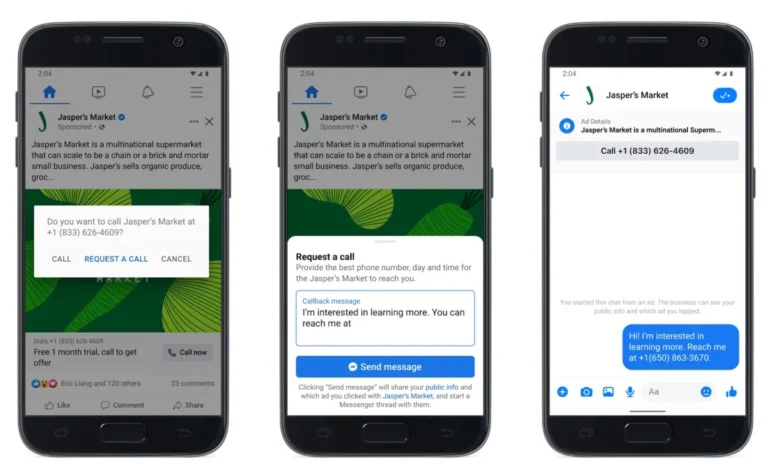
The digital advertising and social media landscape experienced a period of profound restructuring across 2021 and 2022, led primarily by Meta Platforms, Inc. As the parent company of Facebook, Instagram, WhatsApp, and Oculus, Meta aggressively pursued a dual strategy: tightening brand safety and privacy frameworks in the wake of mounting regulatory and consumer pressure, while simultaneously accelerating automated ad optimization and short-form video monetization. This comprehensive review examines the critical updates, platform transitions, policy enforcement measures, and commercial shifts that defined Meta’s ecosystem during this volatile two-year period.

The Corporate Rebrand to Meta and the Strategic Push Toward the Metaverse
The foundation for Meta’s multi-year pivot was formally laid in October 2021, when the corporation officially rebranded from Facebook, Inc., to Meta. Chief Executive Officer Mark Zuckerberg utilized the corporate restructuring to signal a long-term strategic commitment to the "metaverse"—a nascent digital ecosystem blending virtual reality (VR), augmented reality (AR), and persistent 3D virtual spaces.
Despite accumulating substantial financial losses exceeding $36 billion in its Reality Labs division by late 2022, Meta maintained aggressive capital expenditure schedules for hardware development, such as the Oculus (subsequently Meta Quest) line, and virtual spaces like Horizon Worlds. To stimulate developer and creator activity within these immersive environments, Meta introduced initial monetization programs in April 2022, allowing virtual world creators to sell digital items and effects. However, commercial success in the consumer VR space remained a long-term proposition, forcing the company to continually balance its speculative metaverse investments with its core cash-generating advertising engine.
Algorithmic Adaptation and the Arrival of Apple’s App Tracking Transparency
The most disruptive commercial challenge for Meta’s advertising infrastructure arrived in April 2021 with Apple’s rollout of iOS 14.5 and its App Tracking Transparency (ATT) framework. By requiring explicit user consent to track activity across third-party apps and websites, the update fundamentally disrupted the data-feedback loops upon which digital advertisers relied for conversion tracking and precise retargeting.
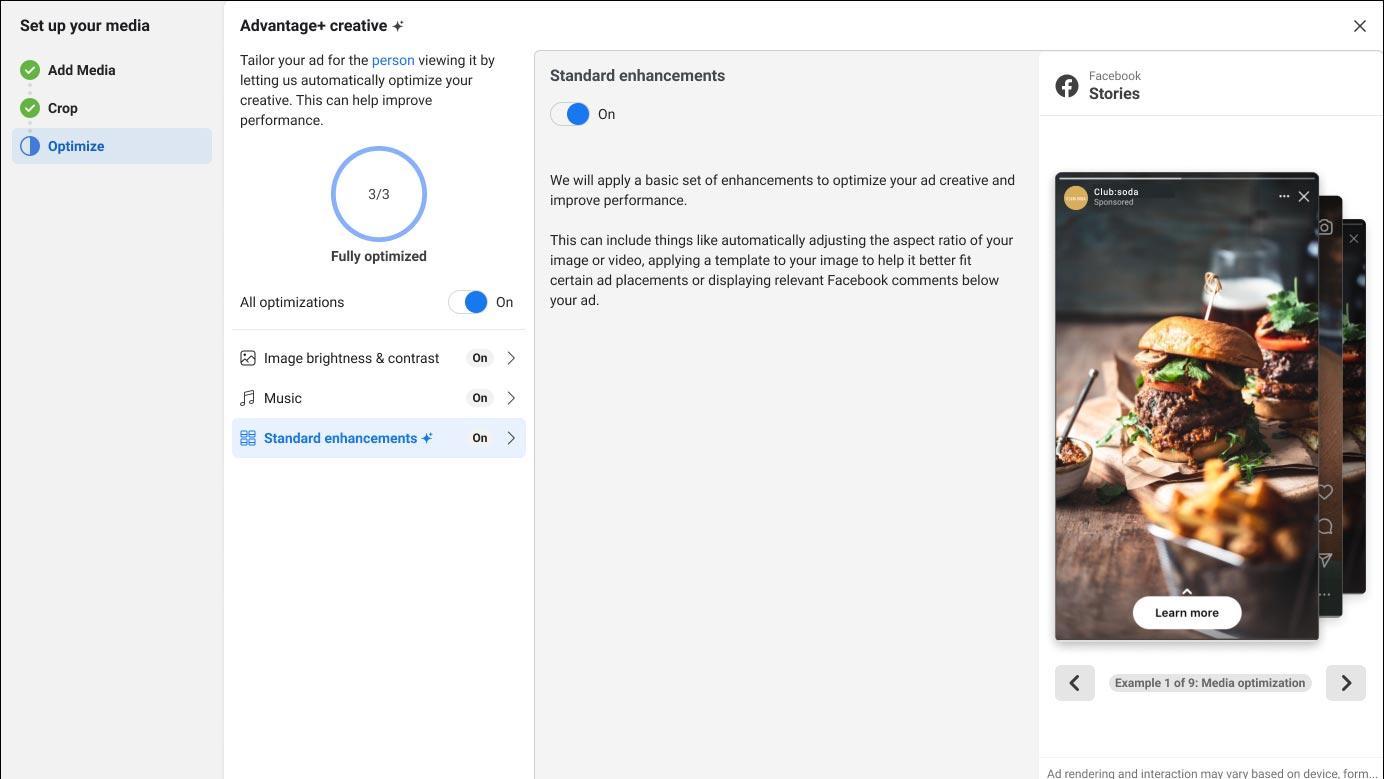
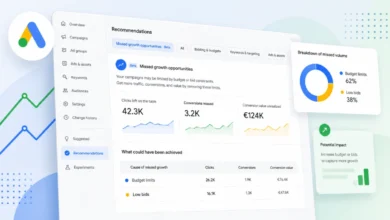
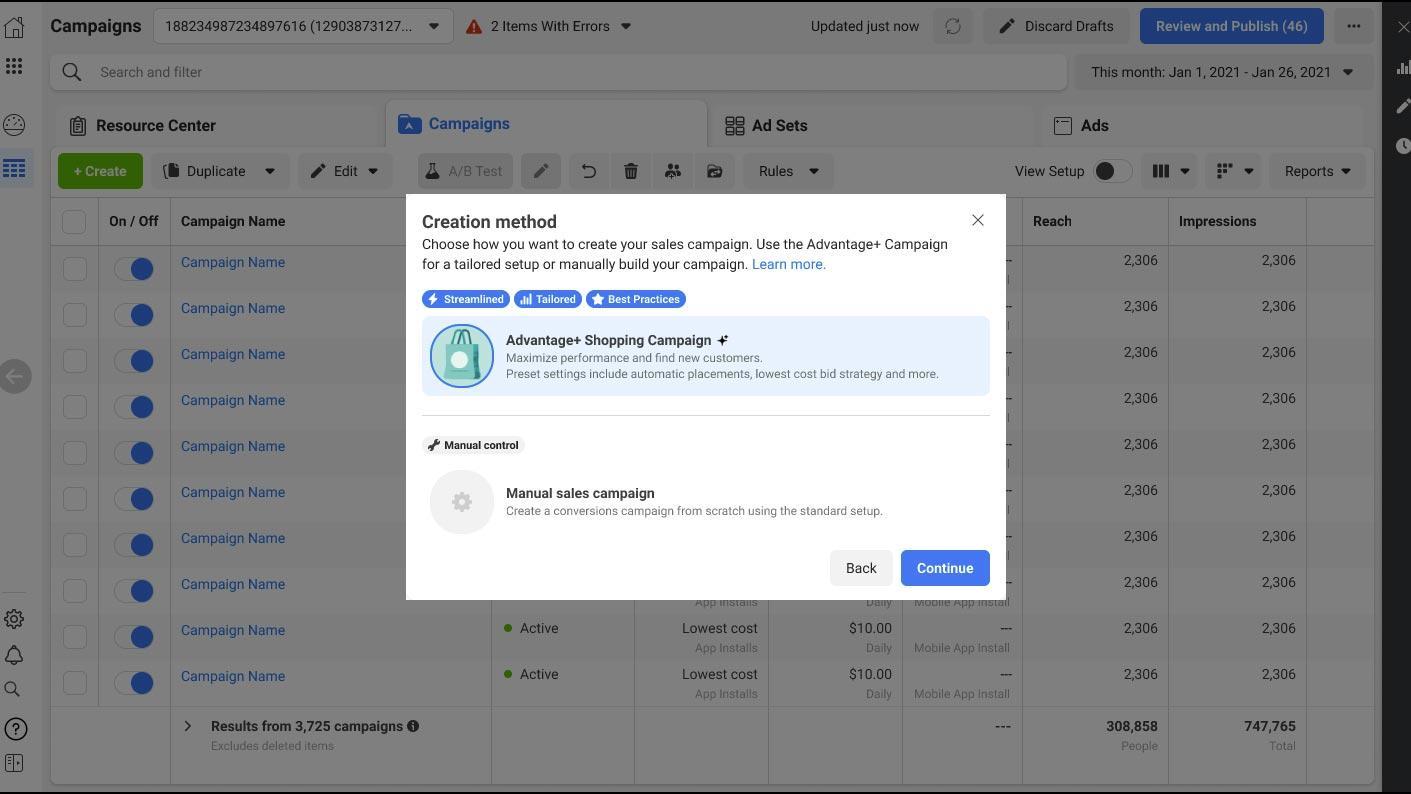
Meta responded by systematically overhauling its automated advertising suites. Throughout 2021 and 2022, the company consolidated its machine-learning products under the unified Meta Advantage suite, which included Advantage+ Shopping campaigns and Advantage+ audience targeting. These automation-heavy tools leveraged machine learning to generate and split-test up to 150 creative variations simultaneously, mitigating the loss of granular tracking data by predicting consumer intent and optimizing ad delivery dynamically. Internal testing released by Meta indicated that these automated campaigns frequently achieved lower cost-per-acquisition metrics compared to traditional manual setups, proving crucial for advertisers navigating the post-ATT landscape.
Short-Form Video Dominance: The Rise of Reels and Algorithmic Feeds
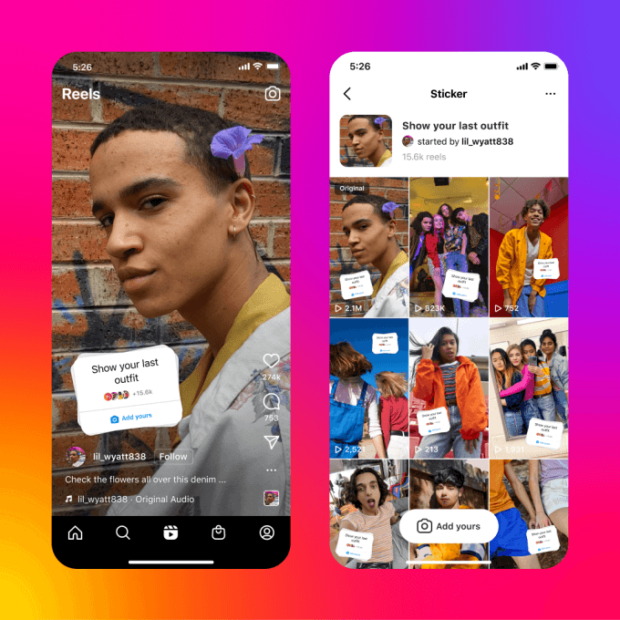
Faced with intense competitive pressure from TikTok, Meta executed a massive strategic pivot toward short-form, vertical video via Reels. Originally popularized on Instagram, Reels were systematically deployed across the entire Meta family of apps, culminating in their global launch on Facebook in February 2022.

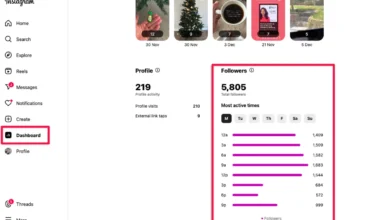
The integration of Reels fundamentally altered user feeds and content discovery mechanics. By mid-2022, Meta altered its core video infrastructure on Instagram, automatically converting standard video posts under 15 minutes into Reels and merging the traditional Video and Reels profile tabs. To drive adoption, the company introduced comprehensive analytics, desktop and mobile scheduling capabilities via Creator Studio, and cross-posting functionalities between Instagram and Facebook.

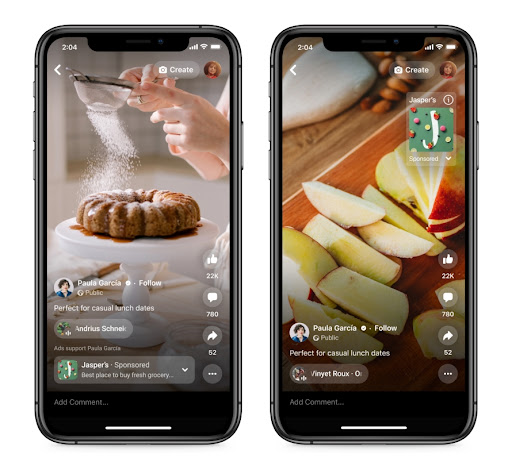
Concurrently, the monetization infrastructure for short-form video expanded rapidly. Meta rolled out Reels Overlay Ads—featuring clickable banners and interactive stickers—alongside creator-focused revenue streams such as "Stars on Reels" and expanded in-stream ad placements. Furthermore, the company phased out legacy formats like Facebook Live Shopping in October 2022 to concentrate capital and user attention squarely on the high-engagement Reels ecosystem.

Evolution of Social Commerce and Direct-In-Chat Transactions
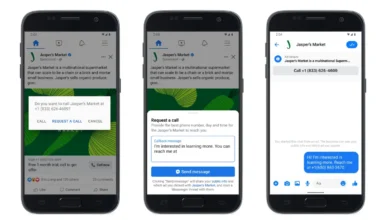
Recognizing the shift toward conversational commerce, Meta significantly expanded its suite of on-platform shopping and payment tools between 2021 and 2022. The objective was to eliminate friction in the buyer journey, allowing consumers to discover, evaluate, and purchase products entirely within Meta’s applications.

Key commercial milestones included:
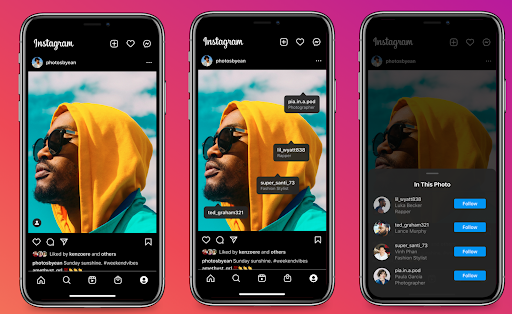
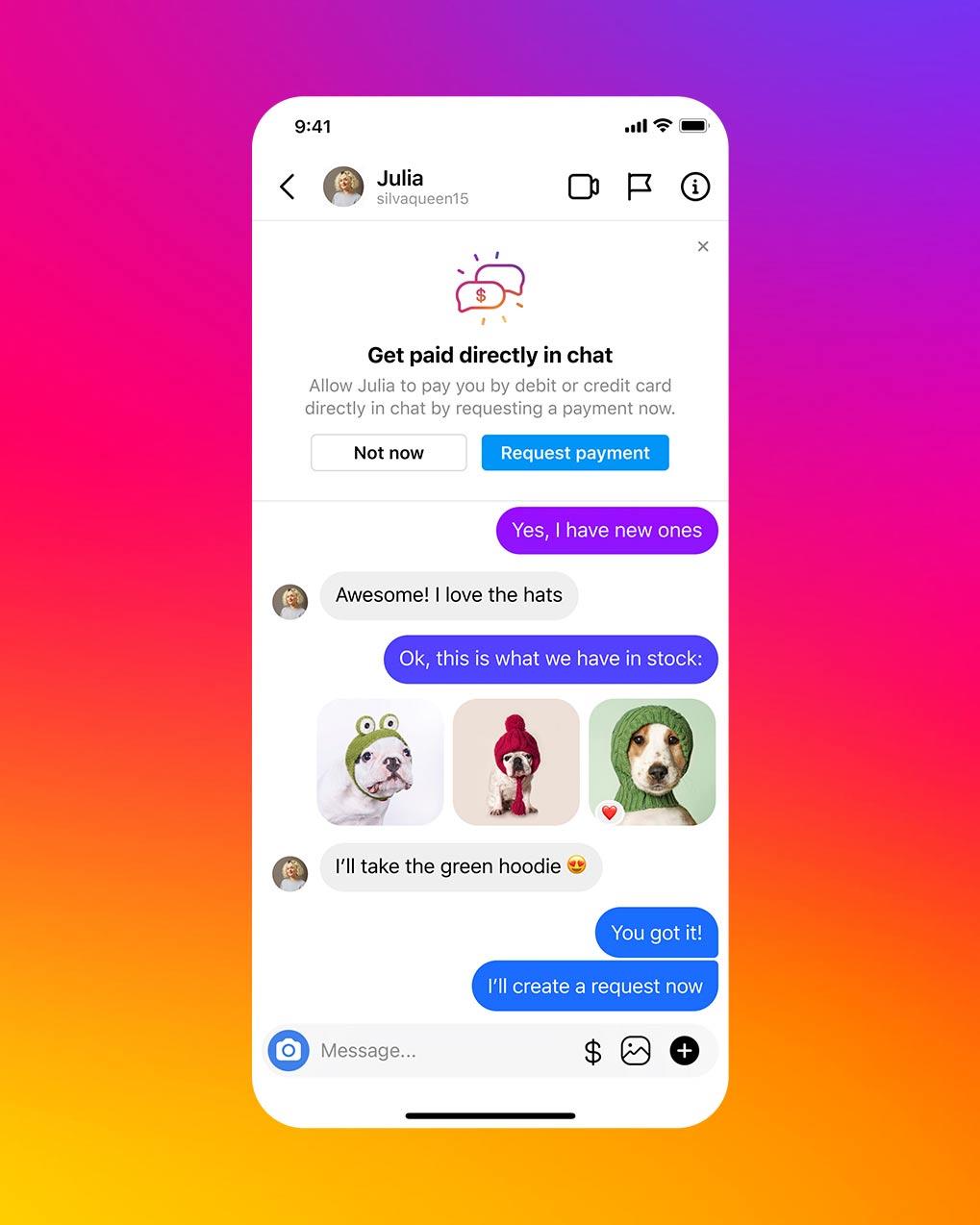
- Instagram Payments in Chat: Rolled out in late 2022, this feature allowed eligible business accounts to accept payments directly within Instagram Direct Messages, empowering merchants to close sales and send invoices without redirecting customers to external web browsers.
- Expansion of Facebook Pay: Extended off-site to third-party e-commerce platforms, beginning with Shopify merchants, facilitating rapid checkouts.
- Local Delivery Collaborative Ads: Launched globally to connect local brick-and-mortar stores and consumer packaged goods brands with local delivery services, displaying real-time inventory and pricing directly within advertisements.
- Creator Marketplace: Introduced in mid-2022 as an invite-only test before wider rollouts, providing brands with a centralized dashboard to discover, vet, and collaborate with digital creators based on audience demographics and engagement metrics.
Brand Safety, Policy Enforcement, and Privacy Milestones
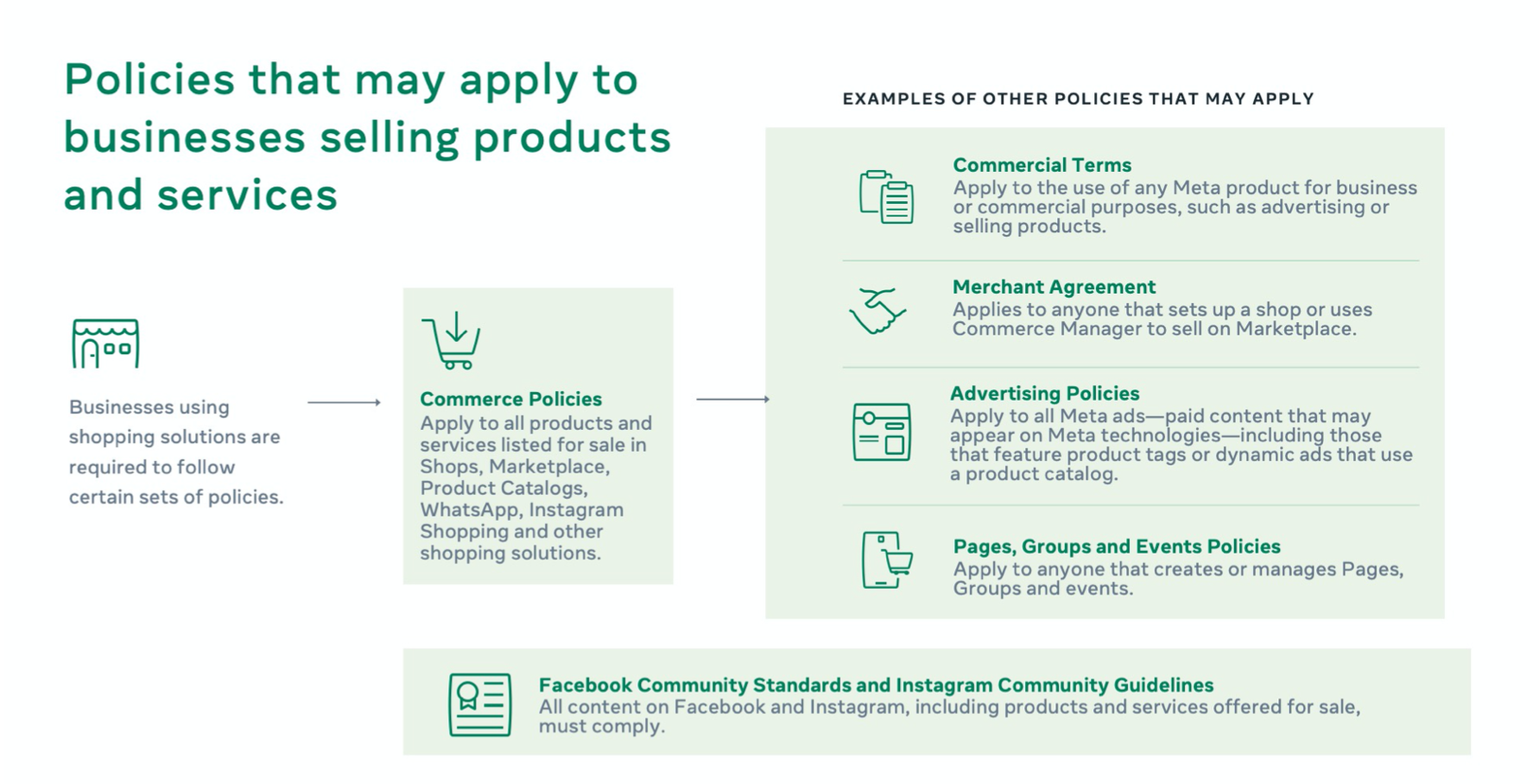
As regulatory scrutiny regarding platform integrity intensified globally, Meta invested heavily in automated moderation and independent third-party audits. A major validation of these efforts occurred in November 2022, when Meta received accreditation from the Media Rating Council (MRC) for content-level Brand Safety on Facebook, evaluating its Partner and Content Monetization Policies across Instant Articles and In-Stream video.
Simultaneously, Meta adjusted its policies regarding sensitive content categories. In December 2021, the company expanded eligibility criteria for cryptocurrency advertisers by accepting 27 distinct regulatory licenses, stabilizing a sector that had previously faced blanket advertising restrictions. Furthermore, Meta refined its approach to social issue ads in late 2021, ruling that commercial advertisements primarily intended to sell a product or service would no longer be classified as advocacy or social issue ads, thereby exempting them from cumbersome authorization disclaimers ("Paid for by") provided they met specific sales-focused criteria.
In a significant move regarding biometric data, Meta announced in November 2021 that it would permanently shut down its facial recognition system on Facebook, deleting the individual face templates of over a billion users amid rising societal and regulatory concerns over privacy.
Community Building, B2B Targeting, and Small Business Support
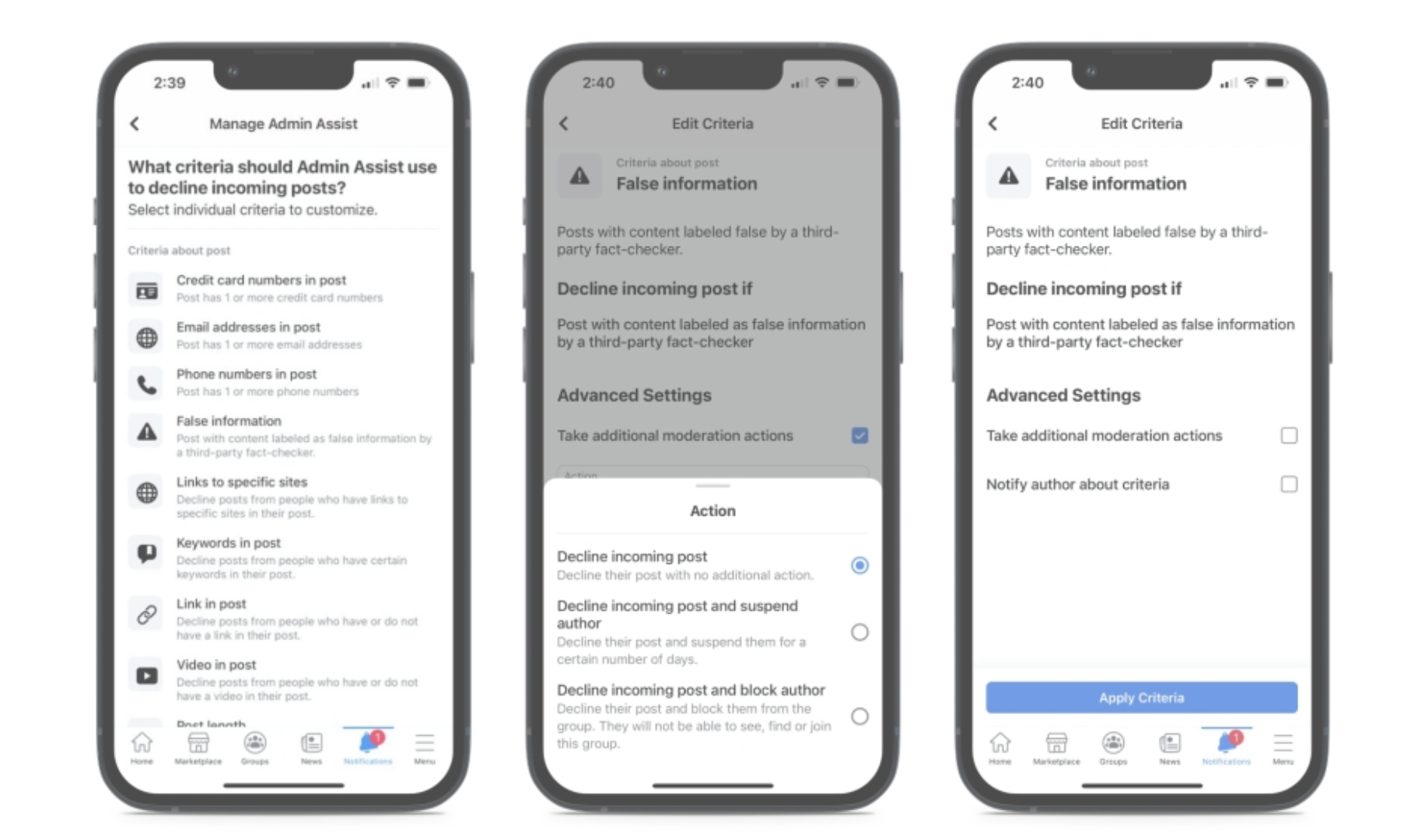
Throughout 2022, Meta reinforced its commitment to community-driven engagement by introducing advanced administrative tools for Facebook Groups. These included expanded automated moderation capabilities via "Admin Assist," subscription-based group monetization models, and enhanced content visibility within main user feeds.
To address the enterprise market, Meta updated its B2B targeting parameters, introducing granular audience segments based on verified on-platform job titles and professional interests. Additionally, acknowledging the disproportionate economic challenges faced by small and medium-sized businesses during the pandemic recovery, Meta launched targeted educational resources such as Small Business Studios, dedicated funding programs, and advisory initiatives through the rebranded Meta Pro Team.
Analytical Implications for Digital Marketers
The cumulative trajectory of Meta’s updates across 2021 and 2022 underscores a definitive shift away from manual, highly targeted audience curation toward automated, AI-driven asset delivery and immersive video formats. Advertisers operating within the Meta ecosystem must increasingly relinquish granular control over manual targeting, trusting machine-learning algorithms to identify and convert high-value prospects.
As native shopping features, conversational messaging, and short-form video formats cement their status as core infrastructure, brands must adapt their creative strategies to prioritize mobile-first, vertical storytelling. Ultimately, Meta’s strategic evolution reflects a calculated adaptation to a privacy-first regulatory environment, positioning automated performance marketing and immersive digital communities as the twin pillars of its commercial future.