The escalating crisis of youth economic inactivity in the United Kingdom has reached a critical juncture, prompting a stark warning from government adviser and former Health Secretary Alan Milburn. As the lead on an independent government review into youth worklessness, Milburn has identified the prevalent "fit note culture" as a primary driver of a "life chances disaster." His critique focuses on the structural ease with which young individuals are removed from the labor market, a process he argues creates a cycle of long-term dependency that is difficult to reverse.
The Anatomy of the Fit Note Crisis
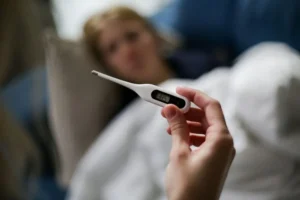
At the heart of the debate is the medical certification process. NHS data suggests that nearly one million fit notes for mental health issues were issued by GPs within the last year alone. Milburn’s investigation, bolstered by recent field research conducted during a visit to the Netherlands, highlights a fundamental systemic flaw: the transition from employment to welfare is far too frictionless.
Once a young person is signed off, the probability of them transitioning into long-term health and disability benefits increases significantly. Statistical projections cited by the review indicate that a young person entering the welfare system today faces a 50 percent chance of remaining on health-related benefits fifteen years into the future. This "stickiness" of the welfare state, as described by Milburn, suggests that the initial medical intervention, intended to support health, often acts as a gateway to permanent economic exclusion.
Chronology of Growing Concern
The scrutiny surrounding GP fit notes has intensified over the past eighteen months as post-pandemic labor market data revealed a stubborn rise in inactivity among 16 to 24-year-olds.
- Early 2024: Reports from the Office for National Statistics (ONS) confirmed that the number of young people categorized as NEET (Not in Education, Employment, or Training) had reached nearly one million, with mental health being the most cited reason for worklessness.
- Mid-2024: A comprehensive investigation by the BBC, surveying over 750 general practitioners, revealed a systemic inability to gatekeep the sick note process. Approximately 72 percent of surveyed doctors admitted they had never refused a patient’s request for a sick note related to mental health, citing a lack of resources and time to conduct rigorous assessments.
- Late 2024: The government launched an independent review, led by Alan Milburn, to address the structural barriers preventing young people from entering the workforce.
- Present Day: The review has begun to draw direct comparisons between the UK’s approach and that of the Netherlands, where youth unemployment and inactivity rates are significantly lower, currently hovering below 5 percent compared to the UK’s 13.6 percent.
The Societal Cost of Premature Diagnosis
Milburn’s central argument is not that health conditions are invalid, but that the automatic correlation between a diagnosis and an inability to work is a societal failure. The modern trend of medicalizing common stressors or neurodivergent traits such as ADHD—without offering robust workplace accommodations—is, according to the review, closing doors that should remain open.

"Just because you have a condition, or even just because you have the diagnosis, should not mean you aren’t able to work," Milburn stated. The concern is that by labeling these individuals as "unfit" at the outset of their careers, the state is inadvertently lowering expectations and stripping young people of the resilience-building experiences that come with professional life.
Perspectives from Mentorship and Industry
Adding weight to the government’s investigation, former England football manager Sir Gareth Southgate has lent his support to the review’s findings. Drawing on his experience managing young talent and his observations of those with ADHD and autism, Southgate argued that the current discourse surrounding these conditions is overly pessimistic.
Southgate emphasized that when provided with appropriate education and professional environments, individuals with neurodivergent traits often demonstrate unique and valuable qualities. However, he stressed that these individuals need more than just a job; they need mentorship. His critique extended to the rise of remote work, which he suggests has eroded the traditional support structures that help young people navigate the complexities of early-career development.
"If you’re a youngster, you need those mentors, the people that are going to look out for you, when all those complicated things happen to you as a youngster," Southgate noted. The absence of face-to-face guidance in many modern, remote-heavy workplaces may be exacerbating the isolation that leads many young people to seek fit notes in the first place.
Economic Implications and Policy Shifts
The fiscal implications of this trend are substantial, but the human cost is the primary focus of the ongoing review. The UK faces a productivity gap that is inextricably linked to its high levels of youth inactivity. When nearly one million young people are excluded from the labor market, the loss to the economy in terms of tax revenue and national output is compounded by the rising costs of social security support.
The government is now under pressure to reform the fit note system. Potential policy shifts being discussed include:

- Work-Focused Certification: Replacing standard sick notes with "return-to-work" plans that mandate collaboration between the employer, the employee, and the medical provider to identify specific, manageable duties.
- Specialist Assessment: Moving the authority to sign off on long-term absence away from general practitioners and toward multidisciplinary teams who can better assess the nuances of mental health and workplace capability.
- Incentivizing Mentorship: Developing tax credits or grants for companies that implement structured mentorship programs specifically designed for young employees who may require extra support during their transition into the workforce.
Broader Context: The "Life Chances" Disaster
The disparity between the UK and countries like the Netherlands highlights that the problem is not exclusively medical; it is institutional. In the Netherlands, the focus is placed on maintaining a connection to the labor market even while managing health challenges. This requires a cultural shift in how UK employers view "health" and how the state facilitates that employment.
The warning issued by Milburn serves as a call to action for both the medical establishment and the corporate sector. If the current trajectory continues, the UK risks institutionalizing a generation of "economically inactive" citizens, not because they are incapable, but because the system is designed to facilitate their exit rather than their integration.
Conclusion
As the independent review continues its work, the challenge for the government will be to balance the genuine health needs of young people with the urgent necessity of keeping them engaged in the economy. The rhetoric from the review team is clear: the current "fit note" system is no longer a safety net; it has become a trap. Addressing this will require a fundamental overhaul of how the UK diagnoses, supports, and expects performance from its youth. Whether through policy reform, a reimagining of the workplace, or a change in the medical community’s approach to certification, the goal remains to prevent the "life chances disaster" that Milburn fears is currently in motion.
The findings of this review are expected to influence future White Papers on welfare reform, potentially signaling a significant pivot away from the permissive culture of the last decade toward one that emphasizes capability and active participation. For the nearly one million young people currently outside the workforce, the outcome of this debate will be the most significant factor in determining their professional future.