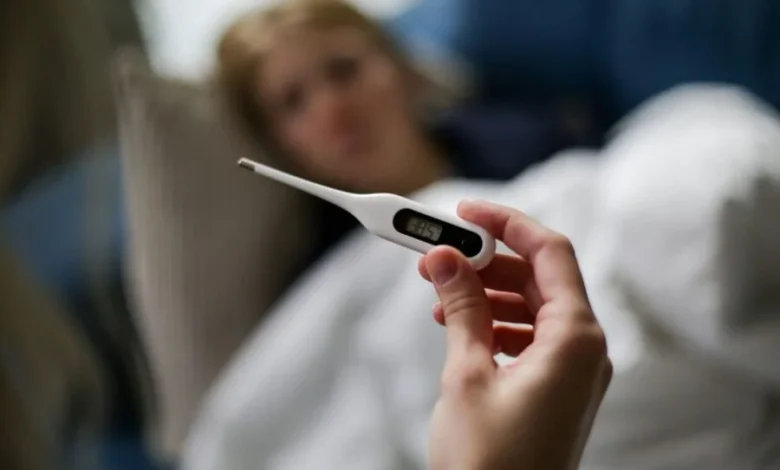
The United Kingdom is currently navigating a precarious intersection of public health and economic stability, as a growing body of evidence suggests that the nation’s approach to workplace health is fundamentally reactive rather than preventative. New analysis from the Society of Occupational Medicine (SOM) highlights a systemic failure in how businesses manage employee well-being, suggesting that thousands of individuals are slipping into long-term economic inactivity simply because specialist intervention is delayed until it is too late. As Occupational Health Awareness Week commences, the data paints a stark picture of a "sickness economy" that is stifling productivity and eroding the workforce from within.
The Critical Window for Intervention
At the heart of the current crisis is the timing of occupational health (OH) referrals. A comprehensive study conducted by the PAM Group, which examined more than 1,300 workplace health cases, reveals a direct correlation between the speed of professional intervention and long-term employment retention. The data is unequivocal: when employees are referred to occupational health services while they are still in the workplace, 91 percent remain employed a month later.
This success rate drops precipitously as the duration of sickness absence increases. For those referred after one to two months of leave, the likelihood of remaining in their role falls to 45 percent. By the time an employee has been absent for more than six months, the prospect of a successful return to work dwindles to just 27 percent. While the study emphasizes that these figures represent an association rather than direct causation, the trend is clear: waiting for a crisis to manifest before seeking professional advice is a strategy that almost guarantees the loss of talent.
A Chronology of Declining Health and Workplace Absence
The trajectory from minor health concern to long-term unemployment often follows a predictable, yet avoidable, path. Typically, an employee begins to struggle with a physical or mental health issue that affects their performance or attendance. In an ideal scenario, the employer identifies this early, utilizes occupational health resources to implement reasonable adjustments, and the employee continues to work.
However, current workplace culture often prioritizes immediate output over long-term stability. The PAM Group analysis indicates that 38 percent of managers wait until an employee is already absent before even considering the use of occupational health support. Furthermore, 55 percent of all referrals to OH providers are made only after the employee has already been away from work for more than a month. By this stage, the employee has often become disconnected from the workplace, their health condition may have exacerbated due to stress or lack of support, and the administrative burden of managing their absence has become a primary focus for HR departments, rather than their rehabilitation.

The Scale of the Sickness Economy
The consequences of these delays are not merely personal; they are national. As of mid-2026, the number of working-age people in Britain who are economically inactive due to long-term sickness remains stubbornly high, hovering around 2.8 million. This figure is a significant increase from the 2.06 million recorded in June 2019.
This "sickness economy" is not the result of a sudden, unexplained wave of illness, but rather a structural failure to adapt to the needs of a modern workforce. Experts argue that the distinction between "health policy" and "employment policy" is becoming increasingly artificial. If the workforce is not healthy, the economy cannot be robust. The rise in economic inactivity is further compounded by the number of younger people—nearly one million aged 16 to 24—who are currently not in education, employment, or training. While not all these cases are attributable to ill health, the trend signals a broader challenge in integrating and retaining the next generation of workers in a sustainable way.
Disparities in Access to Occupational Health
One of the most concerning aspects of the SOM’s findings is the unequal distribution of support. Occupational health is not a universal entitlement for the British worker. Government research reveals that only 52 percent of workers report having access to occupational health services through their employer or their own self-employed practice. Among employees specifically, that figure rises to 59 percent, but the variance across sectors is profound.
The public sector leads the way, with 81 percent of employees reporting access to occupational health services. In contrast, the private sector lags significantly, with only 48 percent of employees enjoying similar provisions. Size also matters: large organizations with more than 250 staff are far more likely to have established health protocols, with 76 percent providing access. For smaller businesses, which form the backbone of the UK economy, the picture is bleak; among employers with between two and 49 staff, only 23 percent provide occupational health support.
This creates a "health lottery" where an individual’s ability to remain in work during a period of illness depends largely on the size and type of their employer. This inequity is particularly striking given the willingness of employees to engage with these services. Government surveys of nearly 2,000 employees found that 83 percent would be happy to participate in a voluntary occupational health assessment if offered. The barrier, therefore, is not employee resistance, but a lack of systemic provision and a failure by management to prioritize early intervention.
Official Perspectives and Policy Implications
Professor Neil Greenberg, an occupational psychiatrist and president of the Society of Occupational Medicine, has been vocal about the need for a radical shift in perspective. According to Greenberg, occupational health should be viewed as the vital "bridge" between the clinical environment and the workplace.

"Britain is missing out on keeping people at work through the use of effective occupational health expertise," Greenberg noted. "Instead, employers all too often only ask for expert advice once workers are too sick to work, by which time it is often very challenging to get them back to work."
The SOM is now calling for a tripartite approach: wider access for all employers, a concerted effort to shift the culture toward early referral, and substantial investment in the occupational health workforce itself. The implication is that if the government and the private sector continue to treat employment and health as separate silos, the economic burden of long-term sickness will only grow.
Looking Ahead: The Necessity of Preventive Culture
The data presented by the SOM serves as a wake-up call for HR professionals and business leaders alike. Moving from a model of "sickness management" to "health maintenance" requires significant cultural change. It necessitates training for managers to spot the early warning signs of burnout, physical illness, or mental health decline, and it requires the destigmatization of occupational health services.
If businesses continue to view occupational health as a final resort—an administrative box to be ticked after an employee has already reached the breaking point—they will continue to lose valuable human capital. The evidence shows that when the system works, it works well; when it is neglected, the cost to the individual and the economy is immense. As the UK looks to stabilize its labor market and reduce the 2.8 million figure of economically inactive people, the integration of proactive, early-stage occupational health must become a national priority. The "sickness economy" is a challenge that can be reversed, but only if the support arrives long before the employee has already fallen through the cracks.