The 2026 FIFA World Cup Shatters Commercial Records Amidst Global Spectacle and Enduring Controversies.

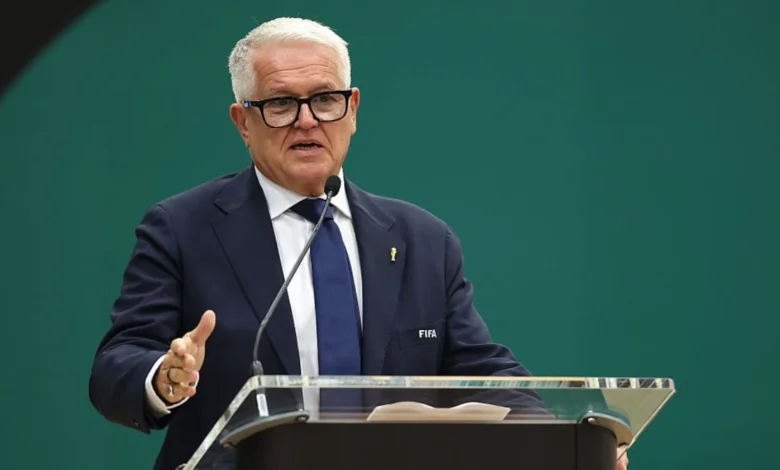
The 2026 FIFA World Cup, co-hosted across 16 vibrant cities in the United States, Canada, and Mexico, concluded as an unprecedented commercial and viewership triumph, defying pre-tournament anxieties and reaffirming football’s unparalleled global appeal. FIFA recently confirmed it had exceeded all financial projections, reporting a staggering revenue of over $15 billion, a significant jump from the $11 billion forecast in April. This financial windfall solidifies the tournament’s standing as the most lucrative single-sport event in history, laying a robust foundation for FIFA’s strategic investments in global football development over the next quadrennial cycle.
Financial Triumph Unpacked: A Multi-Billion Dollar Endeavor
The colossal revenue generated by the 2026 World Cup stemmed from a meticulously orchestrated convergence of broadcasting rights, lucrative sponsorship deals, robust ticket sales, and hospitality packages. The $15 billion figure represents not just a success, but a new benchmark for major sporting events, showcasing the immense commercial potential inherent in an expanded, North American-hosted tournament. Analysts had initially projected a strong performance, particularly given the size of the North American market and the expanded 48-team format, but the final figures surpassed even the most optimistic outlooks.
Broadcasting rights, historically a cornerstone of FIFA’s revenue, contributed substantially. Fox, holding the English-language rights for the U.S., reportedly paid $485 million, a figure that now appears to have been a shrewd investment given their subsequent returns. Univision/Televisa, securing the Spanish-language rights for the U.S. and significant portions of Latin America, also reported record engagement and advertising sales, underscoring the diverse linguistic and cultural appeal of the tournament across the continent. Beyond North America, rights deals with major broadcasters across Europe, Asia, Africa, and South America collectively contributed billions, reflecting the global demand for live World Cup content.
Sponsorship was another critical pillar. The 2026 tournament attracted an unparalleled roster of global brands, from automotive giants and technology innovators to beverage conglomerates and financial institutions. Tier-one FIFA Partners like Adidas, Coca-Cola, Wanda Group, Hyundai/Kia, Qatar Airways, and Visa reportedly renewed or significantly increased their commitments, recognizing the unique reach of the event. Beyond these long-standing partners, a new wave of regional sponsors and official suppliers joined, eager to tap into the expanded North American market and the heightened global viewership. Industry estimates suggest that sponsorship and commercial partnerships alone accounted for well over $4 billion, a testament to the robust brand interest.
Ticket sales and hospitality packages also saw record-breaking figures. The expanded capacity of North American stadia, combined with fervent fan bases across three host nations and an influx of international visitors, led to unprecedented demand. FIFA’s official ticketing portal reported selling over 6.5 million tickets across all 104 matches, significantly higher than previous tournaments. Premium hospitality offerings, catering to corporate clients and high-net-worth individuals, were completely sold out months in advance, generating an additional estimated $1.5 billion.
Broadcasting Bonanza: Fox Leads the Charge
Fox’s investment in the English-language rights proved exceptionally fruitful. The network proudly announced record-shattering viewership, with the Final between Argentina and Spain drawing an astonishing average of 38.9 million viewers. This figure not only eclipsed previous World Cup viewership records for English-language broadcasts in the U.S. but also rivaled major domestic sporting events like the Super Bowl in certain demographics. The robust ratings translated directly into premium advertising revenue, with commercial slots during key matches, particularly the knockout stages, fetching unprecedented prices. Advertisers, ranging from automotive brands and tech companies to fast-food chains and entertainment studios, capitalized on the massive, engaged audience.
"I had a chat with some of our partners, and they are extremely happy about the numbers, about the engagement, about the TV ratings," FIFA chief business officer Romy Gai told ADWEEK, echoing the sentiment across the broadcasting landscape. A Fox Sports spokesperson, speaking post-tournament, remarked, "The 2026 World Cup was a game-changer for us. Our investment paid off exponentially, not just in ratings but in brand association and audience loyalty. This tournament proved the enduring power of live sports and its ability to unite diverse audiences."
Similarly, Spanish-language broadcaster Univision/Televisa also reported immense success, with their final match viewership numbers for the U.S. market reaching nearly 30 million, further solidifying the bilingual appeal of football in North America. These figures underscore a broader trend: despite the fragmentation of media consumption, major live global sporting events continue to command massive, undivided attention, making them invaluable assets for broadcasters and advertisers alike.
A Tournament of Records and Resilience: The Journey to the Final
The journey to the 2026 FIFA World Cup final was a saga marked by both thrilling football and logistical grandeur. The tournament, the first to feature 48 nations, kicked off on June 11, 2026, with opening matches held simultaneously in Mexico City, Toronto, and Los Angeles. The expanded format led to an increase from 64 to 104 matches, presenting both opportunities and challenges in scheduling, travel, and infrastructure.
The group stages, running through late June, saw several upsets and dramatic finishes, showcasing the increased global competitiveness brought by the expanded field. From July 4th onwards, the knockout stages intensified, leading to a series of captivating matches hosted in major U.S. cities like New York/New Jersey, Dallas, Atlanta, and Miami. The semi-finals, held in Dallas and New York, were both nail-biting encounters, setting the stage for the highly anticipated final in Arlington, Texas, at AT&T Stadium (branded as Dallas Stadium for FIFA purposes). The final itself, a clash between footballing titans Argentina and Spain, delivered on its promise of high drama and skill, culminating in Argentina’s hard-fought victory.
Throughout the tournament, stadium attendance remained exceptionally high, with an average of over 72,000 spectators per match across all venues, pushing the total attendance figure past the 6.5 million mark. Fan zones established in all host cities buzzed with activity, attracting millions more who sought to immerse themselves in the festive atmosphere. This collective experience, both inside and outside the stadia, painted a picture of a continent fully embracing its role as host.
Economic Ripple Effects for Host Nations
The economic impact of the 2026 World Cup on the host nations – the United States, Canada, and Mexico – was profound and far-reaching. Beyond the direct revenue for FIFA, the tournament generated billions in economic activity for the host cities and their respective regions. Early estimates from economic impact studies suggest a combined boost of over $10 billion to the GDPs of the three countries, primarily through tourism, hospitality, infrastructure development, and job creation.
Each of the 16 host cities experienced a significant surge in tourism. Hotels reported near-full occupancy rates for weeks, restaurants saw unprecedented patronage, and local businesses, from souvenir shops to transportation services, thrived. Public transportation systems in cities like New York, Los Angeles, and Toronto handled record numbers of passengers, while airports saw a massive increase in international and domestic flights.
In Canada, Vancouver and Toronto benefited from increased international visibility and tourism spending, estimated at over $1 billion for the country. Mexico City, Guadalajara, and Monterrey in Mexico likewise experienced a significant economic boost, with local businesses and the tourism sector reporting a resurgence. The U.S., with the largest number of host cities, saw the most substantial impact, with cities like Miami, Dallas, and Atlanta reporting hundreds of millions in direct economic benefits.
Infrastructure improvements, undertaken in preparation for the tournament, will leave a lasting legacy. Enhancements to public transit, airport facilities, and urban development projects, while initially costly, are expected to provide long-term benefits for residents and future tourism.
Navigating the Controversies: Resilience in the Face of Scrutiny
Despite the overwhelming success, the 2026 World Cup was not without its share of controversies, which FIFA and the host nations had to navigate carefully. The three most prominent issues were the high match ticket prices, the mandated hydration breaks, and the perceived influence of President Donald Trump on refereeing decisions.
- High Match Ticket Prices: From the outset, fan groups and consumer advocates voiced concerns over the exorbitant cost of match tickets, particularly for the knockout stages and the final. While FIFA defended the pricing structure by citing the premium nature of the event and the significant operational costs, many fans found it prohibitive. Average group stage tickets ranged from $150 to $450, while knockout matches soared to $500-$1,500, and the final exceeded $2,500 for standard seats. In response, FIFA did implement a limited number of "fan-first" tickets at reduced rates through a lottery system and emphasized the availability of public viewing areas and fan festivals that were free or low-cost alternatives. However, the debate over affordability for the average fan persisted throughout the tournament.
- Hydration Breaks: The decision to implement mandatory hydration breaks in all matches, particularly during the group stages played in the often-sizzling North American summer, drew mixed reactions. While player safety and welfare were FIFA’s primary justifications, citing extreme temperatures and humidity in many host cities, some purists argued that the breaks disrupted the flow of the game and tactical continuity. Referees were instructed to pause play mid-half when temperatures reached a certain threshold (typically above 32°C/90°F), allowing players to rehydrate. While initially controversial, most players and coaches ultimately acknowledged their necessity for mitigating heat-related risks.
- President Trump’s Influence on Refereeing: Perhaps the most unusual and politically charged controversy involved claims, largely fueled by social media and some international press, that President Donald Trump was attempting to exert influence on refereeing decisions, particularly in matches involving the U.S. national team or other politically sensitive fixtures. These claims, though lacking concrete evidence, gained traction online and led to widespread discussions about the intersection of politics and sport. FIFA strongly refuted these allegations, issuing statements emphasizing the independent authority of its refereeing committee and the integrity of the match officials. "All refereeing appointments and decisions are made solely by FIFA’s refereeing department based on merit and adherence to the laws of the game," a FIFA spokesperson stated, dismissing the claims as baseless speculation. While the allegations never materialized into proven interference, they added an unusual political dimension to the tournament’s narrative.
Despite these controversies, audiences did not seem deterred from tuning in or attending, a testament to the magnetic appeal of the World Cup and its ability to transcend individual issues. The quality of football, the global spectacle, and the sheer excitement of the competition ultimately overshadowed these debates for the vast majority of fans.
Stakeholder Reactions and Endorsements
The overwhelming success elicited widespread praise from all stakeholders. Gianni Infantino, FIFA President, lauded the event as a "monumental achievement," stating, "The 2026 World Cup has not only broken records but has also set a new standard for global sporting events. The unity, passion, and incredible talent displayed on and off the field have been truly inspiring. This financial success will allow us to invest even more into football development worldwide, ensuring the beautiful game continues to grow and thrive."
Executives from major sponsors also expressed their satisfaction. The Global Marketing Director for a prominent automotive brand commented, "Our association with the 2026 World Cup delivered unparalleled brand exposure and engagement. The reach, particularly in the crucial North American market, exceeded our most optimistic KPIs. It was an invaluable platform for connecting with consumers globally."
Host city officials across the U.S., Canada, and Mexico celebrated the legacy. The Mayor of one of the U.S. host cities remarked, "Beyond the economic boom, this World Cup fostered a sense of community and national pride that will resonate for years. Our city showcased its best, and the world responded with enthusiasm."
Looking Ahead: The Legacy and Future of Global Football
The 2026 FIFA World Cup’s unprecedented commercial success carries significant implications for the future of global football and major sporting events. For FIFA, the substantial revenue provides a robust financial foundation for its "Vision 2030" strategy, which aims to further develop football in all corners of the globe, including investments in youth academies, women’s football, and infrastructure in emerging football nations. It also validates the expanded 48-team format, likely paving the way for its continuation in future tournaments, despite some initial skepticism.
For host nations, the tournament leaves a legacy of enhanced infrastructure, increased global visibility, and a strengthened tourism sector. The seamless collaboration between the three North American nations set a precedent for future multi-national hosting bids, demonstrating the benefits of shared responsibility and diversified logistical capabilities.
The broadcasting industry will closely analyze the record viewership and advertising revenues, reinforcing the value of premium live sports content in an increasingly digital and fragmented media landscape. This success will undoubtedly drive up the value of future media rights for major global events.
Ultimately, the 2026 FIFA World Cup served as a powerful reminder of football’s enduring power to captivate, unite, and generate immense commercial value on a global scale. Despite the challenges and controversies, the spectacle of the game, the passion of the fans, and the meticulous planning of the organizers combined to deliver an event that will be remembered as a monumental triumph in the annals of sports history. The future of brands and the global sports industry will undoubtedly continue to be shaped by the lessons and successes forged in the crucible of this historic tournament.
Related posts: