The Agentic Enterprise: AI Transitions from Assistance to Autonomous Execution in Business Operations


The corporate landscape is undergoing a profound transformation as artificial intelligence (AI) evolves beyond its role as an assistant and begins to actively execute tasks, coordinate complex systems, and make decisions within defined parameters. This shift marks a critical juncture in the integration of AI into the fabric of enterprise operations, impacting key sectors such as payments, banking, credit, compliance, fraud detection, customer service, and corporate finance. A comprehensive new eBook, drawing insights from a diverse group of industry leaders, details the ongoing journey of AI agents from experimental demonstrations to integral components of real-world operating environments.
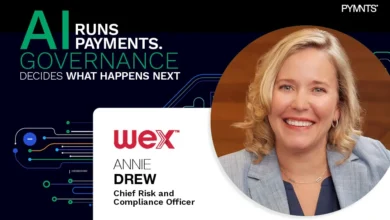
This pivotal evolution is not about deploying the largest number of AI agents or pursuing autonomy for its own sake. Instead, the consensus among executives from prominent organizations like Visa, FIS, Synchrony, WEX, Billtrust, i2c, Thales, Velera, and Bottomline is that the successful agentic enterprise will be meticulously built by fundamentally redesigning the underlying systems, processes, and decision-making hierarchies to accommodate these advanced AI capabilities.
The Foundation of the Agentic Enterprise: Infrastructure and Governance
The bedrock of any functional agentic enterprise lies in robust infrastructure. AI agents require access to trusted, high-quality data, seamlessly connected platforms, and real-time information flows to operate effectively. Furthermore, machine-readable rules are essential to ensure predictable and reliable execution across intricate enterprise workflows. Without these foundational elements, the autonomy granted to AI agents risks leading to unpredictable outcomes and operational disruptions.
Parallel to infrastructure development, the establishment of new governance frameworks is paramount. Companies must meticulously define the scope of decision-making authority for AI agents. This includes clearly delineating which actions can be taken autonomously, which require human approval, under what circumstances systems should escalate issues, and crucially, establishing clear lines of accountability when errors or unintended consequences occur. This structured approach to governance is vital for maintaining control, mitigating risk, and ensuring regulatory compliance.
Redefining the Human Role in an AI-Augmented Workplace
The rise of agentic AI also necessitates a re-evaluation of the human workforce’s role. As AI agents adeptly handle repetitive, data-intensive tasks such as investigations, routing, reconciliation, and processing, human employees are increasingly shifting their focus towards higher-value activities. These include exception management, the design of policies and procedures, strategic oversight, complex judgment calls, and nurturing crucial customer relationships. This redistribution of work signifies not a wholesale replacement of human workers by machines, but rather a dynamic rebalancing of responsibilities, leveraging the strengths of both humans and AI.
Data from industry analyses suggests a growing demand for roles that complement AI capabilities. A recent report by the World Economic Forum projected that while AI may automate certain tasks, it will also create new job categories, with a particular emphasis on skills like critical thinking, problem-solving, and emotional intelligence – areas where humans currently hold a distinct advantage. For instance, in customer service, AI chatbots can handle routine inquiries, freeing up human agents to address more complex or emotionally charged customer issues, thereby enhancing overall customer satisfaction and loyalty.
The Principle of Earned Autonomy: A Measured Approach to AI Delegation
Across the myriad of contributions to the eBook, a recurring and fundamental principle emerges: autonomy must be earned. This implies a phased and strategic approach to delegating decision-making power to AI agents. Low-risk, highly structured tasks, characterized by clear inputs and predictable outputs, are typically the first candidates for autonomous delegation. These might include routine data entry, basic report generation, or initial filtering of incoming communications.

Conversely, higher-impact decisions that involve significant financial implications, regulatory compliance, fraud detection, credit assessment, or the safeguarding of customer trust will continue to necessitate more robust controls and direct human intervention. This cautious approach is rooted in the inherent complexities and potential ramifications associated with these critical business functions. For example, while AI can assist in fraud detection by flagging suspicious transactions, the final decision to block a transaction or freeze an account will likely remain with a human analyst, especially in cases of high value or ambiguity.
The Agentic Enterprise: A Present Reality, Not a Distant Future
The concept of the agentic enterprise is not a speculative, far-off vision of companies run autonomously by machines. Rather, it is an evolving operating model that is taking shape in real-time, workflow by workflow, permission by permission, and decision by decision. This gradual, iterative implementation allows organizations to learn, adapt, and refine their AI integration strategies, ensuring that the technology serves to augment and enhance human capabilities rather than disrupt them entirely.
The insights gleaned from the eBook highlight a strategic imperative for businesses: to proactively engage with the implications of agentic AI. This involves investing in the necessary technological infrastructure, fostering a culture of continuous learning and adaptation within the workforce, and establishing clear, ethical guidelines for AI deployment.
Industry Leaders’ Perspectives on the AI Transition
The eBook compiles perspectives from a formidable group of industry leaders, offering a multi-faceted view of the AI agent transition.
- Visa: As a global leader in digital payments, Visa is acutely aware of the need for AI to enhance security and efficiency. Their contributions likely focus on how AI agents can streamline payment processing, improve fraud detection capabilities in real-time, and personalize customer experiences while maintaining the highest standards of data privacy and security. The sheer volume of transactions processed daily by Visa necessitates AI that can operate at immense scale and speed.
- FIS: A major provider of financial technology solutions, FIS is at the forefront of enabling financial institutions to adopt advanced technologies. Their insights would likely revolve around the architectural changes required to integrate AI agents into existing banking and payments infrastructure, emphasizing the importance of interoperability and secure data exchange.
- Synchrony: Known for its consumer financing and loyalty solutions, Synchrony’s perspective would likely highlight the impact of AI agents on customer engagement, credit underwriting, and risk management within the consumer finance sector. The ability of AI to personalize offers and manage customer interactions at scale is a key area of focus.
- WEX: Specializing in corporate payment solutions, WEX’s contributions would probably address how AI agents can optimize business expense management, fuel card programs, and accounts payable processes, driving significant operational efficiencies for commercial clients.
- Billtrust: With a focus on business payments, Billtrust’s insights would likely center on the automation of invoicing, payments, and cash application processes, demonstrating how AI agents can reduce manual effort and accelerate financial cycles for businesses.
- i2c: As a global provider of payment processing and issuing solutions, i2c’s perspective would likely emphasize the technical underpinnings of enabling AI agents to operate within card programs, focusing on scalability, security, and the seamless integration of AI-driven decision-making into payment flows.
- Thales: A leader in digital security, Thales’s contributions would undoubtedly underscore the critical importance of security and trust in the deployment of AI agents, particularly in sensitive financial transactions. Their focus would likely be on safeguarding data, ensuring AI integrity, and preventing malicious use.
- Velera: As a relatively new entity formed from a joint venture, Velera’s insights might offer a forward-looking perspective on building a payments ecosystem from the ground up with AI at its core, potentially highlighting innovative approaches to data utilization and intelligent automation.
- Bottomline: A provider of digital payment solutions for businesses, Bottomline’s contributions would likely focus on practical applications of AI agents in streamlining financial operations, enhancing treasury management, and improving the overall efficiency of B2B transactions.
The collective wisdom presented in this eBook paints a clear picture: the agentic enterprise is not a matter of if, but when and how. The organizations that successfully navigate this transition will be those that strategically invest in the right infrastructure, meticulously design their governance frameworks, and thoughtfully integrate AI agents to augment, rather than replace, their human workforce. The journey ahead requires a commitment to continuous learning, adaptation, and a clear understanding of the principle that autonomy, particularly in critical business functions, must be demonstrably earned.
Broader Implications and Future Outlook
The widespread adoption of agentic AI will have profound implications across the global economy. For businesses, it promises increased productivity, reduced operational costs, enhanced decision-making, and improved customer experiences. However, it also raises important questions regarding job displacement, the need for reskilling and upskilling the workforce, and the ethical considerations surrounding AI autonomy.
Governments and regulatory bodies will need to grapple with developing frameworks to oversee AI’s role in critical infrastructure, financial markets, and consumer protection. The ongoing dialogue between industry leaders, technologists, policymakers, and the public will be crucial in shaping a future where AI serves as a powerful force for positive change, driving innovation and economic growth while upholding societal values and ethical principles.
The path to the agentic enterprise is characterized by careful planning, continuous learning, and a collaborative approach. As AI capabilities continue to advance, the ability of businesses to effectively integrate these intelligent agents will be a key determinant of their success and competitiveness in the years to come. The transition is well underway, and the organizations that embrace it strategically are poised to lead the next era of business operations.
Related posts: