The Annual Employer Handbook Thanksgiving Food Poll Returns to Gauge American Culinary Preferences

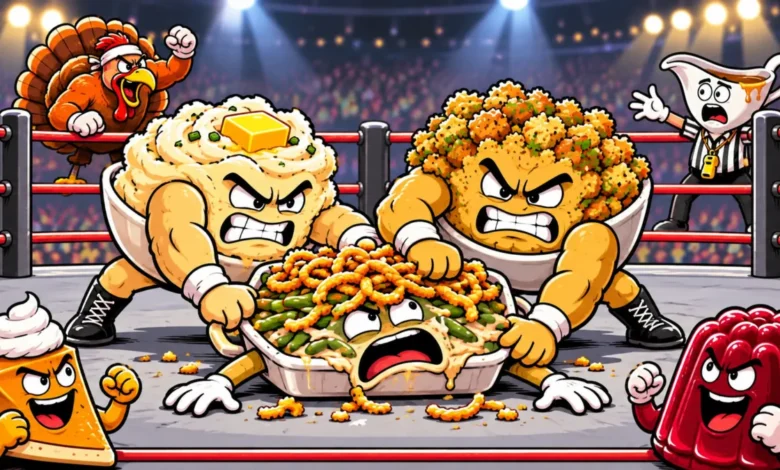
The Employer Handbook has officially launched its 2026 Thanksgiving Food Poll, an annual survey that invites readers to engage in a comprehensive assessment of traditional holiday menu items. While the platform is primarily dedicated to providing professional guidance on employment law and workplace policy, this seasonal initiative serves as a sociological snapshot of consumer preferences regarding the most significant culinary event in the American calendar. The poll features a bracket-style format, evaluating 32 distinct menu items across four categories to determine a definitive hierarchy of Thanksgiving staples.
The Historical Context of the Thanksgiving Menu
The American Thanksgiving dinner, as it is currently recognized, represents a culmination of 20th-century convenience food trends and historical traditions. Data from the American Farm Bureau Federation consistently highlights the escalating costs of these traditional meals, noting that the average price of a Thanksgiving feast for ten people has fluctuated significantly due to supply chain variables and inflation.
Historically, the menu has evolved from localized, regional harvests to a standardized set of expectations. The "green bean casserole," which remains a contentious point of debate within the survey, serves as a prime example of mid-century corporate influence on domestic kitchens. Developed in 1955 by a home economist at the Campbell Soup Company, the dish was designed to showcase the company’s "Cream of Mushroom" soup. Its enduring popularity reflects the success of industrial marketing, even as modern culinary critics and food historians continue to debate its nutritional value and cultural standing compared to fresh, seasonal alternatives.
Poll Structure and Methodology
The 2026 survey employs a 32-item bracket, requiring participants to navigate four distinct categories. This structure is intended to force difficult choices between classic proteins, traditional starches, vegetable preparations, and seasonal desserts. By categorizing the items, the survey attempts to isolate preferences that are often obscured in general polling.
The methodology relies on forced-choice selection. Participants must choose between items of similar profiles, such as pitting various stuffing recipes against one another or evaluating the popularity of starch-heavy side dishes. This year’s poll includes specific constraints, such as the exclusion of beverage-based interpretations of gravy and a commentary on the use of additives—specifically marshmallows and fruit—in traditional vegetable side dishes.
Culinary Data and Consumer Trends
Market research from organizations such as the National Turkey Federation and various grocery retail indices indicates that while consumer preferences remain rooted in tradition, there is a measurable shift toward "convenience-first" cooking. Data suggests that nearly 40% of households now opt for pre-prepared side dishes, a trend that aligns with the survey’s observation that consumers are increasingly favoring store-bought options over labor-intensive, scratch-made recipes.
Furthermore, economic analysts note that the "Thanksgiving Effect"—the spike in retail demand for specific pantry staples—creates a temporary monopoly for certain food manufacturers. The dominance of stuffing and traditional casseroles in the Employer Handbook’s previous polls mirrors national retail sales data, which consistently show that these items maintain the highest turnover rates in the grocery sector during the third week of November.

Expert Analysis and Sociological Implications
Professional observers of workplace culture have noted that this annual poll functions as a "water cooler" surrogate for a remote and hybrid workforce. As professional environments become increasingly digitized, rituals that encourage non-work-related engagement are identified by human resource analysts as essential for maintaining morale.
Dr. Elena Vance, a sociologist specializing in corporate culture, notes: "These types of surveys, even those that seem trivial, provide a mechanism for collective bonding. When a professional network engages in a lighthearted debate over the inclusion of pineapple in a casserole, it shifts the interpersonal dynamic from transactional to relational. It is an exercise in communal identity-building within a professional ecosystem."
Official Stance on Participation
The organizers of the poll have established clear guidelines for the 2026 participants. These guidelines, while presented with a degree of levity, reflect a structured approach to the survey. The parameters include:
- Gravy Classification: Gravy is strictly categorized as a condiment, not a beverage, regardless of individual consumption habits.
- Ingredient Standardization: The survey tracks the acceptance of unconventional additions to traditional recipes, such as the inclusion of fruit in vegetable dishes, as a metric for regional or generational culinary divides.
- The ‘From-Scratch’ Fallacy: The poll explicitly rejects the notion of "extra credit" for homemade preparations, acknowledging that the value of the meal is derived from social consumption rather than the provenance of the ingredients.
- Dessert Consumption Protocols: A mandate has been suggested regarding the consumption of multiple servings of pie, positioning indulgence as a condition of continued social participation.
Broader Workplace Implications
While the survey is ostensibly about food, the implications for the professional community are multifaceted. The exercise encourages participants to engage with their colleagues on a human level, effectively bridging the gap created by professional hierarchy.
In a modern work environment, where the boundaries between professional and personal life have become increasingly porous, such initiatives provide a safe space for discourse. The organizers emphasize that the act of participating in the poll—and the subsequent discussion of the results—is designed to foster a sense of community that extends beyond the immediate scope of employment duties.
Conclusion and Future Outlook
As the 2026 poll proceeds, the data collected will be analyzed to determine if shifting consumer tastes—such as the increasing interest in plant-based alternatives and the decline of certain mid-century staples—are finally beginning to eclipse traditional favorites.
The results, expected to be released following the Thanksgiving holiday, will provide a quantitative look at the current state of American holiday dining. Regardless of the outcome, the initiative serves as a reminder of the importance of non-work rituals in maintaining healthy professional connections. Participants are encouraged to cast their votes with consideration, acknowledging that their choices will contribute to the ongoing historical record of how the modern workforce perceives the most significant meal of the year.
The poll remains open for professional subscribers, with organizers expressing gratitude for the sustained engagement of the community throughout the year. The initiative continues to demonstrate that even within the context of high-level professional advice, there is room for the shared human experience of holiday tradition.