Scaling Beyond Boundaries How British Skincare Brand grüum Optimized E-commerce Operations to Process 80,000 Monthly Orders

In the competitive landscape of direct-to-consumer (DTC) personal care, the ability to scale without sacrificing operational flexibility is a challenge that many growing brands face. For the UK-based skincare and grooming company grüum, this challenge reached a critical juncture in 2023. After seven years of rapid expansion, the brand found itself processing upwards of 80,000 orders per month. This milestone prompted a comprehensive internal review of their digital infrastructure to determine if their existing platform, WooCommerce, could continue to support their trajectory or if a migration to enterprise-level competitors like Shopify Plus or Adobe Commerce (formerly Magento) was necessary. After a rigorous four-month evaluation, the founders concluded that the open-source flexibility and cost-efficiency of their current system provided a strategic advantage that closed-ecosystem competitors could not match.
The Genesis of a Sustainable Personal Care Disruptor
The story of grüum began in January 2016, when four colleagues—Simon Leonard, Andy Shaw, Bethanie Sleigh, and George Lagonikas—decided to exit their respective corporate roles to build a brand that challenged the traditional beauty industry. Operating between the Netherlands and the United Kingdom, the team spent nine months in intensive product development and brand positioning. When grüum officially launched in September 2016, it entered the market with a modest lineup of approximately ten products.
Initially, the brand positioned itself within the male skincare and shaving niche, a sector that was seeing significant disruption at the time due to the rise of subscription-based models. However, the founders quickly recognized a broader opportunity. They pivoted from a gender-specific approach to a more inclusive philosophy, creating skincare, haircare, and bodycare solutions designed for all ages and genders. Central to this evolution was a commitment to "clean beauty" and sustainability, long before these terms became industry buzzwords.
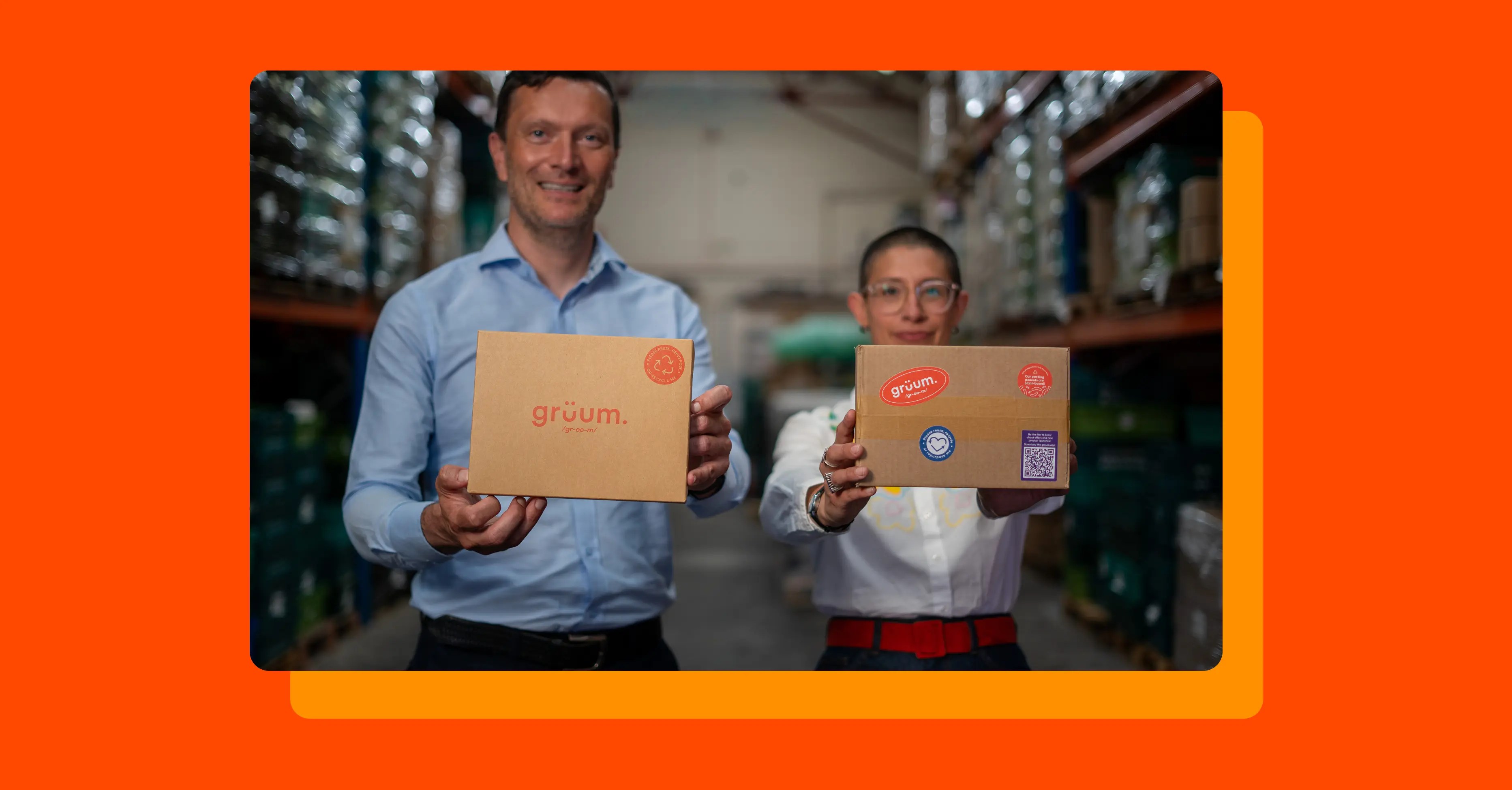
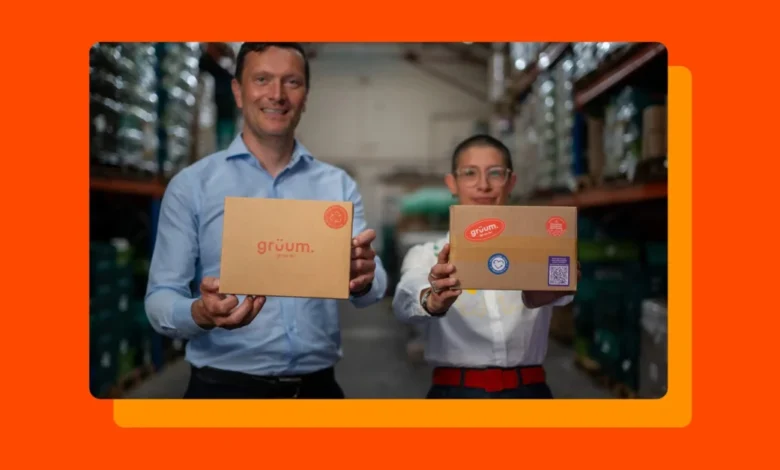
Today, grüum operates out of Stockport, Greater Manchester, where it maintains in-house manufacturing capabilities. This decision to keep production local and internal has been a cornerstone of their business model. By employing their own cosmetic scientists rather than relying on contract manufacturers, the company has achieved a level of agility that is rare for a brand of its size. This vertical integration allows for faster iteration of formulas, tighter quality control, and a significant reduction in the time-to-market for new innovations.
Sustainability and Innovation as Core Business Drivers
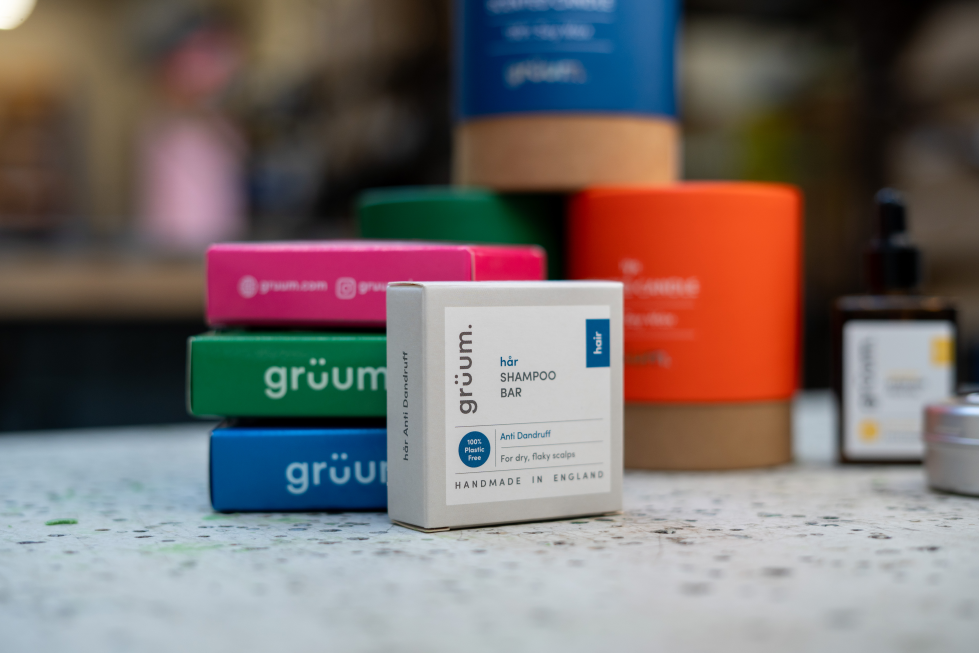
The brand’s commercial success is deeply rooted in its environmental ethics. In an industry often criticized for excessive plastic waste and chemical-heavy formulations, grüum has prioritized cardboard packaging and waterless formulations. Their most successful product to date, a solid shampoo bar, has sold millions of units. Waterless products are not only more concentrated and natural but also significantly lighter to ship, which reduces the brand’s overall carbon footprint.
By 2023, the complexity of the grüum catalog had grown to approximately 300 Stock Keeping Units (SKUs). Managing this volume of inventory while maintaining a high-frequency subscription model required a robust technical foundation. The brand’s internal data revealed a remarkably high customer loyalty rate, with the average subscriber remaining active for 30 months. This level of retention is significantly higher than the industry average for beauty subscriptions, which typically sees high churn after the first six to twelve months.
The 2023 Platform Evaluation: Choosing Flexibility Over Conformity
As the brand scaled to 80,000 orders monthly, the leadership team initiated a four-month "stress test" of their e-commerce options. The primary goal was to ensure that their technical stack would not become a bottleneck for future growth. The evaluation focused on three major platforms: Adobe Commerce (Magento), Shopify Plus, and WooCommerce.
The Rejection of Adobe Commerce (Magento)
The first platform to be eliminated from the shortlist was Adobe Commerce. While the founders acknowledged that the platform is built for massive enterprise operations and offers deep customization, they determined that the operational overhead was prohibitive. Managing a Magento instance requires a significant team of dedicated technical staff for maintenance, security patches, and performance optimization. Co-founder Simon Leonard noted that the brand had no desire to employ a twenty-person technical team just to keep the website functional. For grüum, the goal was to keep the organization lean and focused on product innovation rather than server management.
The Shopify Plus Cost-Benefit Paradox
The evaluation of Shopify Plus was more extensive, as the platform is often marketed as the gold standard for scaling DTC brands. However, two major hurdles emerged: structural rigidity and the "subscription tax."
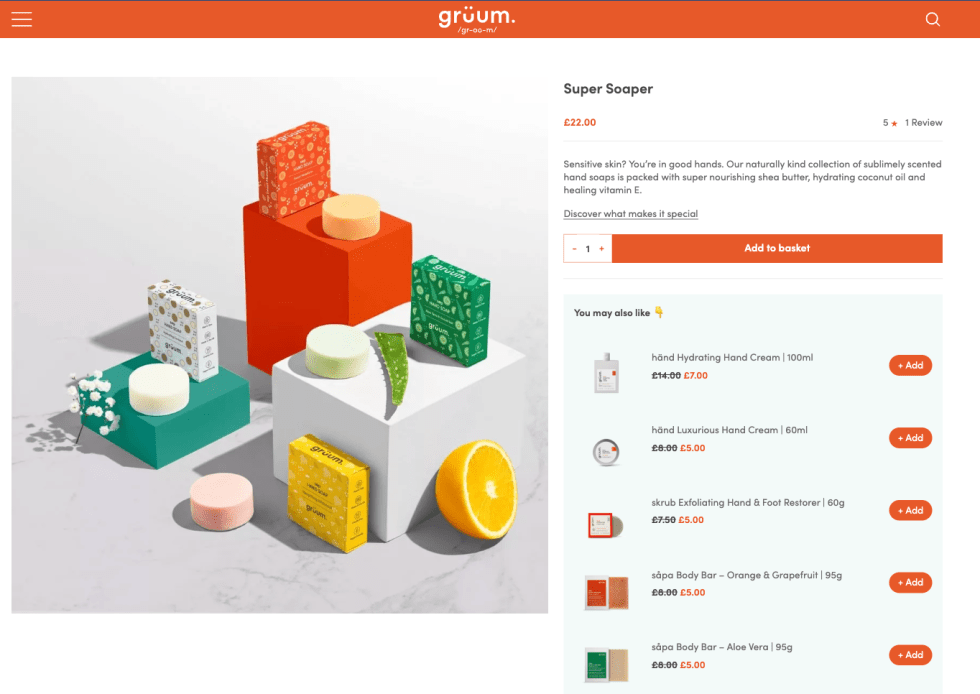
Grüum’s business model relies heavily on unique product bundling. Customers can purchase single items, subscribe to regular deliveries, or build bespoke bundles where pricing and stock management are handled as a single configurable unit. The team found that Shopify Plus’s rigid architecture would require them to change their fundamental business logic to fit the platform’s constraints.
Furthermore, the financial implications were staggering. Shopify Plus typically charges a percentage of revenue, and many subscription apps within its ecosystem also take a cut of recurring sales. With subscriptions accounting for 10% of grüum’s revenue—and growing—the team calculated that they would be "shelling out £100,000 a year" in platform-related fees alone.
The Decision to Remain on WooCommerce
Ultimately, the team chose to stay with WooCommerce. The primary driver was the platform’s open-source nature, which allowed the brand to make the software fit their business, rather than the other way around. Leonard emphasized that WooCommerce allowed them to maintain their principles without compromise.
The cost structure also favored WooCommerce. Unlike Shopify’s revenue-sharing model, WooCommerce Subscriptions operates on a flat annual fee. For a high-volume merchant, this translates to hundreds of thousands of pounds in savings over a multi-year period. These savings can then be reinvested into research and development or customer acquisition.
Technical Architecture and Lean Operations
One of the most impressive aspects of grüum’s operation is its efficiency. Despite the high volume of transactions and the complexity of its global shipping requirements, the brand operates its entire digital presence with just one full-time developer and a part-time Quality Assurance (QA) tester.
This lean approach is made possible by the mature ecosystem of the WordPress and WooCommerce communities. The content team, which handles product setups and seasonal promotions, utilizes a suite of standard but powerful tools:

- Gutenberg: The WordPress block editor allows non-technical staff to build and update landing pages without needing a developer to write code.
- Max Mega Menu: This tool manages complex site navigation, ensuring that customers can easily find products across the brand’s 300 SKUs.
- Yoast SEO: A staple for managing search engine visibility, which is crucial for organic growth in the crowded skincare market.
- WooPayments: By using the platform’s native payment solution, the brand ensures a seamless checkout experience while keeping financial data integrated within their main dashboard.
This setup allows the brand’s sole developer to focus on high-impact projects, such as enhancing the user experience (UX) or building custom logic for new product types, rather than getting bogged down in routine site maintenance.
The Strategic Importance of Data Ownership
A final, and perhaps most critical, factor in the brand’s decision to stick with an open-source solution was the concept of data sovereignty. In an era where third-party cookies are being phased out and privacy regulations are tightening, owning the customer relationship is a major competitive advantage.
By hosting their own platform, grüum retains full control over its customer data, purchase histories, and behavioral patterns. On closed platforms, this data is often gated or subject to the platform’s terms of service, which can change without notice. Co-founder Leonard pointed out that if the brand ever chose to move in the future, having their data in an open format would make the transition far simpler. For now, however, the brand sees no reason to leave. The control they maintain over their subscribers’ data allows them to build more personalized marketing campaigns and more accurate demand forecasting models.
Broader Implications for the DTC Industry
The case of grüum serves as a significant data point for the broader e-commerce industry. It challenges the prevailing narrative that a brand must move to a "closed" enterprise platform once it reaches a certain scale. Instead, it suggests that for brands with unique product structures, high subscription volumes, and a desire for lean operations, open-source flexibility may actually be the superior choice for scaling.

As the personal care market continues to move toward more sustainable and customized offerings, the technical agility to implement "strange" product setups—as the grüum founders call them—will be a defining factor in who wins the market. By prioritizing long-term cost-efficiency and data ownership over the perceived ease of a "managed" platform, grüum has positioned itself as a highly profitable and resilient player in the UK beauty sector.
The brand’s journey from a four-person startup in 2016 to a multi-million-unit-selling powerhouse in 2024 demonstrates that the "Stockport-made" ethos extends beyond their physical products and into their digital DNA. With a stable platform, a loyal subscriber base, and an uncompromising commitment to sustainability, grüum is well-equipped to navigate the next phase of its global expansion.