The Evolving Intersection of Search, AI Monetization, and Publisher Rights in Digital Media


The digital publishing and search engine optimization landscapes are undergoing a profound structural transformation, driven by the rapid integration of generative artificial intelligence into everyday discovery tools. As major technology firms redefine how information is surfaced, aggregated, and monetized, web publishers face complex new challenges regarding data tracking, traffic attribution, intellectual property rights, and revenue models. Recent developments from industry leaders such as Google and Cloudflare highlight an ongoing tension between technological innovation and the economic sustainability of content creators. This multifaceted shift encompasses experimental monetization trials for AI-generated answers, technical hurdles in measuring user engagement with AI features, evolving infrastructure for managing web crawlers, and relaxed entry barriers for digital publisher identity profiles.
The Measurement Dilemma: Tracking Visibility in the Era of Generative AI
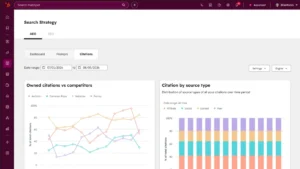
The evolution of web search from a traditional directory of blue links to a dynamic, AI-driven synthesis engine has introduced significant reporting complexities for webmasters and digital marketers. Google’s recent rollout of global reporting features designed to track how websites perform within generative AI environments has brought these structural limitations to the forefront. John Mueller, Search Advocate at Google, publicly addressed these reporting hurdles during a community discussion on Reddit, conceding that traditional metrics struggle to capture the reality of modern search engine results pages.
For over two decades, the standard paradigm for search engine optimization has relied heavily on the classic one-to-ten ranking model. Web analytics tools, including Google Search Console, measured success primarily through precise position tracking, click-through rates, and overall impressions. However, the introduction of features such as AI Overviews fundamentally disrupts this linear framework. Mueller noted that tracking a precise "position" for a website within a synthesized AI response is exceptionally difficult to execute in a way that yields actionable or meaningful data for site operators.
The technical mechanics of the current generative AI reporting interface further complicate data interpretation. Impressions are recorded whenever an AI feature or overview block appears on a rendered search page, irrespective of whether the end user actually scrolls down to view it or interacts with the specific content. Furthermore, citations or links that reside behind expandable menus—such as "Show More" toggles—are not officially logged until the user actively expands the section. Within the underlying Search performance architecture, a referenced link simply inherits the aggregate ranking position of the broader AI Overview block rather than reflecting the precise, granular location of the citation within the synthesized text. Because the reporting infrastructure currently relies on legacy web search telemetry rather than introducing dedicated tracking methodologies for generative text, industry professionals are left grappling with a profound lack of transparency regarding how visibility translates into tangible user engagement.
Experimental Revenue Models: Google’s AI Content Licensing Pilot
To address mounting pressure from publishers and legal entities regarding the uncompensated use of copyrighted material in AI training and answer generation, Google has initiated early-stage pilot programs aimed at compensating select content creators. According to industry reports originating from Digiday, Google has approached dozens of media publishers worldwide to test a value-sharing framework designed to remunerate sites whose content directly contributes to synthesized answers within platforms like the Gemini app, AI Overviews, and dedicated AI modes.
The structure of this nascent monetization pilot relies on proprietary criteria to determine financial value. Participating publishers receive monetary compensation when their content is deemed to have "contributed significantly" to the creation and formulation of an AI-generated answer. Crucially, content that serves merely to corroborate existing facts or is appended to an answer after its primary generation does not qualify for remuneration. Sites that agree to participate in the pilot are granted access to a specialized Search Console dashboard featuring monthly earnings summaries and historical payout data, alongside settings that allow them to opt out of the program at their discretion.
Despite the potential financial upside for struggling digital publishers, the program has elicited considerable skepticism and concern from industry executives. A primary criticism centers on the opacity of the payout mechanism. The contribution panel displays financial totals without providing granular data explaining how those sums were calculated, leading one media executive familiar with the initiative to describe the reporting framework as a "black box." Additionally, publishers have expressed apprehension that accepting minor, Google-determined payouts during a pilot phase could inadvertently weaken their collective bargaining power. By participating, media organizations might establish a precedent of voluntary compliance, making it more difficult to negotiate equitable licensing terms or challenge data scraping practices in future commercial or legal negotiations.
Infrastructure and Crawler Management: Cloudflare Separates AI Training from Search Indexing
As the debate over data scraping for artificial intelligence training intensifies, website operators require granular control over which digital entities are permitted to access their server infrastructure. Cloudflare, a major web infrastructure and security company, introduced a significant update to its platform by launching a dedicated "Disallow AI Training" setting designed to help publishers protect their intellectual property without sacrificing organic search visibility.
Historically, website administrators faced an all-or-nothing dilemma when attempting to block aggressive data scrapers. As Cloudflare clarified in mid-year policy updates regarding mixed-use crawlers, choosing to block automated bots often resulted in the complete exclusion of major search engine crawlers, inadvertently harming a site’s organic search traffic and discoverability. The newly implemented Disallow AI Training feature resolves this conflict by updating the site’s robots.txt directives to explicitly prohibit unauthorized AI training crawlers while allowing essential search engine spiders—such as Googlebot, Applebot, and Microsoft’s Bingbot—unhindered access to index content for traditional search discovery.
This technical update also streamlines Cloudflare’s internal architecture. Existing training-block configurations are automatically updated to conform to the new setting, while older legacy options, including "Block AI Bots" and "Managed Robots.txt," are being phased out. Major technology firms have adapted their naming conventions to support this distinction, with Google utilizing the "Google-Extended" directive and Apple employing "Applebot-Extended." Meanwhile, industry observers note that Microsoft is expected to adopt standardized robots.txt no-training preferences in future development cycles. Cloudflare has further emphasized transparency through its Accountable label initiative, requiring operators to provide specific URLs made available for training, while signaling that Google plans to roll out additional URL-level transparency tools for Google-Extended in the near future. Industry analysts emphasize that while this setting prevents content from being ingested for foundational model training, it operates independently of search features like AI Overviews, which must still be managed through traditional webmaster tools.
Expanding Digital Authority: Lowering the Barrier for Google Search Profiles
In an effort to enhance the visibility of recognized publishers and establish clearer authorship credentials within its ecosystem, Google has systematically lowered the engagement threshold required for media organizations and creators to claim official Search profiles. Initially rolled out in June, the feature was restricted to prominent accounts boasting substantial digital footprints, requiring a minimum of 100,000 followers on platforms such as YouTube, Instagram, or X, or 300,000 followers on TikTok.
Over a compressed fifteen-week period, Google adjusted these qualifying criteria multiple times to accommodate a broader segment of the digital publishing landscape. By August, the threshold was reduced to 35,000 followers across the supported social networks. In the latest update announced by Ibrahim Badr, a product manager for Google Search, the requirement has been further lowered to 10,000 followers per account, calculated across YouTube, Instagram, X, or TikTok. This adjustment introduces greater flexibility, enabling medium-sized regional publications and independent creators who previously fell short of the initial criteria to establish verified search presences.
The implementation of these profiles brings tangible interface updates for eligible publishers in the United States, including streamlined login procedures for media companies managing multiple distinct brands, alongside enhanced article display formats featuring updated thumbnail sizes and expanded headline real estate. Official documentation from Google clarifies that claiming a Search profile does not serve as a direct algorithmic ranking factor for traditional web search. Instead, the primary benefit is realized within Google Discover, where existing and potential audiences are more likely to encounter aggregated content from verified sources within their personalized feeds.
Broader Industry Implications and the Road Ahead
The convergence of these four distinct developments—evolving reporting metrics for generative search, experimental financial compensation models, granular server-level crawler controls, and lowered barriers for publisher identity profiles—presents a complex landscape for the digital media ecosystem. A common thread uniting several of these trends is the reliance on quantitative metrics that lack transparent underlying methodologies. Whether examining Google’s "black box" revenue distribution for AI contributions, the omission of precise positional data within AI search reporting, or the reliance on pre-existing follower counts for search profiles, publishers are increasingly asked to navigate systems where the mechanics are obscured from view.
At the same time, tools provided by infrastructure providers like Cloudflare offer newfound autonomy, empowering webmasters to draw a firm line between commercial AI model training and traditional search engine indexing. As legal battles, regulatory scrutiny, and economic negotiations continue to unfold between major technology conglomerates and the global publishing industry, these technological and policy adjustments will play a pivotal role in determining the economic viability of independent journalism and content creation in the digital age.
Related posts: