The Imperative of Omnichannel Sales: Unifying Customer Journeys for Accelerated Revenue Growth

Modern sales environments demand a fundamental shift from fragmented interactions to a cohesive, continuous buyer experience. Omnichannel sales represents this evolution, unifying customer data and coordinating outreach across all available channels – email, phone, chat, social media, and in-person conversations – to ensure every touchpoint builds seamlessly on the last. This strategic integration is critical in an era where traditional, siloed sales teams often generate fragmented data and inconsistent follow-up, leading to lost revenue and diminished customer trust. The gap between expectation and reality in customer experience is precisely where significant revenue opportunities are often missed.
The transformation towards omnichannel strategies is not merely a trend but a market imperative. Recent data underscores this dramatic shift, with Capital One Shopping reporting that the share of omnichannel shoppers has surged to an impressive 91%. Organizations that successfully bridge the divide created by disconnected channels observe tangible benefits: faster deal cycles, demonstrably higher conversion rates, and significantly stronger customer retention. These improvements are fundamentally supported by a robust Customer Relationship Management (CRM) system that meticulously records and synthesizes every interaction, providing a holistic view of the customer journey.
This comprehensive exploration delves into the essence of omnichannel sales, meticulously differentiating it from conventional multichannel approaches. It outlines the foundational principles that underpin its effectiveness and provides a pragmatic, step-by-step framework for successful implementation within any sales organization. Furthermore, it examines real-world examples of companies excelling in this domain and identifies key metrics for measuring success, offering insights into the broader implications for business growth and competitive advantage.
The Evolving Landscape of Buyer Behavior: Why Omnichannel is Now Essential
The genesis of the omnichannel imperative lies in the profound transformation of buyer behavior over the past decade. Historically, sales processes were linear and often dictated by the seller. However, the proliferation of digital technologies, coupled with the increasing availability of information, has empowered buyers, shifting control firmly into their hands.
In the B2C sector, consumers expect instant gratification and personalized experiences across all devices and platforms. Whether they are browsing on a mobile app, interacting with a chatbot on a website, or visiting a physical store, they anticipate a consistent brand voice and a personalized understanding of their preferences and purchase history. Any friction or repetition in this journey can lead to immediate disengagement.
The B2B buying journey has become even more complex and non-linear. Gartner’s 2025 B2B Buying Survey reveals a striking statistic: 61% of B2B buyers now prefer a rep-free buying experience for at least part of their journey. Furthermore, 73% actively avoid suppliers who send irrelevant or untargeted outreach. This indicates a strong preference for self-service, independent research, peer recommendations, and digital engagement before direct sales interaction. Buyers navigate through numerous channels, consuming content, engaging in online forums, attending webinars, and comparing solutions independently. An omnichannel sales strategy acknowledges this multifaceted reality, ensuring a coordinated and relevant presence across every touchpoint where buyers conduct their due diligence. It aims to build a coherent narrative that guides the buyer, rather than bombarding them with disconnected messages.
Distinguishing Omnichannel from Multichannel Sales: A Critical Clarification
While often used interchangeably, "multichannel" and "omnichannel" represent distinct strategic approaches with fundamentally different implications for customer experience and sales effectiveness. Understanding this distinction is paramount for any organization contemplating an integrated sales strategy.
Multichannel sales refers to the use of multiple communication channels—such as email, phone, social media, and live chat—to engage with potential buyers. However, the defining characteristic of a multichannel approach is that these channels typically operate in isolation. Each channel often possesses its own data, metrics, and even its own dedicated team. There is minimal, if any, shared customer context or coordinated sequencing between these channels. A customer interacting via email might have their query re-asked when they switch to a phone call, as the phone representative lacks visibility into previous email exchanges. This fragmentation leads to an inconsistent and often frustrating buyer experience.
In contrast, omnichannel sales mandates a unified customer record. This record serves as the single source of truth, encompassing the customer’s identity, comprehensive activity history, stated preferences, and consent settings across all touchpoints. This unified context fundamentally alters the nature of every subsequent interaction. Each engagement, whether initiated by a sales representative or an automated sequence, leverages the full historical context, picking up precisely where the last interaction concluded. This continuity minimizes repetitive questions and ensures consistent messaging across all revenue-generating teams (marketing, sales, and service). The buyer perceives a brand that "knows" them, fostering trust and rapport, rather than feeling like they are interacting with disparate departments.
The structural differences across several key dimensions further illuminate this critical distinction:
| Dimension | Single-Channel | Multichannel | Omnichannel |
|---|---|---|---|
| Data Continuity | Siloed – no shared record | Partial – separate systems per channel | Unified – single customer record across all channels |
| Coordination | None | Minimal – each channel acts independently | Proactive – next best action triggered by buyer signals |
| Handoffs | Not applicable | Manual, prone to dropped context | Structured SLAs with full context transferred |
| Reporting | Single source, limited insights | Channel-by-channel, fragmented view | Cross-channel attribution and comprehensive revenue impact |
| Customer Context | None retained across interactions | Inconsistent – depends on channel | Continuous – buyer history and preferences inform every touchpoint |
While multichannel strategies expand reach, omnichannel strategies add crucial coordination and intelligence. Organizations that conflate the two often invest in numerous channels without addressing the root problem of fragmented data and inconsistent buyer experiences. This ultimately erodes trust, lengthens sales cycles, and undermines the effectiveness of their outreach efforts.
Core Principles Driving Omnichannel Sales Effectiveness
The efficacy of omnichannel sales stems from a set of foundational operating principles that fundamentally redefine how sales teams engage with buyers. A deep understanding of these principles is essential for successful implementation.

-
Unified Customer Identity: This is the bedrock of any omnichannel interaction. A comprehensive, unified customer record must meticulously capture identity details, a complete history of all engagement (across every channel), stated preferences, and explicit consent for communication. Without this centralized identity layer, true channel coordination becomes impossible; teams are effectively trying to orchestrate a journey they cannot fully visualize. Practically, this necessitates integrating data from all customer touchpoints into a single CRM, establishing clear data governance policies, and regularly cleansing and enriching customer profiles. Tools like HubSpot’s Data Hub are designed to consolidate scattered data, enhance quality automatically, and activate customer intelligence across the entire platform with AI-powered ease.
-
Journey Orchestration: This principle involves dynamically selecting the most appropriate channel, crafting the most relevant message, and defining the optimal action based on the buyer’s current stage in their journey and real-time engagement signals. Unlike rigid, fixed outreach sequences, orchestration-driven teams respond dynamically to buyer behavior. For instance, if a prospect opens an email multiple times but doesn’t respond, the next touchpoint might shift to a LinkedIn message, a targeted ad, or a personalized phone call, rather than a repetitive email. Effective orchestration requires clearly defined buyer stages, precise definitions of engagement signals (what actions indicate readiness to advance), and automated rules that trigger the right channel at the opportune moment. Platforms like HubSpot Sales Hub allow teams to build and manage these sophisticated, orchestrated flows from a unified platform, complete with task automation and pipeline visibility.
-
Sales SLAs and Handoff Protocols: Service-Level Agreements (SLAs) in sales are crucial for defining responsibilities: who follows up, through which channel, and within what timeframe after a specific trigger event. The absence of explicit SLAs makes handoffs—such as between Sales Development Representatives (SDRs) and Account Executives (AEs), or between marketing and sales—prime sources of dropped context and lost opportunities. A prospect who requests a demo should not receive a generic introductory email from an AE who is unaware of their prior engagement history. Well-designed SLAs specify response times, escalation paths, and the minimum context to be transferred, transforming handoffs from a reliability risk into a distinct competitive advantage. Organizations utilizing partner or reseller channels must also address the potential friction arising from overlapping channel ownership.
-
Context Continuity Across Teams: This principle ensures that repetitive questions and inconsistent messaging are eliminated across all revenue teams. When a prospect transitions from an SDR to an AE, or from an AE to a customer success manager, this handoff should feel seamless and invisible to the buyer. The same discovery insights, stated priorities, and identified objections should inform every subsequent interaction, regardless of the individual leading the conversation. Beyond improving the buyer experience, context continuity significantly accelerates deal cycles. When AEs are already armed with a prospect’s pain points, they can dedicate initial conversations to validating solutions rather than re-discovering information already provided to an SDR, thus driving deals forward more efficiently.
-
Channel Complementarity, Not Competition: In a truly omnichannel model, each channel reinforces the others rather than competing for individual credit. An email sequence can strategically warm a prospect for a subsequent phone call. A specific LinkedIn engagement can trigger a highly personalized follow-up. Each channel serves a distinct and complementary purpose within the broader buyer’s journey. Attribution reporting in such a system reflects the collective contribution of all touchpoints, moving beyond simplistic first-touch or last-touch models to reveal the full picture of what truly drives deals. Marketers must evolve their pipeline attribution models to capture this comprehensive view, enabling them to optimize investments across channels more effectively. HubSpot’s Smart CRM, by connecting activity across every channel, empowers revenue teams to pinpoint which touchpoints genuinely contribute to conversion and refine their strategies accordingly.
Practical Omnichannel Sales Examples: Success Stories in Action
The theoretical principles of omnichannel sales are best illuminated through real-world applications. The following examples demonstrate how diverse organizations successfully implement these strategies, showcasing a shared commitment to a unified customer record, coordinated channel execution, and continuous customer context.
-
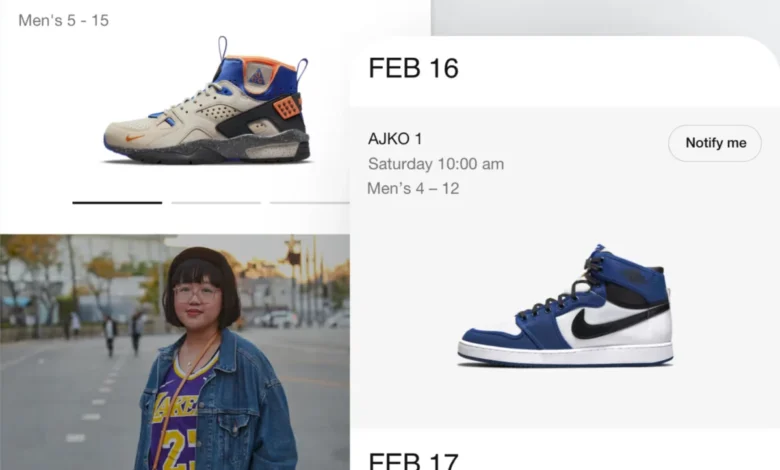
Nike: Unified Commerce from Digital to Physical: Nike stands as a paragon of omnichannel execution in retail. Its ecosystem, encompassing the Nike app, Nike.com, and physical Nike retail stores, operates from a shared customer identity layer. This layer meticulously tracks purchase history, browsing behavior, product preferences, and membership tier. If a customer adds an item to their cart on the app but doesn’t complete the purchase, in-store staff can access this cart context, enabling a seamless "pick up in store" experience or personalized assistance. The Nike SNKRS app further exemplifies this by using engagement signals—which product drops a member has viewed, which launches they’ve entered—to personalize all subsequent touchpoints. The outcome is a customer experience that feels consistently branded and personalized across channels, leading to higher conversion rates because every interaction builds on prior context. Nike’s ability to treat its physical stores as an integrated component of a broader digital strategy, rather than a standalone silo, is a hallmark of true omnichannel mastery.
-
Zoom: Omnichannel B2B Sales with Product-Led Data: Zoom’s remarkable growth trajectory is a prime illustration of scalable omnichannel B2B sales. Its widely adopted free tier generates invaluable usage data, including meeting frequency, participant counts, and feature adoption. This data directly feeds into Zoom’s CRM, providing critical insights that inform sales outreach timing, channel selection, and messaging. An account consistently nearing or hitting free-tier limits, for instance, receives targeted outreach that directly references their usage pattern, making the communication highly relevant, rather than a generic upsell pitch. Zoom’s sales team operates with strict SLAs: specific product signals trigger defined outreach windows, and the channel sequence (e.g., email, then phone, then in-product message) is standardized. This results in human outreach that arrives precisely when a buyer is experiencing friction or demonstrating high intent, with context that makes the conversation feel helpful and timely, not intrusive. This model is particularly effective for B2B SaaS companies leveraging a product-led growth strategy.
-
Apple: Channel Coordination Across Self-Serve, Retail, and Enterprise: Apple’s omnichannel model is distinguished by its ability to seamlessly span three distinct buyer motions—consumer self-serve via Apple.com, retail with its renowned Genius Bar support, and enterprise sales through Apple Business—without fragmenting the customer experience. An enterprise IT leader managing a personal Apple ID maintains a separate yet connected enterprise profile, allowing Apple’s account teams to reference both when discussing device procurement or support. What truly sets Apple apart is the strategic role of its physical stores. The Apple Store transcends a mere point of sale; it functions as an integrated service touchpoint, a discovery environment for new products, and a post-sale support channel. Each of these roles contributes to a unified customer journey that significantly enhances customer lifetime value beyond the initial transaction. Apple demonstrates that even high-touch, in-person interactions can and should be meticulously integrated into a broader omnichannel system.
Implementing Omnichannel Sales: A Strategic Roadmap
Transitioning to an omnichannel sales model requires a systematic approach involving aligned data architecture, refined processes, and the judicious deployment of technology. The changes will permeate how revenue teams operate across every channel, not just how they utilize their tools.
-
Audit Your Current Channel Activity and Data Architecture: Before formulating an omnichannel strategy, sales leaders must gain a clear understanding of their existing channel coverage and the quality of their data. This audit should address critical questions: Which channels are currently in use? How consistently is customer activity logged across these channels? What data is being captured, and what are the significant gaps? Where does customer data reside, and how fragmented is it? Often, this audit reveals that CRMs capture email and deal-stage data adequately, but phone calls, LinkedIn activity, and in-person meetings are inconsistently logged, if at all. These omissions create a structurally incomplete customer record, rendering effective orchestration impossible. A crucial initial step is to run a data quality report, deduplicate records, standardize properties, and identify fields with low fill rates, as orchestration built on incomplete data will only amplify noise.
-
Define Your Unified Customer Record: This involves establishing a structured data model that meticulously captures all essential identity, engagement history, preferences, and intent signals required for omnichannel execution. Sales and Revenue Operations (RevOps) teams must collaboratively agree on the minimum required fields for a record to be deemed actionable. Workflow automations should then be built to flag incomplete records for enrichment. Key fields include: contact details, company information, complete activity history (across all channels), purchase history, known preferences, consent status, lead source, and current deal stage. A robust CRM like HubSpot’s, augmented by AI tools such as Breeze AI, can automatically enrich records with company data, recent news, and engagement signals, ensuring a comprehensive and actionable customer profile.
-
Map Your Buyer Journey by Stage and Channel: Effective journey orchestration necessitates a clear, detailed map outlining which channels serve which specific buyer stages. For each stage, define the primary channel(s), secondary channels, and clear escalation paths should the primary channel not yield the desired response. This mapping involves asking: What actions do buyers take at each stage? Which channels are they most active on? What information do they need at each point? This exercise often reveals that the most successful deals involve consistent engagement across a greater number of coordinated channels, rather than just louder, disconnected efforts.
-
Build Coordinated Sequences with Clear SLAs: With the buyer journey mapped, the next step is to construct coordinated sequences that enforce the correct channel, message, and timing for each stage. These sequences must be built within the CRM to ensure every touchpoint is automatically logged against the contact record. SLAs should meticulously define: who is responsible for follow-up, the specific channel to be used, the message or content to be delivered, and the maximum response time. For inbound leads, a strict SLA (e.g., personalized response within four business hours in the channel of engagement) is crucial, as response time is a powerful predictor of connection rates. HubSpot Sales Hub provides the tools for building these sequences, task automation, and pipeline visibility, all intrinsically linked to the unified contact record.

-
Connect Your Sales Intelligence Stack: Omnichannel execution thrives on high-quality signals. This necessitates integrating intent data, news alerts, social engagement signals, and firmographic enrichment tools directly into the CRM. These integrations provide sales representatives with a real-time, comprehensive view of buying intent before they initiate outreach. HubSpot’s App Marketplace offers numerous sales intelligence integrations (e.g., LinkedIn Sales Navigator, ZoomInfo, Bombora) that feed signals directly into the CRM. The richer the signal data within the CRM, the more precisely journey orchestration can identify the optimal moment and channel for each outreach, transforming reactive selling into proactive, intelligent engagement.
-
Implement AI-Powered Prospecting and Automation: Artificial intelligence fundamentally alters the economics of omnichannel execution by automating research, personalization, and timing decisions that traditionally demanded significant manual effort. AI-powered prospecting enables organizations to execute true omnichannel outreach at scale without proportional increases in headcount. Tools like HubSpot’s Breeze Prospecting Agent can automatically research accounts against an ideal customer profile, draft personalized outreach, and recommend the best time and channel for each touchpoint. AI’s greatest value in an omnichannel model lies not in replacing human judgment, but in focusing it on the opportunities most likely to convert, allowing reps to dedicate their expertise to high-value interactions. It’s crucial to establish brand voice guidelines and human review checkpoints to maintain authenticity.
-
Streamline Quoting, Payment, and Deal Closure: The final stage of the omnichannel journey—quoting, invoicing, and payment—is often where otherwise well-designed processes falter. When sales representatives must leave the CRM to generate a quote in a separate system, deal context is lost, approval cycles lengthen, and the buyer experience degrades precisely when momentum should be at its peak. Solutions like Commerce Hub allow teams to generate quotes, send invoices, and collect payments directly within the CRM record. Quotes, invoices, and payment links are generated from deal data, transmitted through the buyer’s preferred channel, and automatically logged upon engagement. Enabling direct payment links within the quote workflow can significantly accelerate deal closure, as buyers can finalize transactions immediately.
Measuring Omnichannel Sales Success: Key Performance Indicators
Assessing the effectiveness of an omnichannel strategy requires a robust framework of metrics that evaluate both process efficiency and ultimate revenue impact. The following six KPIs provide a comprehensive view of performance:
-
Cross-Channel Engagement Rate: This metric quantifies the percentage of prospects who interact with two or more distinct channels before advancing a deal stage. A rising cross-channel engagement rate signifies that the orchestration model is successfully fostering meaningful multi-touchpoint relationships, rather than merely adding channels without integration. Tracking this by deal stage can pinpoint areas where channel diversity is weakest.
-
Handoff-to-Opportunity Conversion Rate: This measures the percentage of leads that successfully progress to an active opportunity following a handoff (e.g., SDR to AE, or marketing to sales). A low conversion rate often indicates a context gap, meaning the receiving representative lacks sufficient information to effectively continue the conversation. Monitoring this metric before and after implementing structured handoff protocols provides clear evidence of improvement.
-
Deal Velocity by Channel Mix: Deal velocity tracks the speed at which deals move through each stage of the pipeline. Segmenting this velocity by the specific channel mix (e.g., deals involving two channels versus four) reveals whether expanded channel coverage genuinely accelerates deal progression. Experience shows that adding channels without proper coordination often yields no improvement in velocity; true omnichannel execution should result in measurable acceleration.
-
Channel Attribution Contribution: Moving beyond simplistic first-touch or last-touch models, multi-touch attribution allocates revenue credit across all channels that contributed to a closed deal. This metric identifies which combinations of channels are most effective in driving conversions and informs strategic resource allocation for orchestration efforts.
-
CRM Data Completeness Score: This leading indicator measures the percentage of active contact and deal records that meet the minimum required field thresholds for effective omnichannel orchestration. Teams with higher completeness scores are better equipped to execute precise sequences, generate relevant AI insights, and maintain strong context continuity. A target of at least 80% completeness on required fields should be established before scaling automation.
-
Customer Retention and Expansion Rate: The ultimate validation of omnichannel effectiveness manifests in long-term retention and expansion metrics. According to McKinsey’s 2024 B2B Pulse Survey, B2B decision-makers now utilize an average of 10 channels during their purchase journey, a significant increase from five in 2016. Furthermore, over half (54%) indicate they would switch suppliers after a poor omnichannel experience. This underscores that a coordinated presence across every touchpoint is not merely a "nice-to-have" but a critical differentiator that directly impacts retention and revenue. Tracking net revenue retention by cohort and correlating it with omnichannel engagement scores provides a compelling business case for sustained investment.
Addressing Common Challenges in Omnichannel Adoption
Implementing omnichannel sales can present several challenges, which can be mitigated through strategic planning and proactive measures.
- Prioritizing Channels: The initial focus should be on channels where buyers are most active and where CRM tracking is most reliable. For many B2B teams, this means prioritizing email and phone, followed by LinkedIn, once these core channels are coordinated and generating consistent data. Analyzing past closed-won deals to map influential touchpoints can provide invaluable guidance.
- Avoiding Over-Messaging: Over-messaging is typically a symptom of disconnected channel execution rather than excessive outreach volume. The solution lies in managing channel frequency at the contact record level within the CRM, setting a total weekly outreach cap (e.g., three to five touches across all channels), and automatically pausing other channels once a response is received from one.
- Ensuring CRM Data Quality: The foundation of omnichannel sales is a unified customer record encompassing identity, activity history, channel preferences, deal stage, marketing engagement, and consent. The most prevalent gap is often the inconsistent logging of phone calls and in-person meeting notes. Establishing and enforcing a non-negotiable logging standard, supported by required fields in the CRM, is the highest-impact data hygiene action teams can undertake.
- Managing Rollout and Adoption: To minimize disruption, begin with a pilot cohort of five to eight reps who are already consistent CRM users. Run new omnichannel sequences for a quarter, using this period to identify process gaps, refine SLAs, and gather feedback before a broader rollout. Reps are more likely to adopt new workflows when they witness early evidence of positive results generated by a controlled pilot.
- Maintaining Brand Voice with AI: AI should primarily handle research, timing, and personalization inputs, while human judgment shapes the final message. Deploying AI to draft outreach that reps then edit ensures brand voice consistency while significantly reducing the time per touchpoint. AI systems like HubSpot’s Breeze AI assist with automation across Sales Hub and Marketing Hub, with brand voice guidelines and human review checkpoints always controlled by the team.
Building a Sales Motion Buyers Truly Experience as One
Omnichannel sales is fundamentally about intelligently connecting existing channels to ensure that every customer touchpoint contributes to a coherent, unified narrative. Buyers who perceive a consistent and informed journey convert faster and exhibit greater loyalty and expansion potential. Organizations excelling in this domain share common strategic pillars: a unified CRM as the central nervous system, AI to distill critical signals at the opportune moment, and human expertise to apply nuanced judgment where it matters most. HubSpot’s Smart CRM, by integrating all its hubs into a single platform, provides the architectural blueprint for revenue teams to achieve precisely this synergy.
After decades of experience in B2B sales, the distinction between teams that merely cover multiple channels and those that truly coordinate them boils down to architectural integrity and strategic intent. Modern buyers meticulously conduct their research across a multitude of touchpoints long before engaging directly with a sales representative. When a sales professional arrives armed with context that reflects this entire journey, trust is accelerated, and deals are closed with greater efficiency and impact. This is the profound outcome that omnichannel sales is meticulously designed to produce.
Related posts: